01
Origin and Historical Significance of Tabriz Rugs
The city of Tabriz lies at an altitude of approximately 1,300 meters in a basin at the foot of the extinct Sahand volcano. Due to its location along the historic Silk Road, it became an important trading hub for oriental rugs at an early stage. As early as the 16th century, Tabriz developed into a leading center of Persian carpet production. Through the city’s bazaar, high-quality rugs from the entire region were traded to Europe and Asia.
This long tradition of trade and craftsmanship continues to shape the quality of Tabriz rugs today. While earlier examples were often more rustic in character, modern Tabriz rugs are distinguished by exceptional fineness and precision.
02
Craftsmanship and Weaving Tradition
Knot Density and the Raj System
One of the most important quality characteristics of Tabriz rugs is their knot density. This is traditionally measured in Raj, indicating the number of knots within a length of approximately seven centimeters. The higher the Raj value, the finer and more detailed the pattern.
Typical reference values:
40 Raj: approx. 300,000–350,000 knots per m² – robust and suitable for everyday use
50 Raj: approx. 450,000–510,000 knots per m² – balanced fineness with high detail
60 Raj: over 700,000 knots per m² – very fine weaving with precise drawing
70 Raj: approx. 1,000,000 knots per m² – exceptionally fine, often woven on a silk foundation
Very fine Tabriz rugs may reach even higher Raj values.
Materials: Wool, Silk, and Foundation
Tabriz rugs are predominantly woven from high-quality sheep’s wool or cork wool. For finer qualities, silk is used either as decorative highlights in the pile or as the foundation threads. While many rugs are woven on a stable cotton foundation, especially fine pieces are produced on a silk foundation. This combination of materials allows for a high level of detail and long-lasting durability.
03
Patterns, Designs, and Stylistic Variety
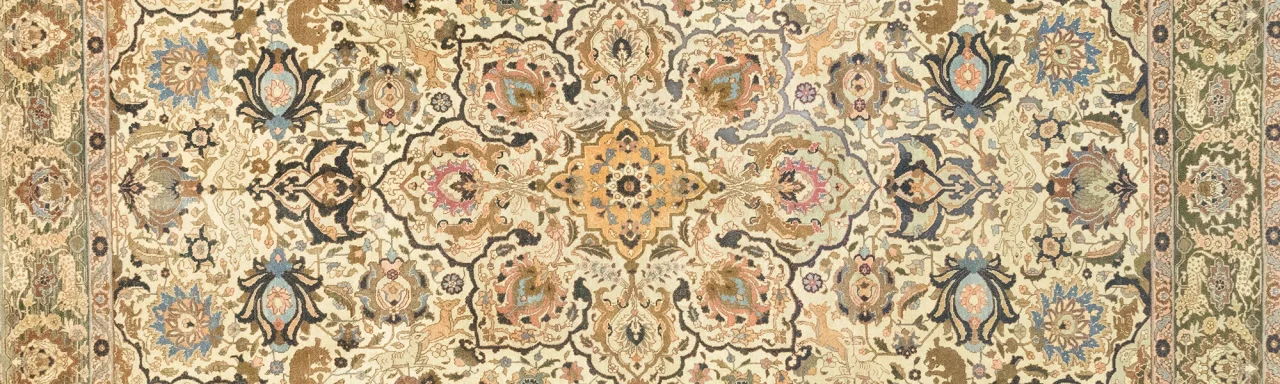
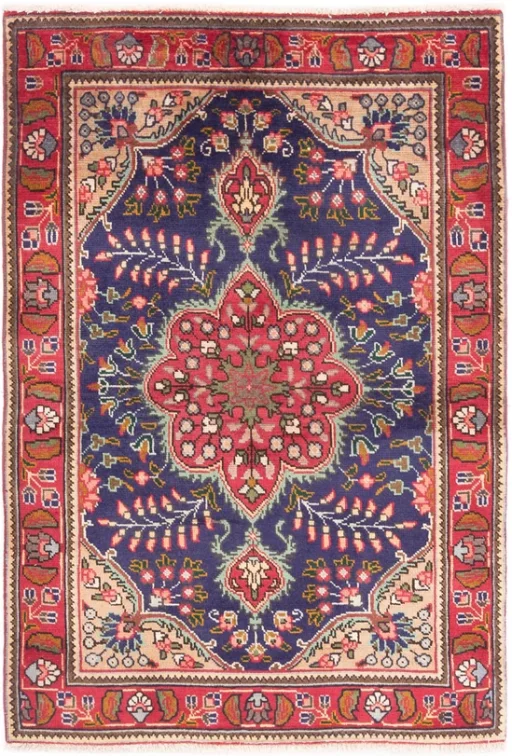
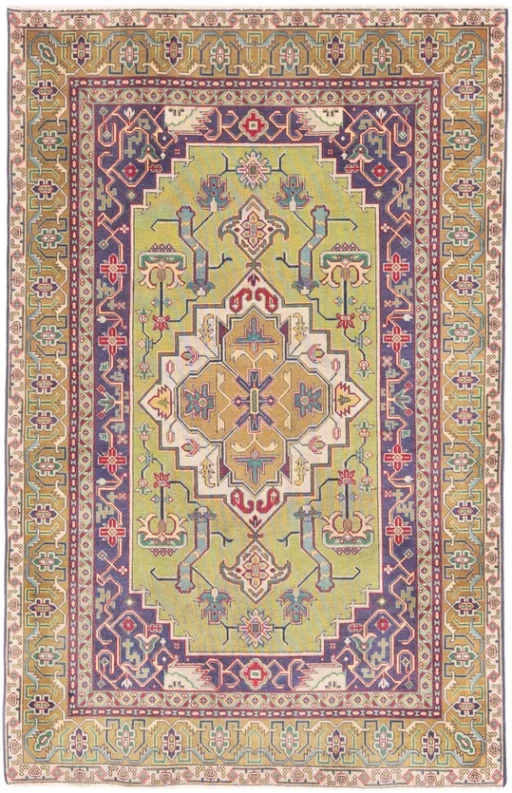
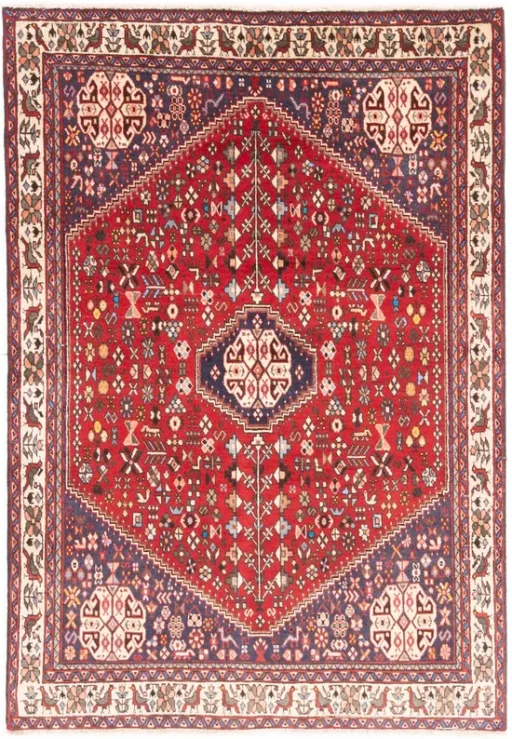
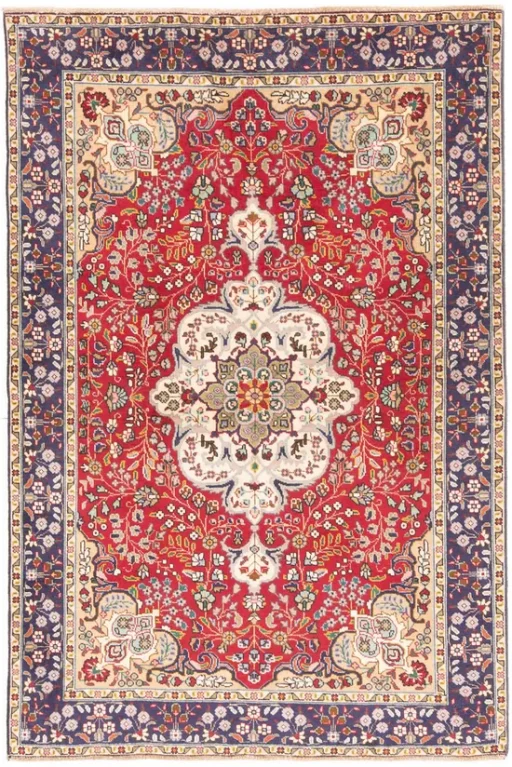
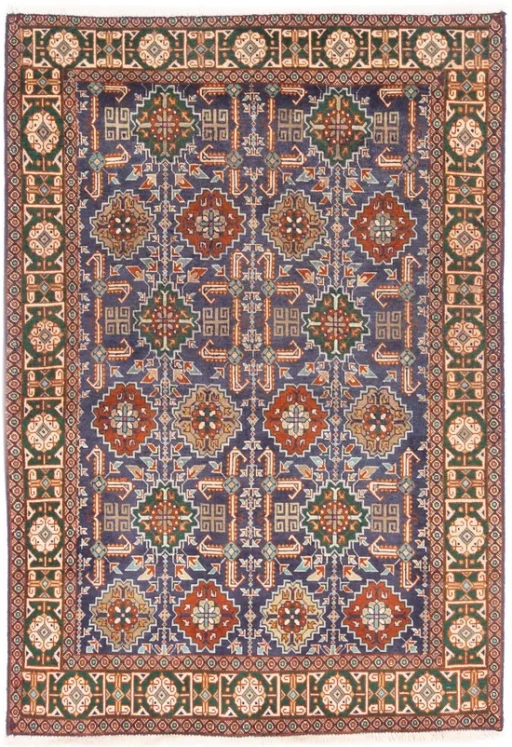
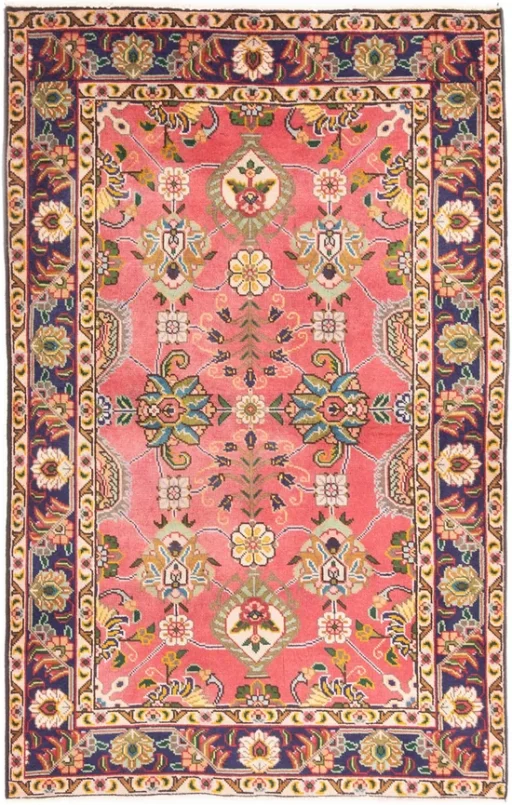
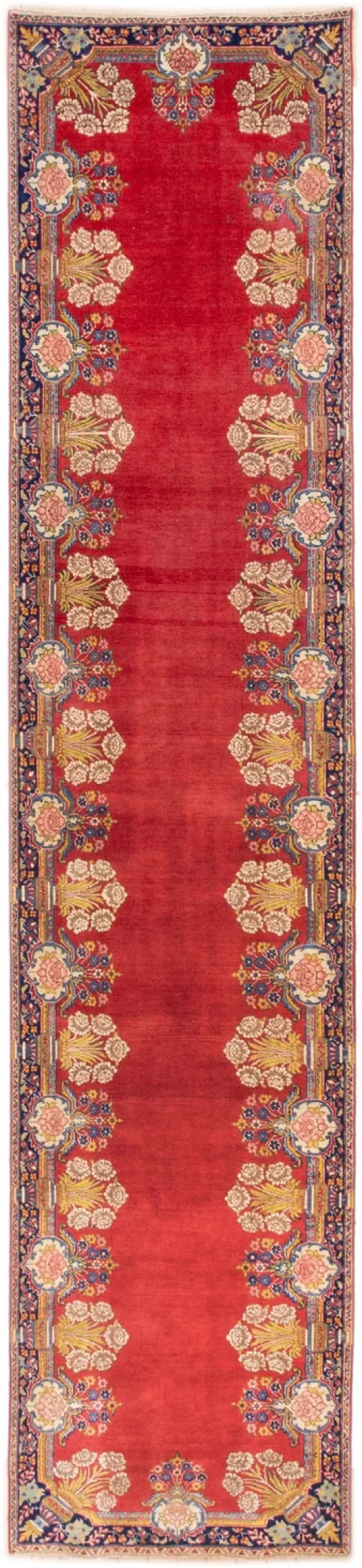
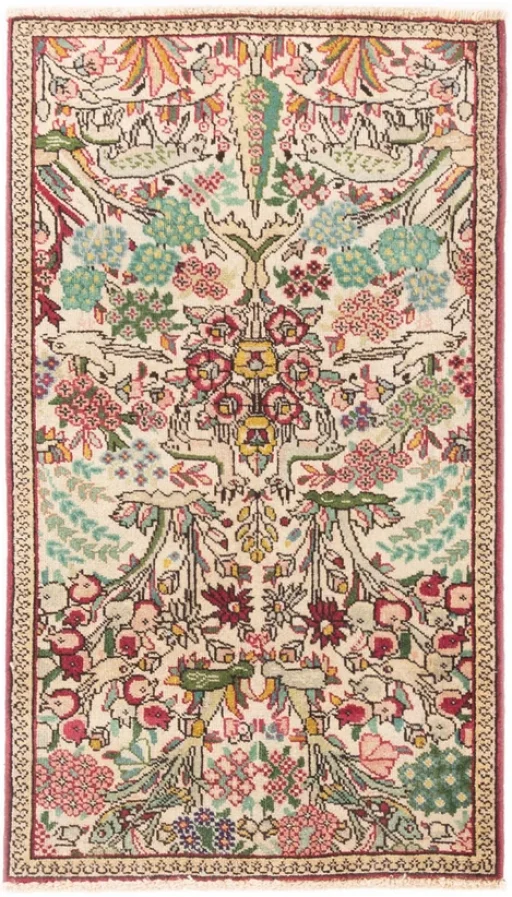
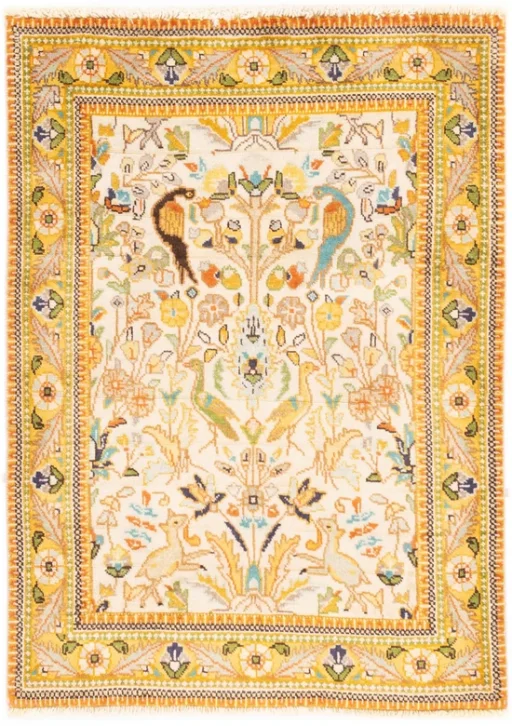
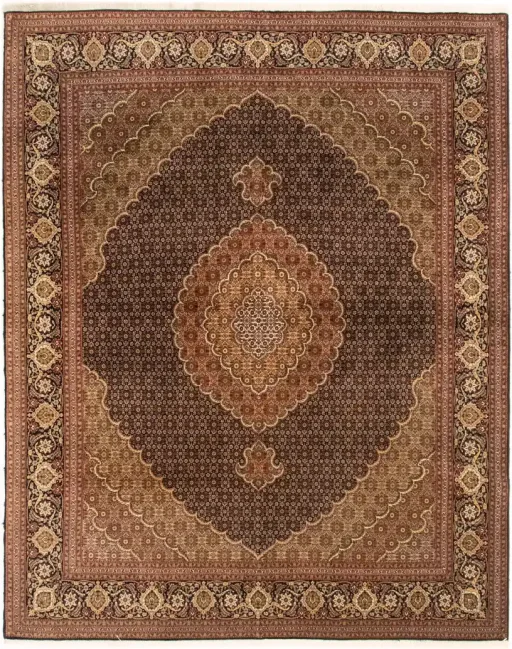
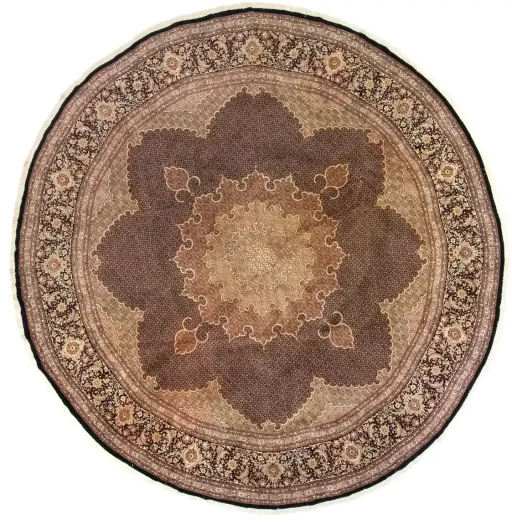
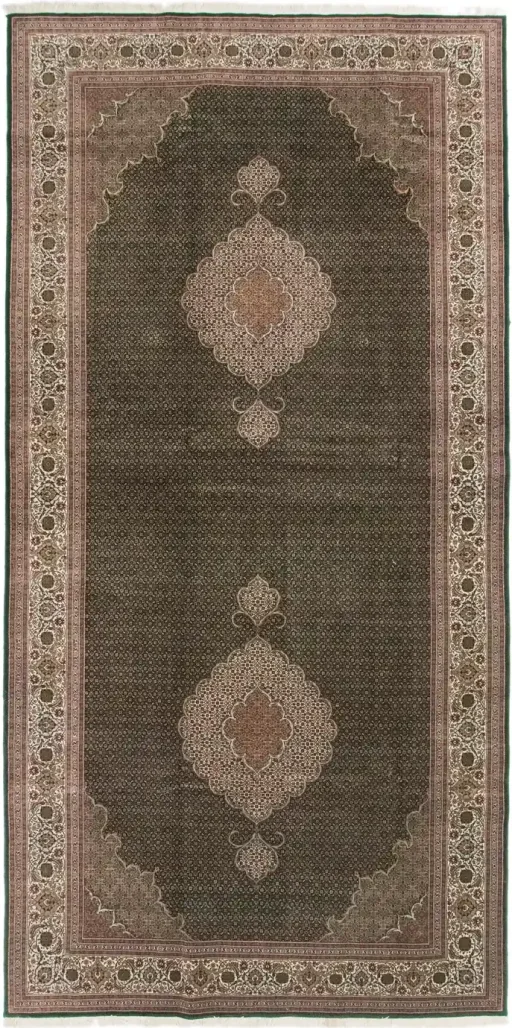
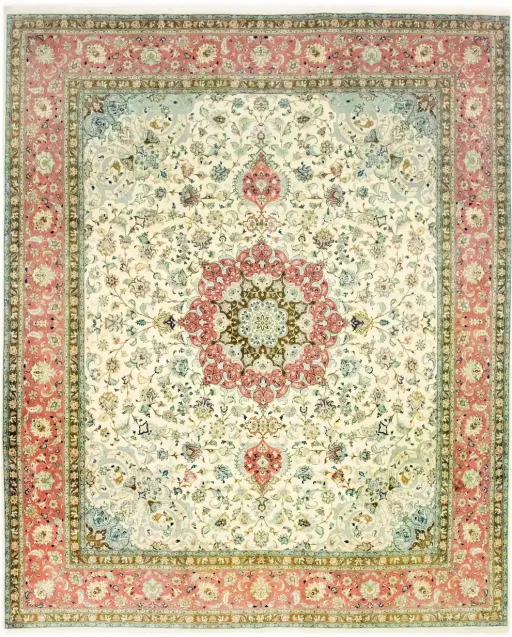
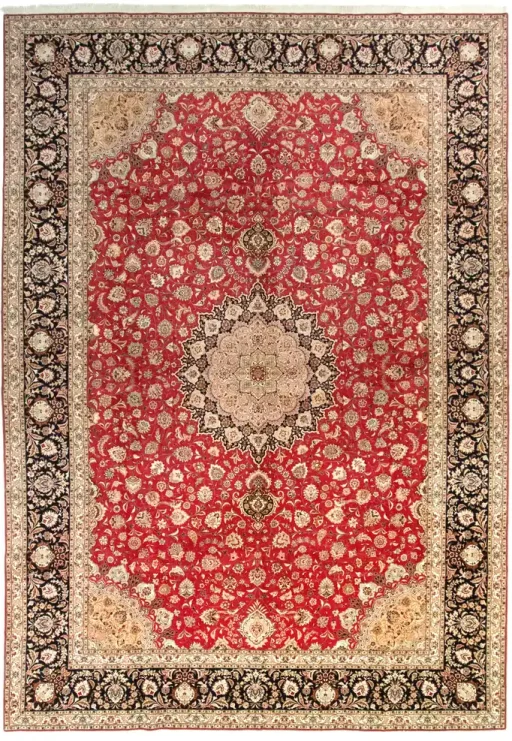
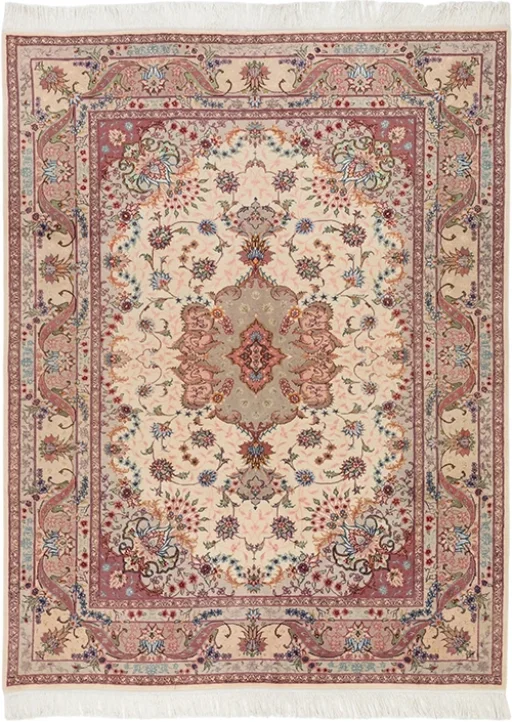
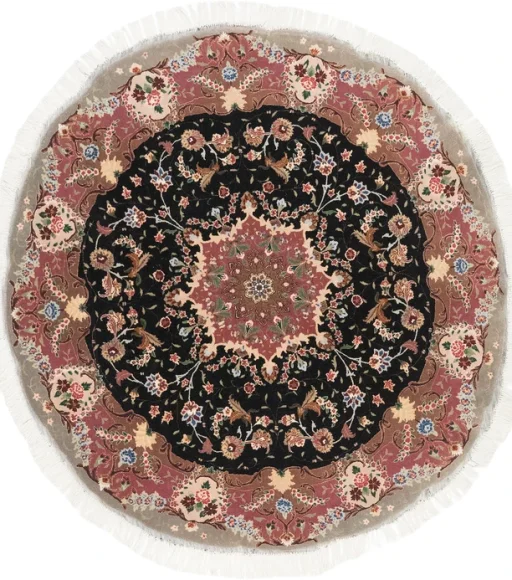
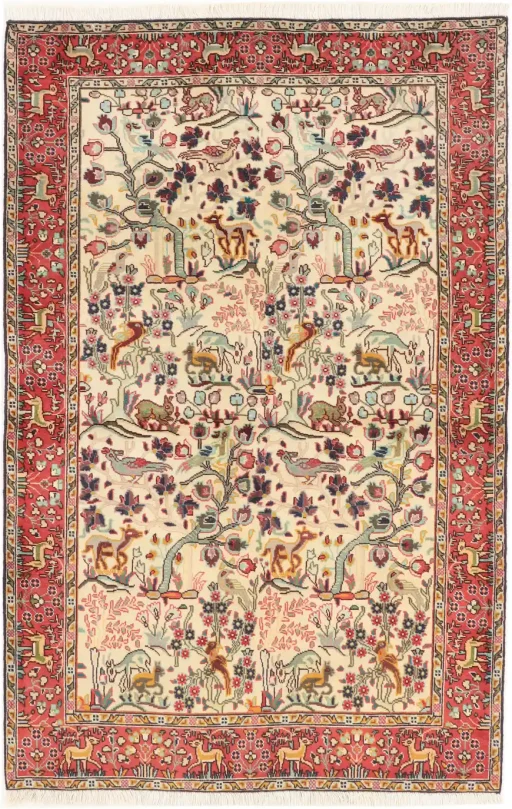
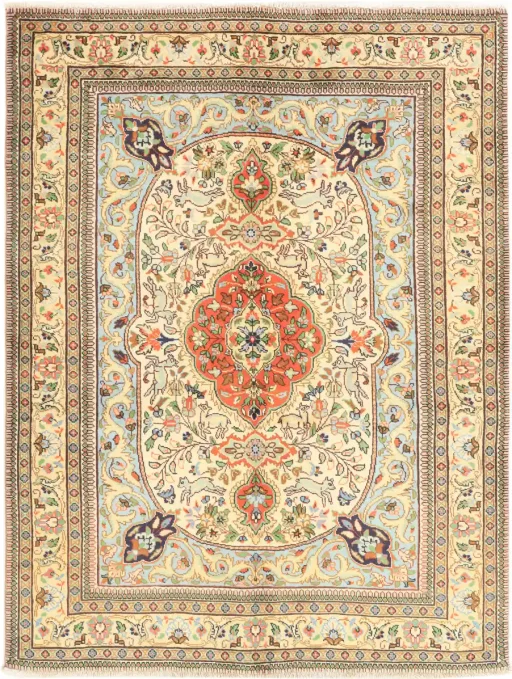
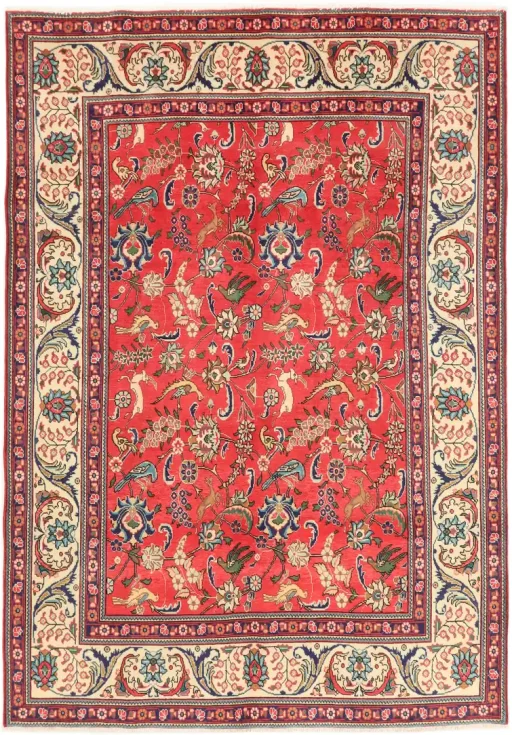
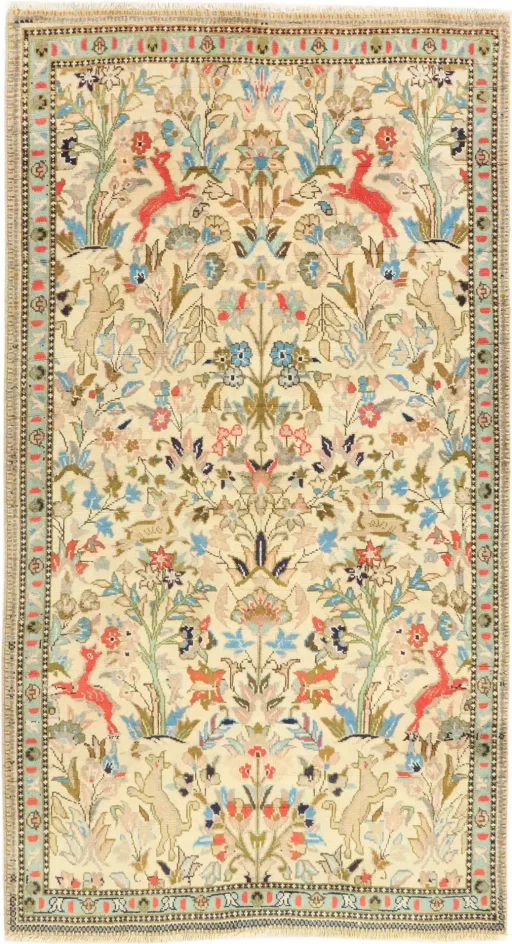
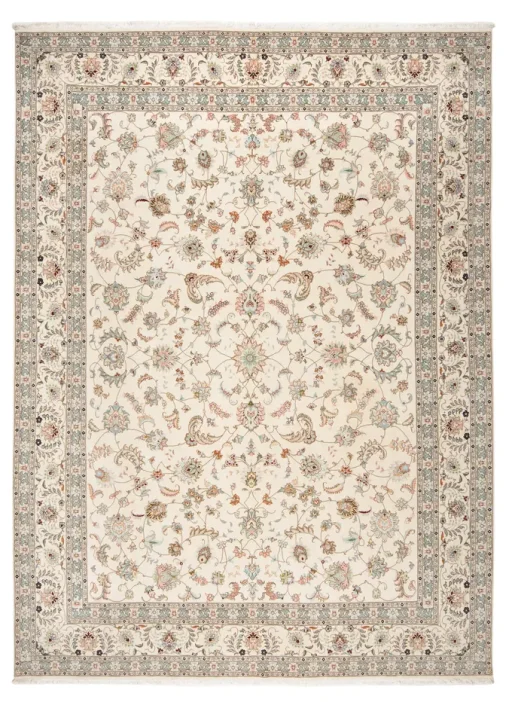
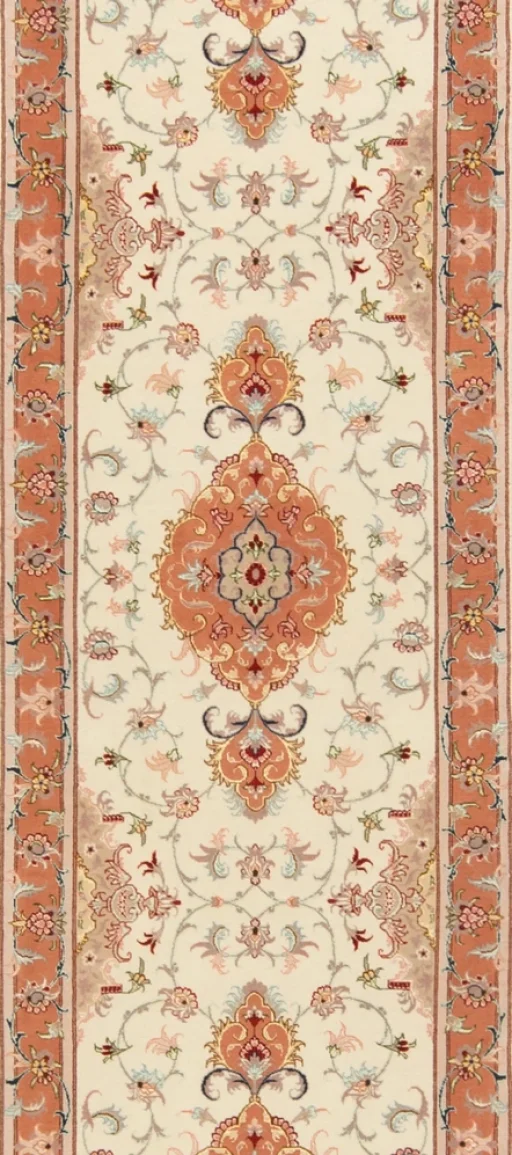
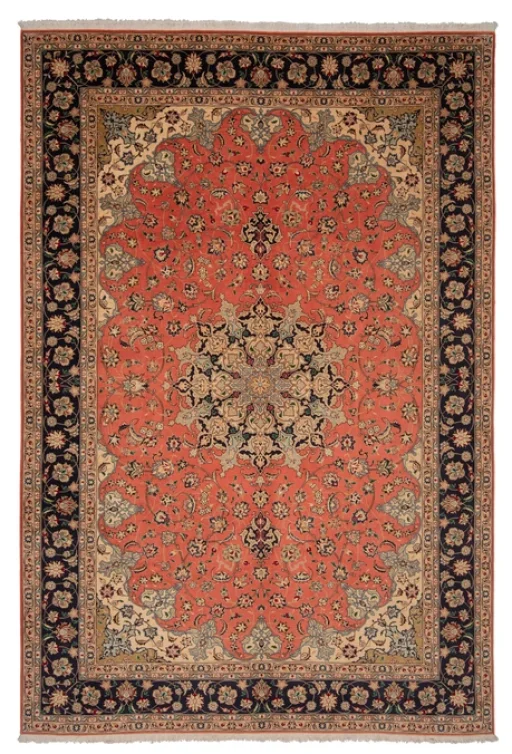
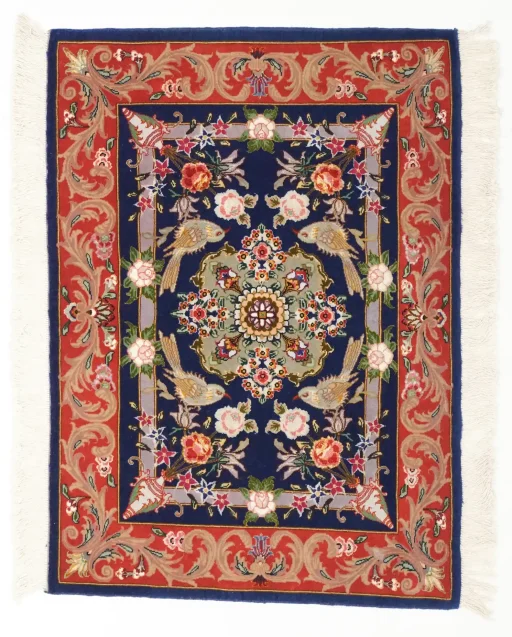
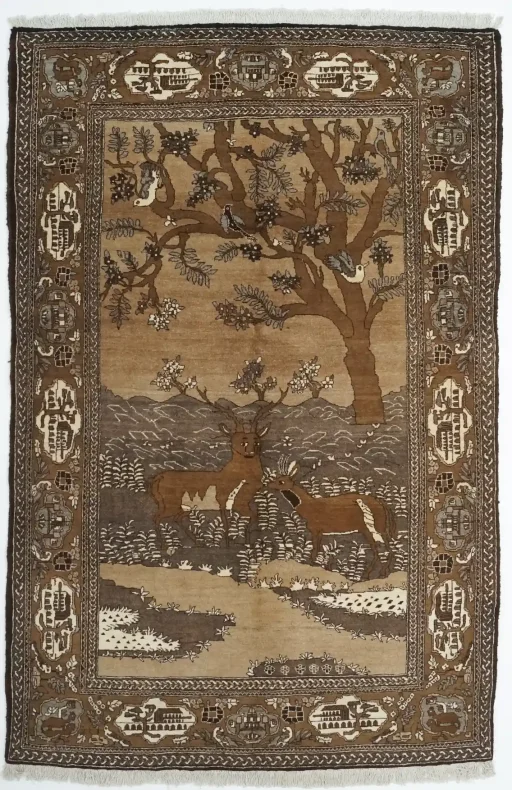
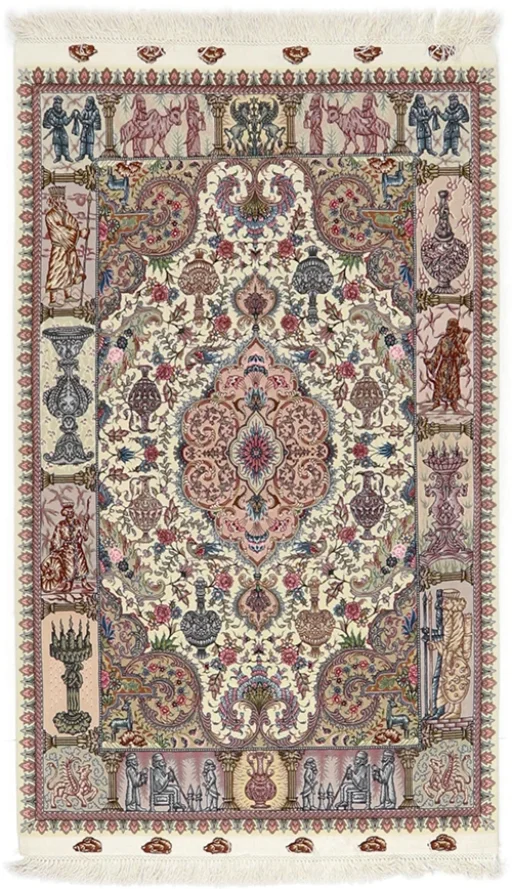
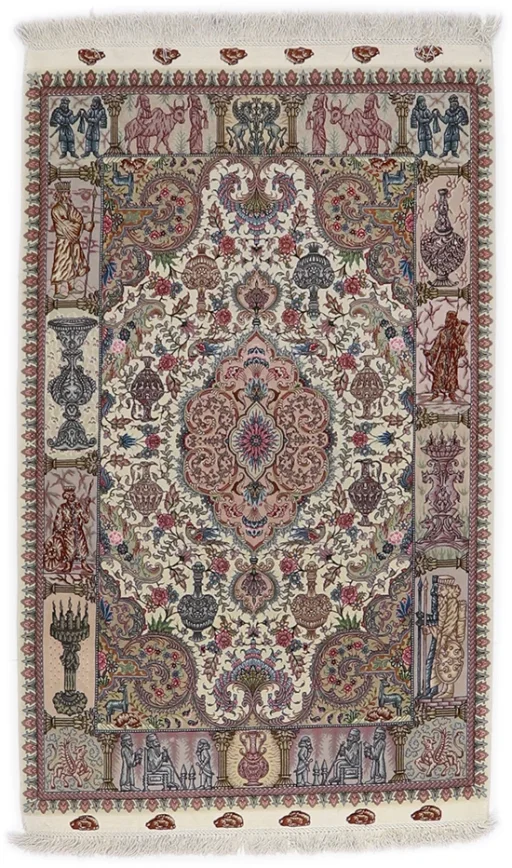
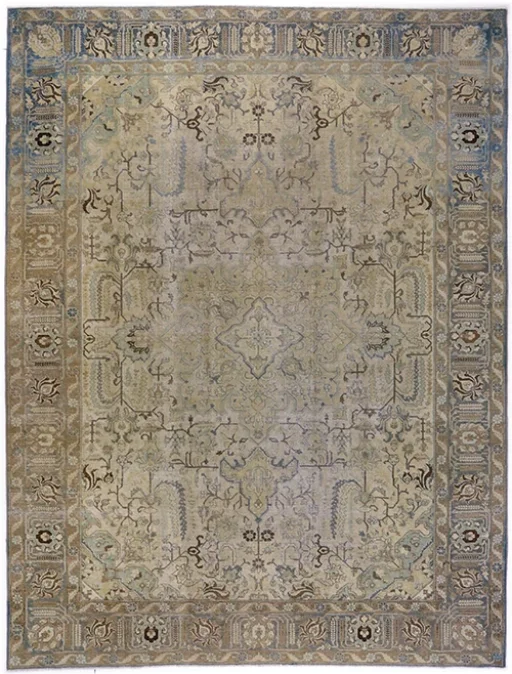
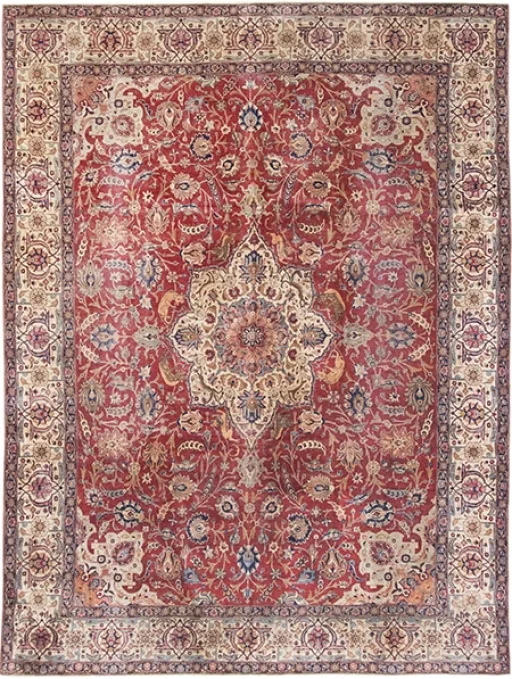
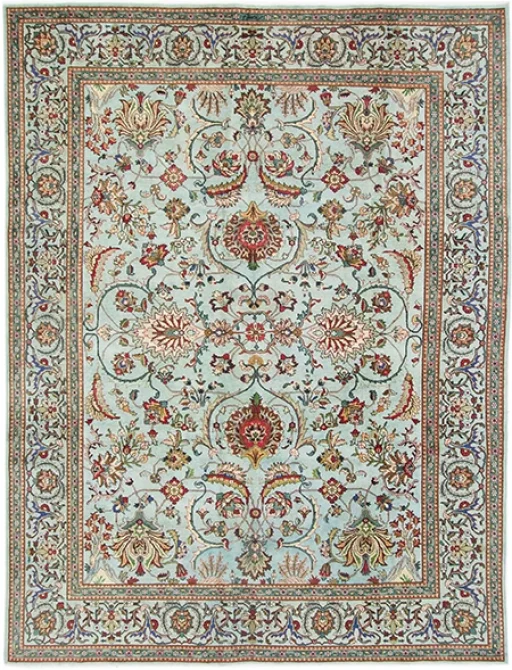
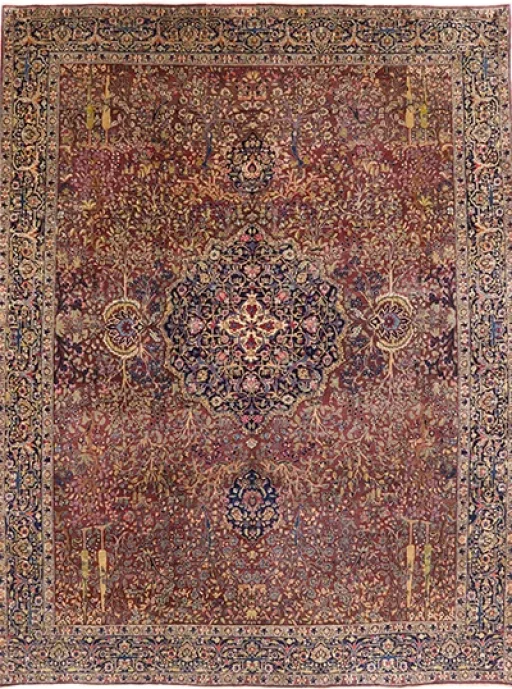
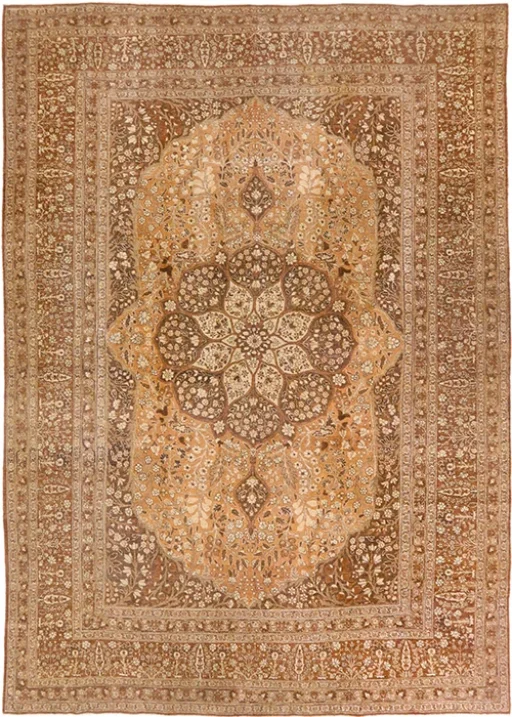
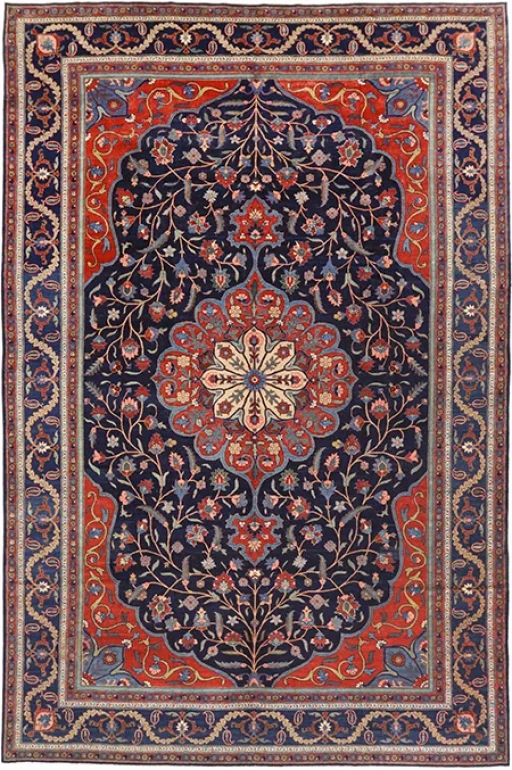
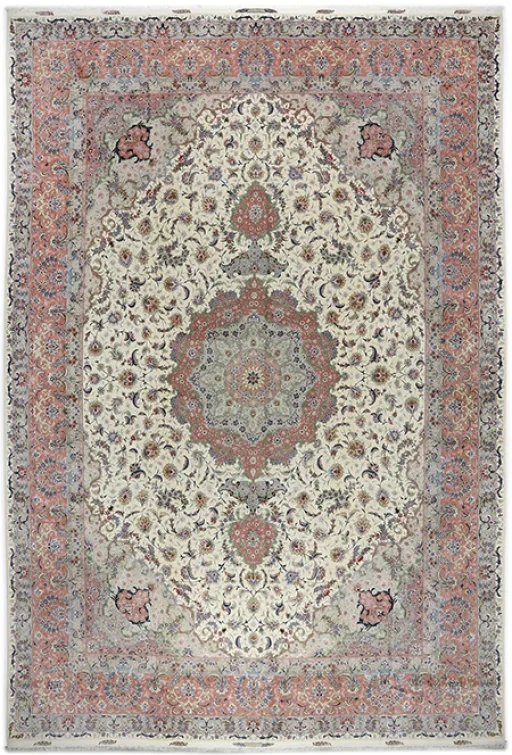
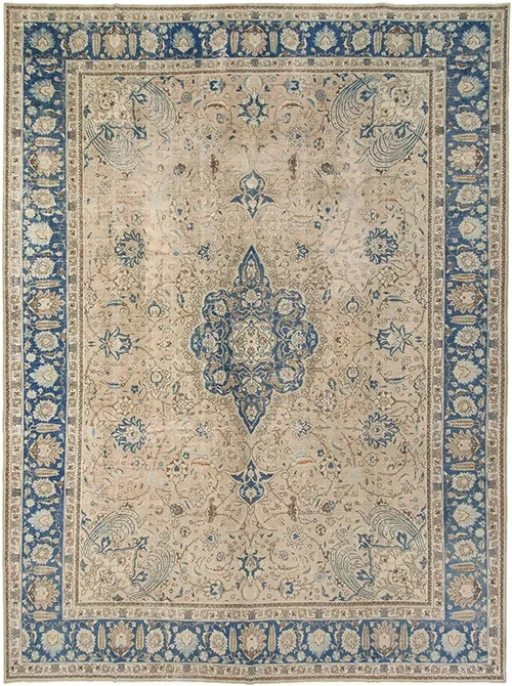
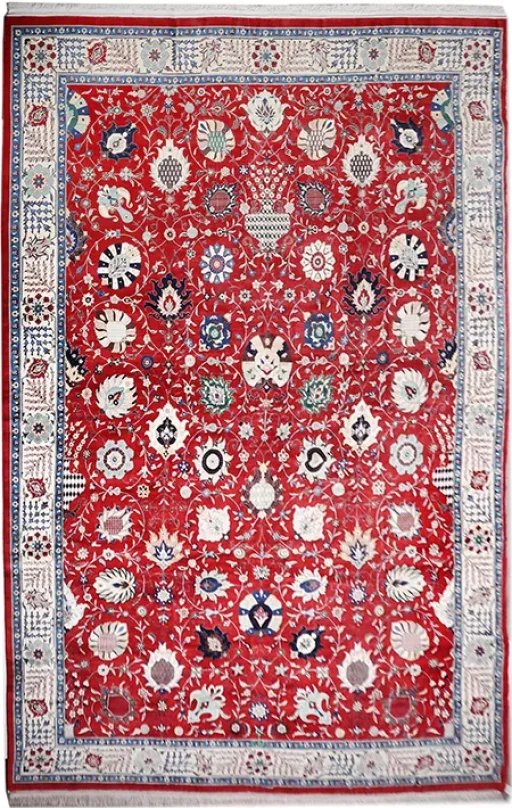
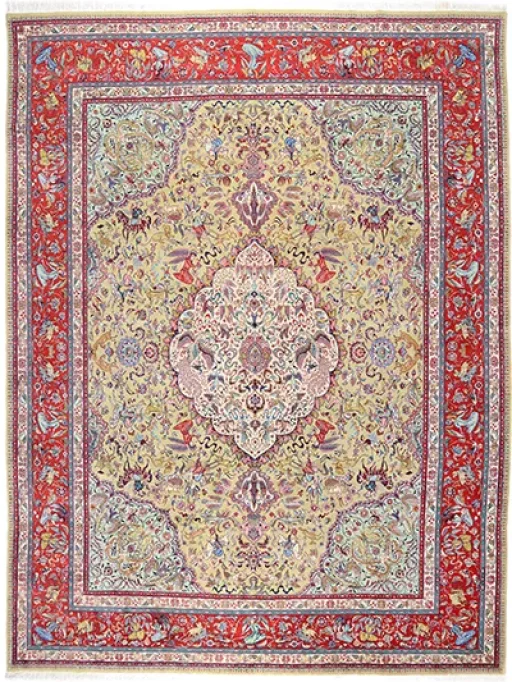
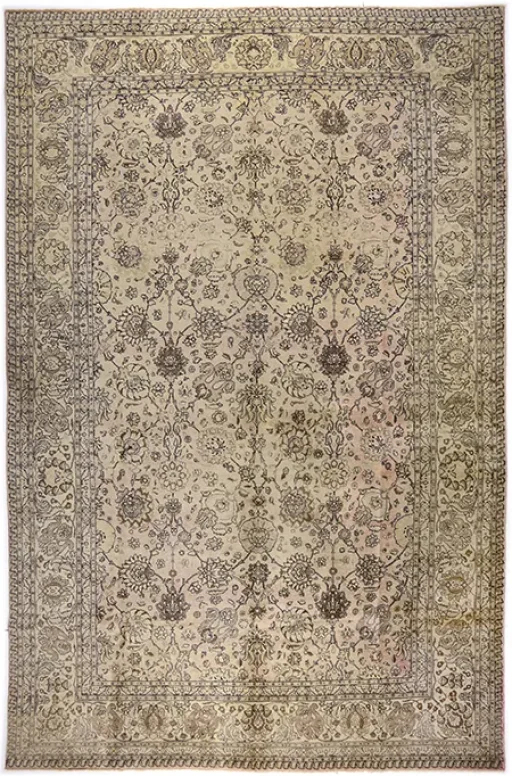
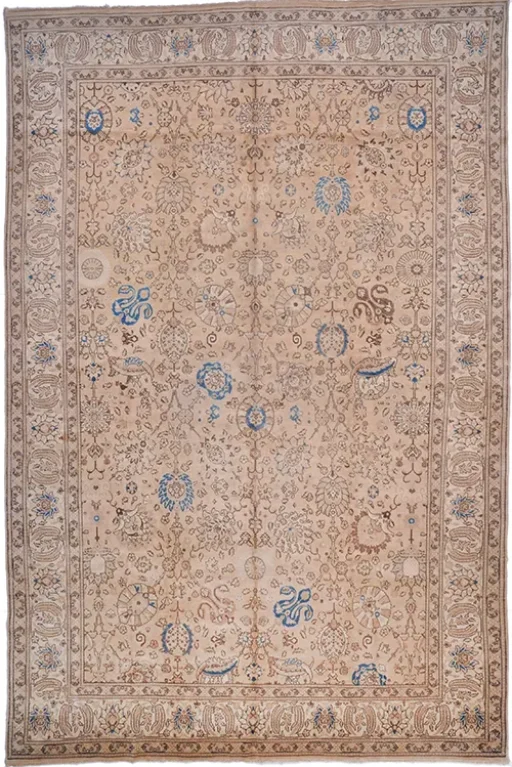
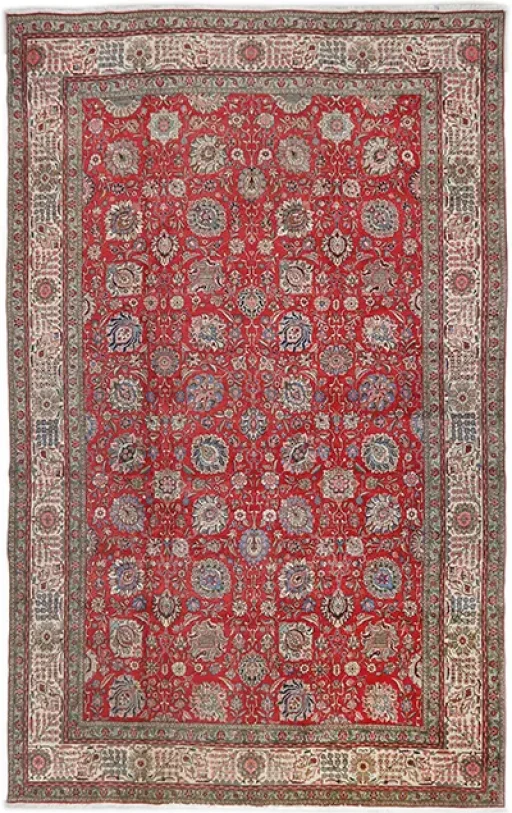
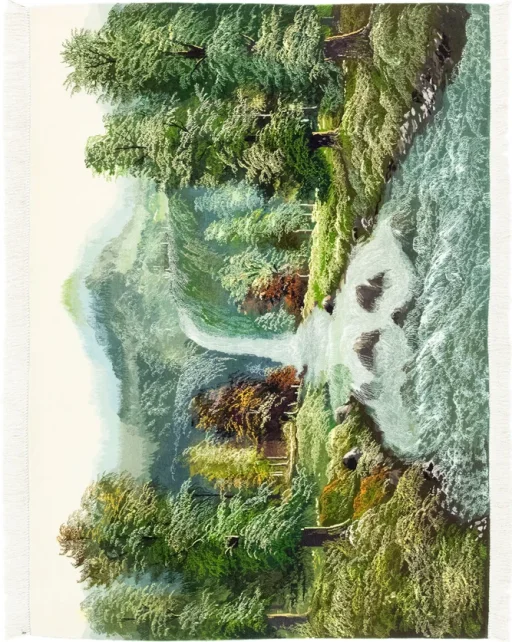
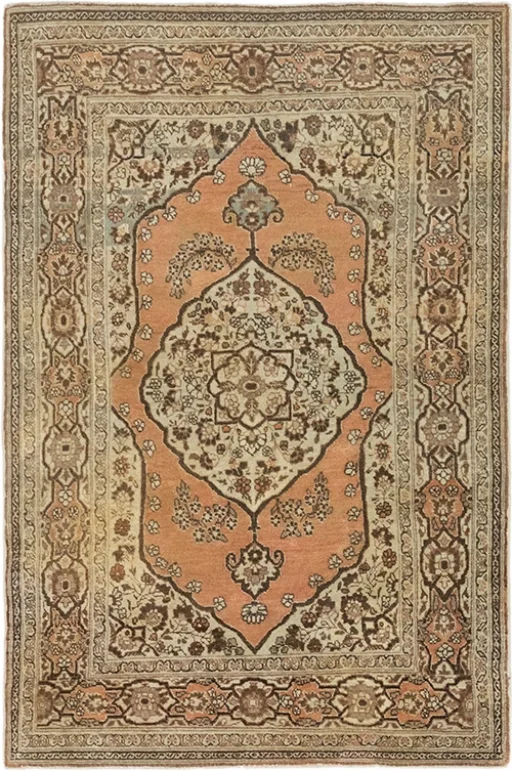
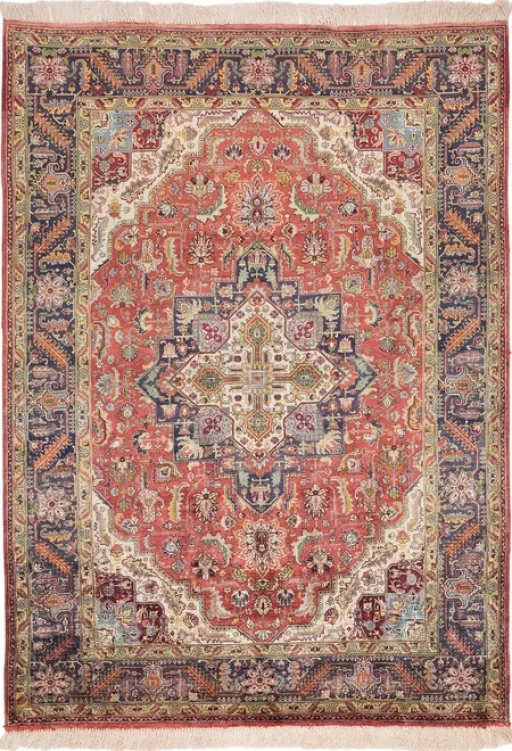
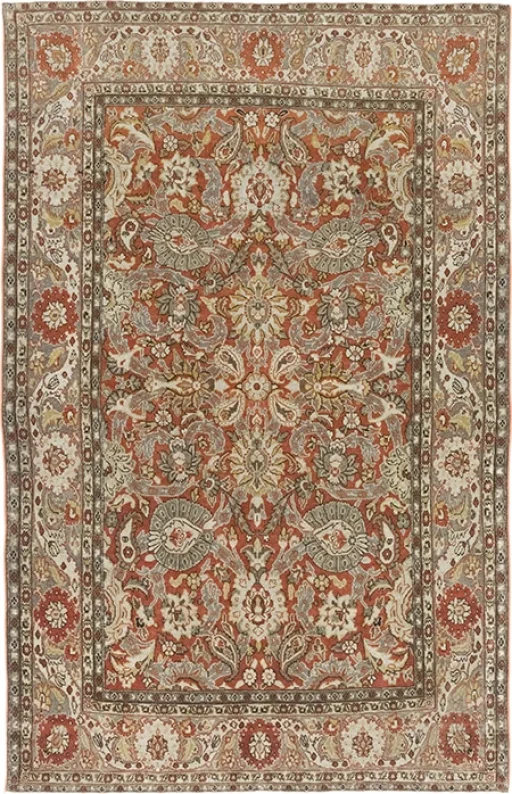
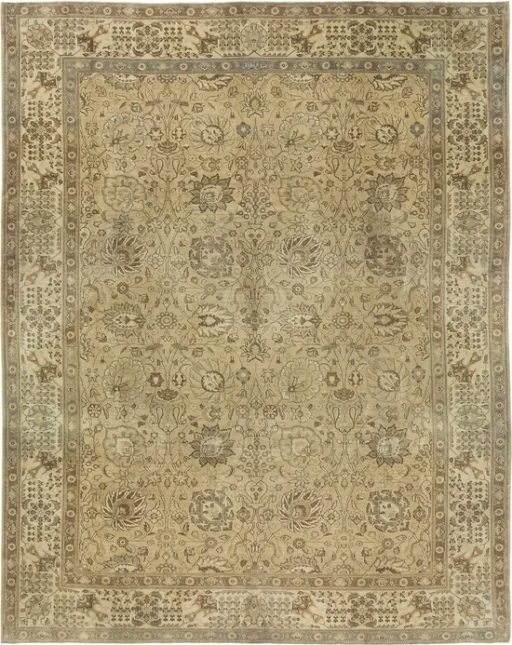
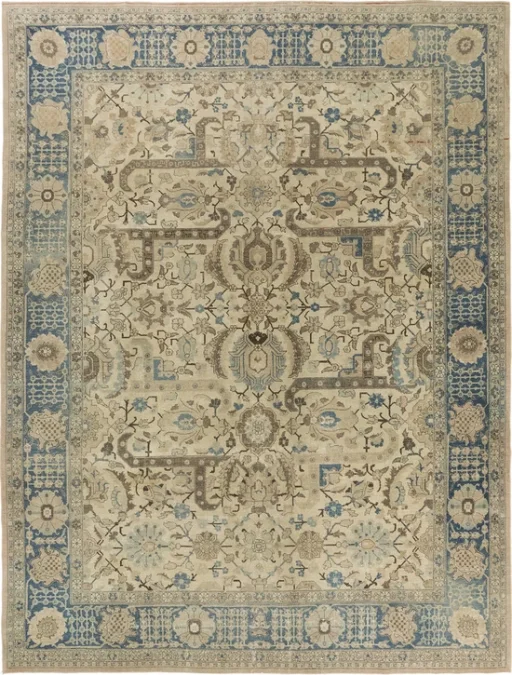
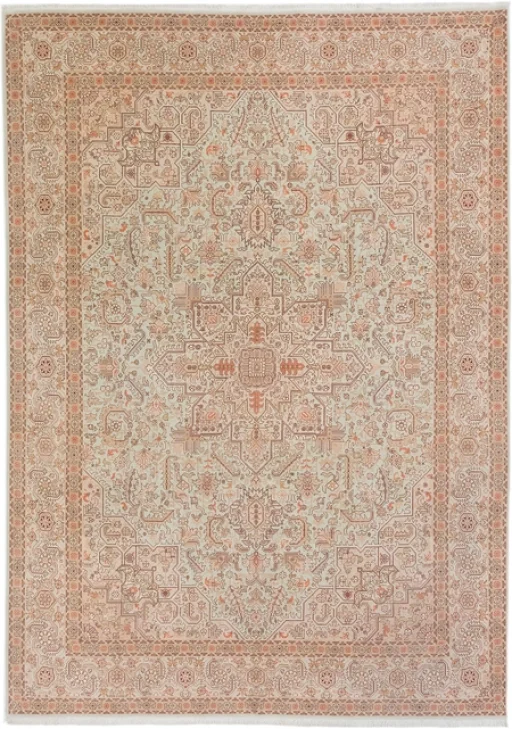
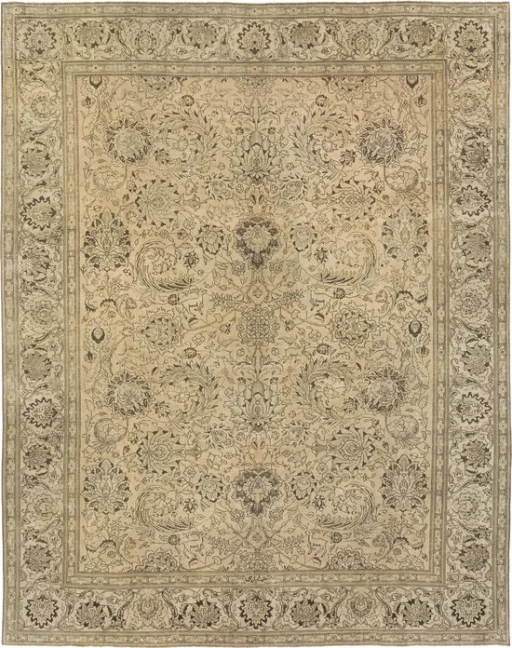
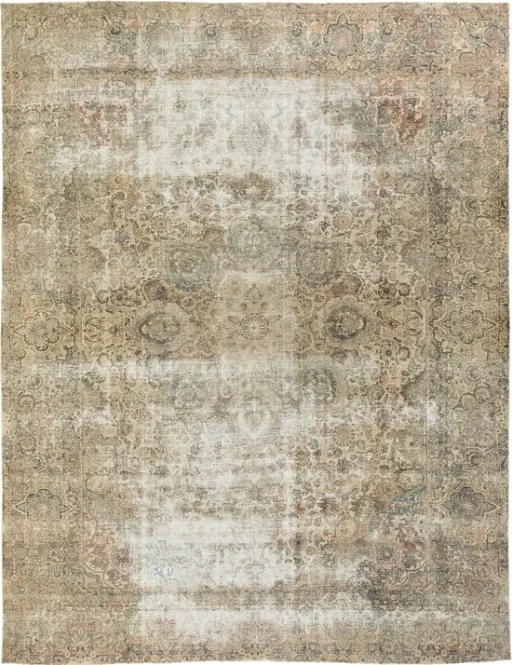
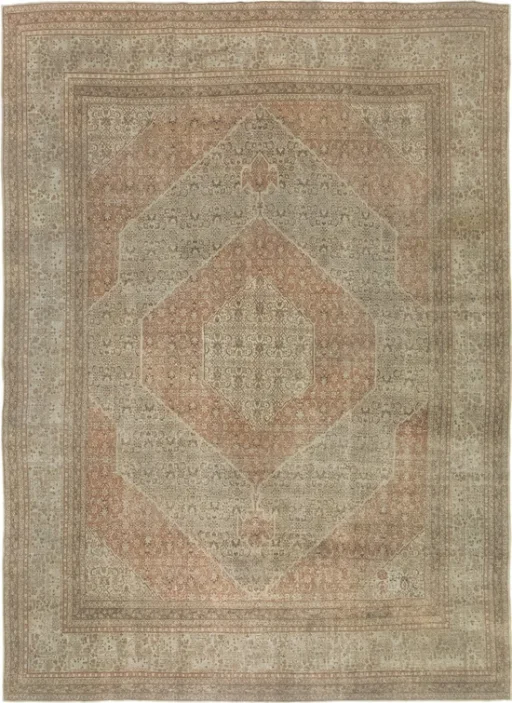
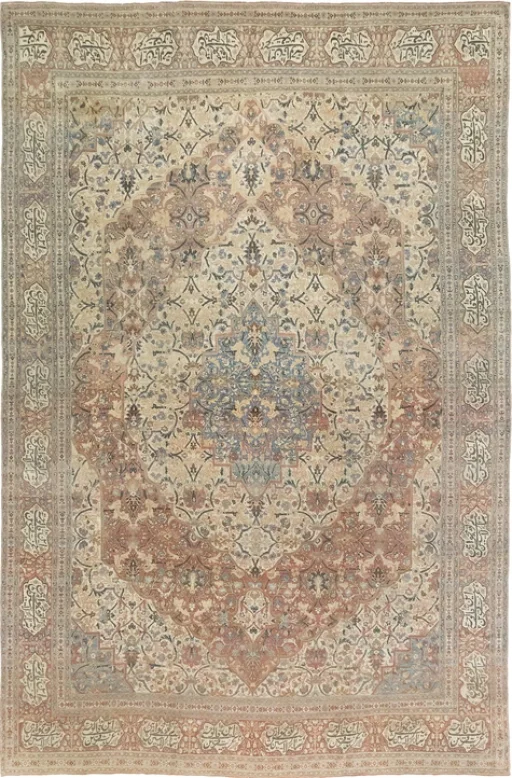
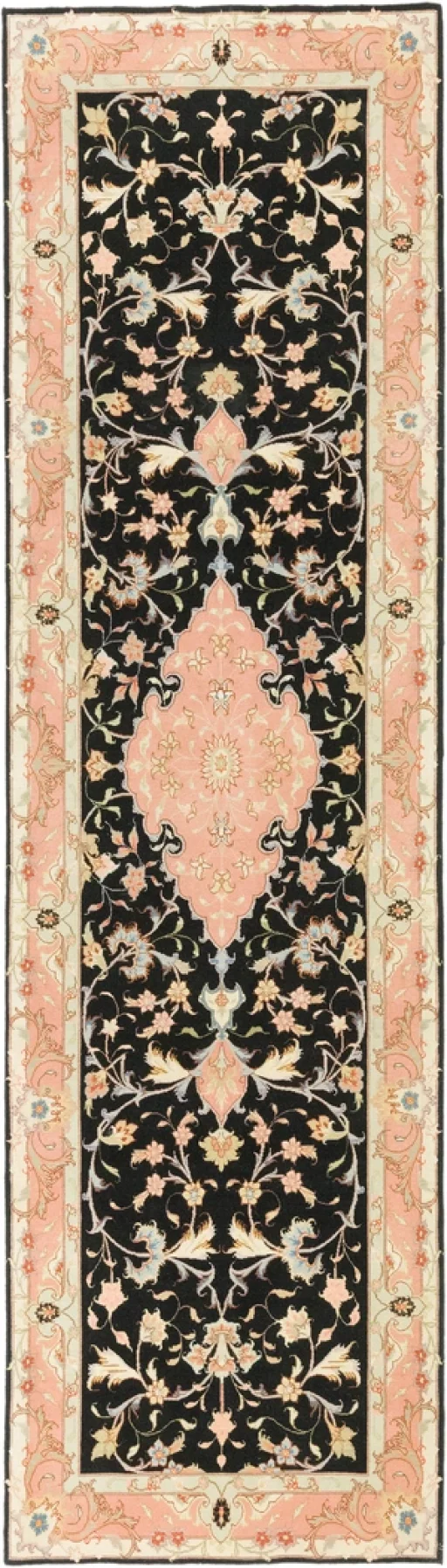
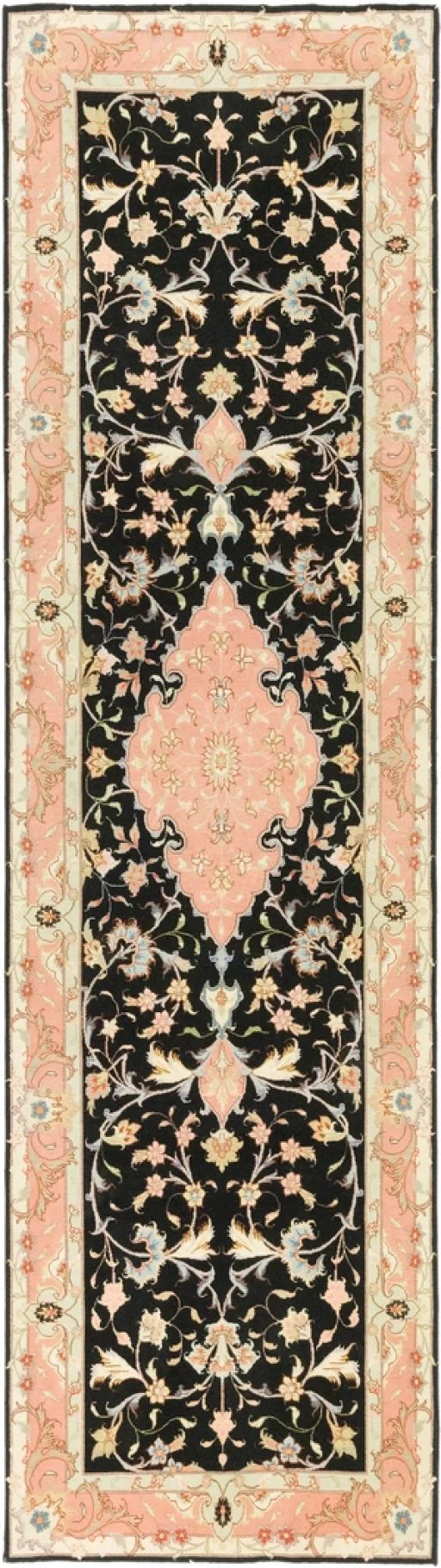
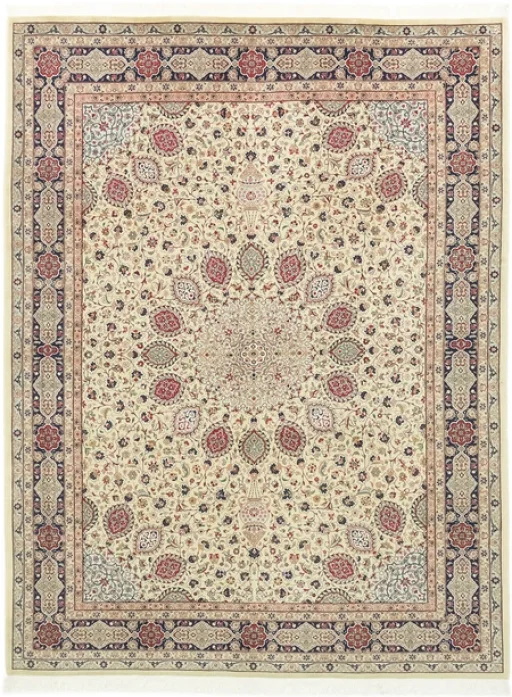
The stylistic range of Tabriz rugs is exceptionally broad. Characteristic features include clearly defined lines, balanced compositions, and precise drawing, giving many pieces an almost pictorial appearance.
Typical designs include:
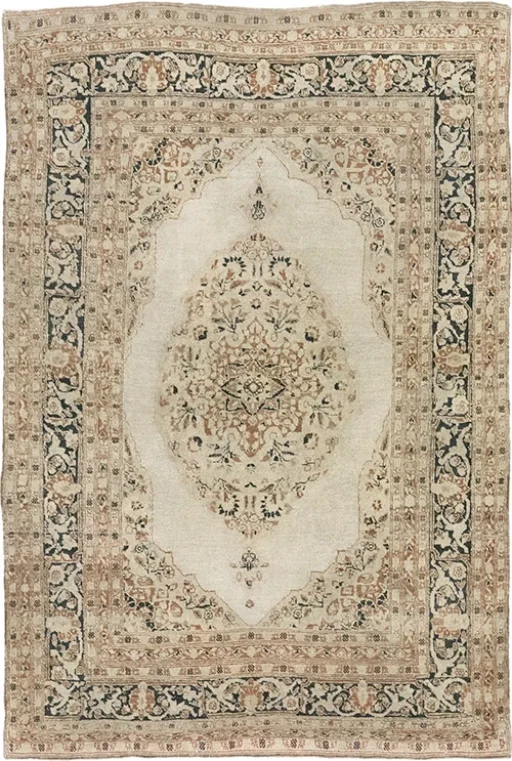
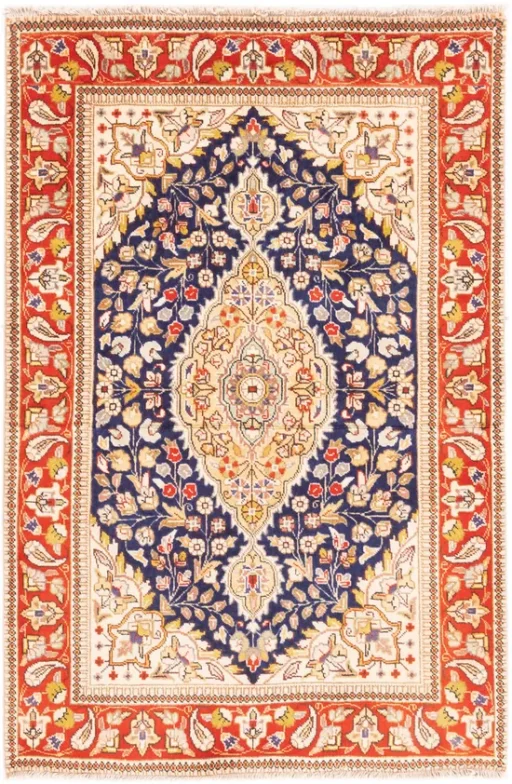
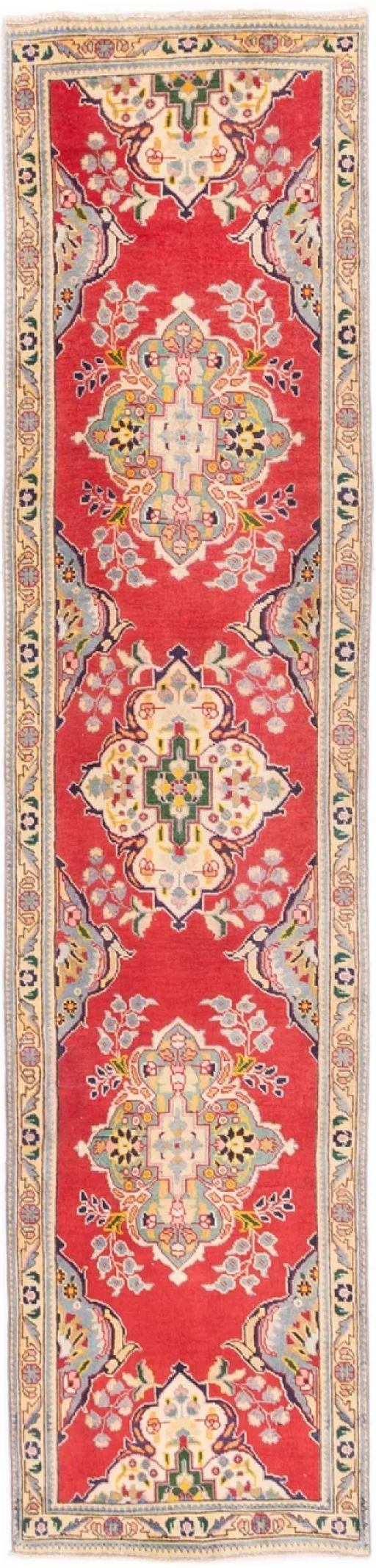
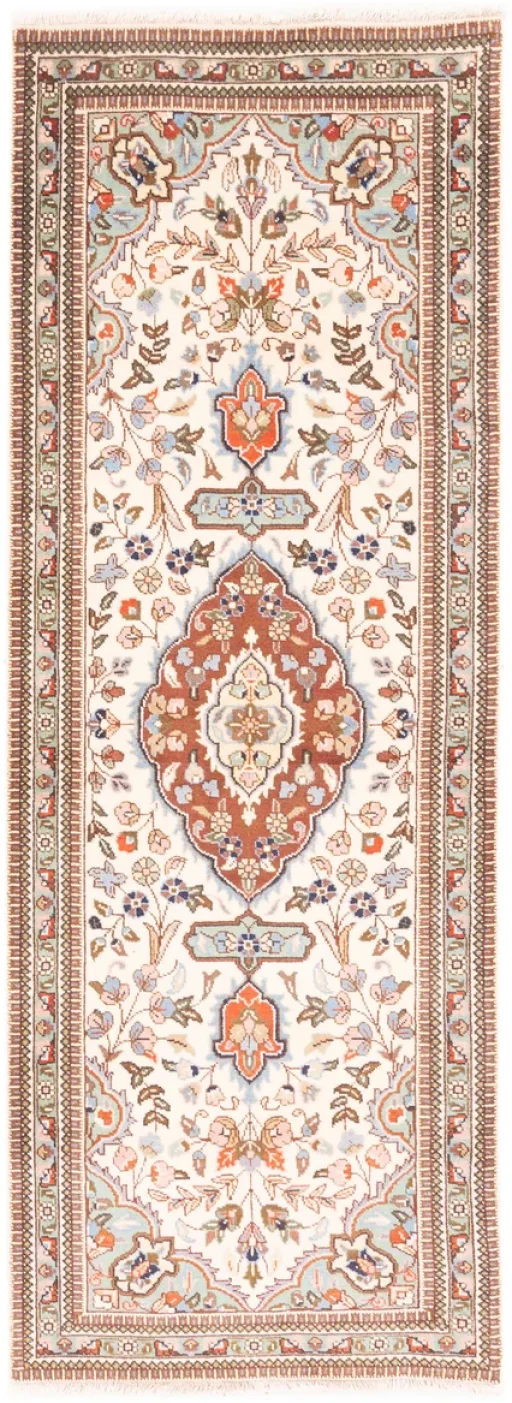
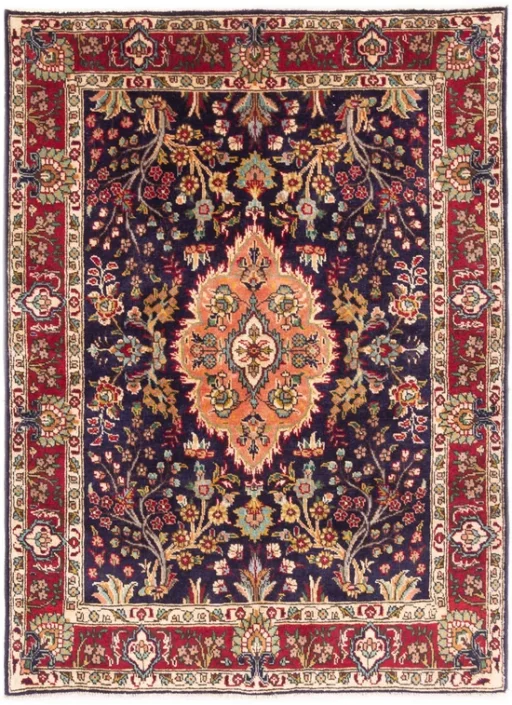
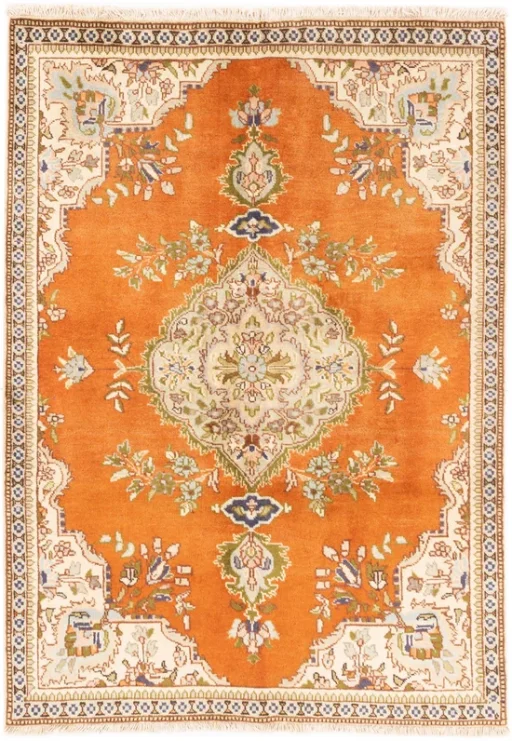
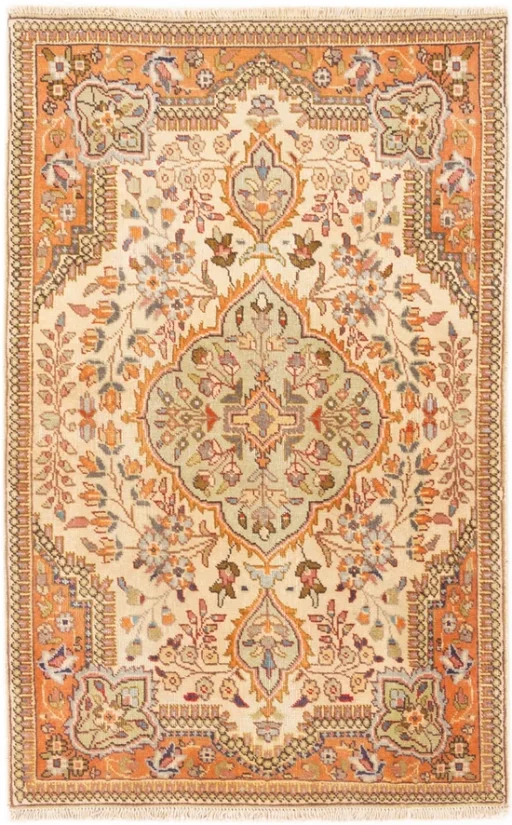
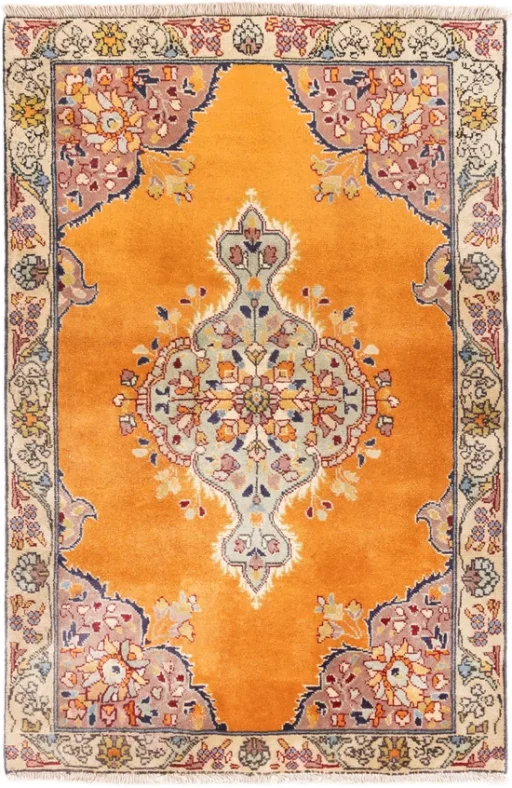
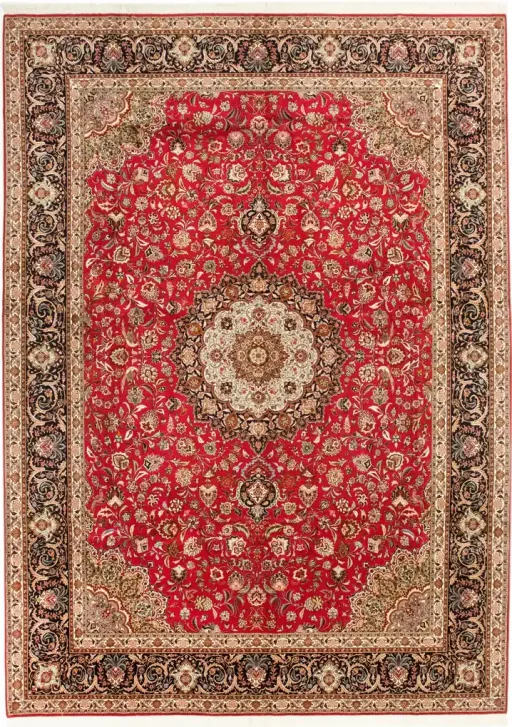
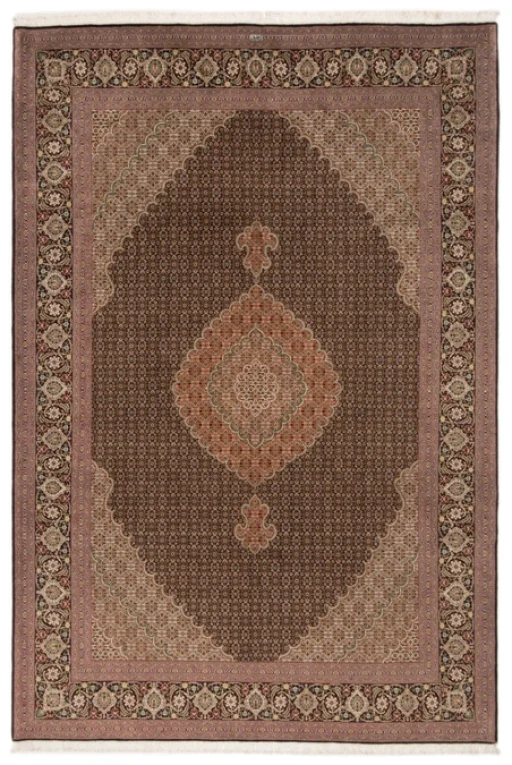
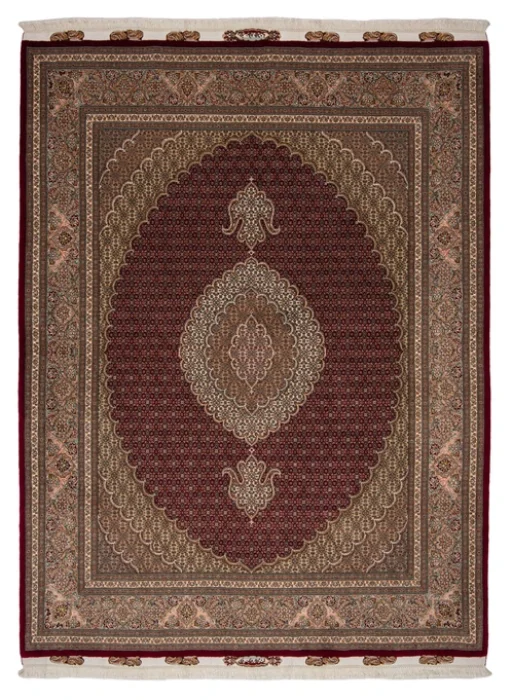
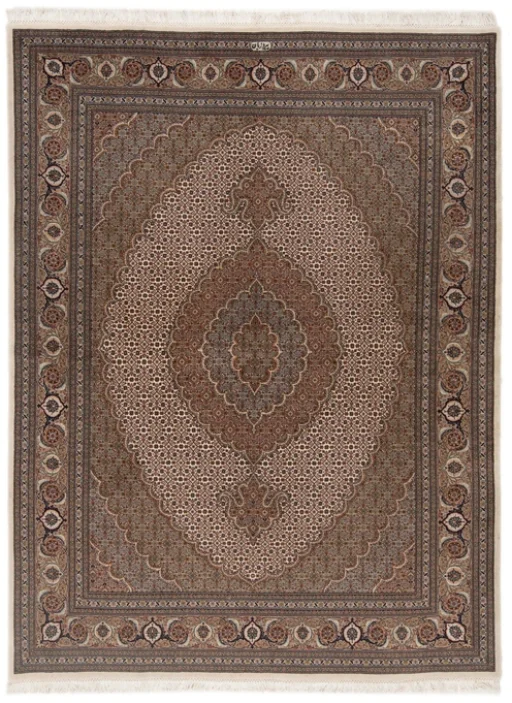
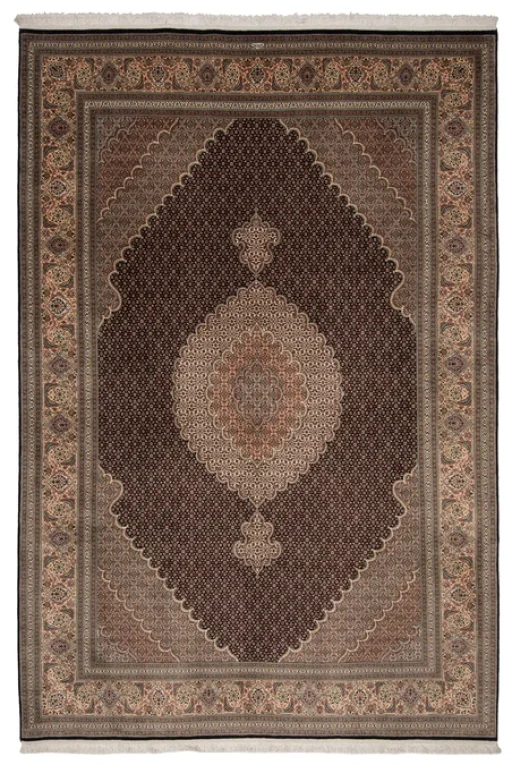
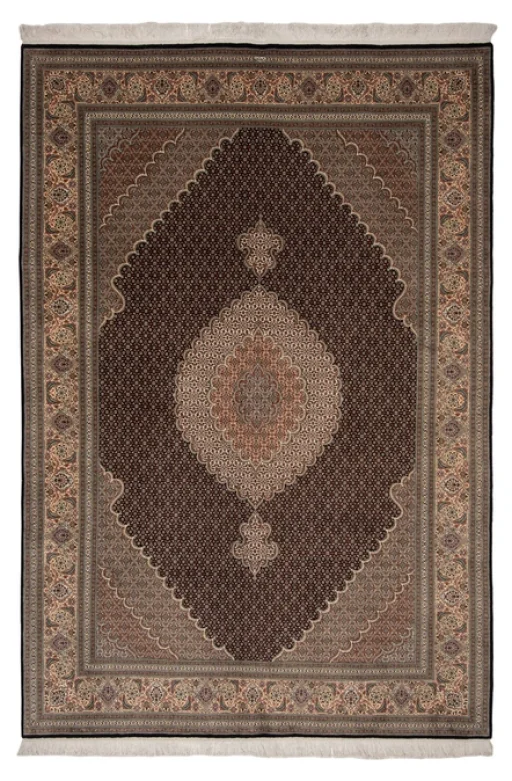
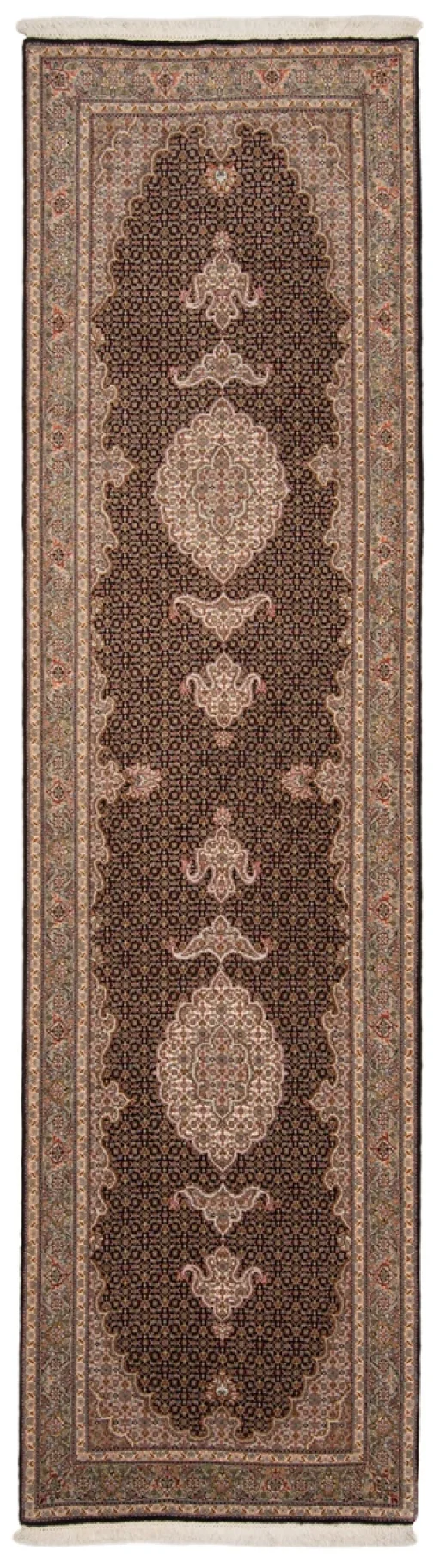
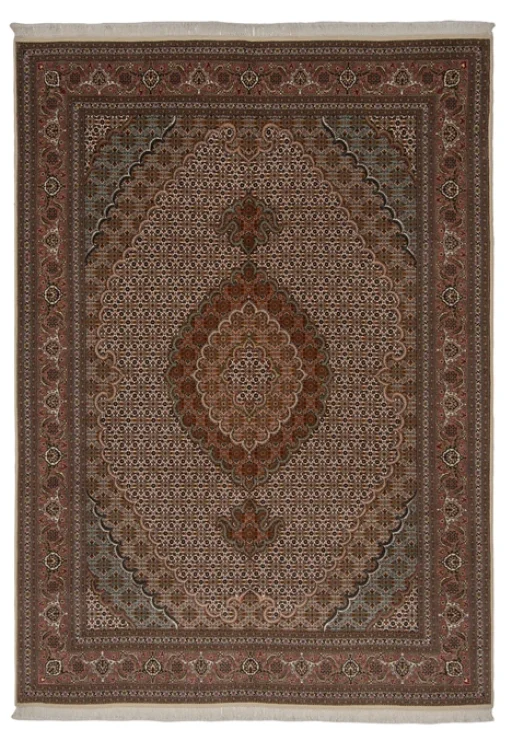
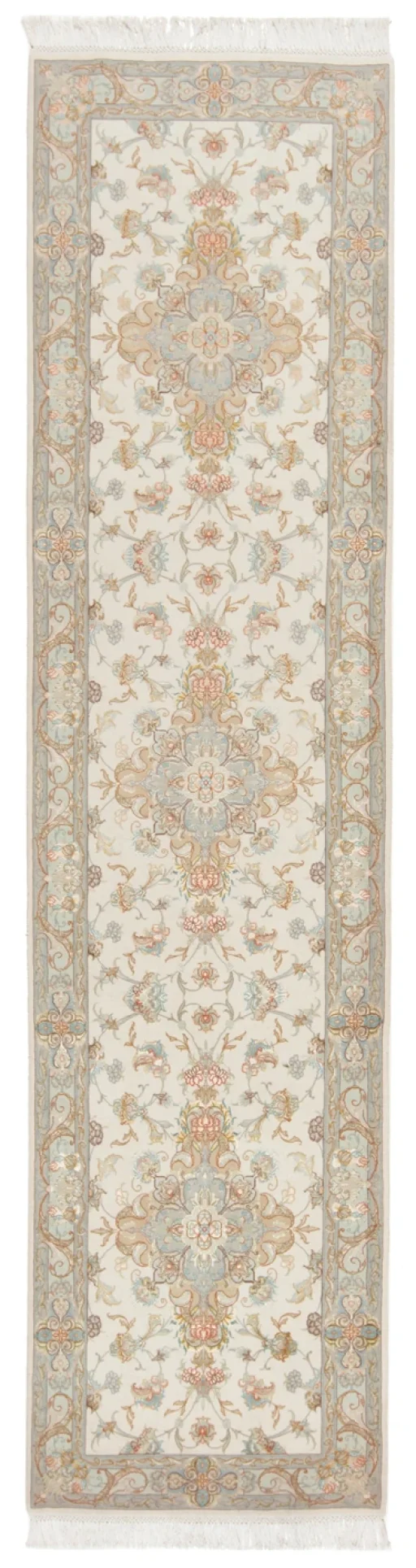
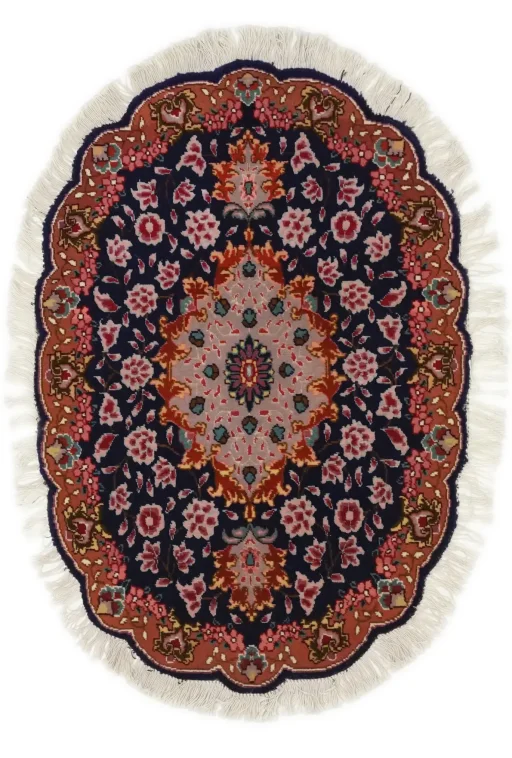
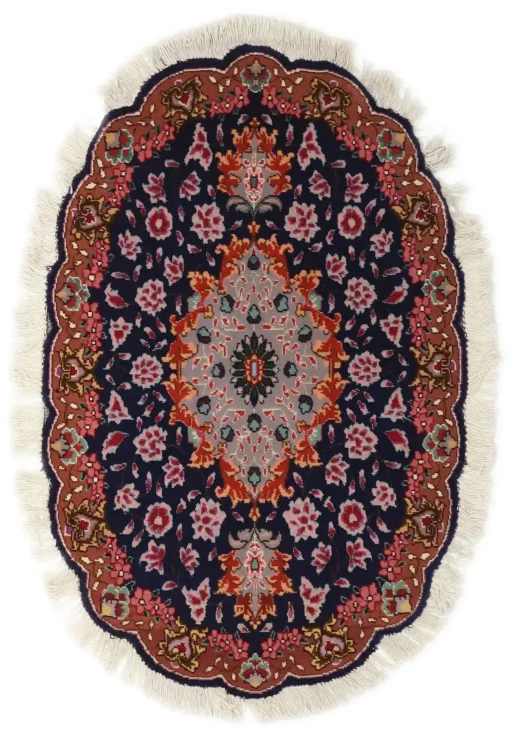
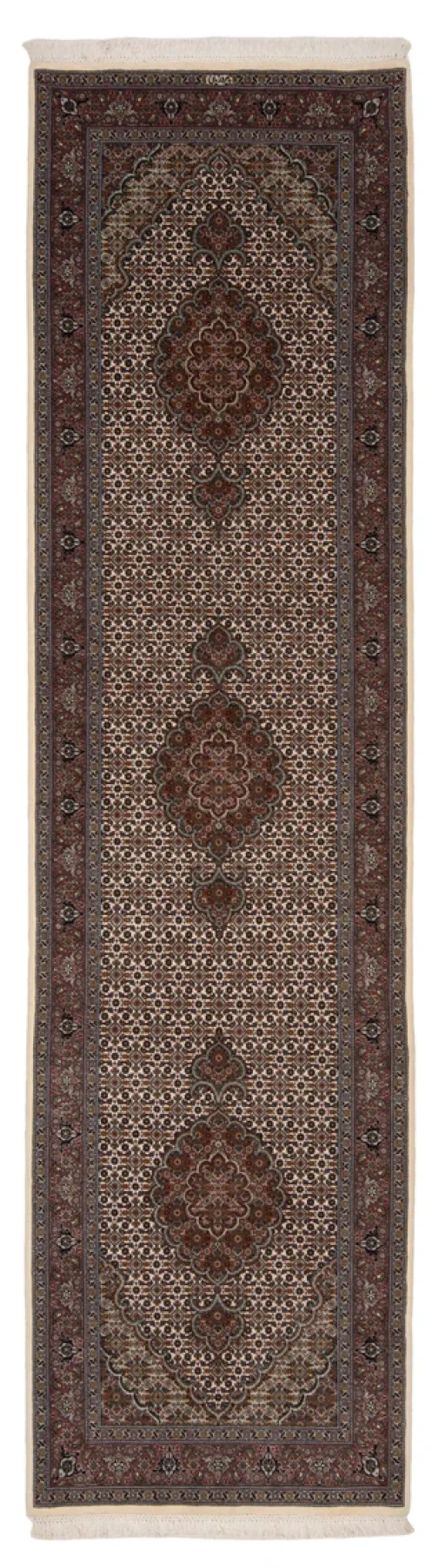
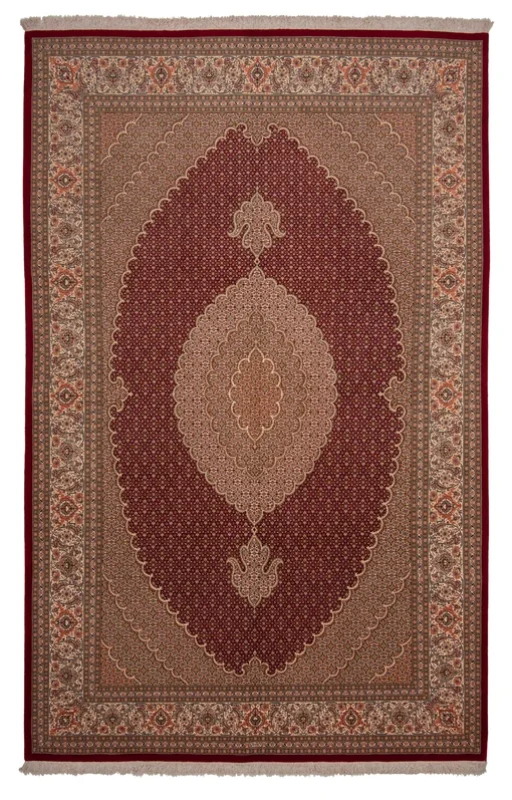
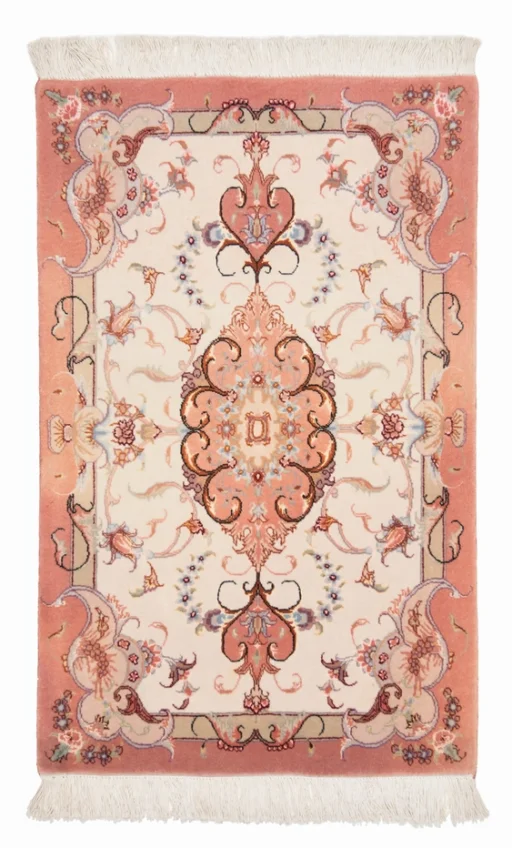
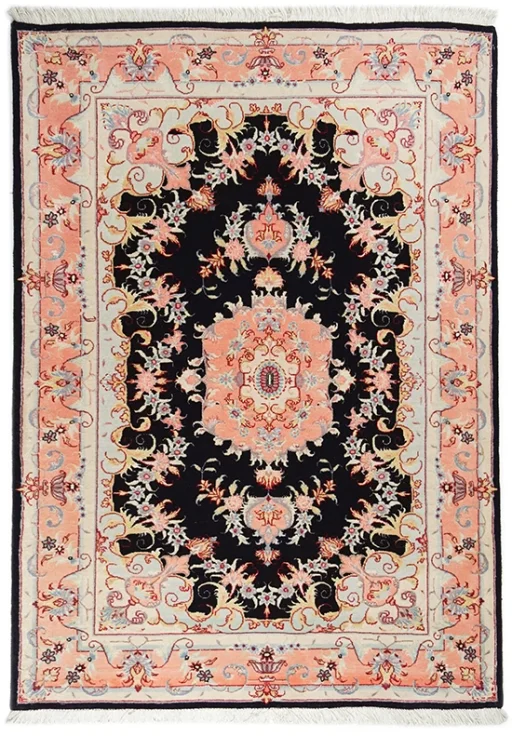
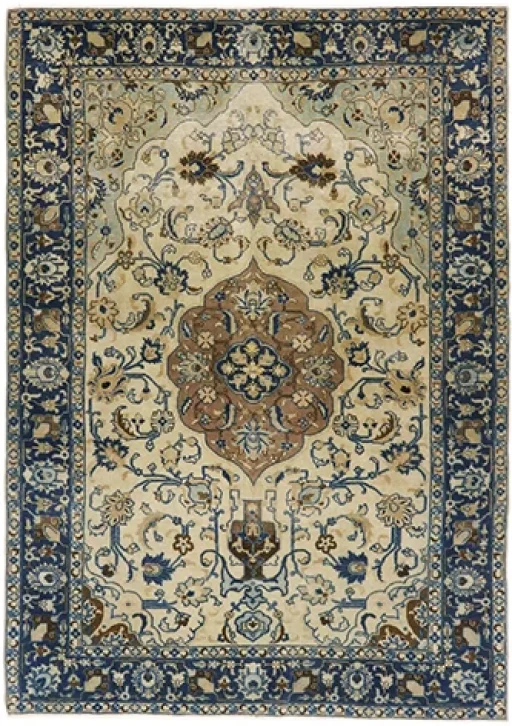
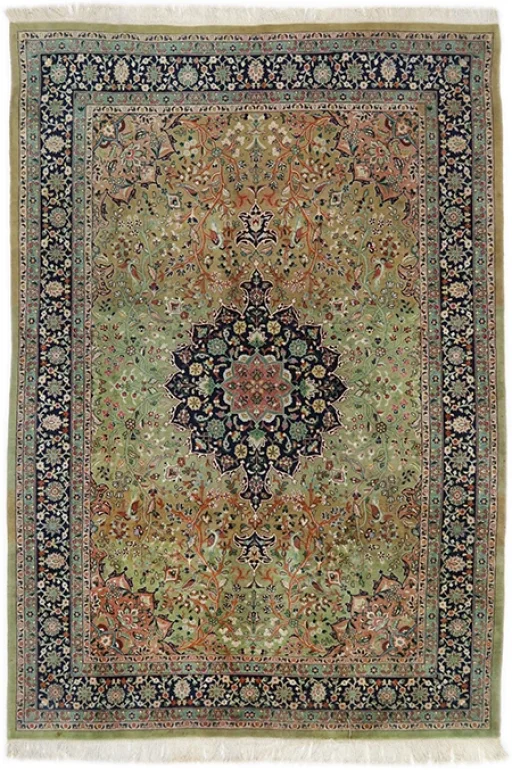
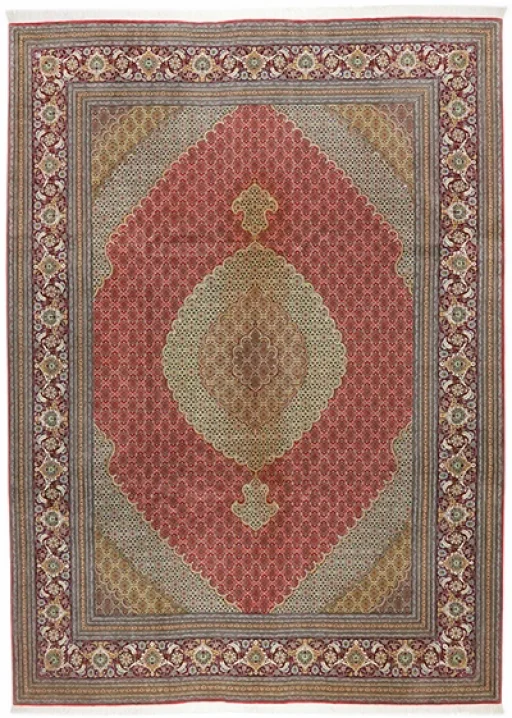
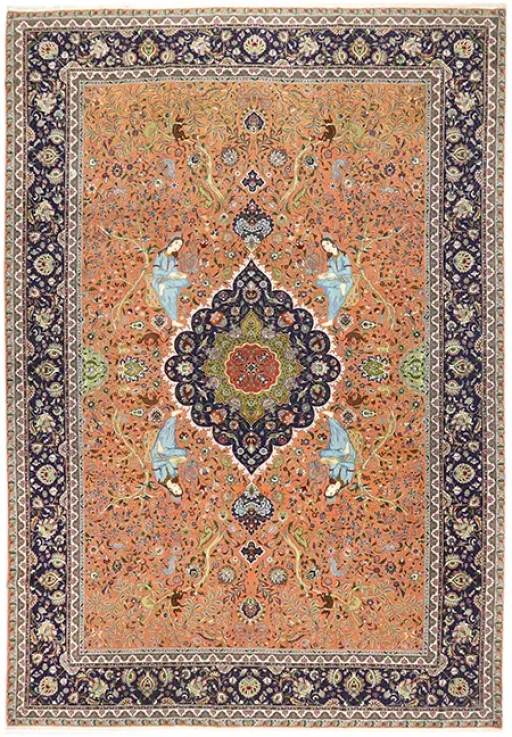
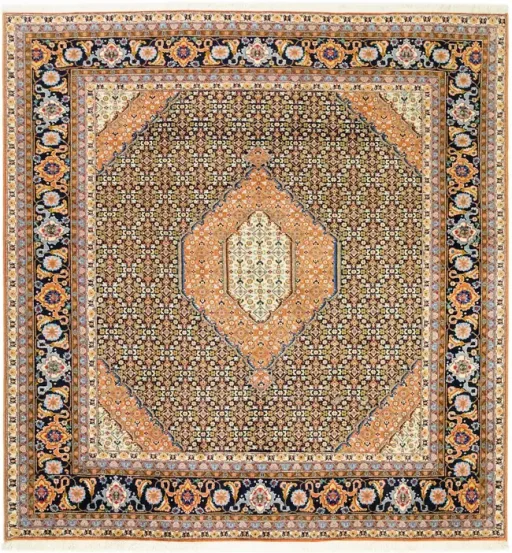
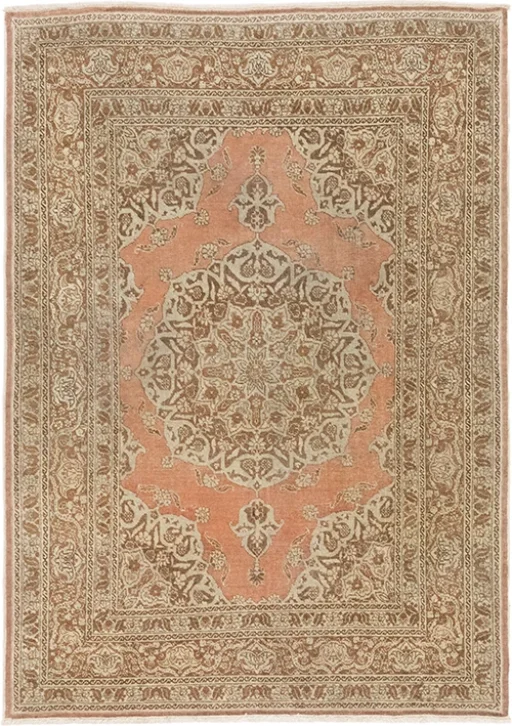
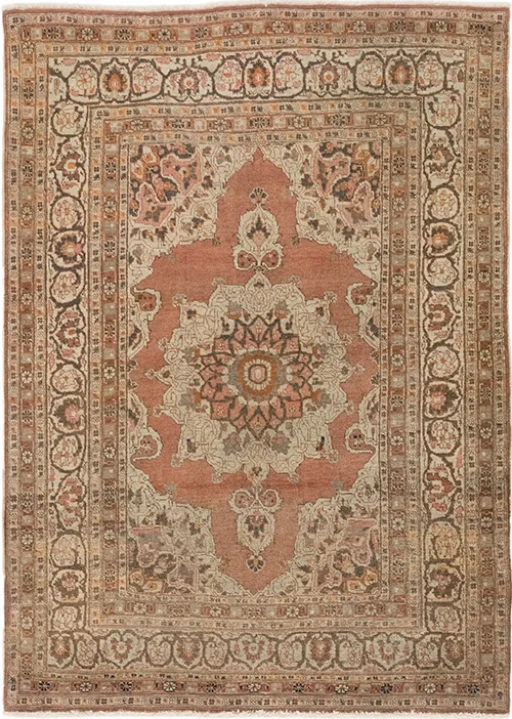
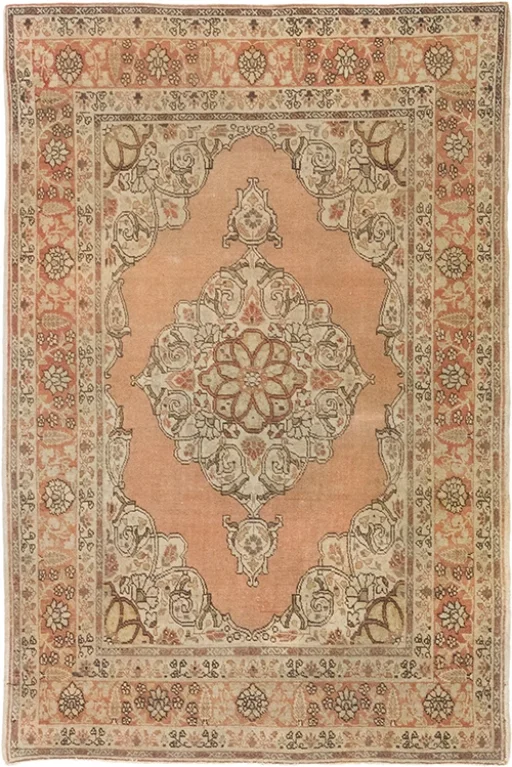
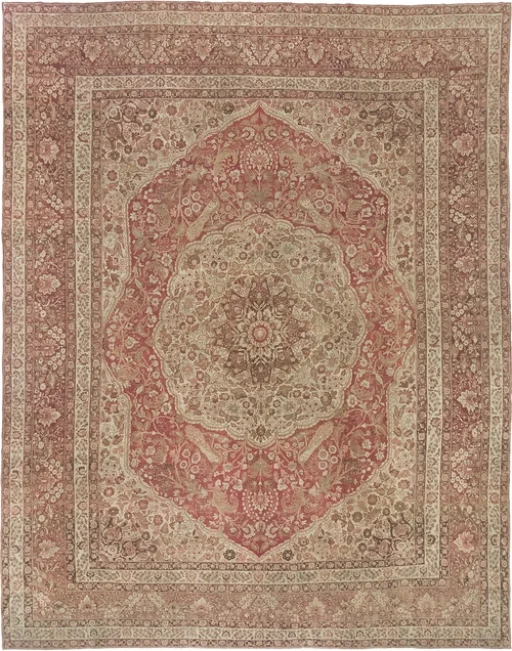
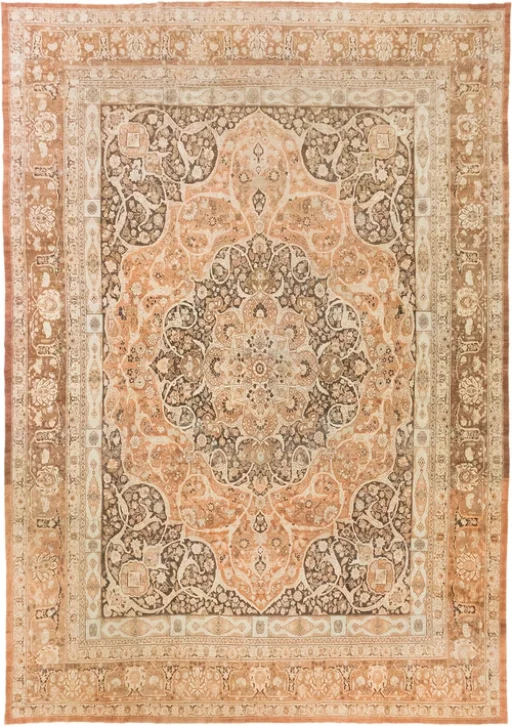
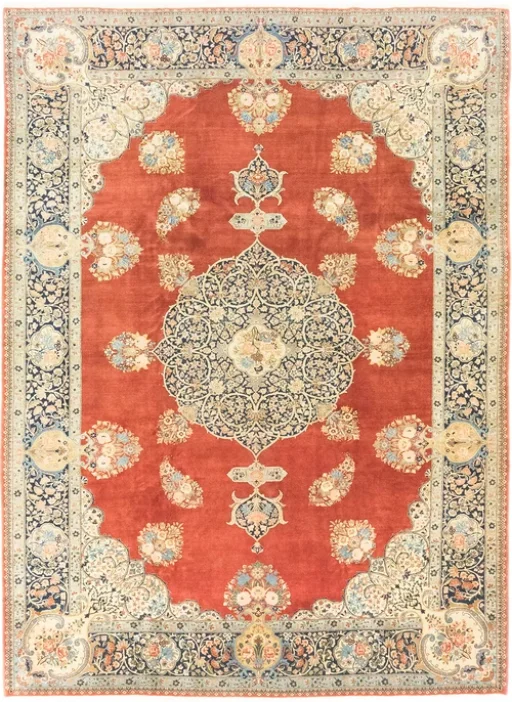
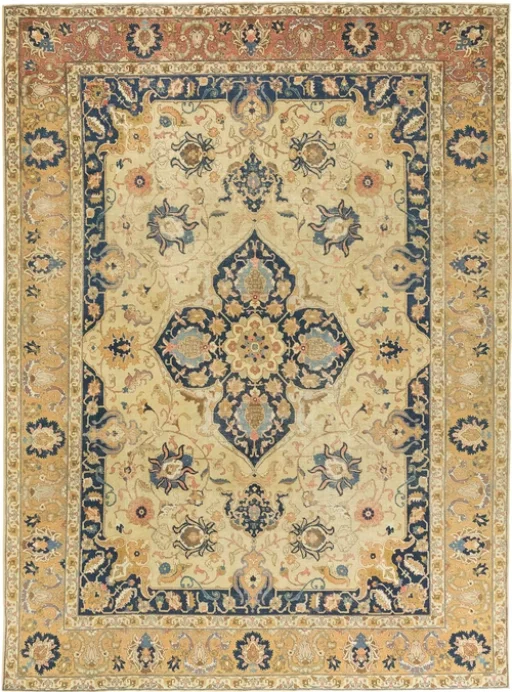
classic medallion rugs with floral arabesques
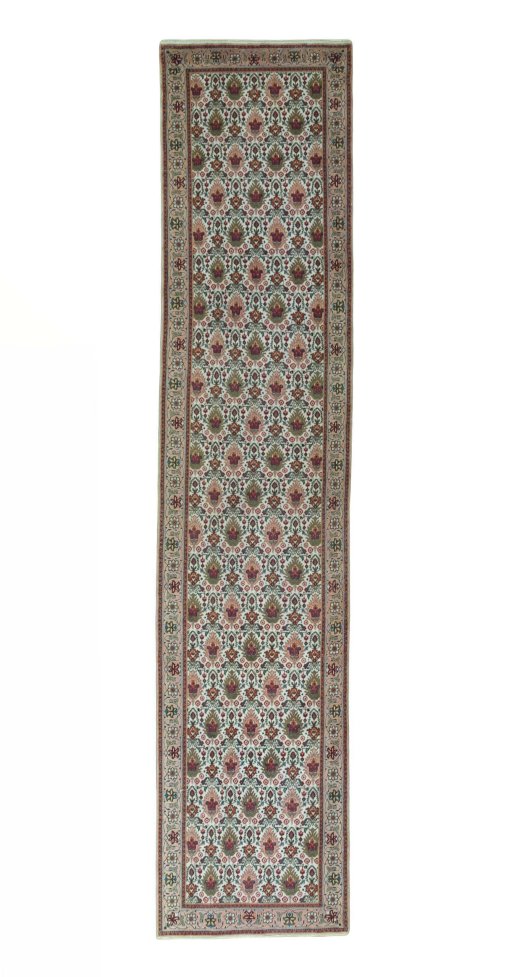
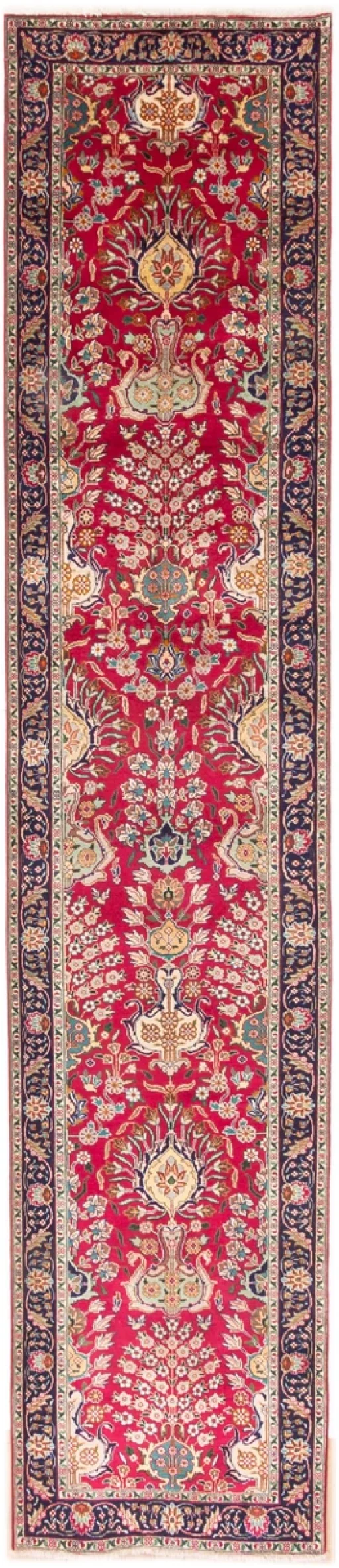
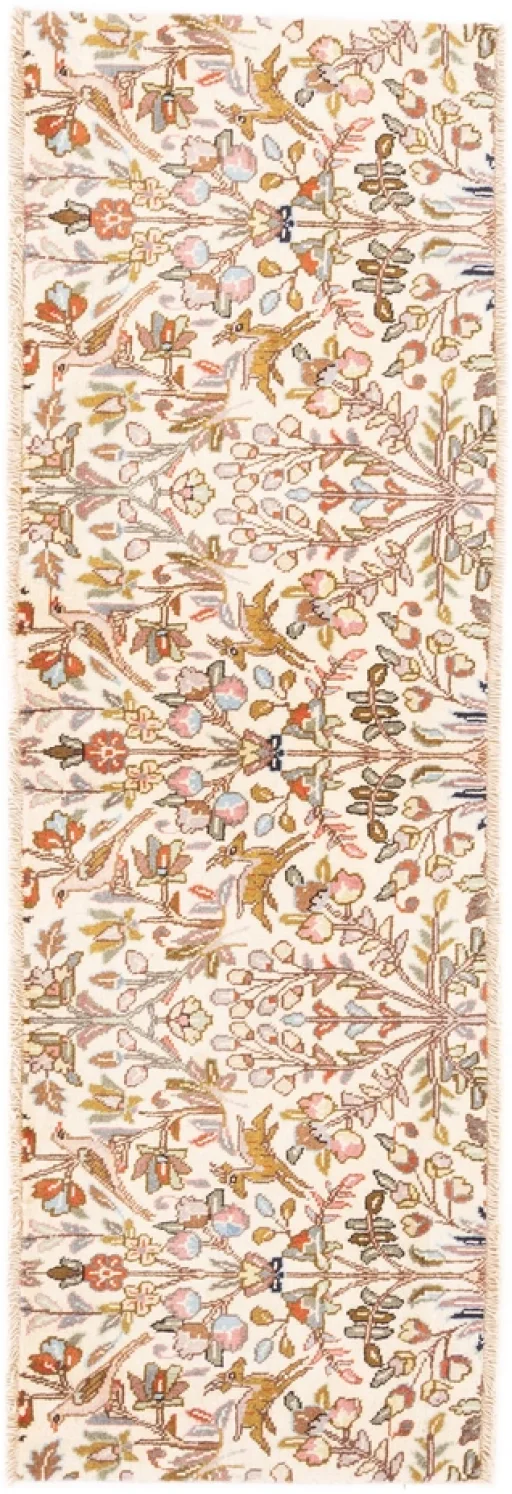
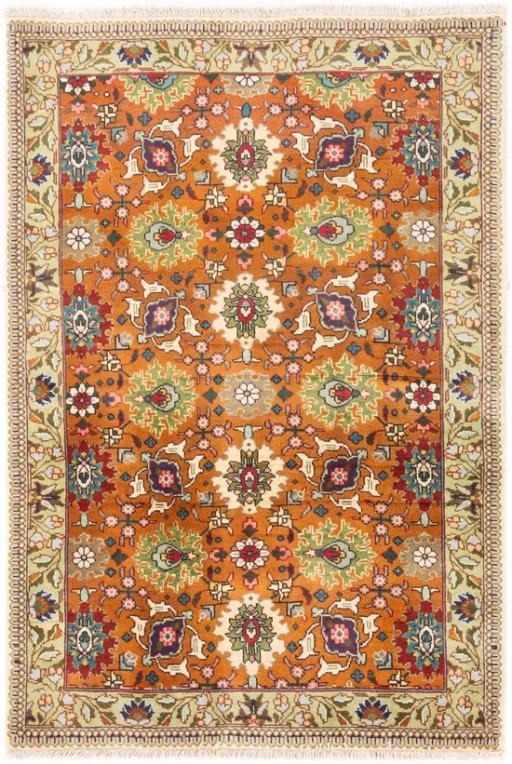
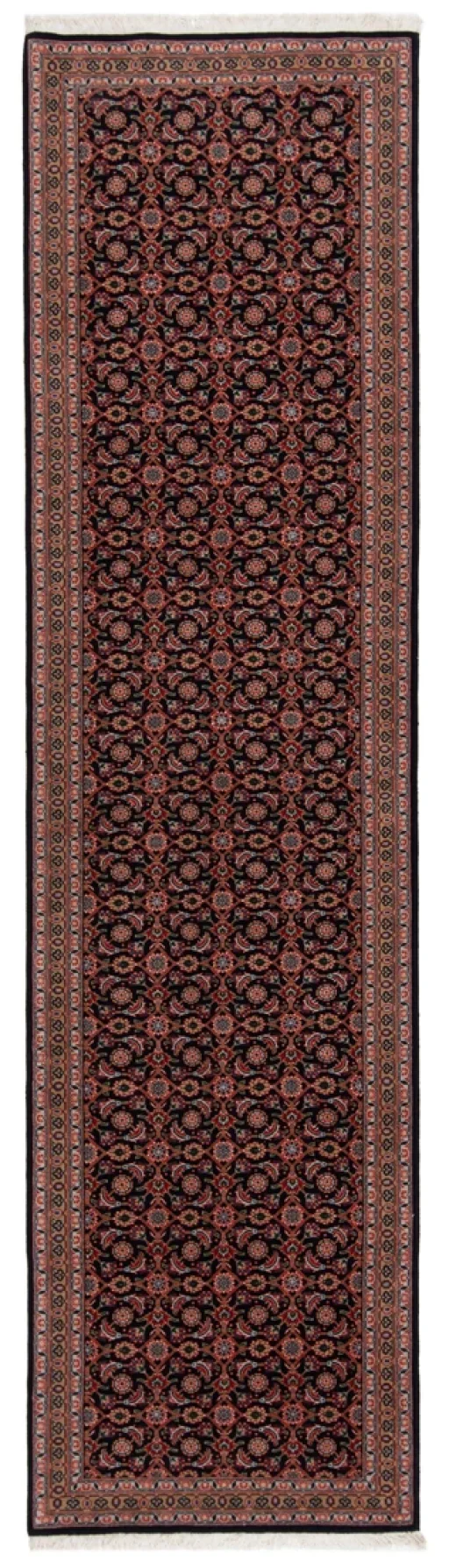
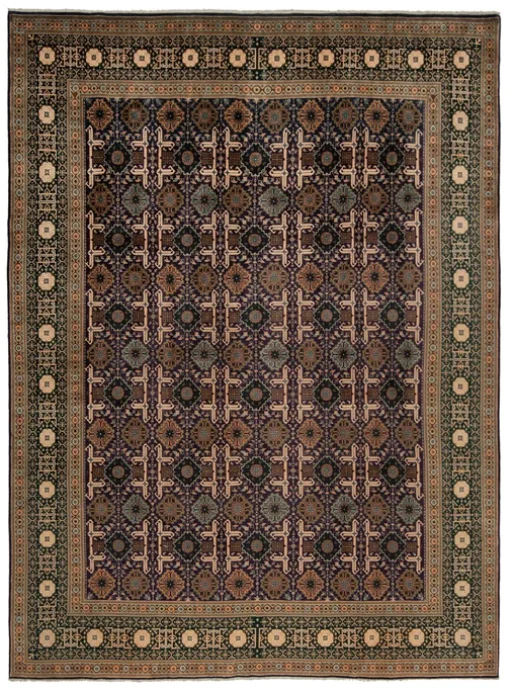
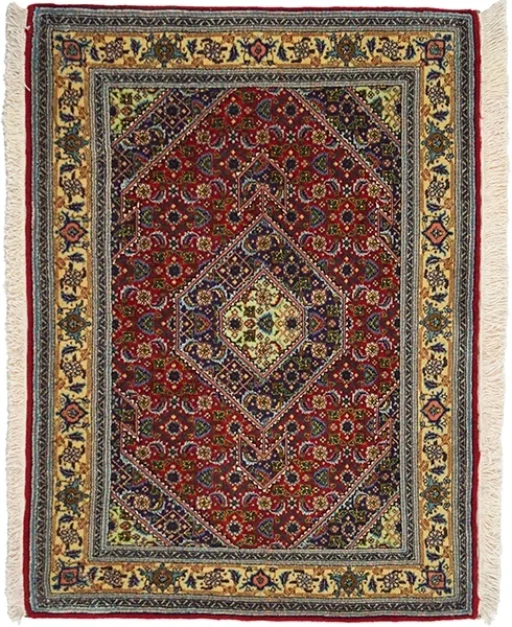
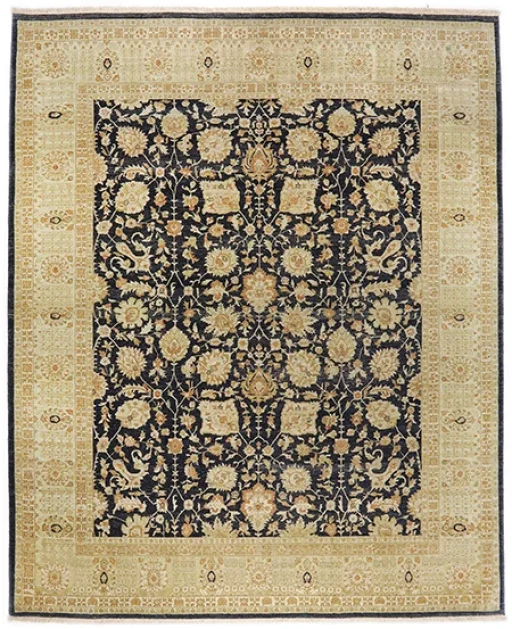
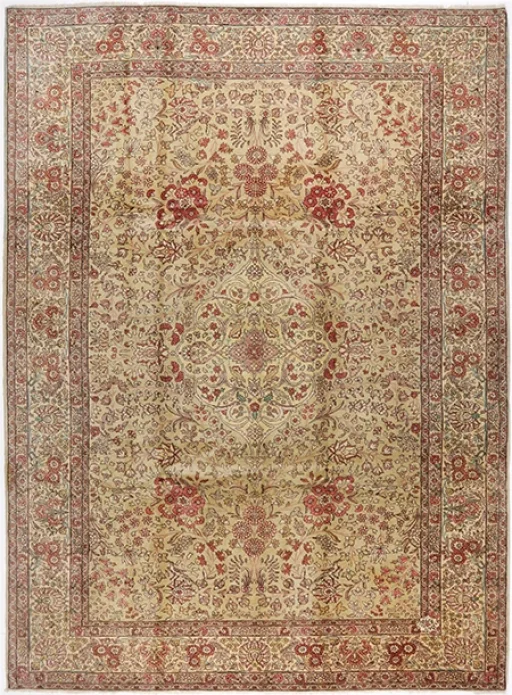
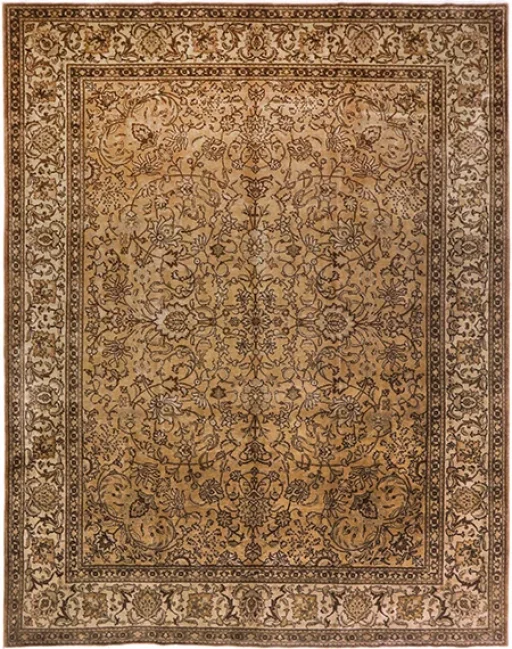
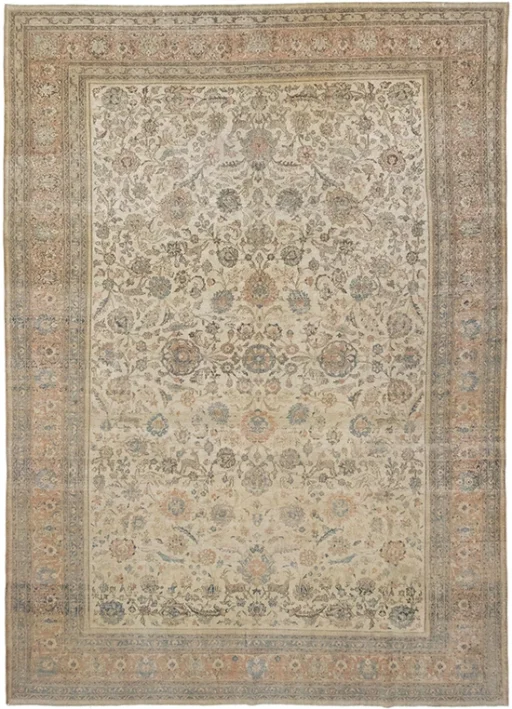
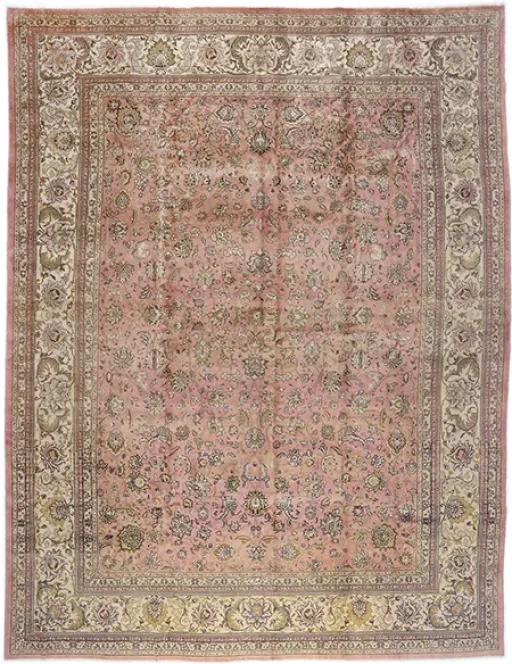
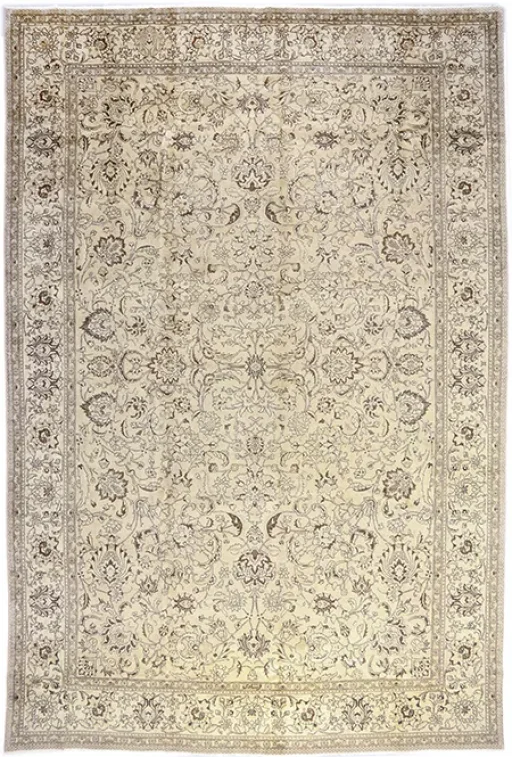
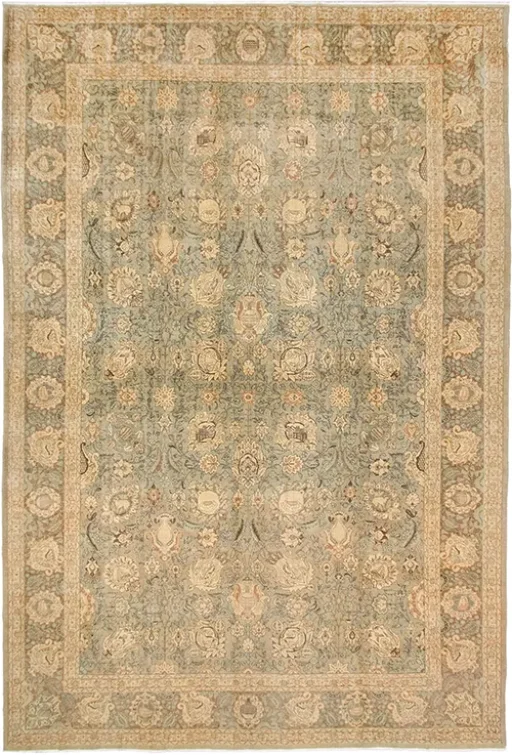
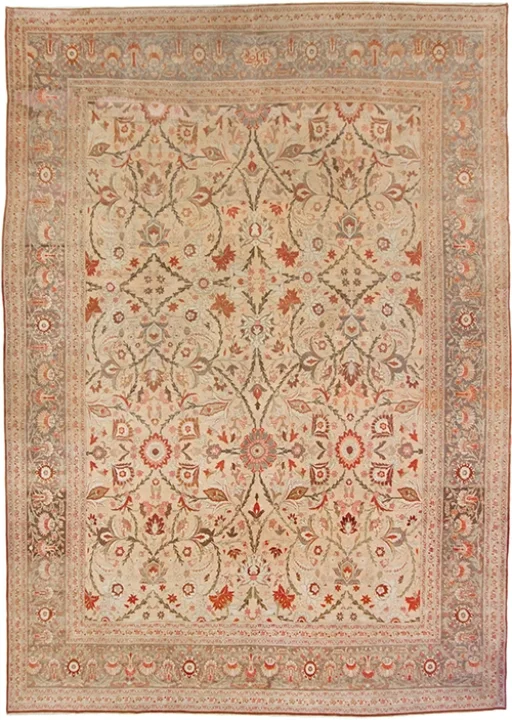
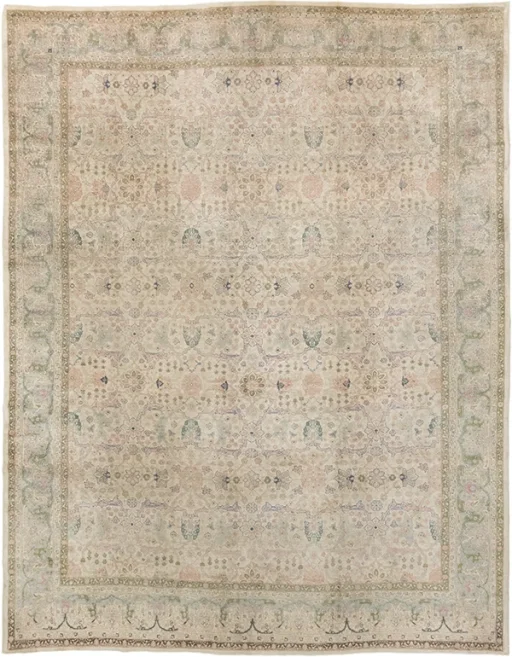
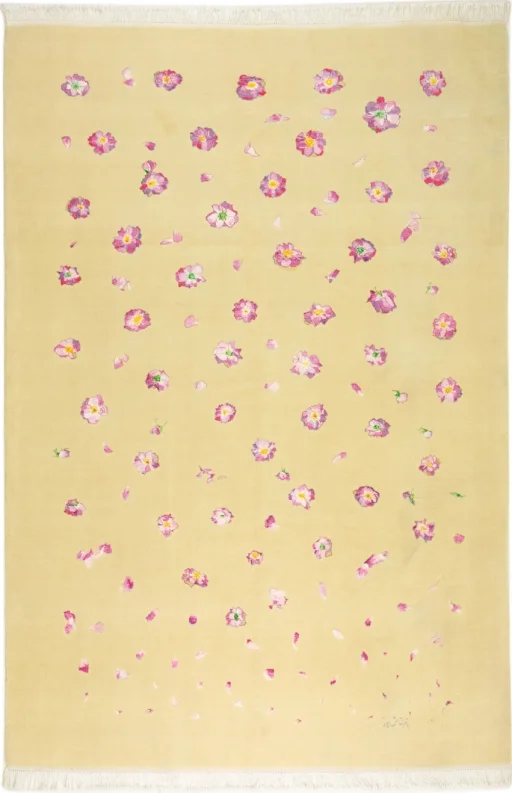
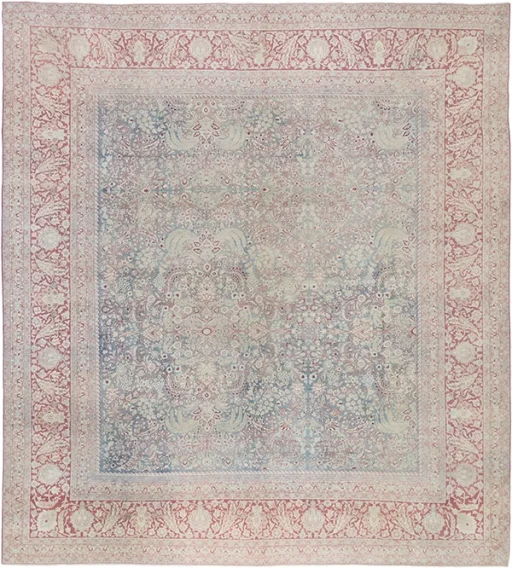
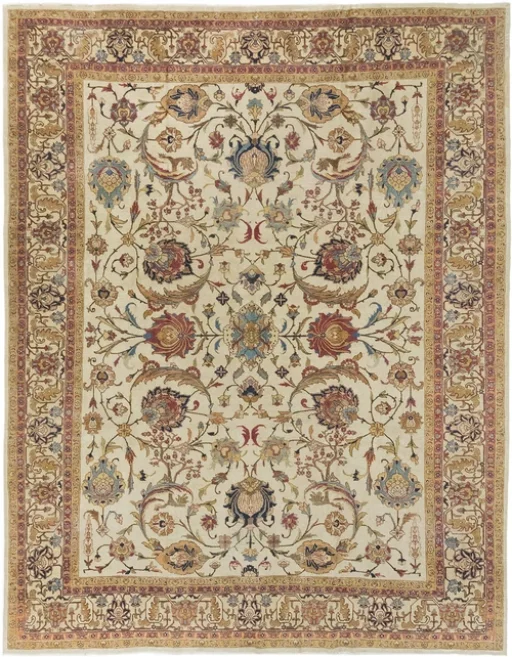
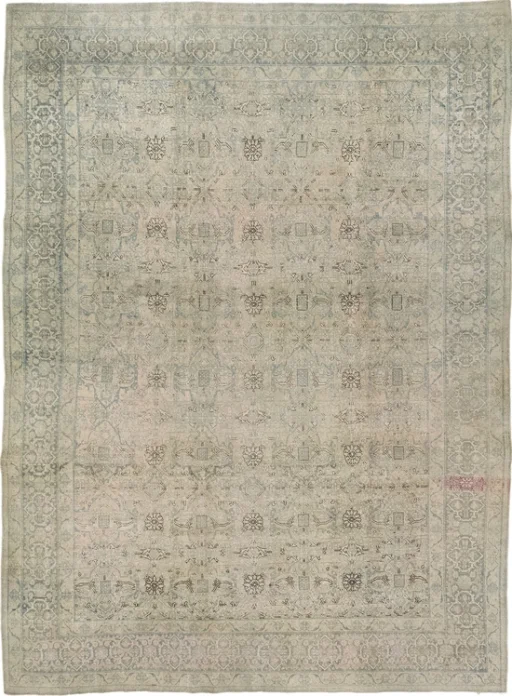
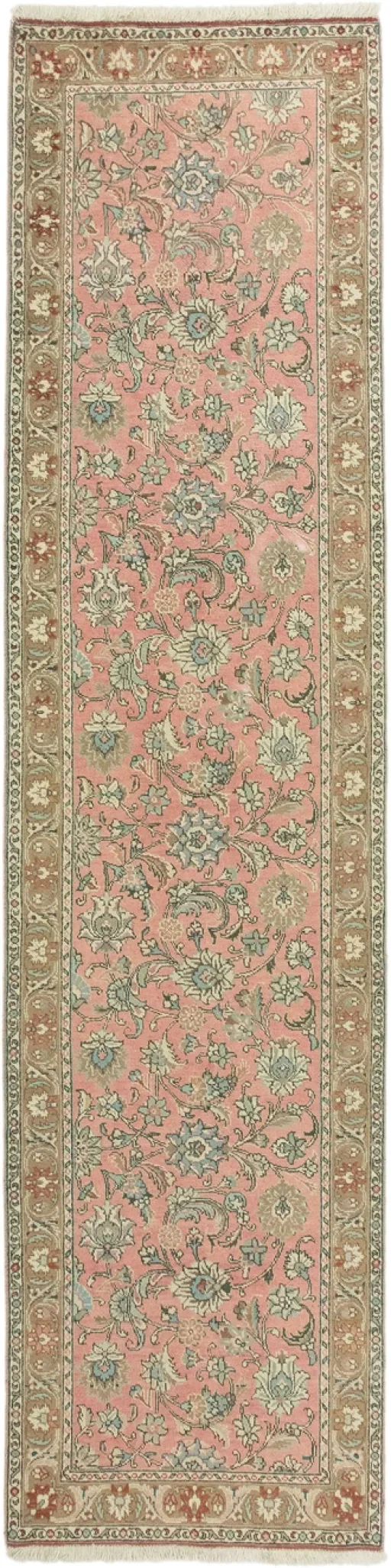
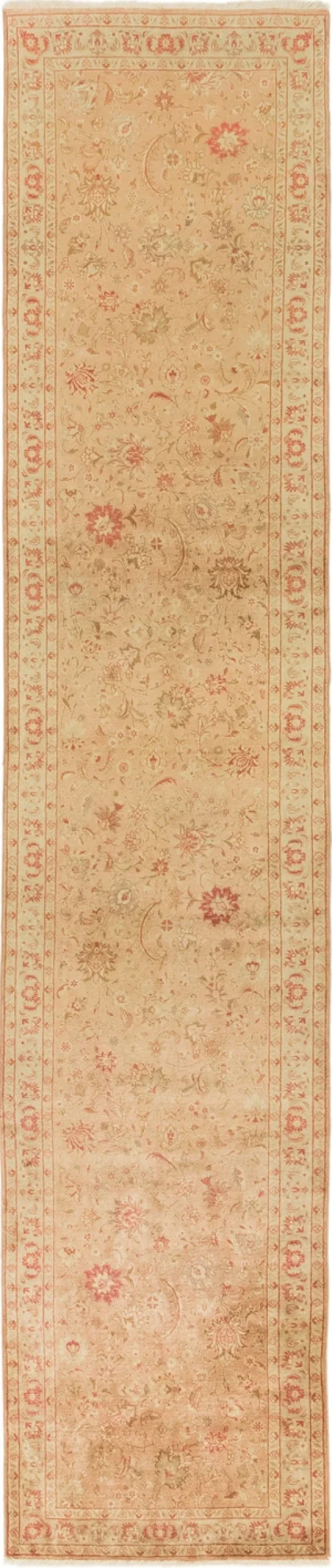
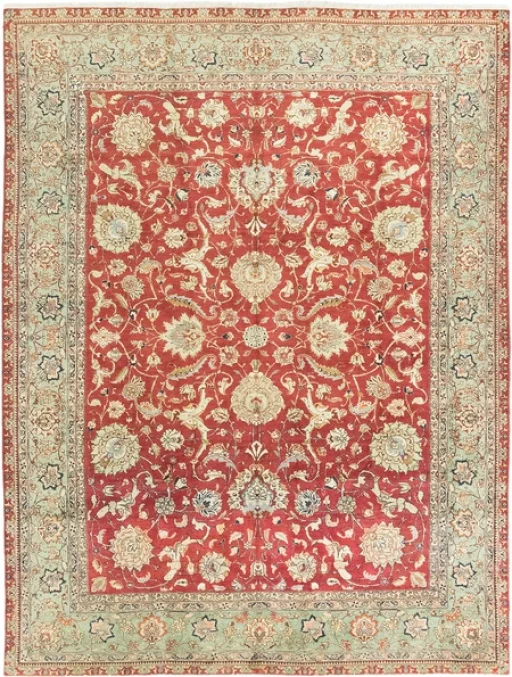
all-over patterns with repeating floral or geometric motifs
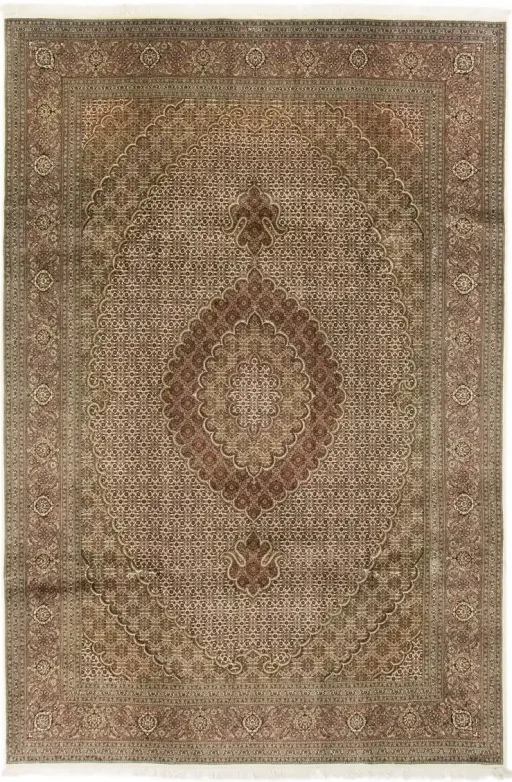
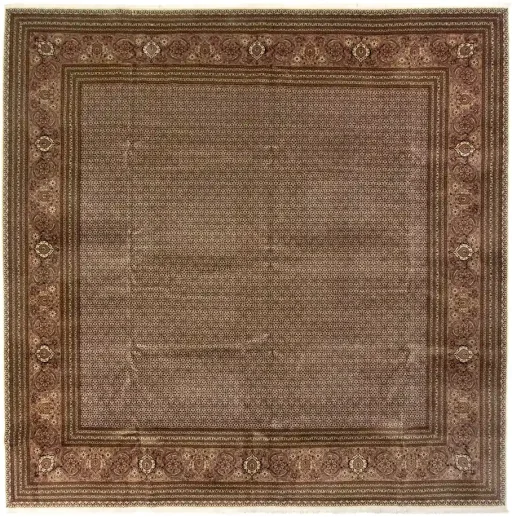
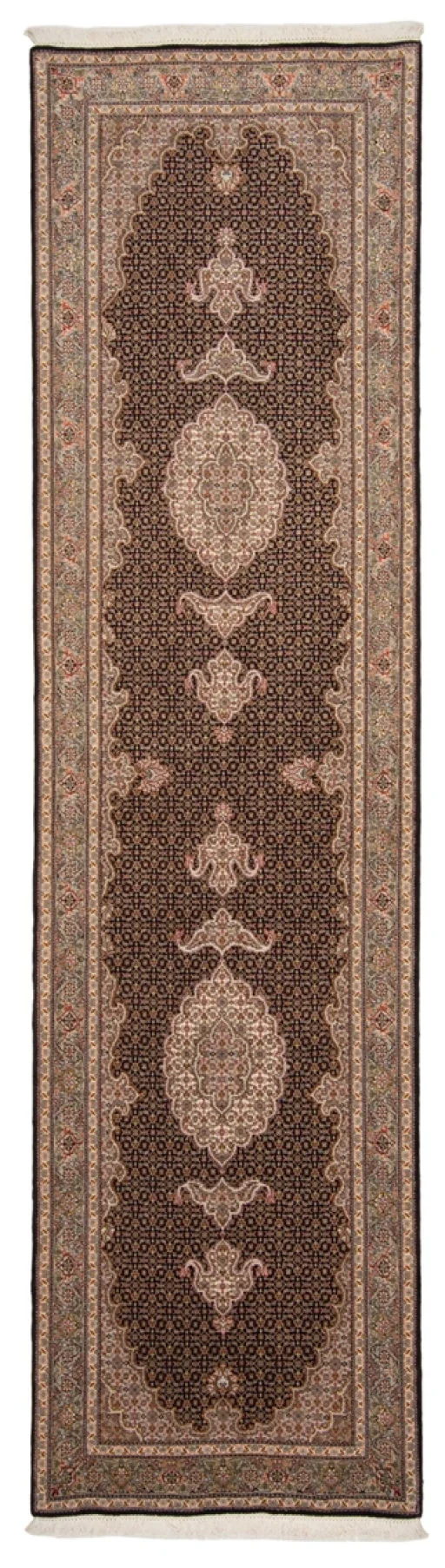
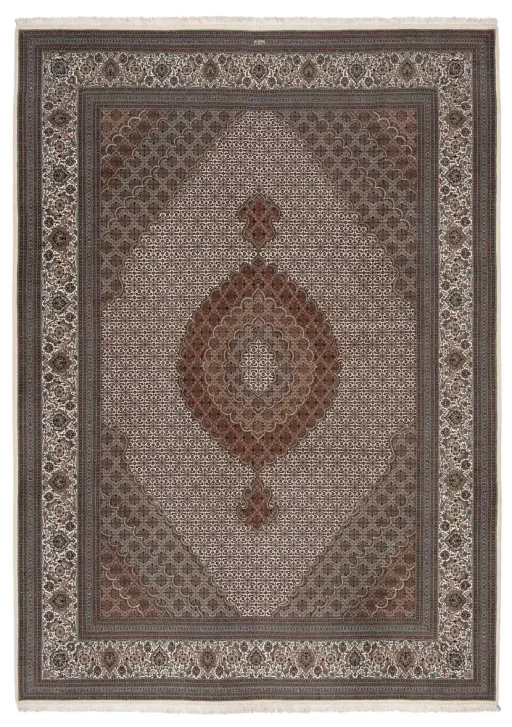
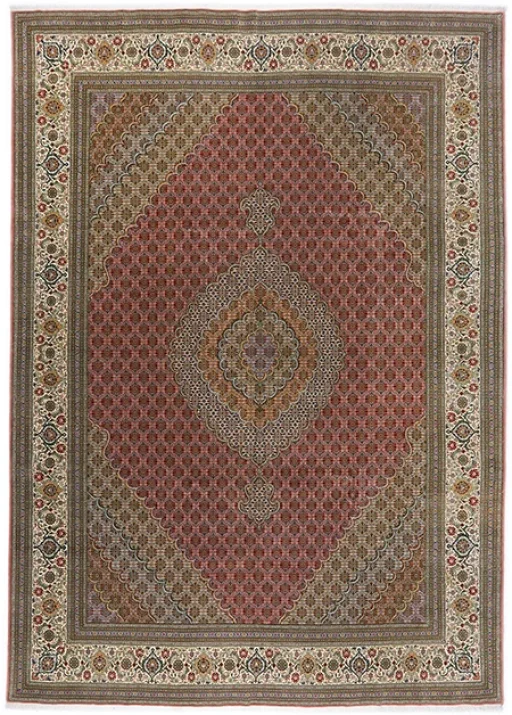
the well-known Mahi pattern (fish pattern)
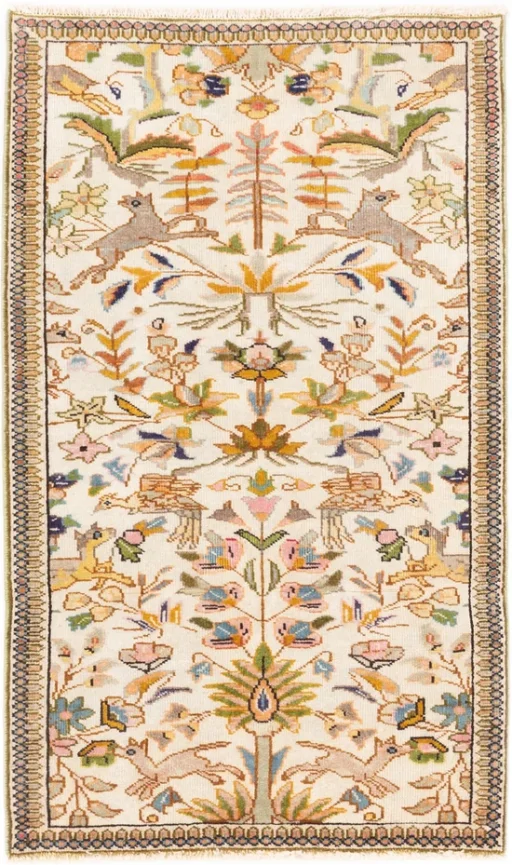
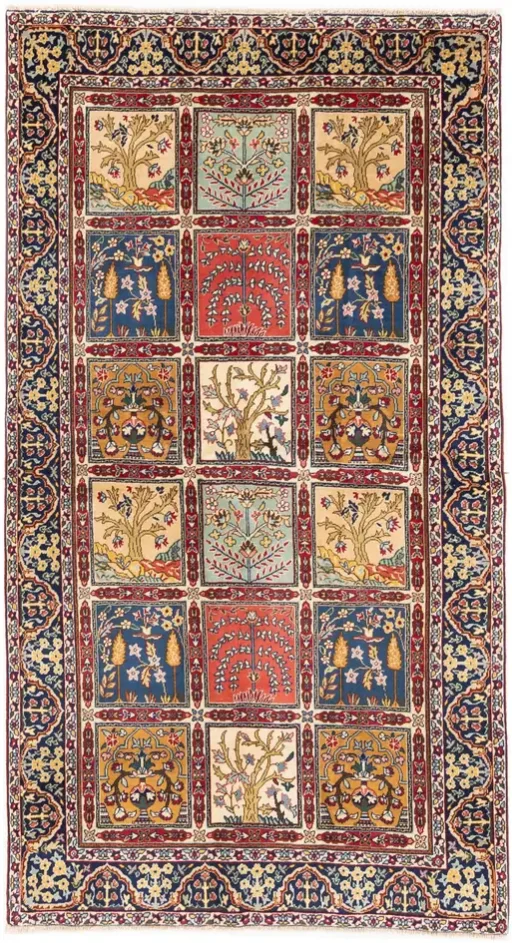
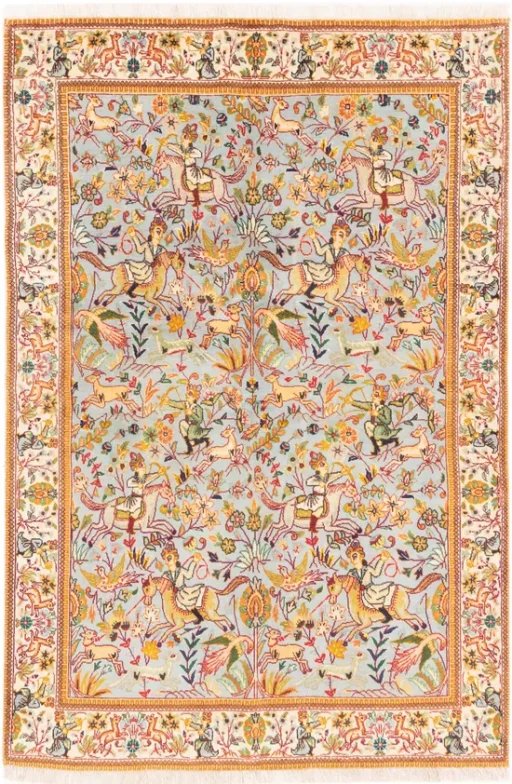
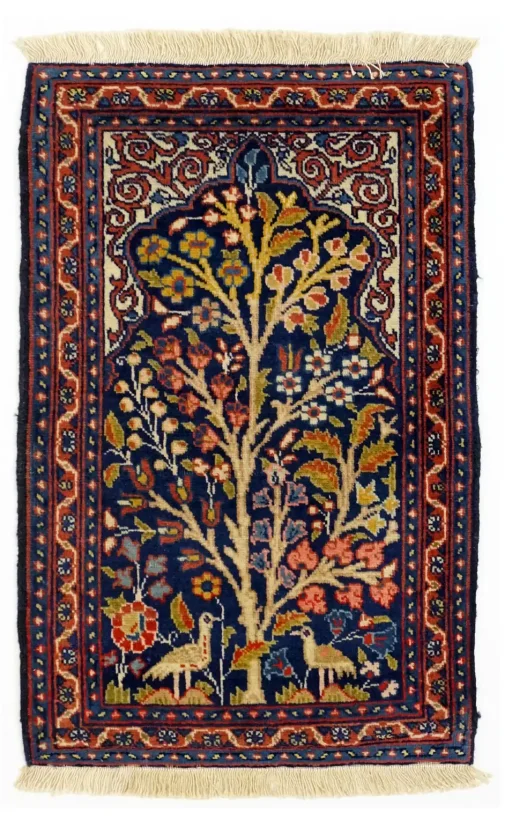
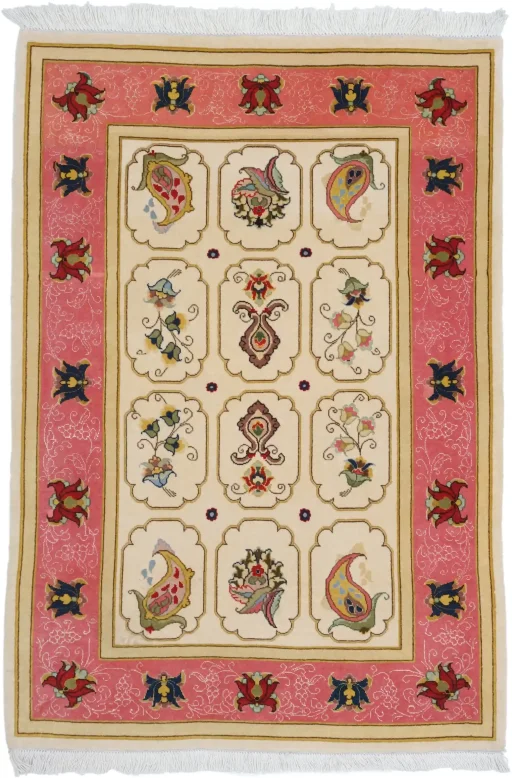
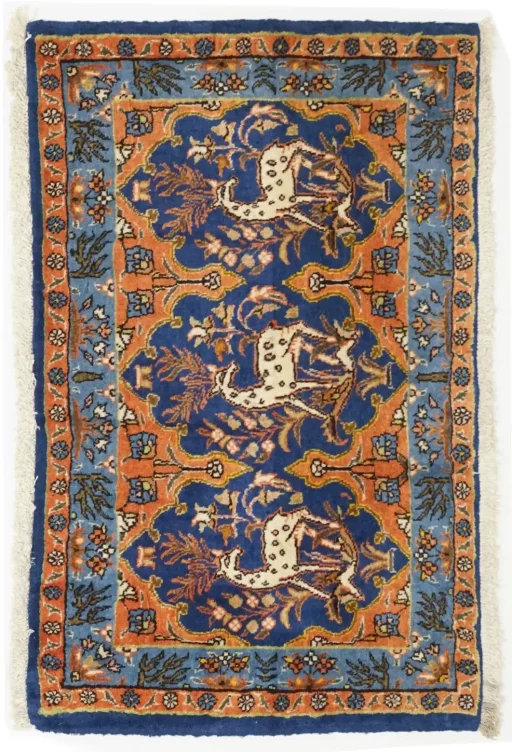
garden, hunting, and prayer rugs
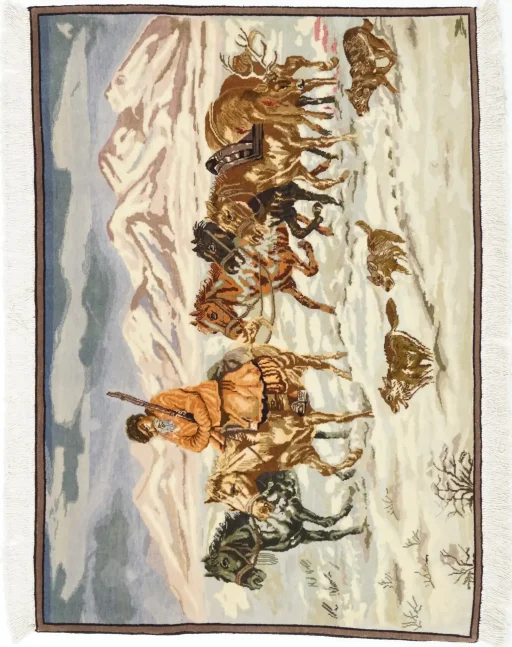
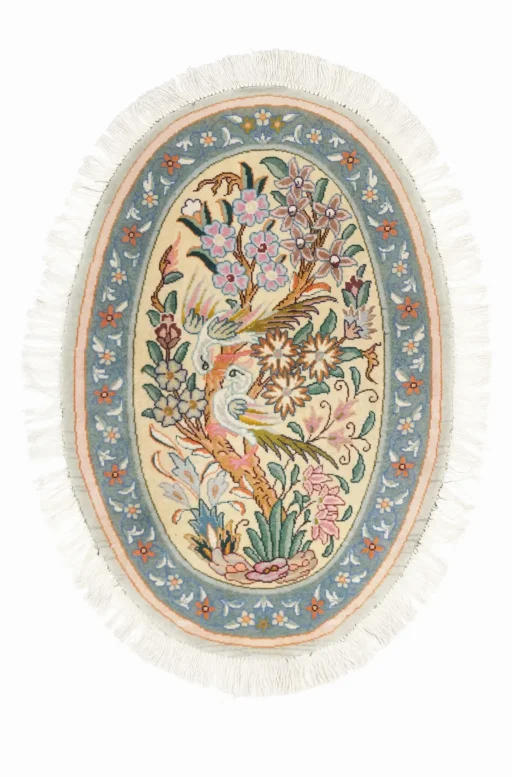
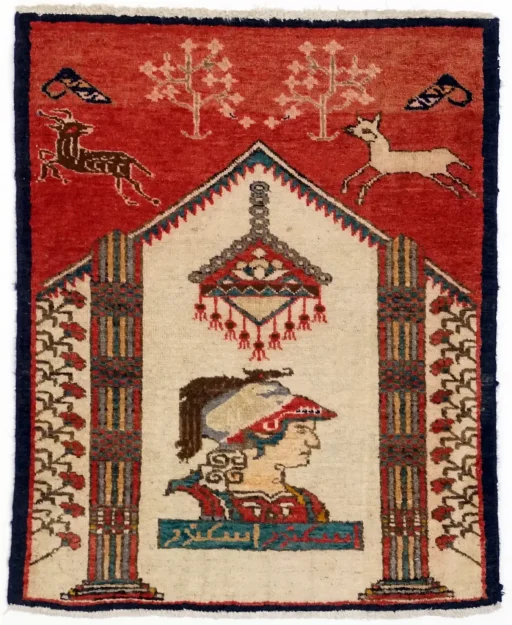
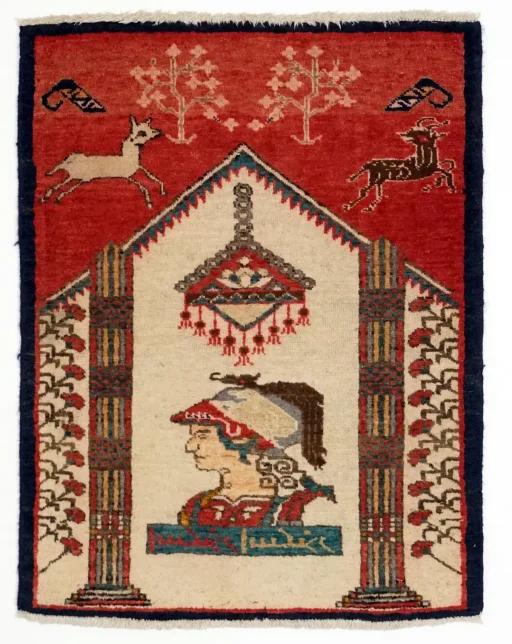
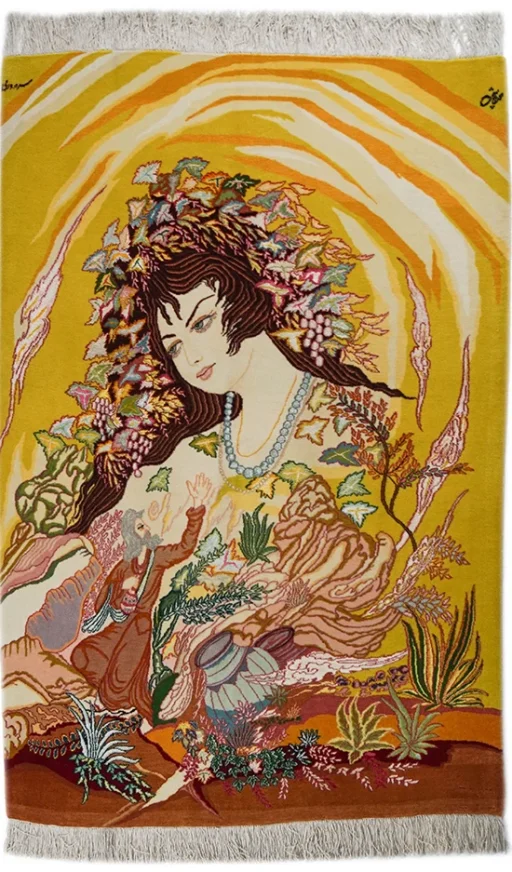
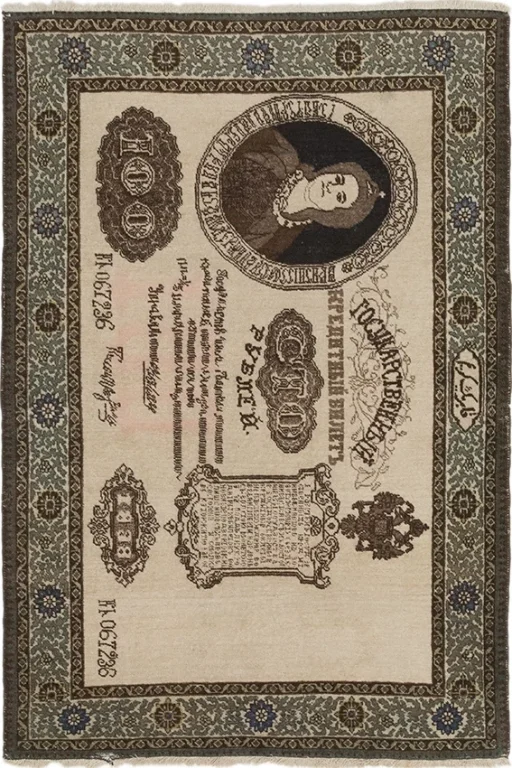
pictorial rugs depicting historical, literary, or religious scenes
Pictorial rugs in particular require extensive planning and experience, as knot density, color harmony, and level of detail must be precisely coordinated.
04
Colors and Spatial Effect
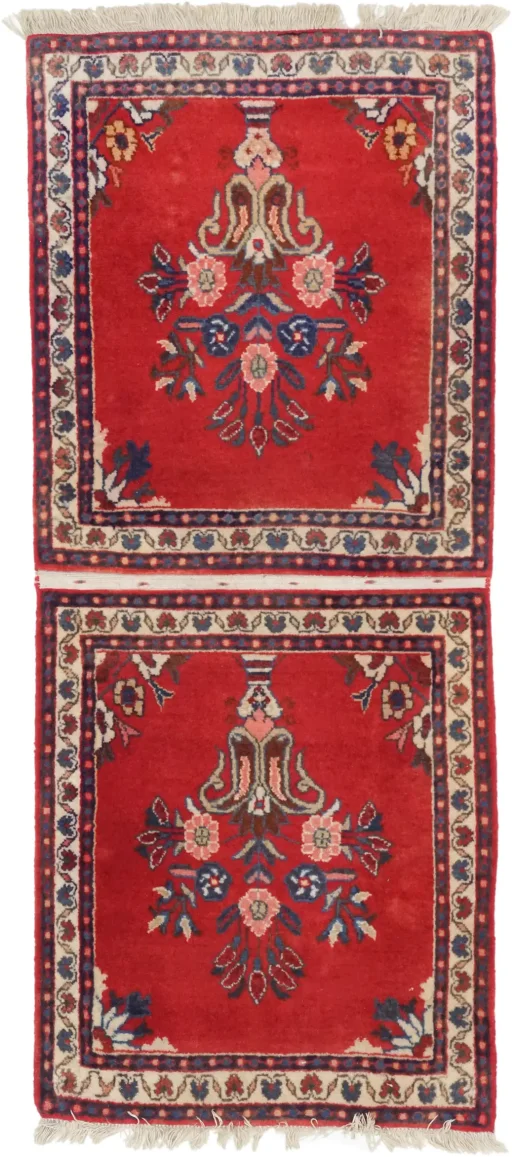
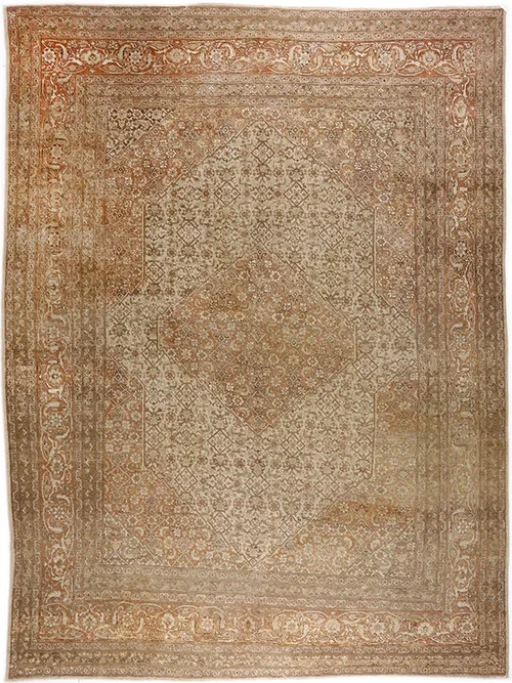
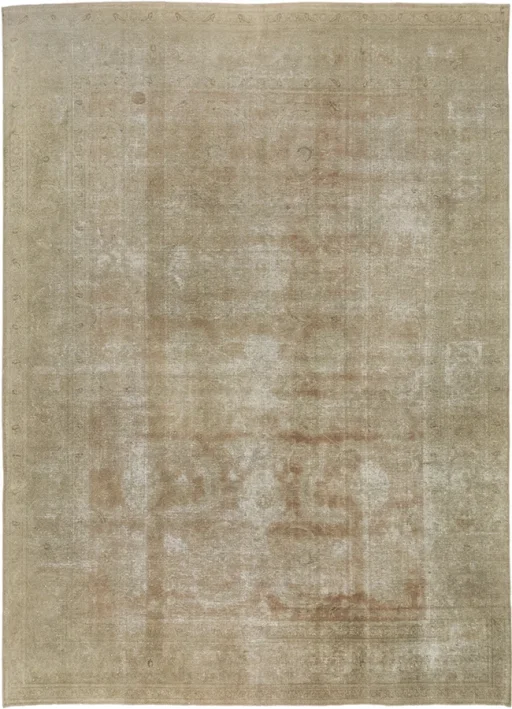
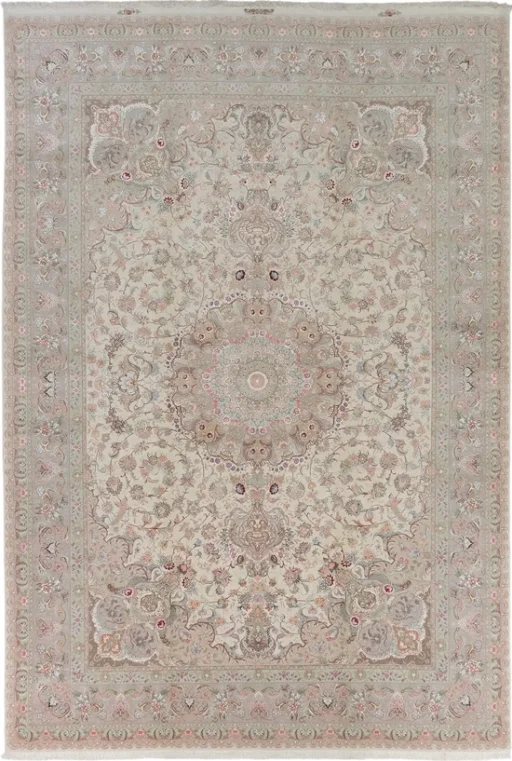
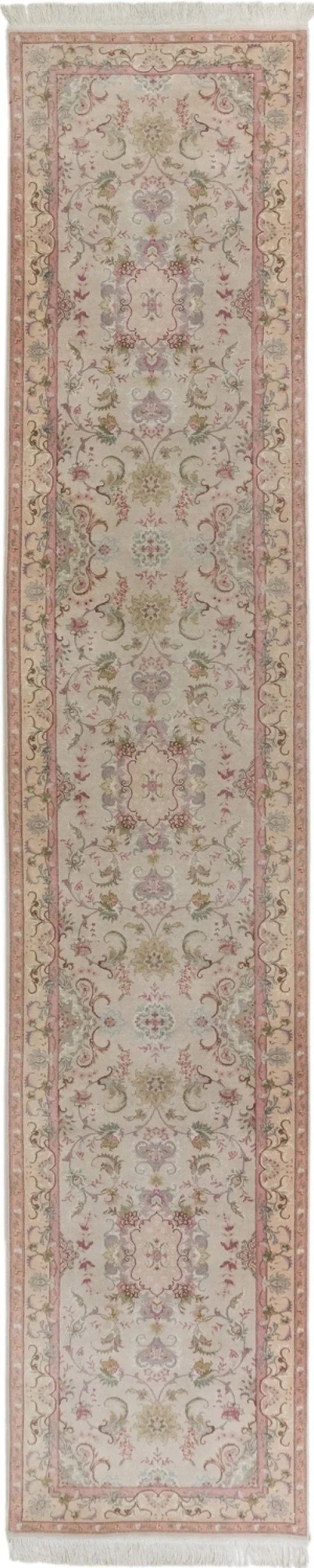
The color palette of Tabriz rugs ranges from deep blues, reds, and greens to rust and burgundy tones. Rarer, very light color variations in beige, rose, or light grey are considered especially valuable. Natural vegetable and mineral dyes are often used, ensuring lasting color brilliance and excellent aging properties. Thanks to their clear structure, Tabriz rugs integrate well into both classic and contemporary interiors.
05
Value and Use
Due to their high knot density, careful material selection, and precise craftsmanship, Tabriz rugs are considered durable and value-retaining. They are suitable for private living spaces as well as representative work environments. Well-preserved pieces are often appreciated and used across generations.
06
What to Consider When Choosing a Tabriz Rug
When selecting a Tabriz rug, several factors should be taken into account. In addition to size and design, the Raj value is a key indicator of fineness and level of detail. Qualities between 40 and 50 Raj are well suited for everyday use, while higher Raj values allow for especially intricate patterns. The choice of materials is equally important: pure wool rugs are robust and easy to maintain, while wool-silk or silk rugs offer finer drawing and a subtle sheen. Color selection should also be adapted to the room’s size, lighting conditions, and intended use.
07
Why Choose Tabriz Rugs from Rugbloom?
Rugbloom stands for a carefully curated selection of hand-knotted Persian and Oriental rugs. Each Tabriz rug is chosen according to strict quality criteria, with a focus on authentic provenance, high-quality materials, and precise craftsmanship. Rather than offering mass-produced items, Rugbloom presents selected individual pieces distinguished by timeless design and verified quality.