
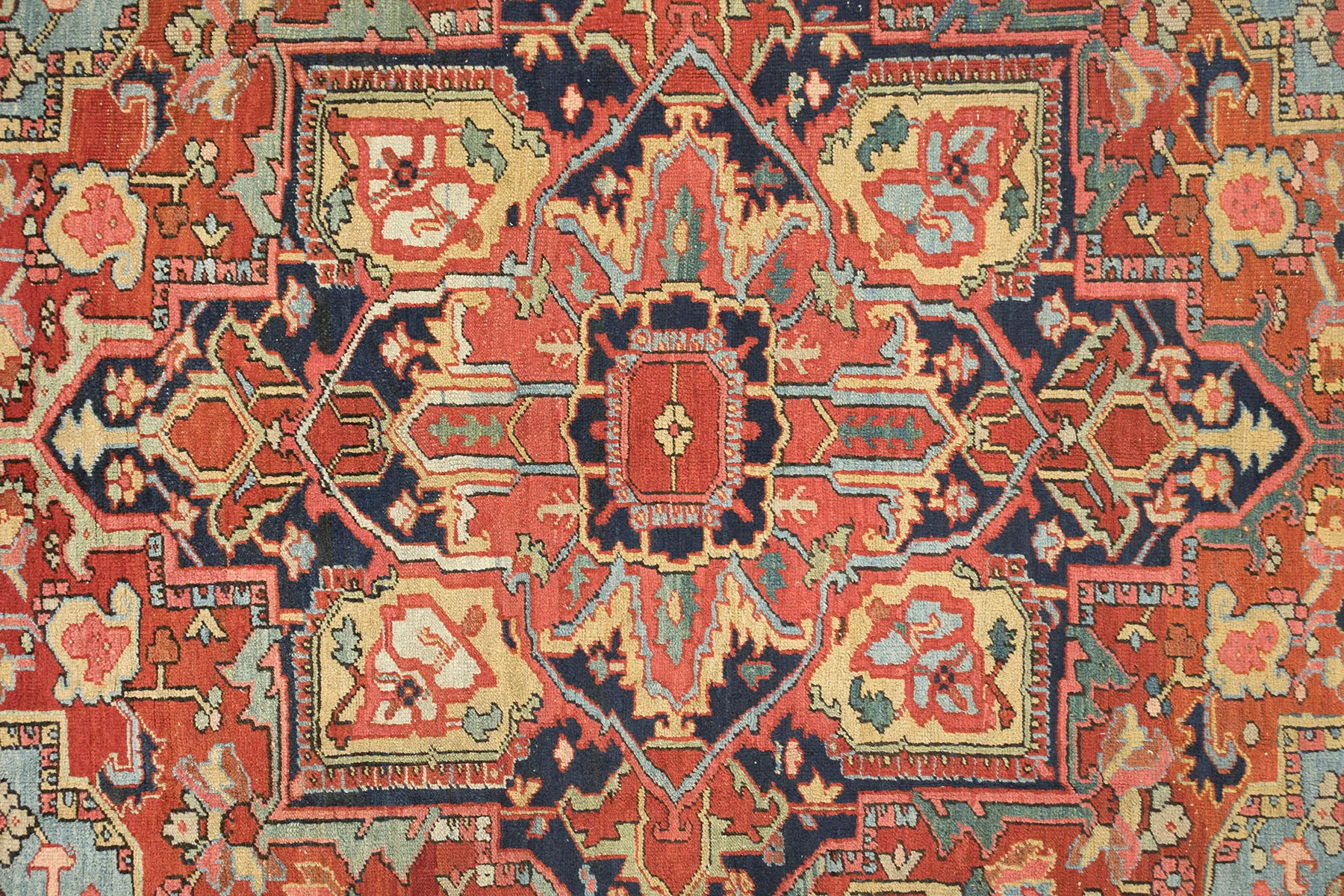
Legacy Of Timeless Beauty
Persian carpet weaving is a centuries-old tradition, showcasing exceptional skill and cultural heritage through intricate designs and craftsmanship, passed down through generations to preserve its legacy.
The Rich Heritage Of Iranian Carpets
Persian carpet weaving began over 2,500 years ago, deeply rooted in ancient Persia's cultural and artistic traditions. It flourished during the Safavid dynasty (16th-18th centuries), a golden era known for intricate designs and rich colors. The craft adapted to various influences while keeping its unique identity, with key developments like natural dyes and weaving centers in Tabriz, Kashan, and Isfahan shaping its evolution.
Circa 500 BCE
Early Beginnings
Persian carpet weaving began during the Achaemenid era, known for luxury and status.
Sasanian Era
Advanced weaving with masterpieces like the Baharestan Carpet.
224-651 CE
11th-13th Centuries
Seljuk Period
Introduction of geometric patterns and Islamic motifs.
Safavid Golden Age
Peak of carpet art with intricate designs and major weaving centers like Tabriz and Isfahan.
16th-18th Centuries
19th Century
Qajar Period
Despite some quality decline, carpets remained valuable and saw export growth.
20th Century And Beyond
Advanced Revival of traditional techniques, blending with modern influences to enhance global reputation.
20th Century
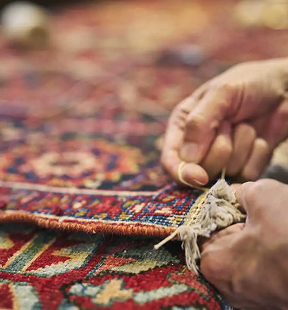
The Art Of Carpet Weaving
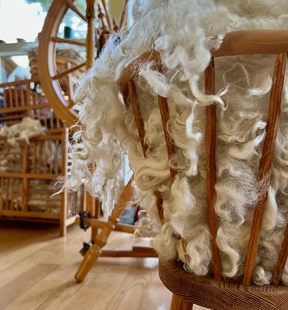
1-Wool Picking
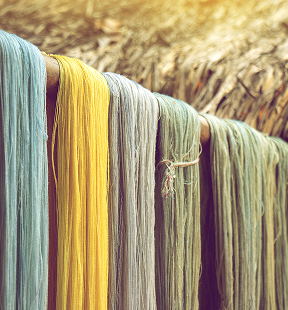
2-Fiber Dyeing (Using Natural Dyes)
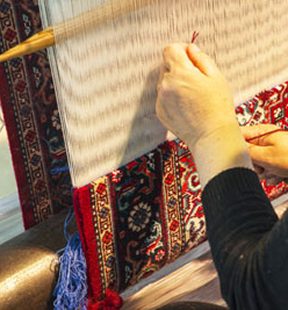
3-Hand Weaving Of Traditional Rugs
4-Rug Trimming And Finishing
The Language Of Roles
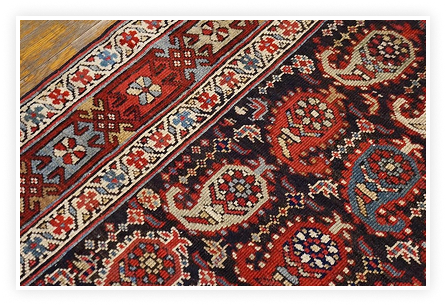
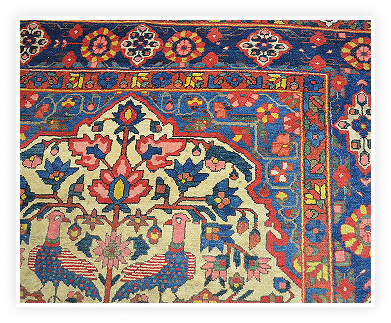
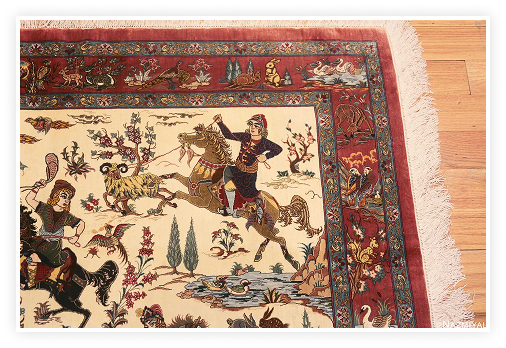
Persian carpet designs revolve around two core patterns: floral and geometric, each carrying deep symbolic meanings. Floral patterns are often associated with paradise and the concept of eternity. These intricate designs may symbolize beauty, life, and growth, with motifs of flowers and vines representing the eternal cycle of nature. Floral patterns can also evoke a sense of elegance, balance, and harmony, reflecting the Persian tradition of garden aesthetics. Geometric patterns are characterized by repeating shapes and structured designs, symbolizing order, balance, and spirituality. These designs often incorporate interconnected shapes, such as diamonds and hexagons, representing unity and infinity. Geometric patterns convey a sense of symmetry and perfection, often tied to philosophical and spiritual meanings. Each pattern tells a story through its craftsmanship, offering a timeless connection to Persian culture and tradition.
Sustainability And Provision Of Ethical Resources
Persian carpets are made using environmentally friendly methods and materials. Traditional techniques involve natural dyes derived from plants, minerals, and insects, which are biodegradable and less harmful to the environment. The weaving process itself is labor-intensive but relies on sustainable practices, such as using renewable resources like wool from sheep that are sheared annually. Additionally, the use of natural fibers and dyes reduces the reliance on synthetic chemicals, making these carpets more eco-friendly and sustainable.


Handmade products

environmentally friendly

fair trade
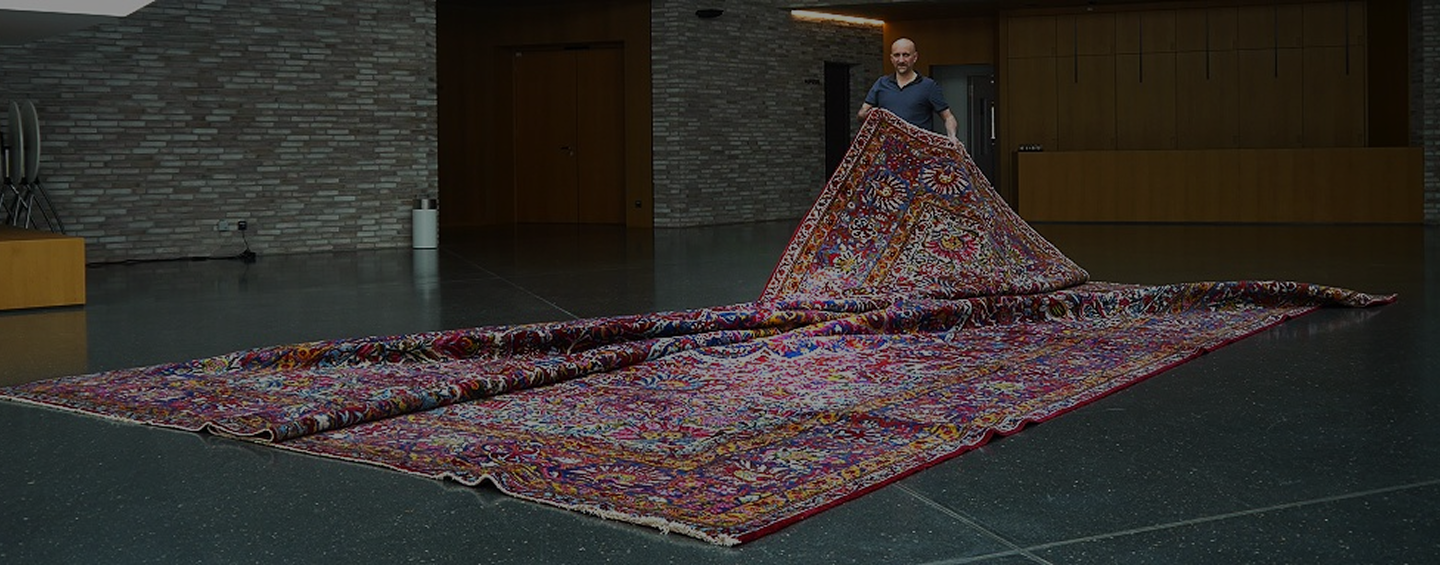
Discover Our Collection
From intricate floral patterns to bold geometric designs, our selection offers a range of styles to suit every taste. Discover the timeless beauty and elegance of these handcrafted masterpieces, perfect for any space.
Shop Now