
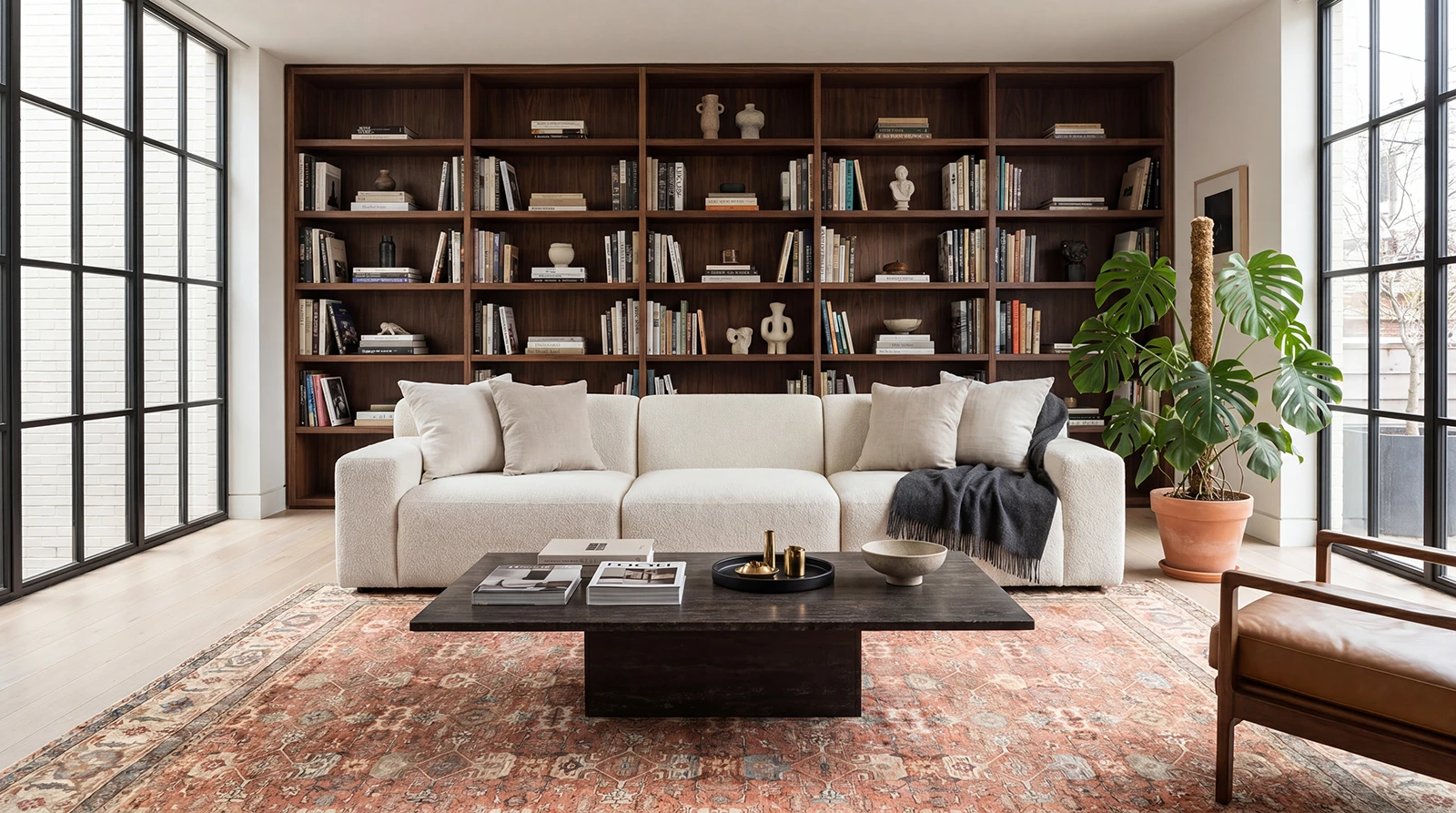
How to Decorate with Handmade Rugs: Size, Placement & Styling Ideas for Every Room
Practical rug size, placement and styling tips for every room – from living room and bedroom to hallway, kitchen and home office – plus how to choose the right handmade rug.

Why the Right Rug Makes a Room Feel Finished
A room can be beautifully furnished and still feel incomplete. Often the missing piece is not another chair or lamp, but a rug in the right size, color, texture, and position.
A well-chosen rug does much more than cover the floor. It:
- connects furniture into one calm, clear group
- defines zones in open-plan homes – living, dining, or working – without walls
- adds comfort underfoot and softens acoustics on hard floors
- gives the room a visual foundation for colors and furniture
This is especially true for handmade Oriental rugs and hand-knotted Persian rugs. Natural wool, unique patterns, and handcrafted details add a depth that machine-made rugs rarely achieve.
In this guide, you will learn which rug size to choose, where to place it, and which rug styles work best in each room.
Start with the Right Rug Size
Size is the most important decision – and the most common mistake. A rug that is too small makes even a beautiful room look disconnected. The rug should feel like part of the layout, not like an island floating in the middle.
Quick rug size guide:
- Living room: at least the front legs of the sofa and armchairs rest on the rug. For a three-seat sofa, 200 × 300 cm or larger usually works best.
- Dining room: table size plus 60–70 cm on every side, so chairs stay on the rug when pulled out.
- Bedroom: under the lower two-thirds of the bed, with 50–60 cm of rug visible on each side. A 200 × 300 cm rug placed crosswise suits a 160 cm bed.
- Hallway: a runner with 10–15 cm of visible floor on both sides.
- Walls: leave roughly 20–45 cm of bare floor between rug and walls.
Tip: Mark the outline with painter's tape before you buy. You will see instantly whether the size feels right.
How to Choose the Right Rug for Your Home
The best rug is not always the most decorative one. It is the rug that supports the room's function and atmosphere. Before you choose, consider four things:
1. Function
A living room needs structure and warmth, a bedroom needs softness, a hallway needs durability, and a dining room needs enough space for movement.
2. Material
A hand-knotted wool rug brings natural warmth, durability, and comfort underfoot. Flatwoven Kilims are lighter and ideal for kitchens, hallways, and modern interiors. Higher-pile rugs make bedrooms and lounge areas feel softer.
3. Color and pattern
The rug should support the room, not compete with it. In calm interiors, muted tones such as ivory, beige, sand, soft grey, faded blue, or warm brown create balance. In more expressive interiors, antique Persian rugs, Heriz rugs, Kazak rugs, or vintage Oriental rugs add strong character.
4. Texture
Natural wool, handwoven surfaces, faded patterns, and small handmade irregularities bring warmth and authenticity. This is one of the main reasons why handmade rugs remain so timeless and versatile.

Living Room Rug Ideas: Balanced and Inviting
The living room is the heart of the home – a place to relax, read, watch films, and welcome guests. Because it combines so many functions, the rug plays a central role in giving the space structure.
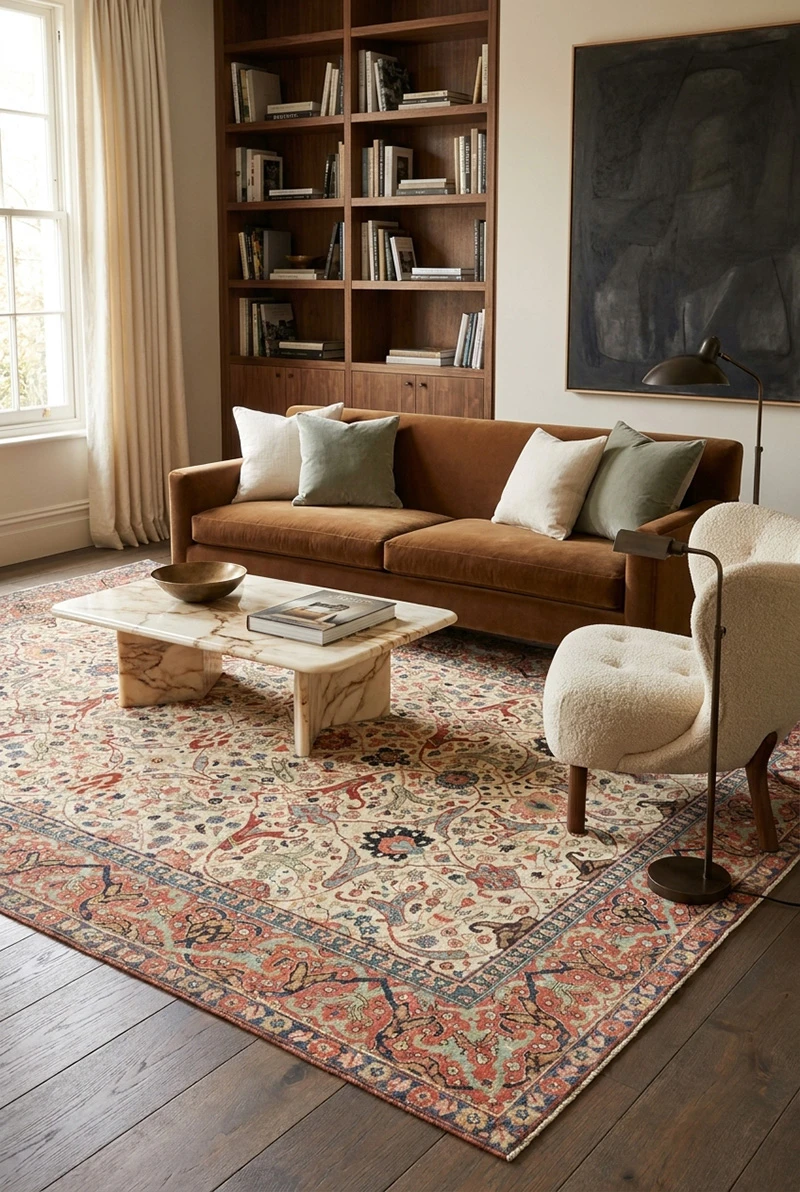
Placement: The rug should connect the sofa, armchairs, and coffee table. At minimum, the front legs of all seating rest on the rug. In larger rooms, place all furniture fully on the rug for a more generous, luxurious look.
Styles that work: A large hand-knotted Persian rug such as Tabriz, Kashan, Isfahan, or Heriz becomes a refined focal point with timeless character. For a more relaxed, contemporary look, choose Gabbeh, vintage Oriental rugs, or Modern Kilims.
Colors: Neutral interiors benefit from warm beige, ivory, faded blue, soft red, or earthy brown. In modern spaces, a rug can also create contrast and become the main visual feature.
The goal is not simply to fill the floor, but to balance furniture, light, color, and texture.

Bedroom Rug Ideas: Softness, Comfort and Calm
A bedroom should feel peaceful and restful. A rug adds warmth underfoot and softens the room without making it visually busy.
Placement: Place a large rug under the lower two-thirds of the bed so that it extends on both sides and at the foot. In smaller bedrooms, two runners on either side of the bed are a practical alternative.
Styles that work: Vintage Persian rugs, soft Nain rugs, elegant Isfahan carpets, and warm Kashan rugs bring subtle pattern and comfort. For a more relaxed interior, Gabbeh rugs or Moroccan-style rugs add softness and texture.
Colors: Choose tones that support rest – warm ivory, muted blue, soft beige, faded terracotta, or gentle grey.
A good bedroom rug makes the first step in the morning feel warmer.

Dining Room Rugs: Elegance Meets Everyday Use
A dining room rug should be both beautiful and practical. The most important question is not only which design fits, but whether the rug is large enough for everyday use.
Placement: The rug should extend 60–70 cm beyond the table on every side, so chairs stay on the rug when pulled out. A rug that is too small makes chairs catch on the edge and throws off the room's balance. For round tables, a round rug often looks most harmonious.
Styles that work: Hand-knotted Persian rugs with detailed patterns are excellent choices, because they handle daily use visually while adding sophistication. Tabriz, Kashan, Bijar (Bidjar), and Heriz rugs are especially suitable thanks to their dense structure and durability.
Tip: A low or medium pile makes it easier to move chairs and to clean up crumbs.
A dining room rug should frame the table, not compete with it.

Hallway Runners: A Warm First Impression
The hallway is often overlooked, yet it creates the first impression of your home. A well-chosen runner makes the entrance feel warmer, more welcoming, and more personal.
Styles that work: Runner rugs such as Kilim runners, Gabbeh runners, tribal Persian runners, and vintage Oriental runners guide movement and bring character into narrow spaces.
Placement:
- Leave 10–15 cm of visible floor on both sides.
- In long hallways, leave some floor at both ends as well – the runner then looks intentional, not wall-to-wall.
- Use a non-slip rug pad, especially on wood, tile, or stone floors.
A hallway rug is not just decoration. It sets the tone for the entire home.

Kitchen Rugs: Warmth in a Functional Space
Kitchens are full of hard surfaces – stone, tile, metal, and cabinetry. Practical, yes, but they can make the room feel cold. A rug softens the space and adds warmth where it is needed most.
Placement: A runner in front of the sink or along the kitchen island makes everyday tasks more comfortable underfoot.
Styles that work: Handwoven Kilims, vintage runners, and durable wool rugs add texture without feeling heavy. Flatweaves and low-pile rugs are easiest to clean.
Colors: Patterned designs in natural tones – faded red, muted blue, sand, brown, or warm beige – hide everyday marks and pair beautifully with wood cabinets and stone countertops.
The right kitchen rug makes a functional room feel lived-in and inviting.

Home Office Rugs: Focus, Comfort and Better Acoustics
A home office should support concentration while still feeling comfortable. Most people plan the desk, chair, and storage – but the rug makes a major difference in how the workspace feels.
Why it helps: A handmade rug defines the working zone, especially in open-plan spaces, and softens sound on wood, concrete, or tile floors – noticeable in every video call.
Placement: Choose a rug large enough for both desk and chair, extending about 60–70 cm behind the desk so the chair stays on the rug when you push back. With rolling chairs, low-pile rugs or flatweaves work best.
Styles that work: Gabbeh rugs, Modern Kilims, vintage Persian rugs, and subtle Ziegler rugs add warmth without distracting from work.
A good office rug supports focus instead of competing for attention.

Small Rooms: How the Right Rug Makes a Space Feel Larger
In small rooms, a common mistake is choosing a very small rug because the room itself is small. In reality, this makes the space feel even smaller.
What works better:
- Go slightly larger. A rug that connects the furniture creates a clearer layout and visually expands the room.
- Choose light colors and low contrast. Subtle patterns keep the space calm and open.
- Use the rug to create zones. In a compact living room with a dining corner, one rug can define the seating area, while lighting and furniture placement separate the rest.
Kilims, light vintage rugs, soft Gabbeh designs, and neutral Persian rugs add warmth without overwhelming the space.
The goal is not to fill the room, but to create clarity.
Rugs as Wall Decoration
Rugs are not only for floors. In boho, ethno, eclectic, and artistic interiors, a handmade rug can also become a striking wall piece.
A flatwoven Kilim, a small vintage Persian rug, or a decorative tribal rug adds warmth, texture, and personality to an empty wall – especially when the furniture is simple and the room needs one strong handcrafted element.
On the wall, the weaving, colors, and patterns become more visible, so the rug reads almost like textile art. Kilims, antique pieces, and unique handmade rugs with strong character work particularly well.
Tip: Hang the rug from a wooden rod or a hook-and-loop strip so the weight is spread evenly, and keep it out of direct sunlight to protect the colors.
Matching Rugs to Your Interior Style
The best rug does not simply match the colors of a room – it supports its atmosphere. Here is a quick guide by interior style:
- Scandinavian: light Kilims, subtle vintage Persian rugs, Gabbeh, and refined Isfahan rugs add warmth without disturbing the clean Nordic feel.
- Industrial: antique Heriz, vintage Tabriz, Kazak, and Gabbeh rugs soften concrete, metal, and exposed brick.
- Boho and ethno: Kilims, patchwork rugs, vintage Oriental rugs, Gabbeh, Ghashghai, Tabriz, and Isfahan rugs bring personality, cultural depth, and layered texture.
- Farmhouse and country style: Bakhtiar, Heriz, Ziegler, Gabbeh, and vintage Persian rugs complement natural materials and a warm, lived-in atmosphere.
- Modern: Gabbeh, Modern Kilims, Nepal rugs, and calm Persian designs such as Nain add warmth to clean lines.
Choose a rug not by trend alone, but by how the room is used and how you want it to feel.

Common Rug Styling Mistakes to Avoid
A rug can transform a room immediately – but only if it is chosen and placed correctly. Avoid these common mistakes:
- Choosing a rug that is too small. It makes the furniture look scattered and the room smaller.
- Competing patterns. A busy rug next to patterned furniture, wallpaper, or artwork creates visual noise.
- Treating the rug as an isolated object. It should relate to the sofa, bed, dining table, lighting, and color palette.
- Skipping the measuring. Measure carefully, plan the furniture layout, and take photos of the room before buying.
- Ignoring the light. Daylight, warm lamps, and wall colors change how rug tones look. A beige rug appears warmer in evening light, while blue or grey tones feel cooler in north-facing rooms.
The best result comes from thinking about size, color, texture, material, and placement together.
Why Handmade Rugs Are Worth It
A handmade rug brings something into a room that mass-produced rugs cannot: individuality. Every hand-knotted rug has small variations that show the work of human hands – details that make it feel alive and authentic.
Durability: Hand-knotted Persian and Oriental rugs made of natural wool are extremely durable when cared for properly. Many vintage and antique rugs remain beautiful after decades of use.
Versatility: Timeless designs adapt to different interiors over time. A Tabriz rug works in a classic living room, a modern apartment, or an industrial loft. A Gabbeh can feel minimal, cozy, or artistic depending on the room.
How to recognize a hand-knotted rug: Turn it over. On the back, the pattern is clearly visible and the knots look slightly irregular. The fringes are the ends of the warp threads, not sewn on afterwards.
This combination of character, durability, and flexibility is why handmade rugs remain so valuable in interior design.
FAQ: Decorating with Rugs
What size rug is best for a living room?
The rug should be large enough to connect the main furniture. Ideally, the sofa and armchairs stand fully or partly on it – at minimum, their front legs. For a three-seat sofa, 200 × 300 cm or larger usually works well.
How do you place a rug under a sofa?
In most living rooms, place the rug so the front legs of the sofa and chairs rest on it. In larger rooms, all seating can stand fully on the rug for a more luxurious, balanced look.
How far should a rug be from the wall?
Leave roughly 20–45 cm of bare floor between the rug and the walls – less in small rooms, more in large ones.
What size rug goes under a bed?
The rug should extend 50–60 cm on both sides of the bed. A 200 × 300 cm rug placed crosswise fits a 160 cm bed; for larger beds, choose a wider rug.
Can you use rugs in kitchens?
Yes. A runner in front of the sink or along the island adds warmth, comfort, and texture. Flatwoven Kilims, vintage runners, and durable wool rugs are practical choices.
Which rug is best for small rooms?
Avoid rugs that are too small. A slightly larger rug in soft colors or subtle patterns makes the space feel more open. Light Kilims, neutral Persian rugs, and soft Gabbeh designs are good options.
Are handmade rugs worth it?
Yes. Handmade rugs are durable, unique, and timeless. A hand-knotted Oriental or Persian rug can last for generations when properly cared for.
Conclusion: A Rug Can Change the Whole Room
Decorating with rugs is about more than choosing a color or pattern. It is about balance, comfort, structure, and atmosphere. The right rug can make a room feel larger, warmer, calmer, more elegant, or more personal.
Remember the essentials: choose the right size, place it so it connects the furniture, and pick colors and textures that suit how the room is used.
Whether you are styling a living room, bedroom, hallway, kitchen, dining area, or home office, a well-chosen handmade rug becomes the foundation of the space – from elegant Isfahan and Tabriz rugs to soft Gabbeh carpets, Kilim runners, and antique Oriental rugs.
Discover Rugbloom's curated collection of handmade Oriental rugs and find the perfect piece for a home that feels balanced, warm, and truly personal.

"Discover our most popular rug styles at Rugbloom"
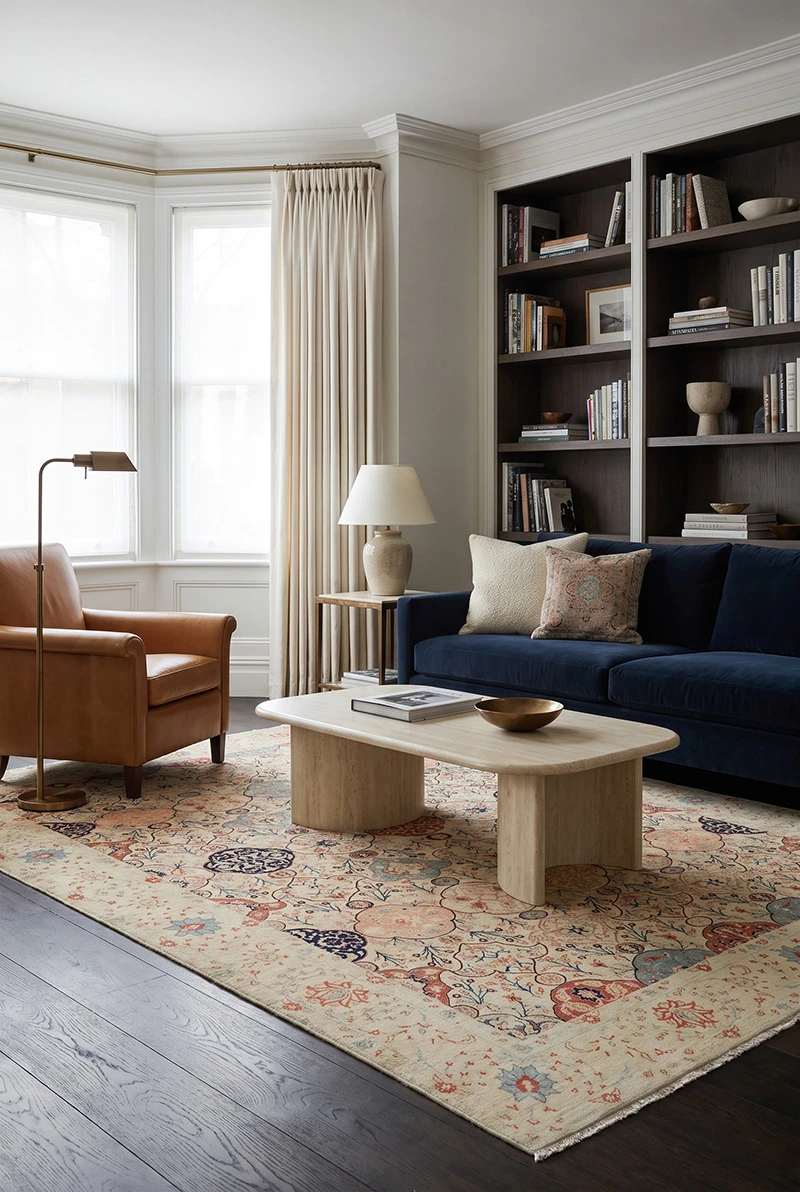
Isfahan
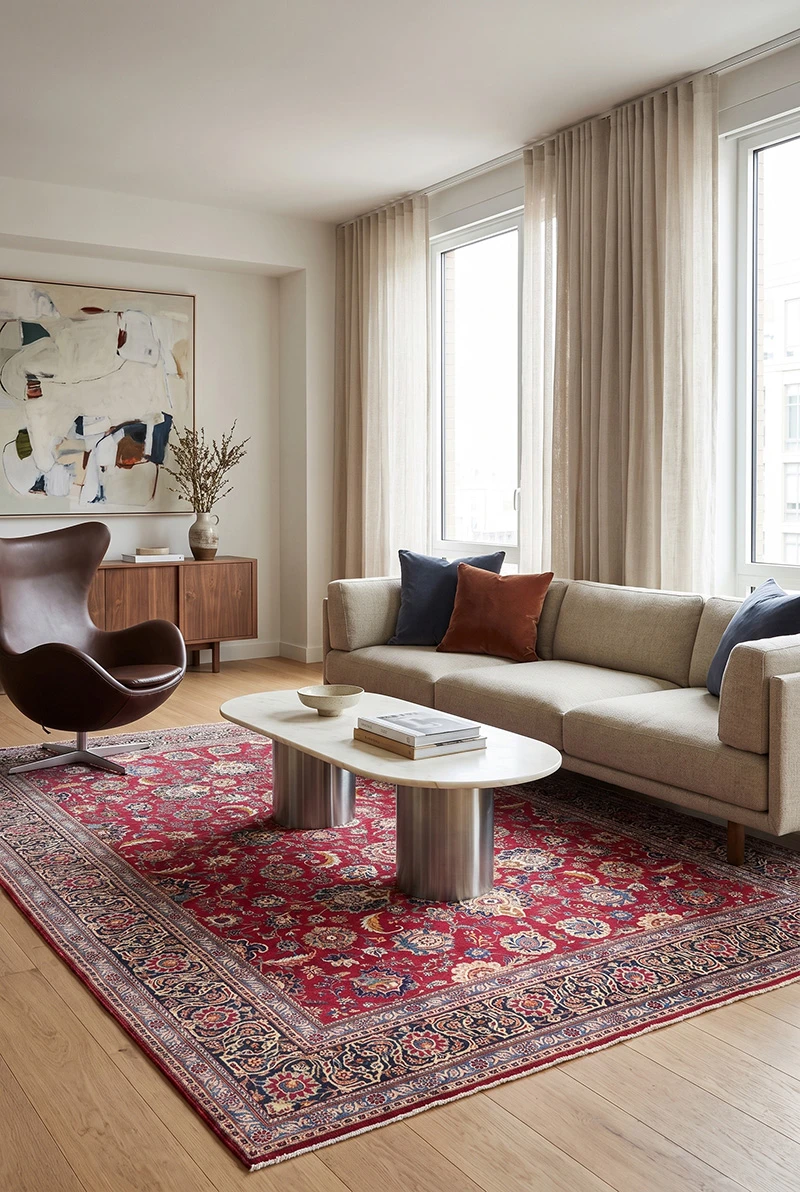
Kashan
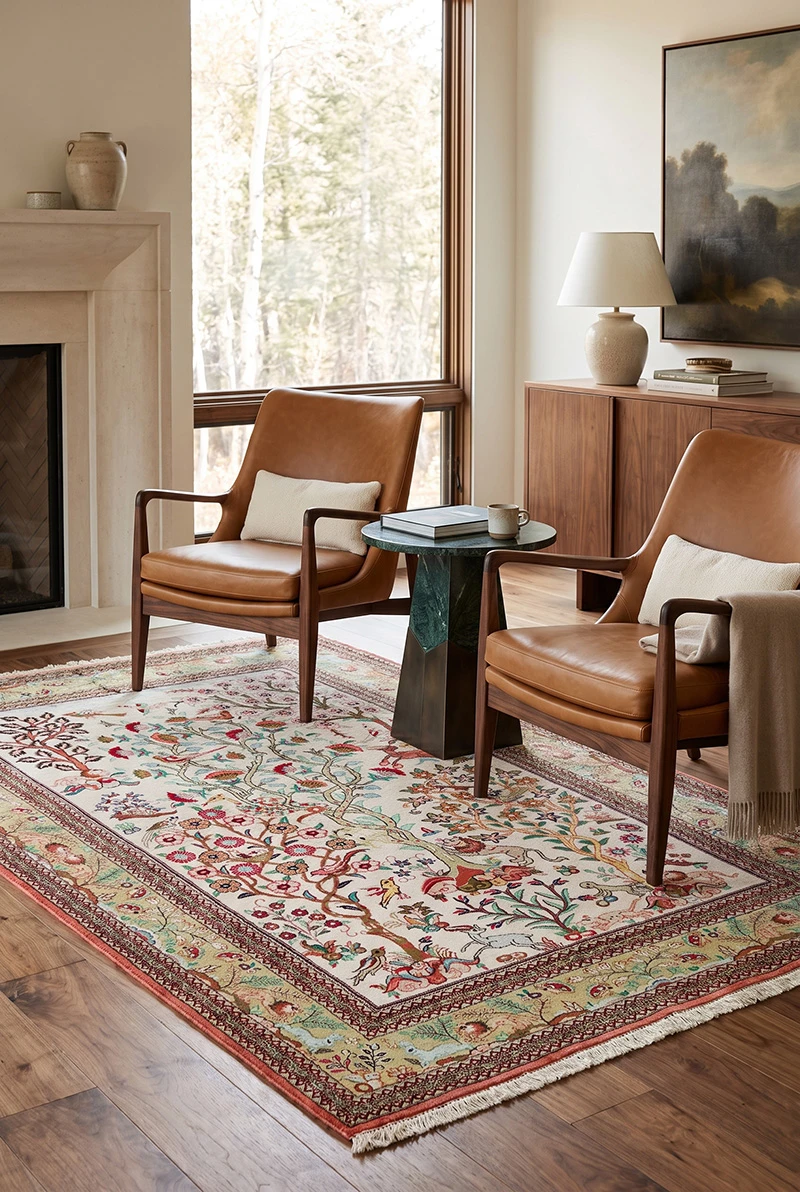
Ghom

Kashmar
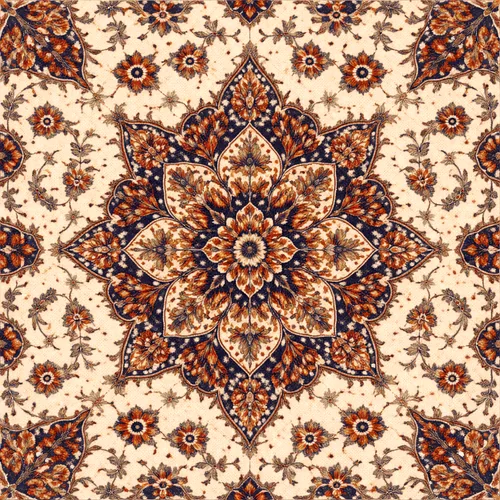
Kerman
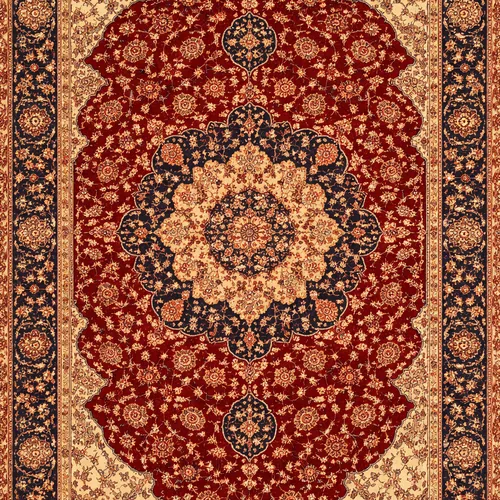
Mashad
Sarough
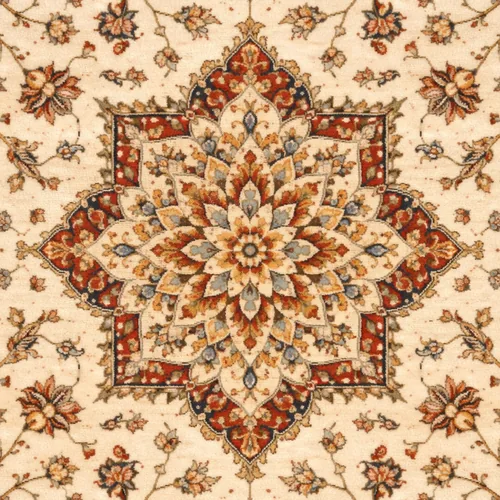
Hamedan
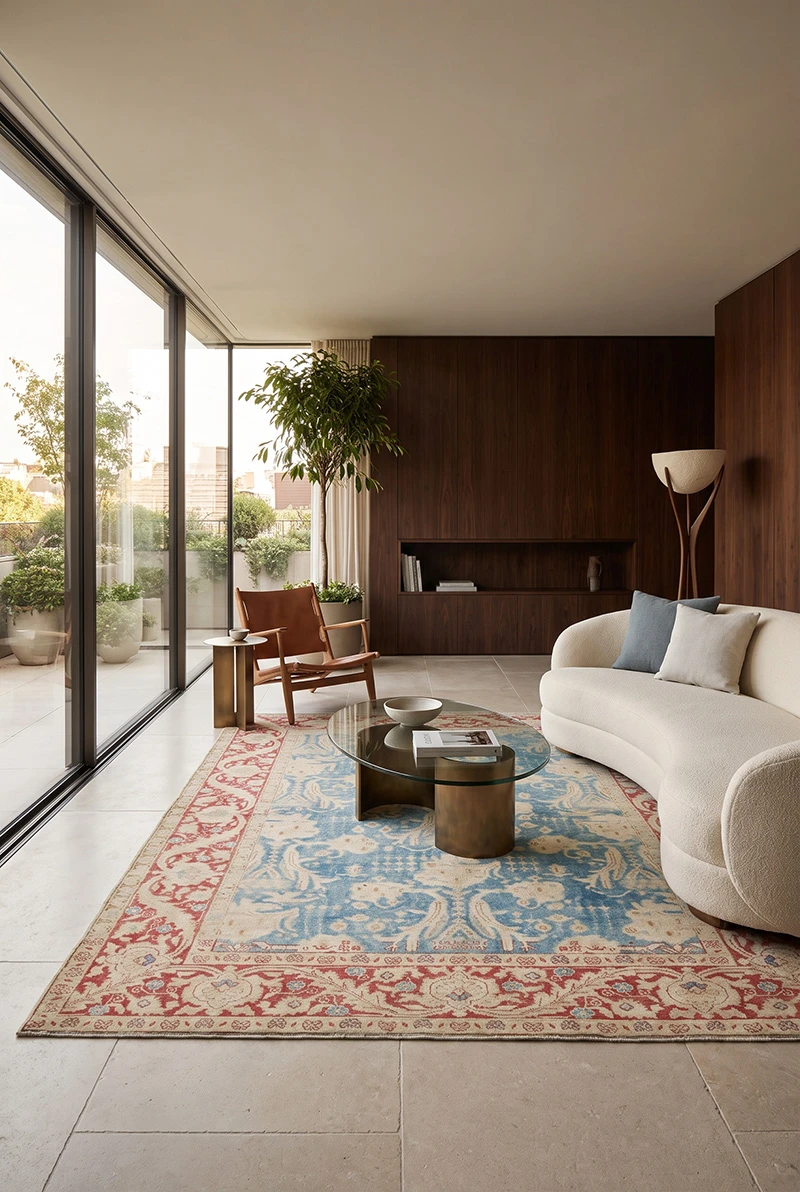
Tabriz
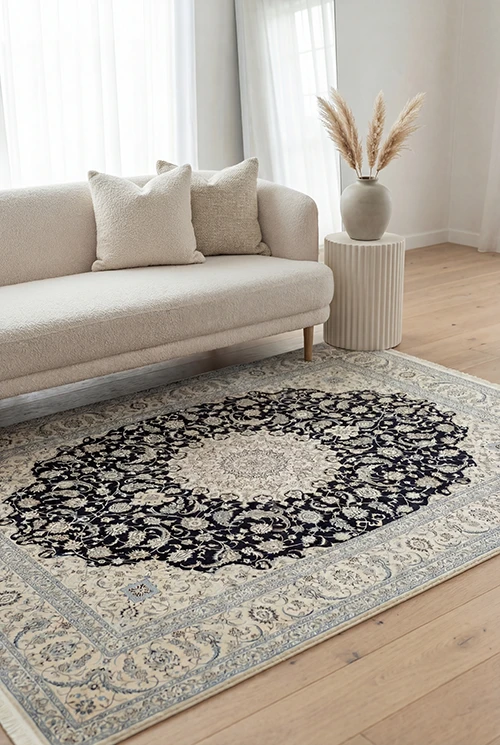
Nain
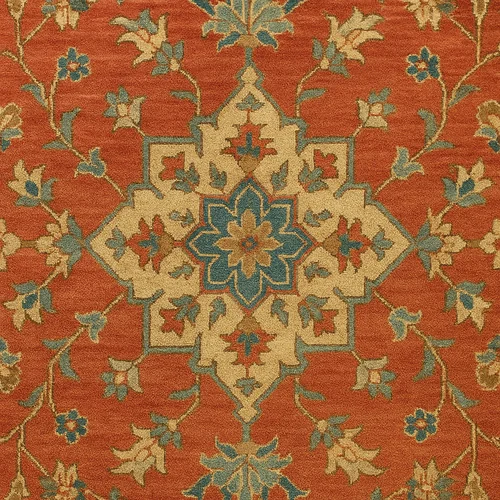
Sultanabad
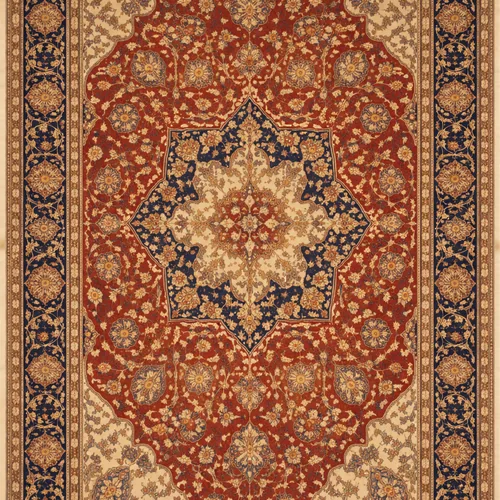
Mahal
Related Posts
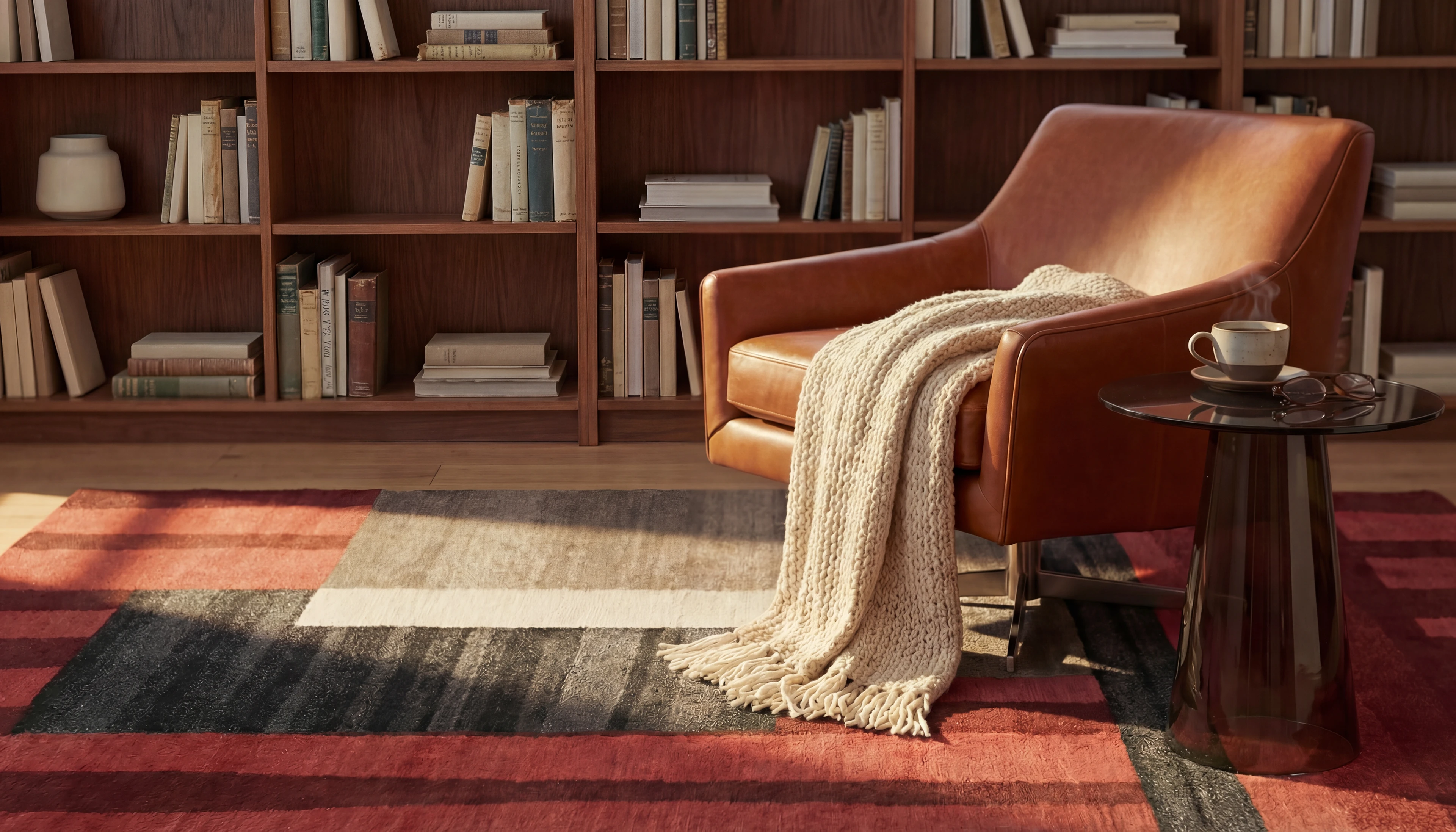
Rugbloom Journal: Knowledge & Inspiration About Hand-Knotted Oriental Rugs
The Rugbloom Journal is a curated knowledge platform dedicated to hand-knotted Oriental rugs. Discover articles about their history, origins, materials, knotting techniques, care, and their role in contemporary living.
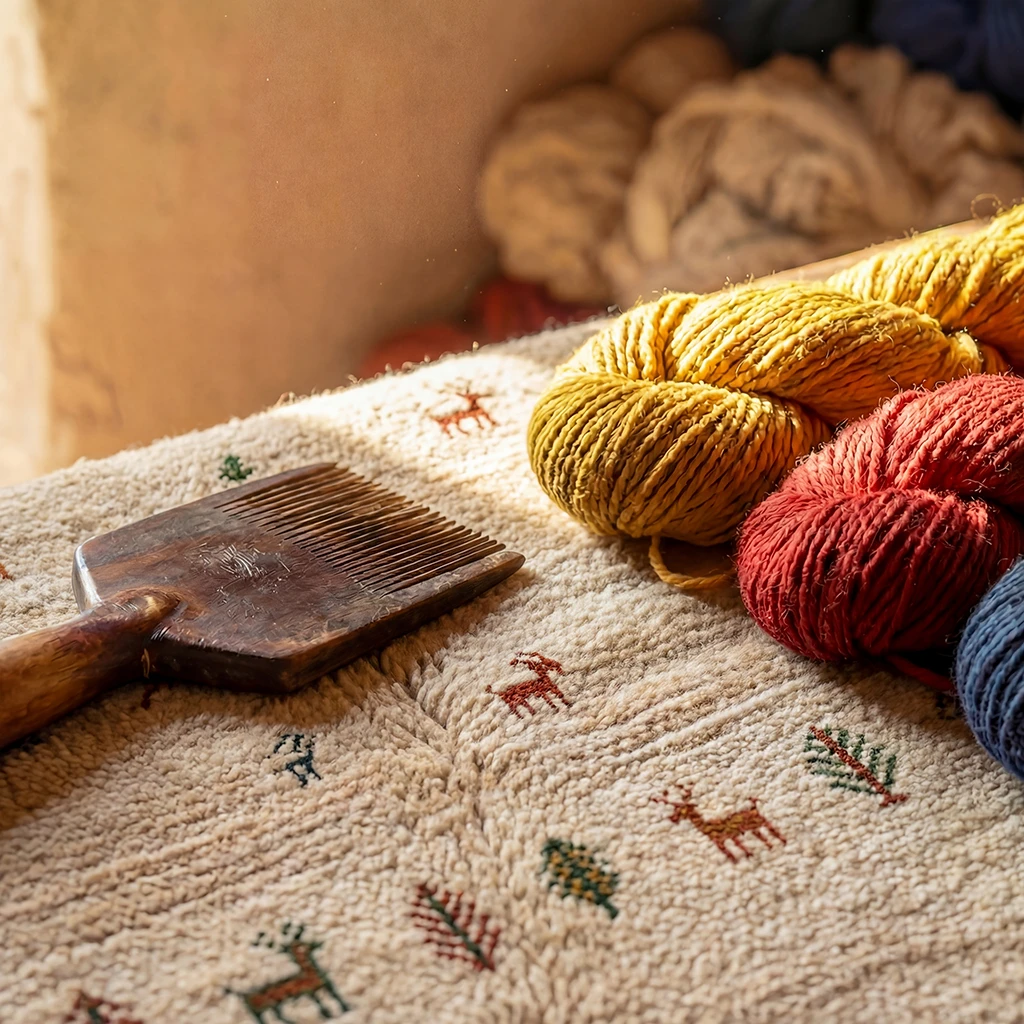
The History and Origins of Hand-Knotted Oriental Rugs
How Are Authentic Oriental Rugs Made?
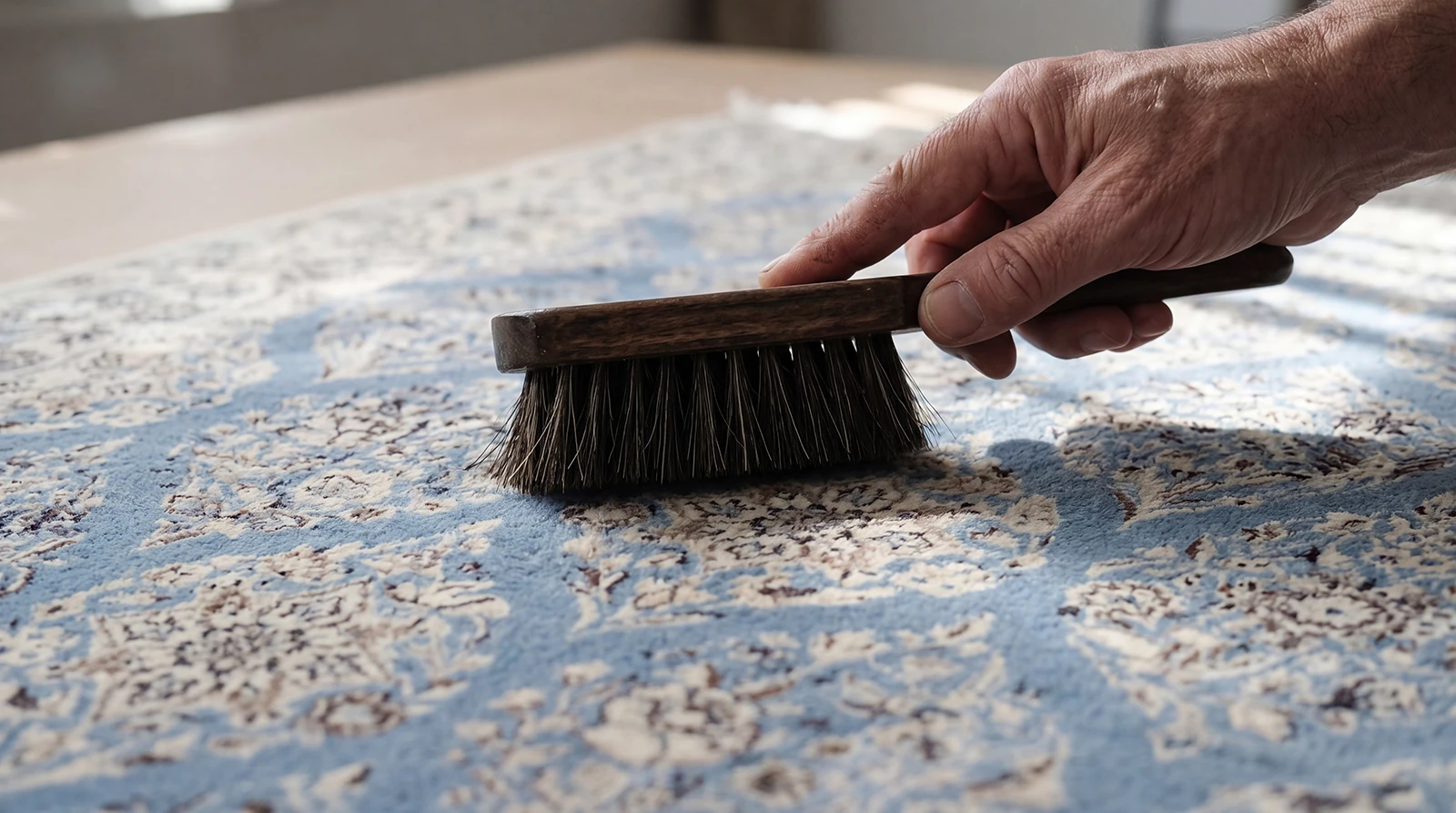
Regions, Patterns, and Symbolism of Oriental Rugs
Explore the regions, patterns, and symbolism behind hand-knotted Oriental rugs. Discover how floral designs, geometric motifs, and central medallions reflect centuries of craftsmanship and cultural tradition. Learn how different regions such as Isfahan, Heriz, and Kashan shaped distinctive rug styles that continue to influence Persian rug design today.