
The History and Origins of Hand-Knotted Oriental Rugs
How Are Authentic Oriental Rugs Made?

Hand-knotted oriental rugs are among the oldest forms of craftsmanship in human history. They have been produced for more than 2,500 years, possibly even longer. What once began as a functional textile used by nomadic shepherds gradually evolved over centuries into a cultural symbol of craftsmanship, identity, and artistic expression.
Every hand-knotted oriental rug is created from thousands of carefully tied knots, made from natural materials such as wool or silk and from traditional knowledge passed down through generations. For this reason, an oriental rug is not merely a decorative element in a living space but a piece of living cultural history.
But where do the origins of this remarkable craft lie? And what makes authentic hand-knotted oriental rugs so durable and valuable even today?
The Origins: Nomads, Wool, and the First Looms
The invention of the rug is attributed to Asian nomadic shepherds. As owners of large sheep herds, they had access to a particularly durable natural material: sheep’s wool. From this wool, they created warming textiles used in nomadic tents as floor coverings, wall hangings, or blankets, providing protection against cold and moisture.
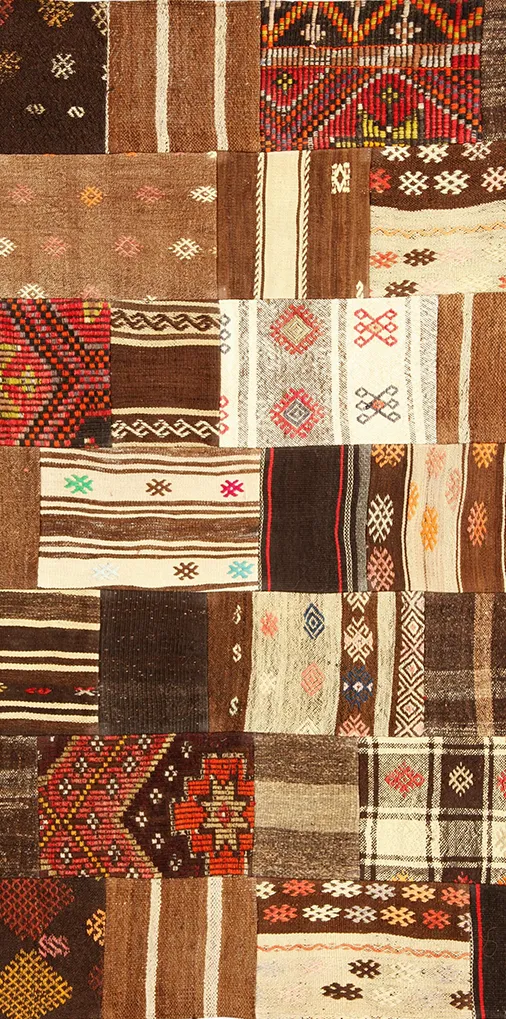
These early rugs were produced on simple, portable looms. Initially, flatwoven textiles such as kilims were created, in which warp and weft threads were interwoven. The true history of oriental rugs began with the development of knotting techniques. In this process, individual wool threads were tied by hand around stretched warp threads, forming the pile, the characteristic surface of a hand-knotted rug.
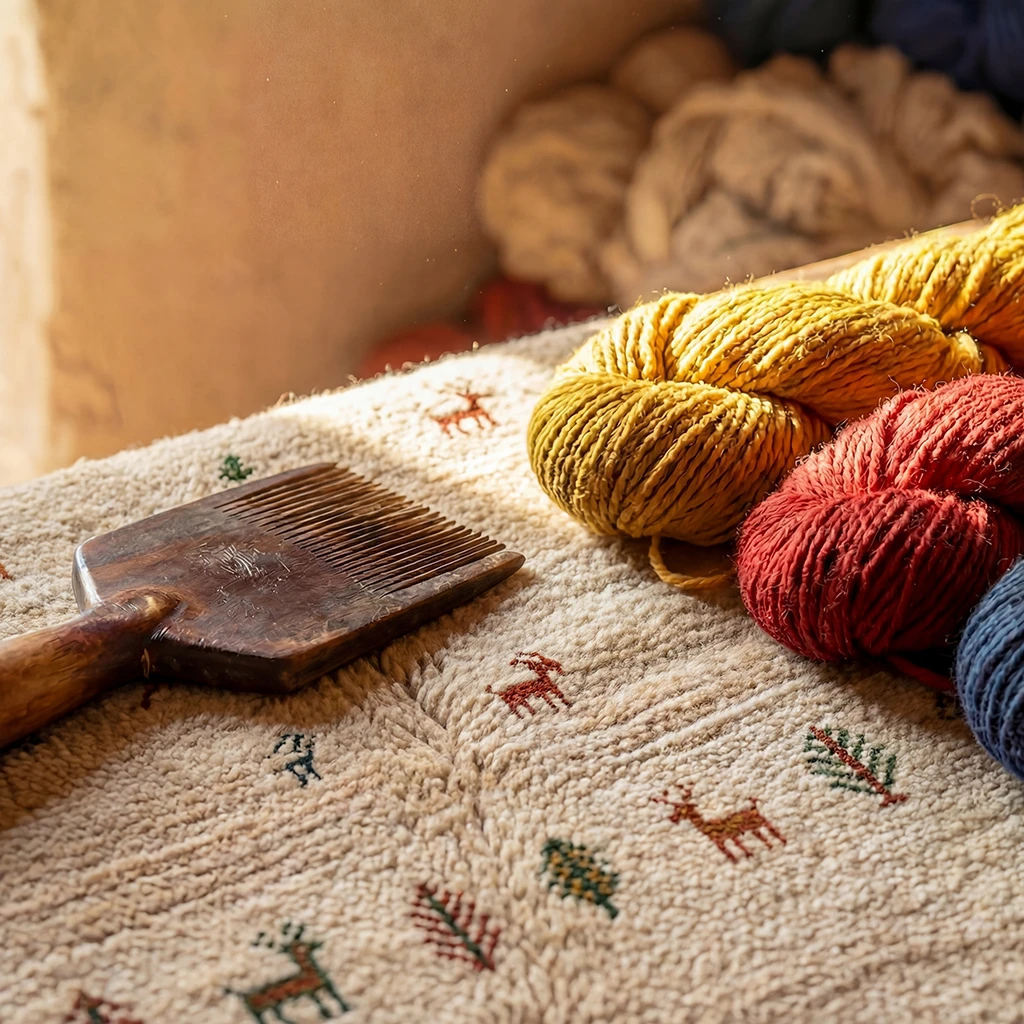
The colors also came entirely from nature. Plants, roots, bark, and minerals provided the pigments used to dye the yarns. Many of these traditional dyeing techniques are still used today and give oriental rugs their distinctive depth and richness of color.

The Oldest Known Rug in the World
The oldest surviving hand-knotted rug in the world is the famous Pazyryk carpet, discovered in 1949 in a burial mound in the Altai Mountains of Siberia. Dating back to the 5th century BC, this extraordinary piece is over 2,500 years old and is widely regarded as the earliest known example of a hand-knotted carpet.
What makes the Pazyryk rug particularly remarkable is its exceptional knot density of approximately 360,000 knots per square meter, a level of craftsmanship that rivals even the finest modern Persian rugs. Its highly detailed design features intricate geometric patterns, rosettes, stylized deer, and mounted horsemen, reflecting both artistic sophistication and cultural symbolism.
Experts believe that the rug was preserved for centuries in ice, which protected its structure, colors, and fine wool quality. This unique preservation offers valuable insight into early textile art, ancient weaving techniques, and the origins of Oriental rug craftsmanship.
Today, the Pazyryk carpet is considered one of the most important archaeological discoveries in the history of hand-knotted rugs. It provides clear evidence that advanced carpet weaving techniques existed long before the classical Persian rug traditions fully developed.
For rug enthusiasts and collectors, the Pazyryk carpet represents the beginning of a long and rich tradition that continues to this day. It highlights how Persian and Oriental rugs are not only decorative elements but also cultural artifacts that carry centuries of history, artistry, and craftsmanship.


From Nomadic Tent to Royal Masterpiece
Over the centuries, rug production evolved from a practical household object into a highly valued art form. In Persia (modern-day Iran), carpet weaving reached its cultural peak during the Safavid dynasty in the 16th century.
In renowned carpet centers such as Isfahan, Tabriz, and Kashan, magnificent court carpets were created featuring complex medallions, floral ornaments, and elaborate patterns. These rugs were produced in royal workshops and were considered masterpieces of textile art.
One famous example is the Ardabil Carpet, now preserved in the Victoria and Albert Museum in London. Such carpets were once reserved exclusively for rulers and noble households and symbolized wealth, cultural sophistication, and exceptional craftsmanship.
Many modern Persian carpets are still inspired by the designs of this historically significant period.

Oriental Rugs in Europe
Through trade routes and cultural exchange, oriental rugs reached Europe at an early stage. During the Renaissance, they became highly sought-after luxury goods. Numerous paintings by European artists depict oriental rugs as symbols of wealth and social status.
Works by Hans Holbein the Younger, for example, show how highly these carpets were valued. They were often placed on tables or displayed in prestigious rooms.
In the 19th century, international world exhibitions in cities such as Paris and Vienna led to a significant rise in European demand. While oriental rugs initially remained luxury items, they gradually became part of refined European interior culture.
How Is a Hand-Knotted Rug Made?
The production of an authentic hand-knotted oriental rug is a complex process that requires experience, patience, and precision.
First, high-quality materials are selected, usually sheep’s wool or silk. The fibers are then hand-spun and dyed using natural pigments.
Next, the warp threads are stretched onto the loom. The actual knotting process then begins, during which individual pieces of yarn are tied around the warp threads using specialized knots. The most common types are the Persian Senneh knot and the Turkish Ghiordes knot.
The higher the knot density, the finer and more detailed the pattern becomes. Particularly high-quality carpets from cities such as Isfahan or Tabriz are known for their extraordinary level of detail.
After knotting, the carpet is sheared, washed, and carefully finished. Depending on size and knot density, the production process can take several months, or even years.

Between Mass Production and Masterpieces
In the 20th century, economic developments and industrial manufacturing significantly changed the international rug market. Machine-made alternatives emerged alongside traditional carpets, creating large differences in quality.
However, an authentic hand-knotted oriental rug always remains unique. Each rug is made entirely by hand, giving it an individual structure. Antique rugs, in particular, demonstrate how durable and valuable traditional carpet craftsmanship can be.
Furthermore, every region, whether Persia, Anatolia, or the Caucasus, has its own distinctive styles, color palettes, and pattern traditions that continue to shape the diversity of oriental rugs today.

Why Hand-Knotted Rugs Remain Timeless?
A hand-knotted oriental rug combines natural materials with centuries-old craftsmanship and cultural tradition. This combination is exactly what makes it a timeless element of interior design.
Thanks to their high-quality construction, oriental rugs can last for generations with proper care. Many rugs even develop a unique patina over time, gaining additional character and beauty.
For this reason, hand-knotted rugs are not just decorative interior pieces but long-lasting companions that unite history and aesthetics.
Frequently Asked Questions About Hand-Knotted Rugs
The production of a hand-knotted rug can take several months to several years, depending on its size and knot density.
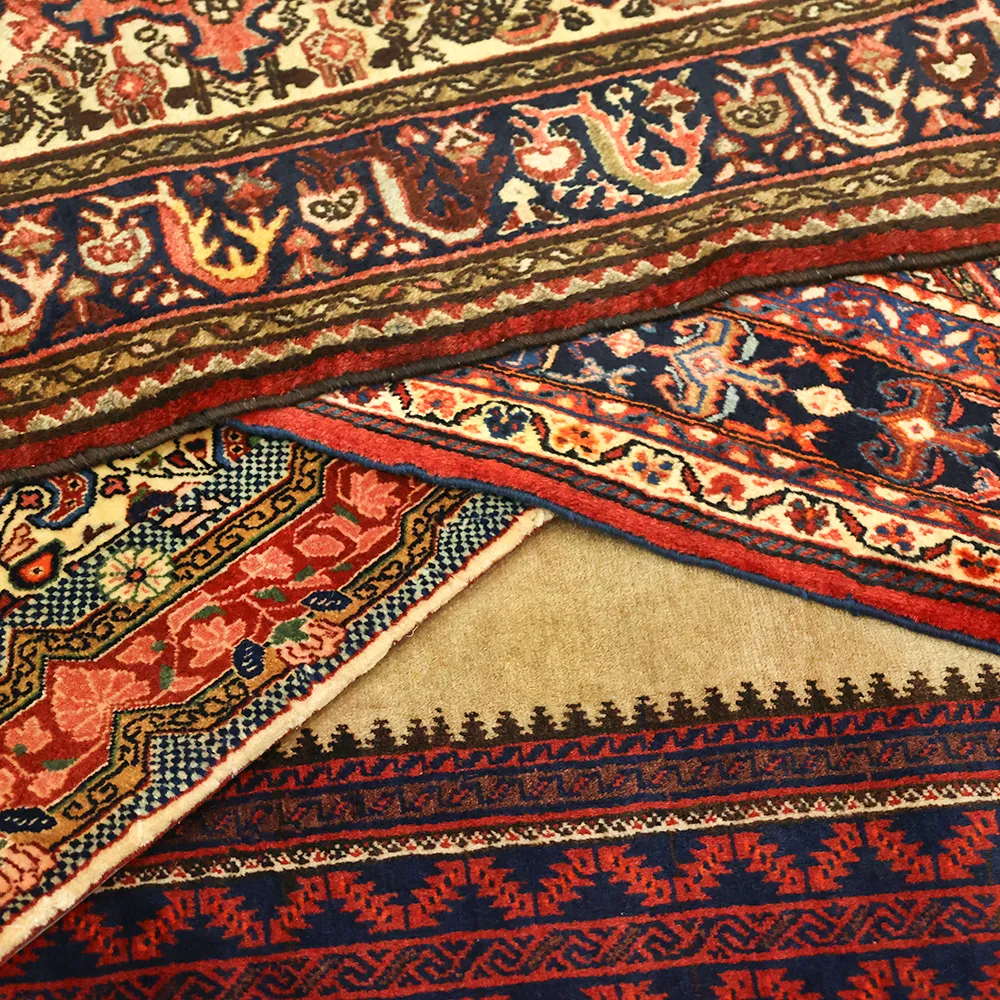
Authentic hand-knotted rugs can be recognized by the fact that the pattern is clearly visible on the back. Because each knot is tied individually, small irregularities appear—these are considered signs of genuine craftsmanship.
The difference between hand-knotted and machine-made rugs lies mainly in the production method and materials. Hand-knotted rugs are usually made from natural materials such as wool or silk and are particularly durable, while machine-made rugs often use synthetic fibers.
Natural dyes are considered especially high quality because they develop harmonious color variations over time and give the rug greater depth.
The oldest known rug in the world is the Pazyryk carpet, which is around 2,500 years old.

"The Most Popular Categories at Rugbloom"
Nomadic & Village
Patchwork & Vintage
Kilim Classic
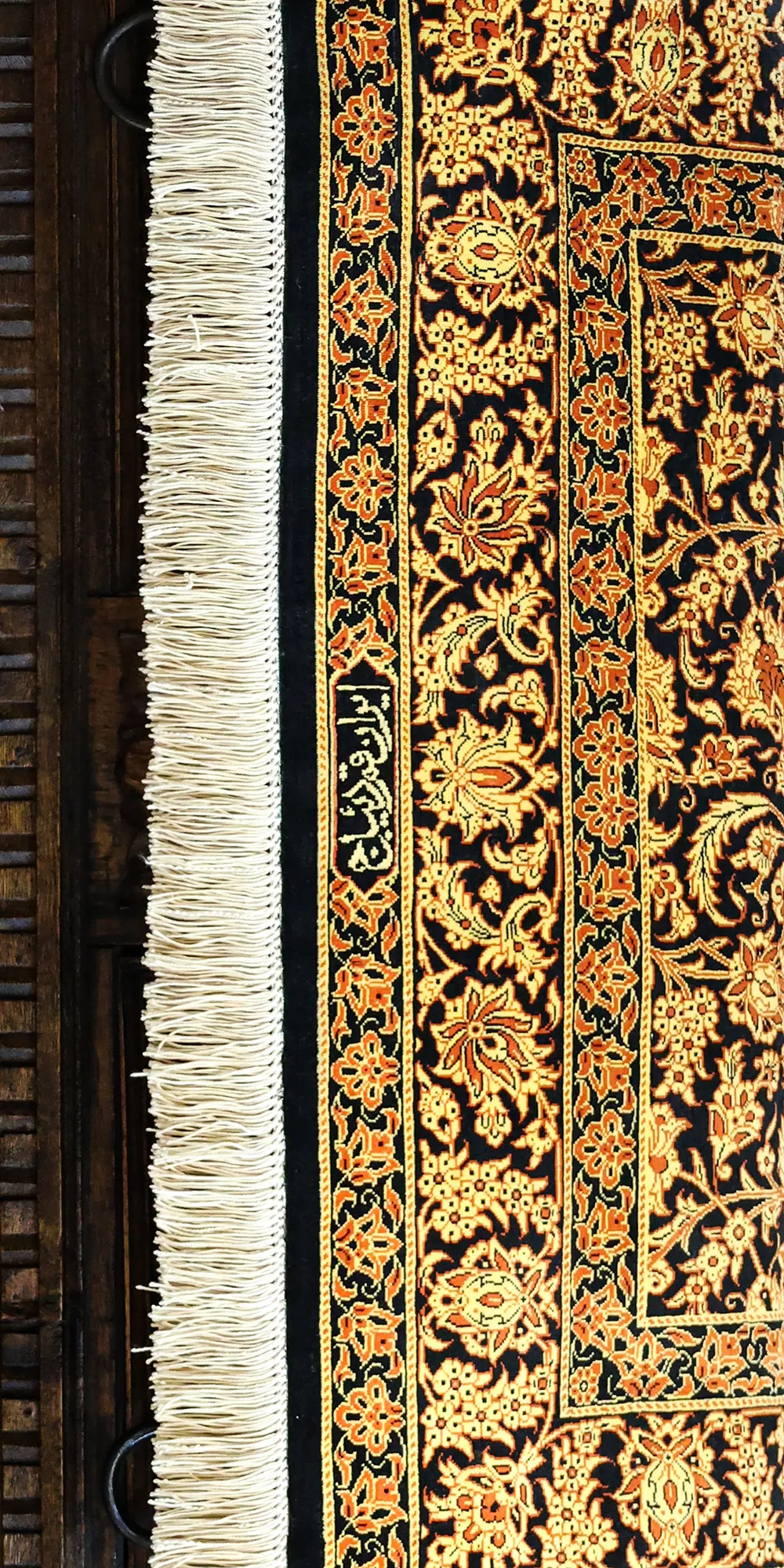
Silk
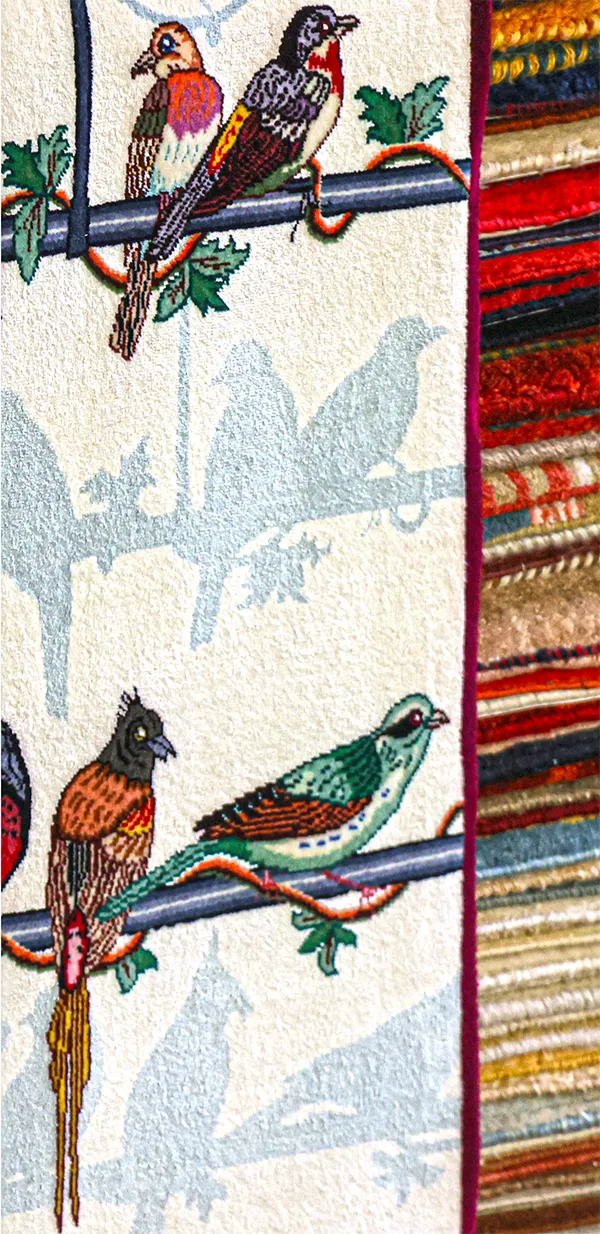
Collector Pieces
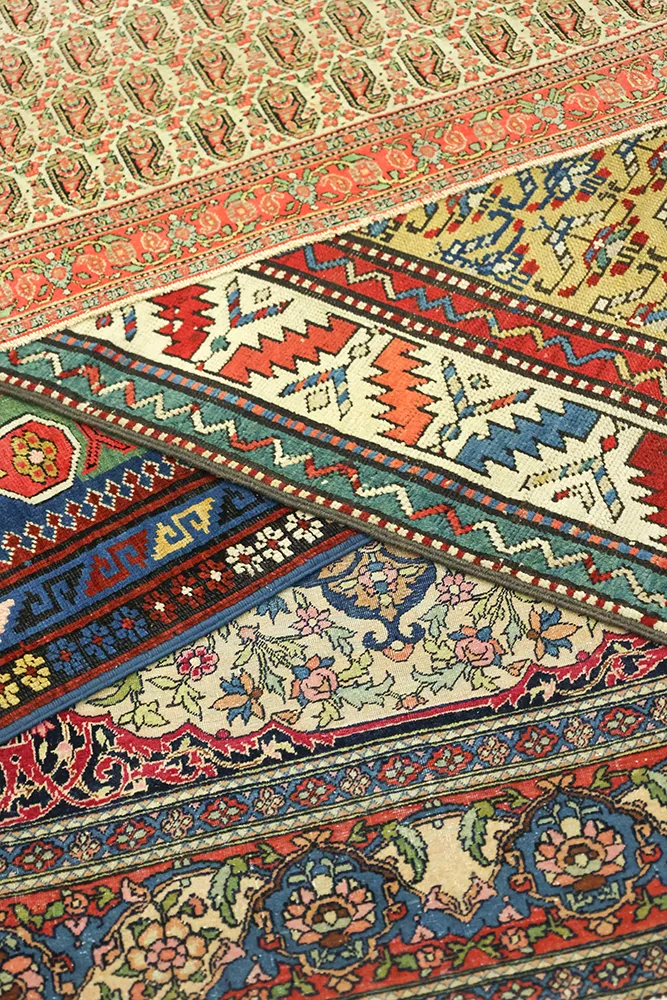
Antique
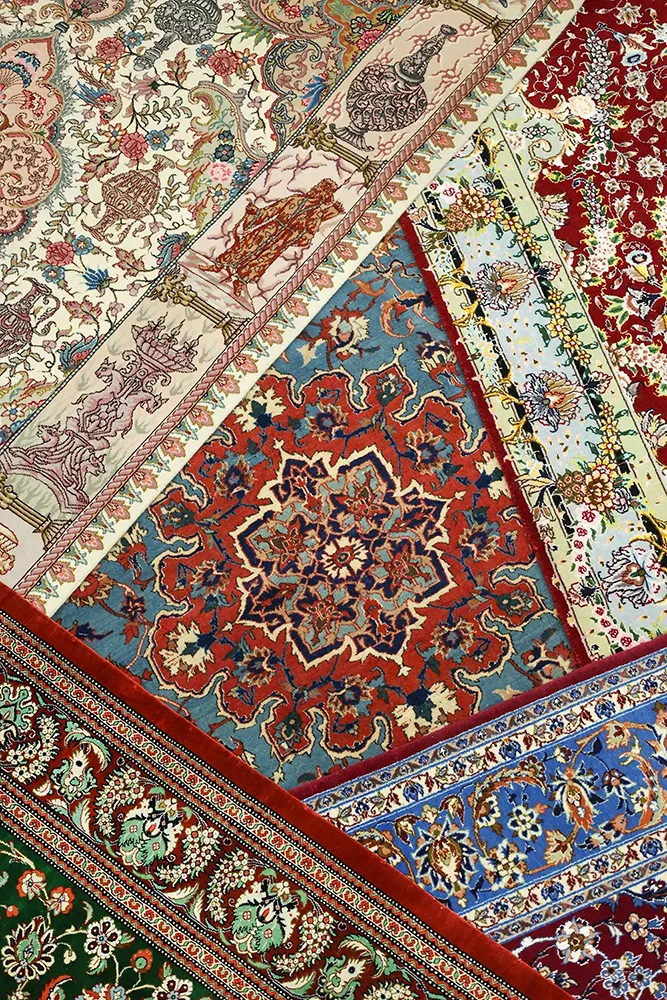
Classic Persian
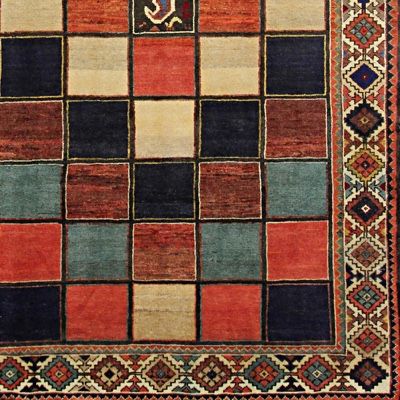
Gabbeh
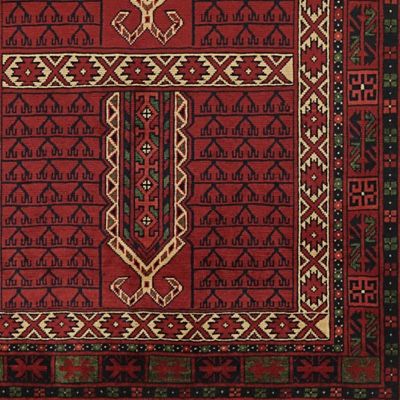
Afghan & Pakistani
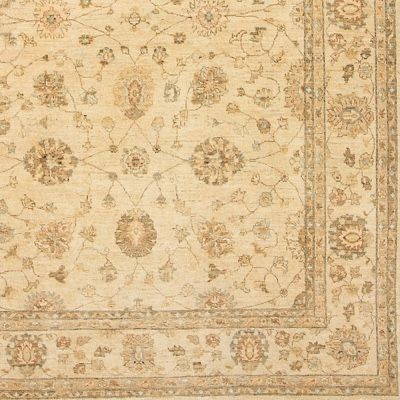
Ziegler
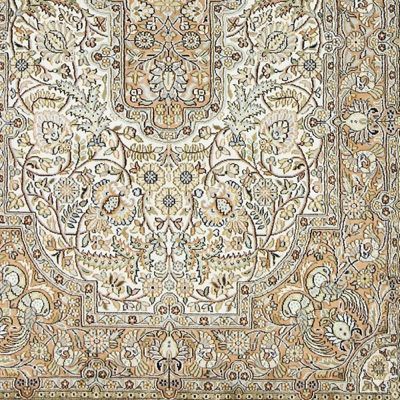
Indian
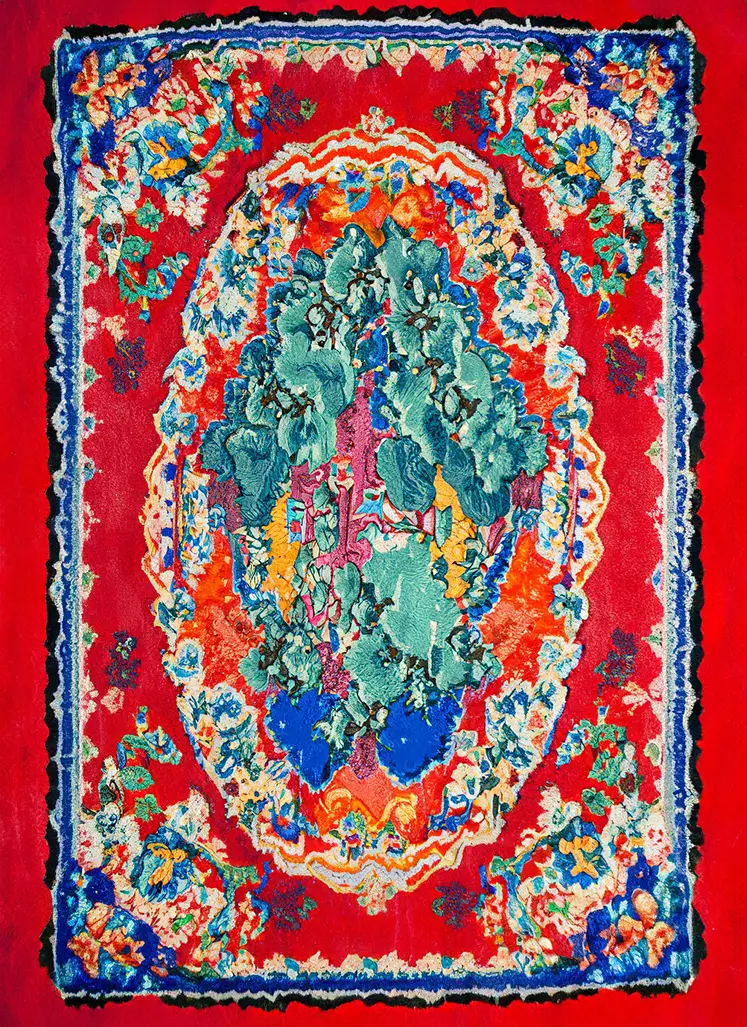
Turkish & caucasian
Written by
Rugbloom Editorial Team
Experts in Persian and Oriental carpet heritage
Related Posts
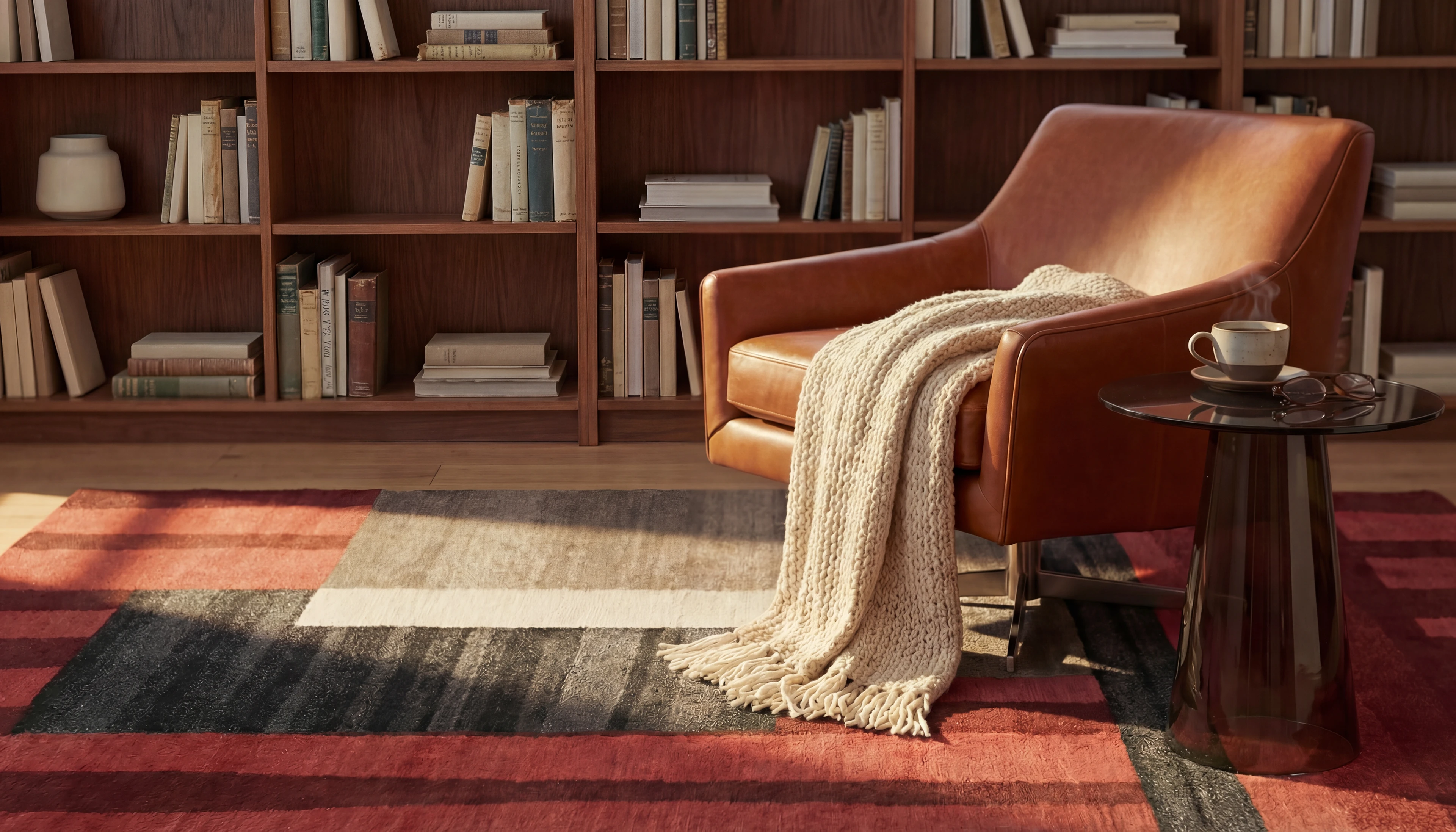
Rugbloom Journal: Knowledge & Inspiration About Hand-Knotted Oriental Rugs
The Rugbloom Journal is a curated knowledge platform dedicated to hand-knotted Oriental rugs. Discover articles about their history, origins, materials, knotting techniques, care, and their role in contemporary living.
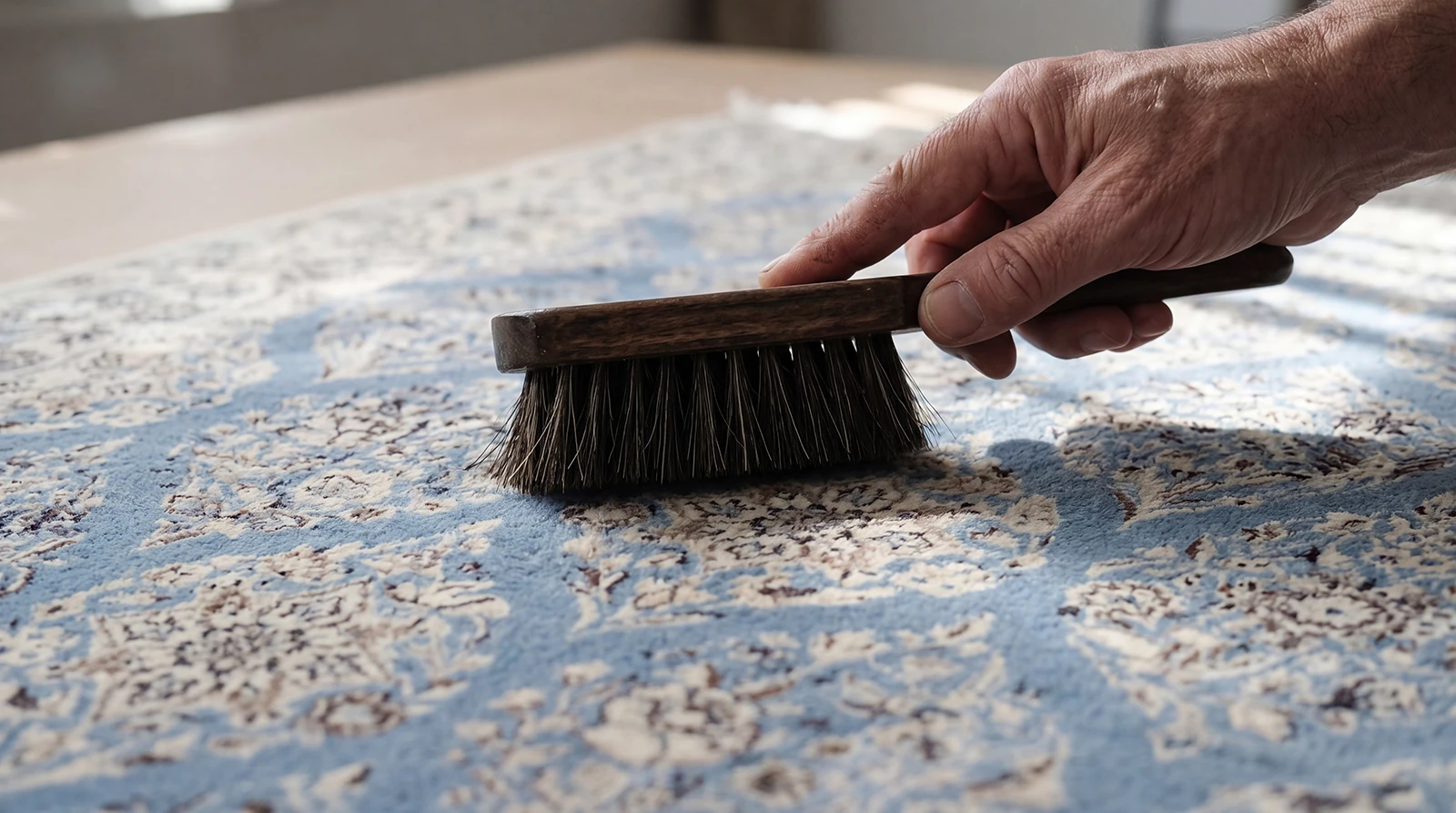
Regions, Patterns, and Symbolism of Oriental Rugs
Explore the regions, patterns, and symbolism behind hand-knotted Oriental rugs. Discover how floral designs, geometric motifs, and central medallions reflect centuries of craftsmanship and cultural tradition. Learn how different regions such as Isfahan, Heriz, and Kashan shaped distinctive rug styles that continue to influence Persian rug design today.
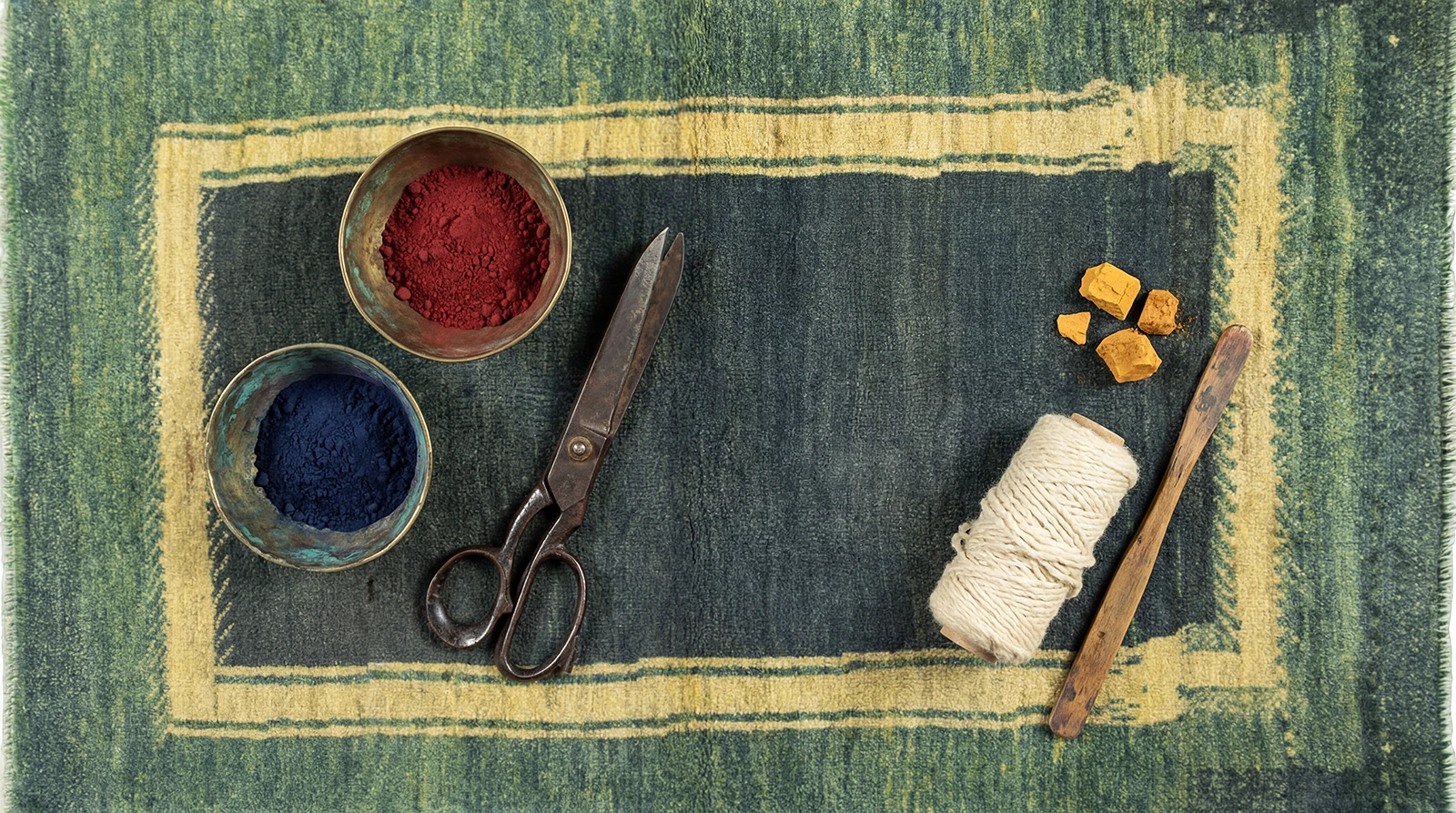
Materials and Knotting Techniques of Hand-Knotted Oriental Rugs
Discover the materials and knotting techniques behind hand-knotted Oriental rugs. Learn how wool, silk, and cotton influence durability and texture, and how Persian and Turkish knotting techniques define quality and design. Explore why knot density matters and what makes Persian rugs from Isfahan, Tabriz, and Kashan true masterpieces of craftsmanship.