
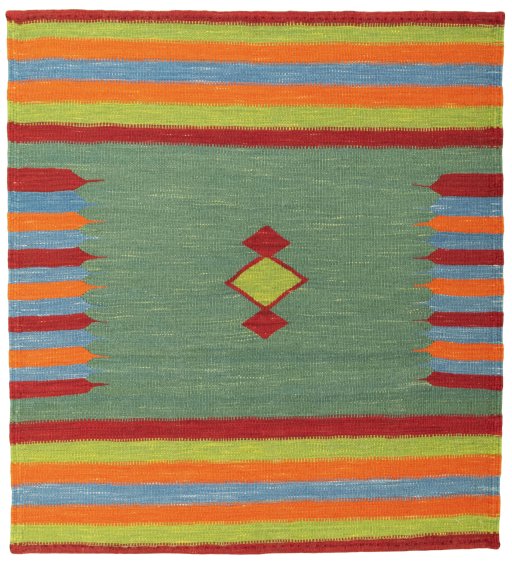
Kilim Sofre

Kilim Sofre

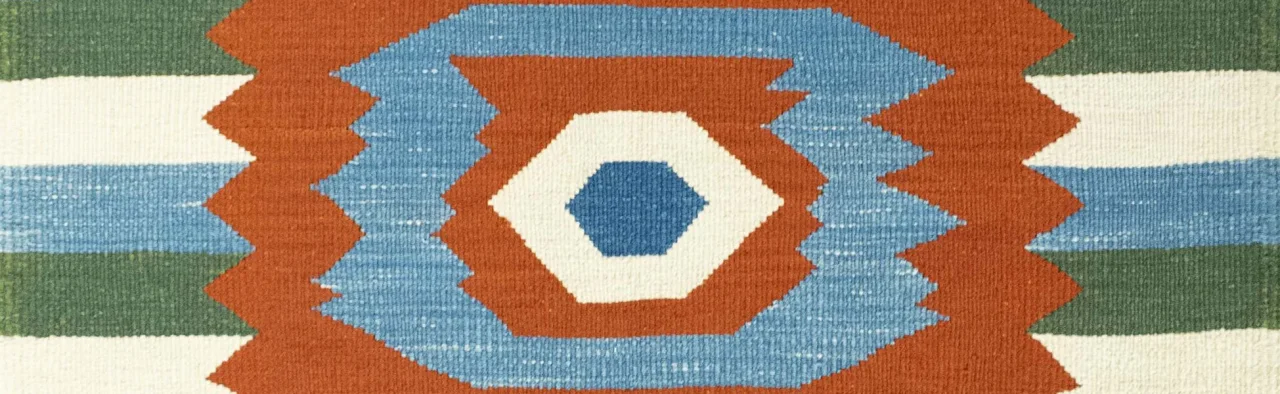
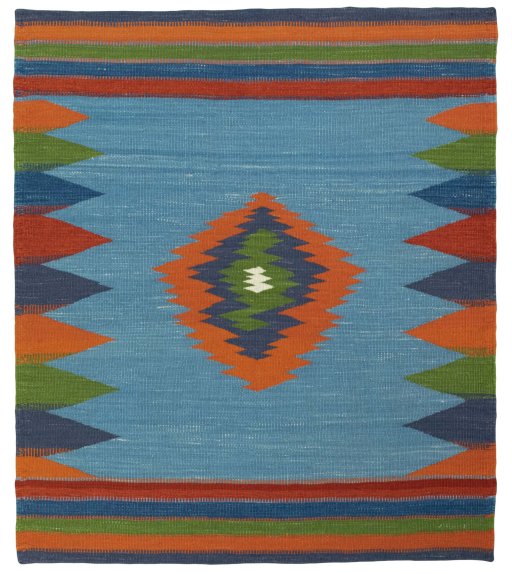
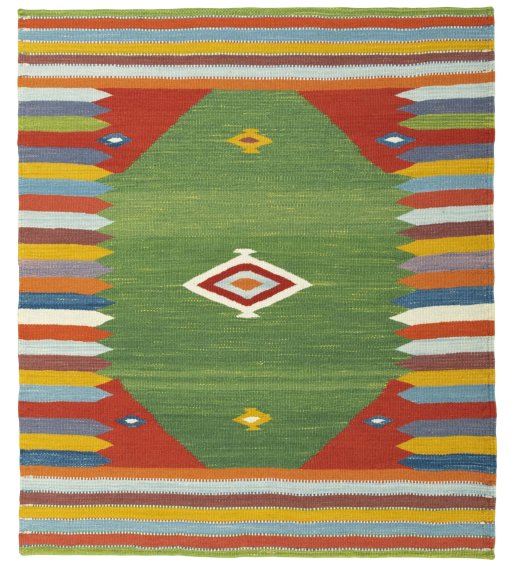
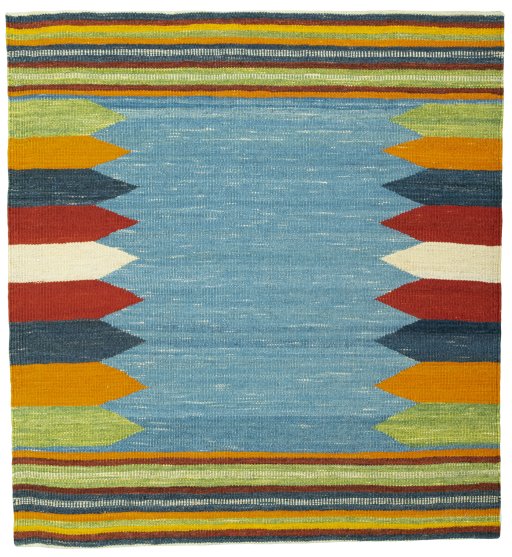
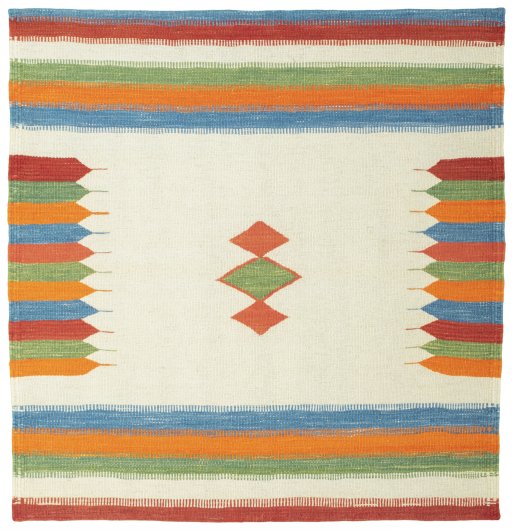
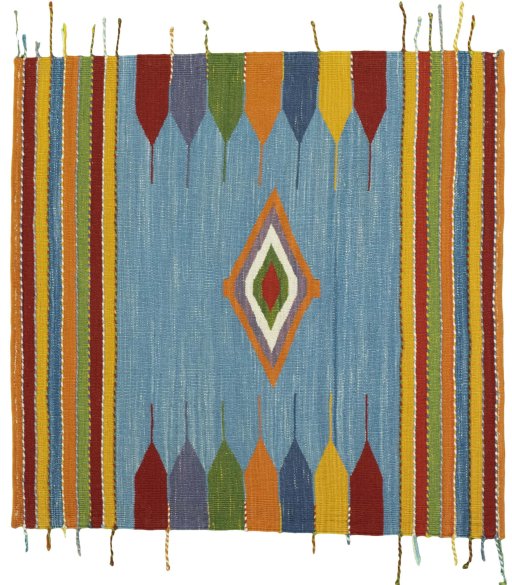
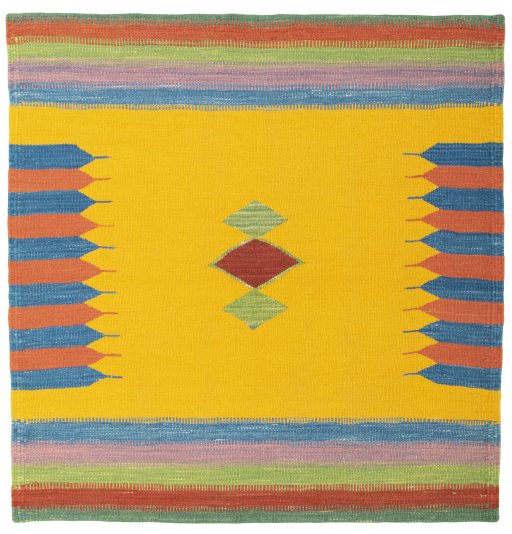
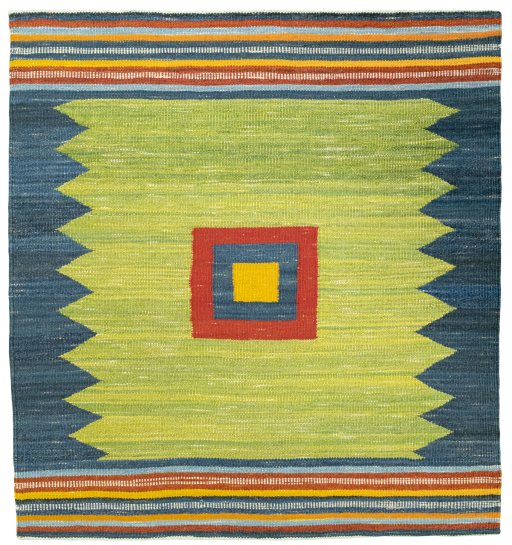
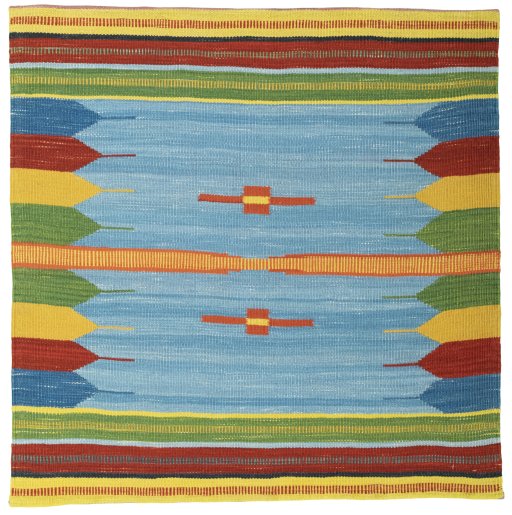
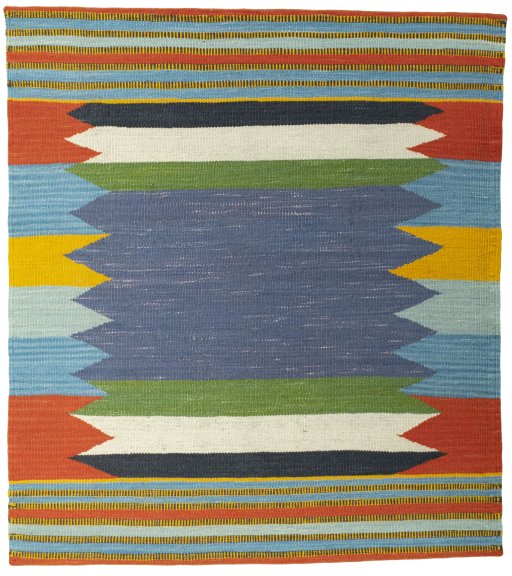
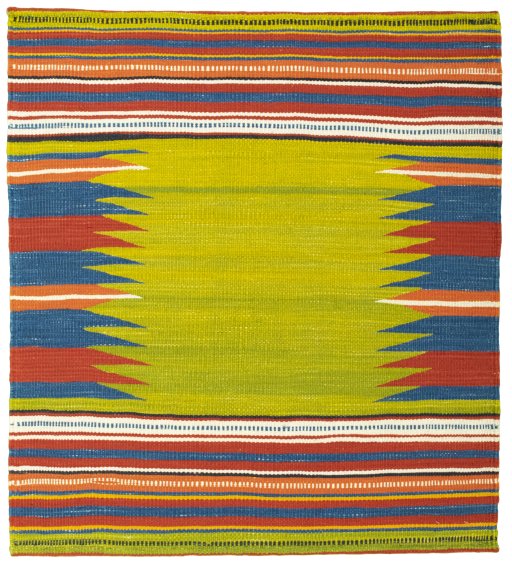
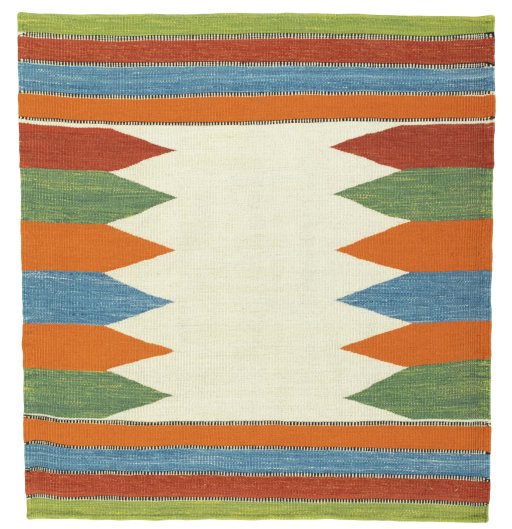
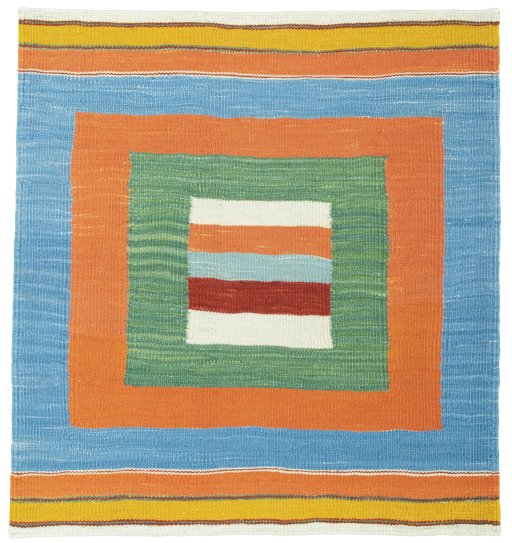
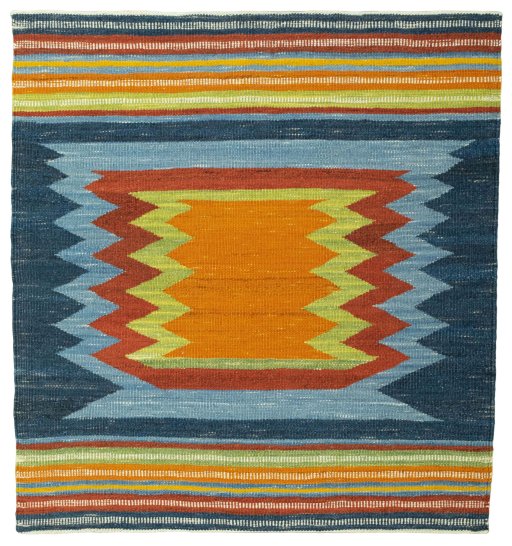
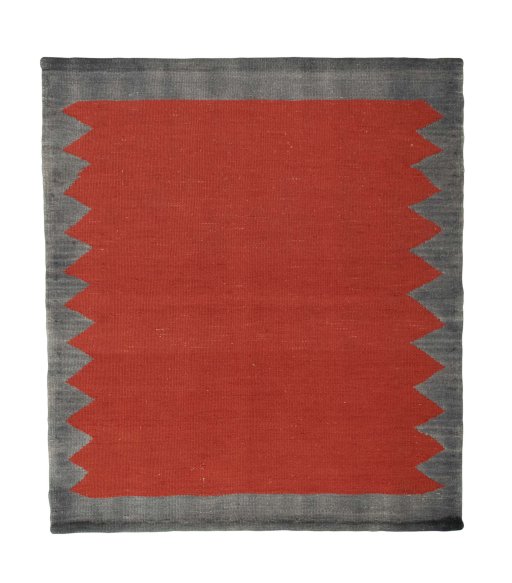
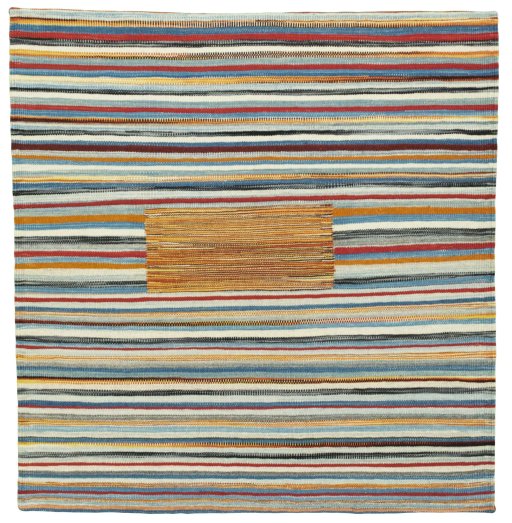
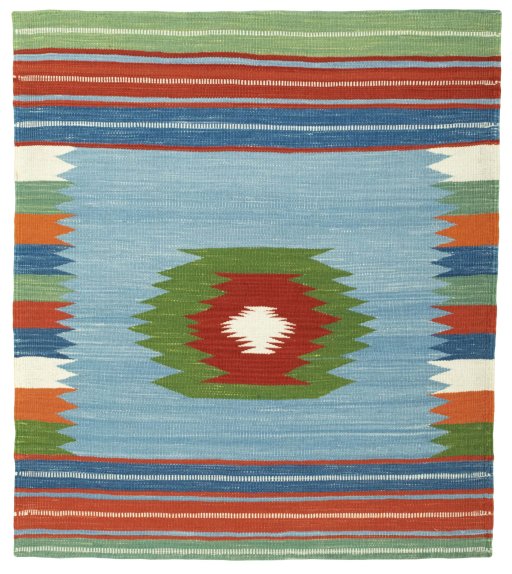
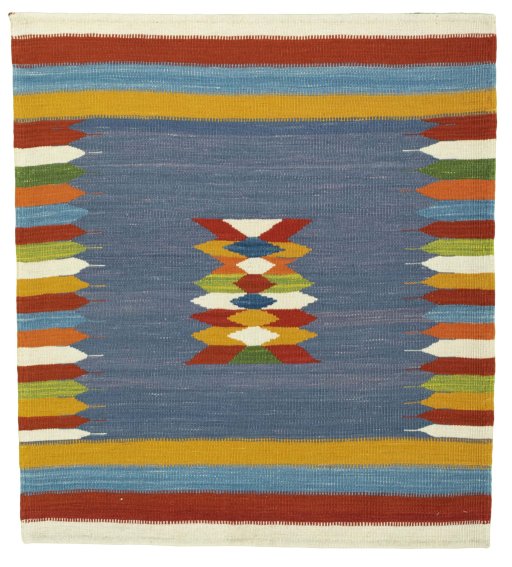
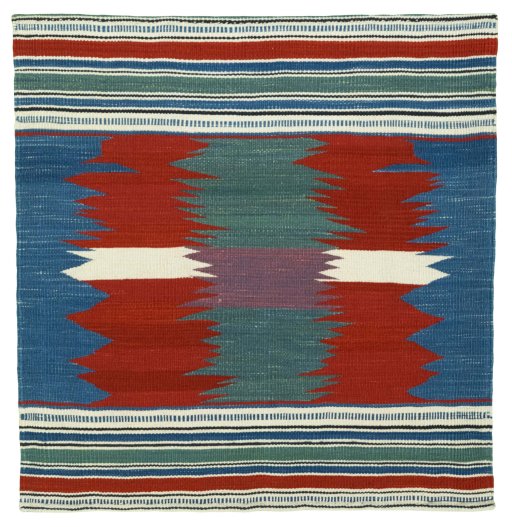
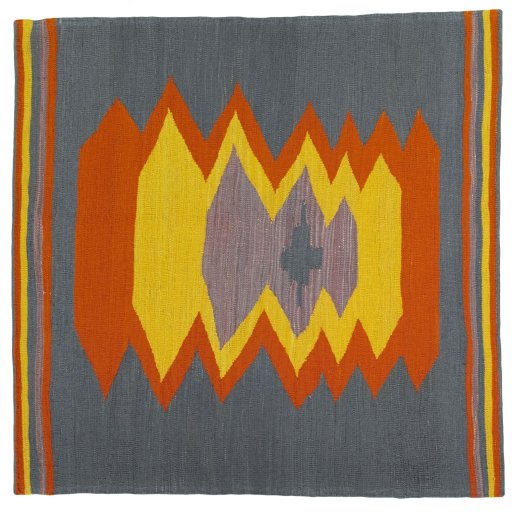
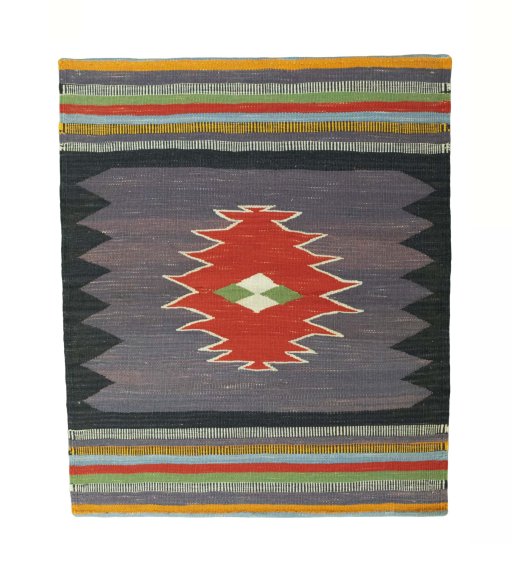
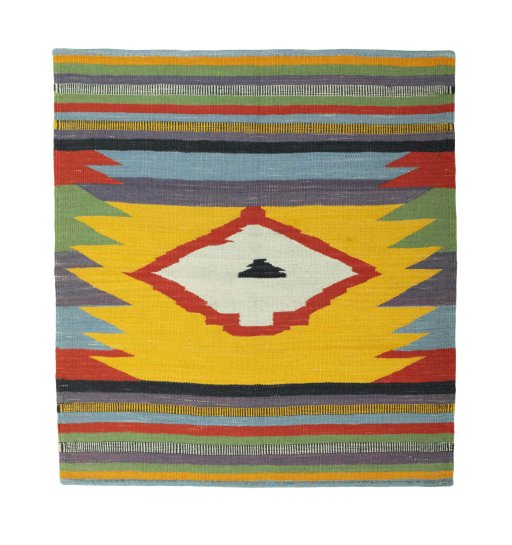
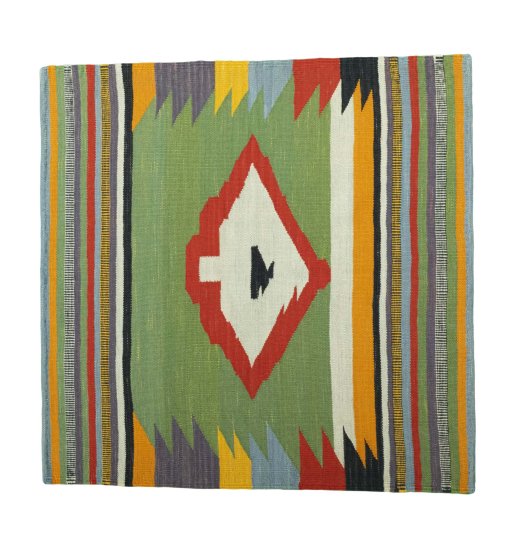
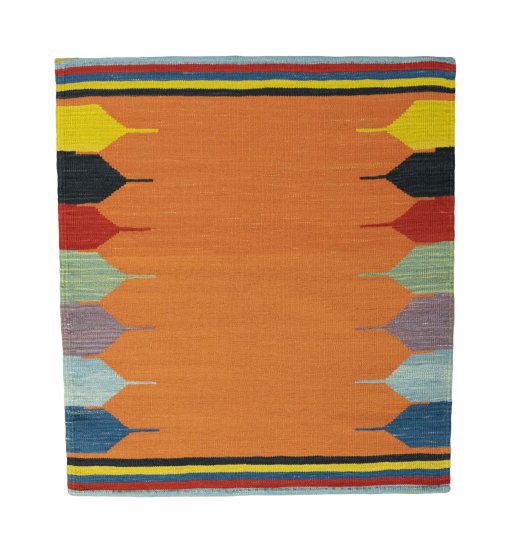
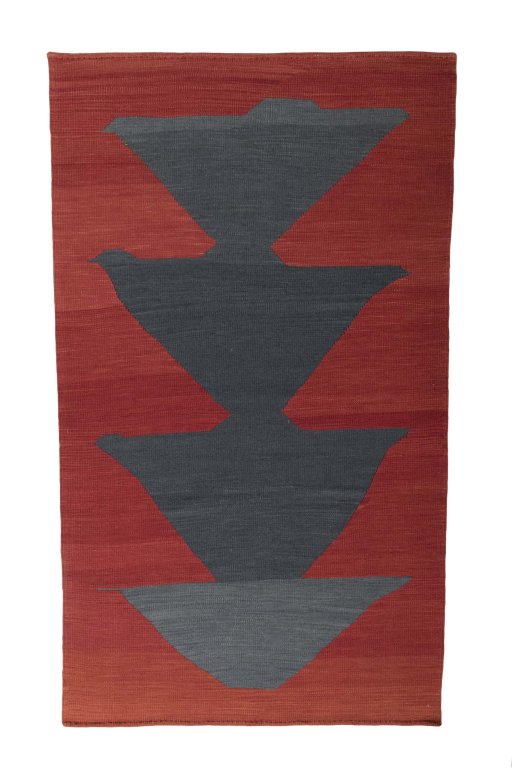
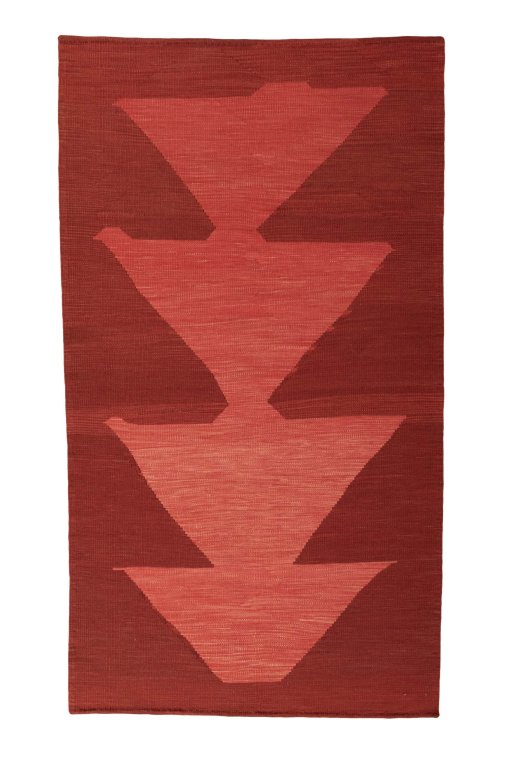
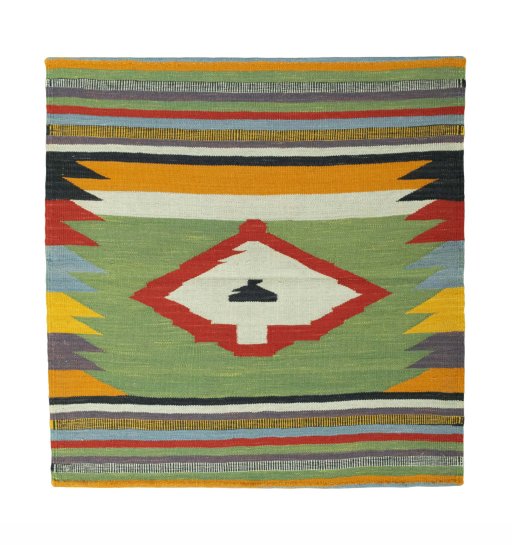
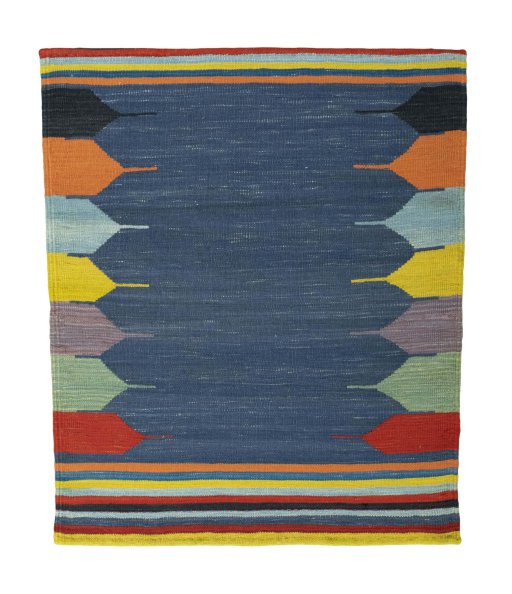
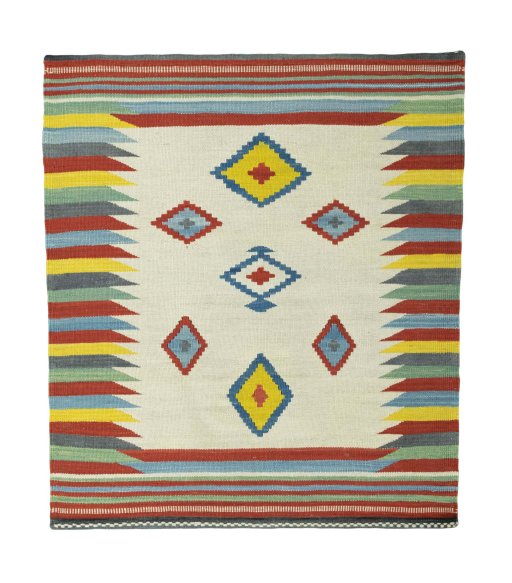
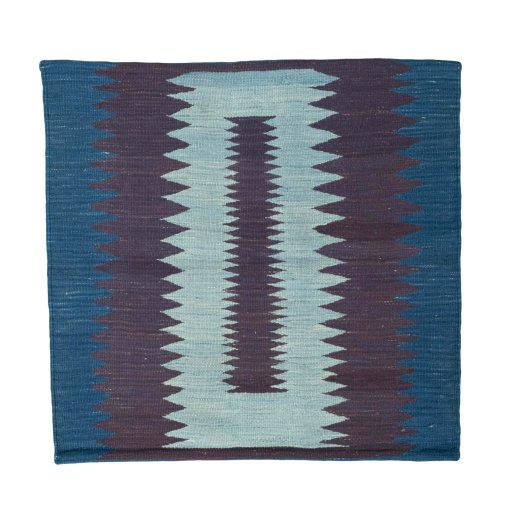
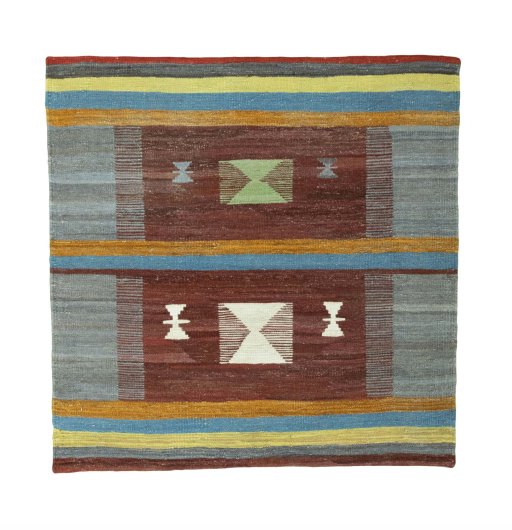
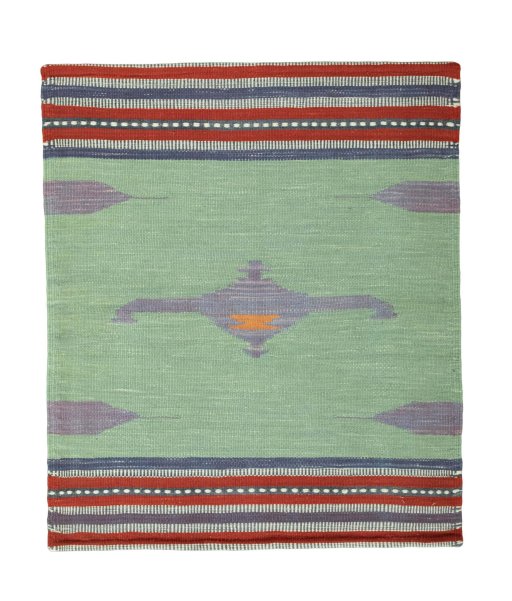
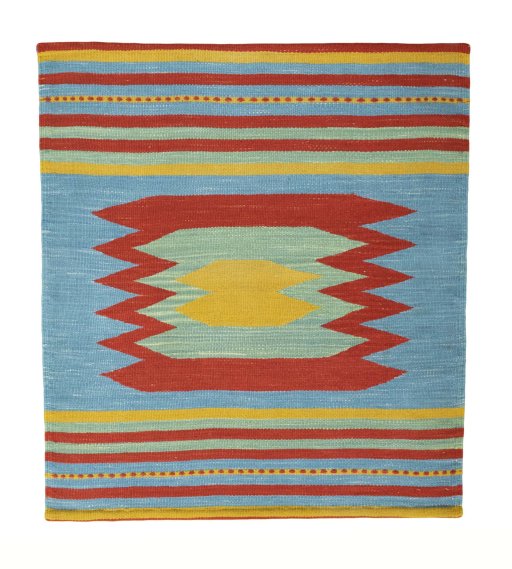
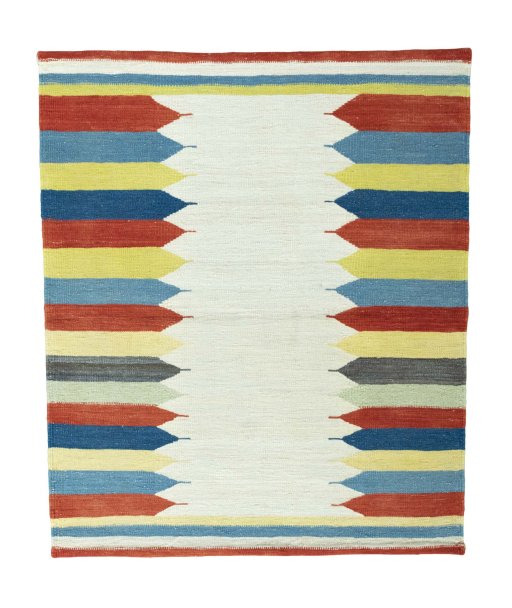
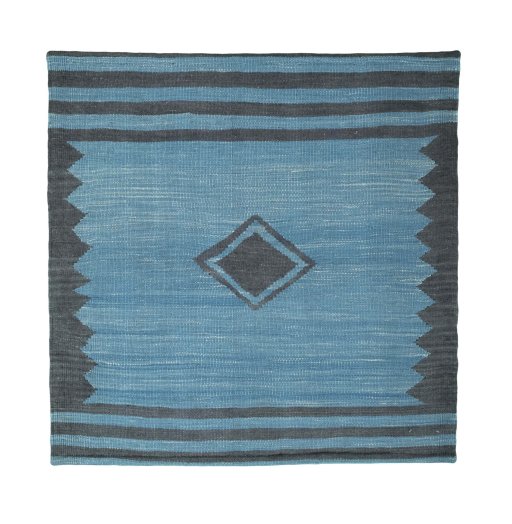
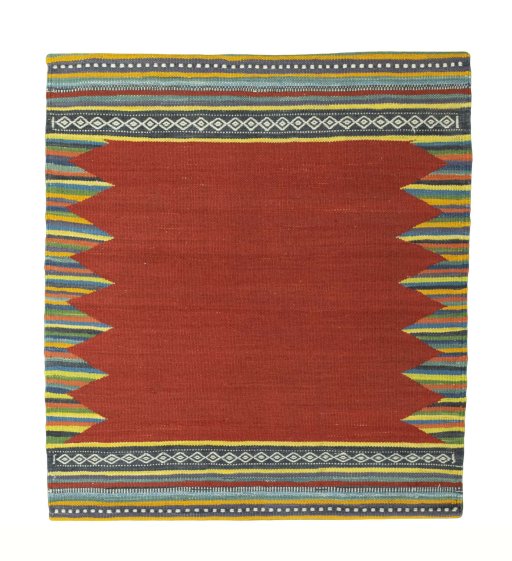
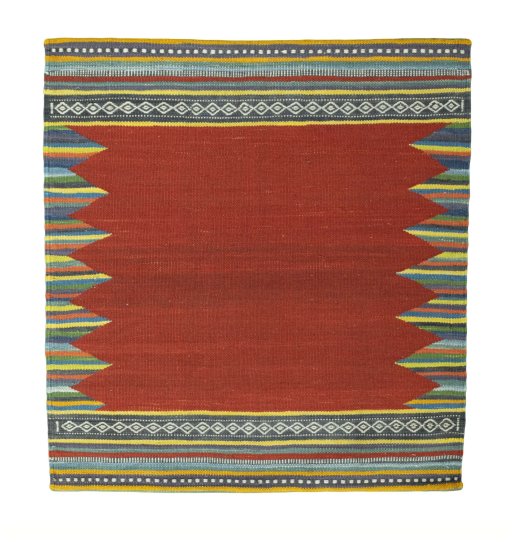
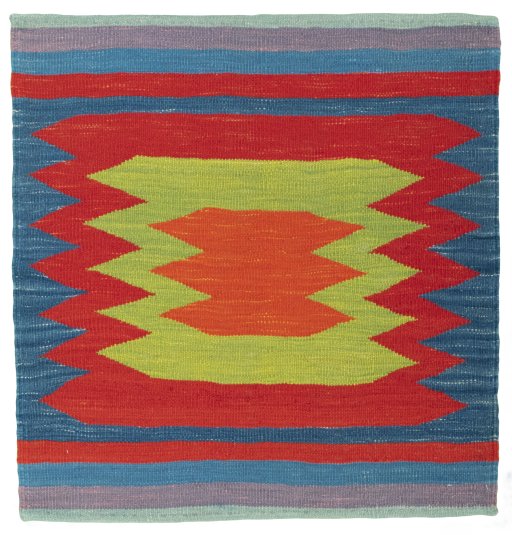
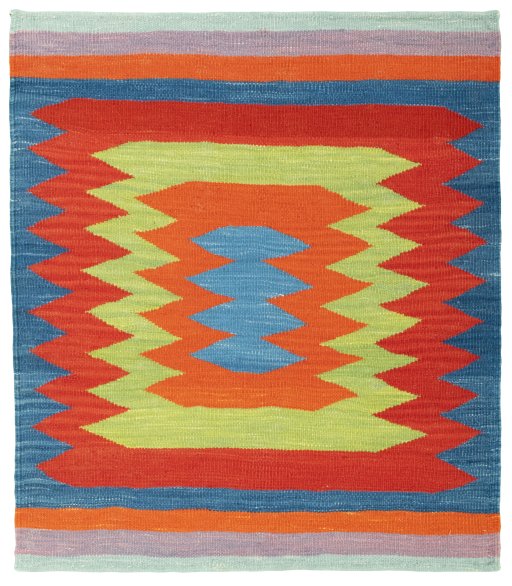
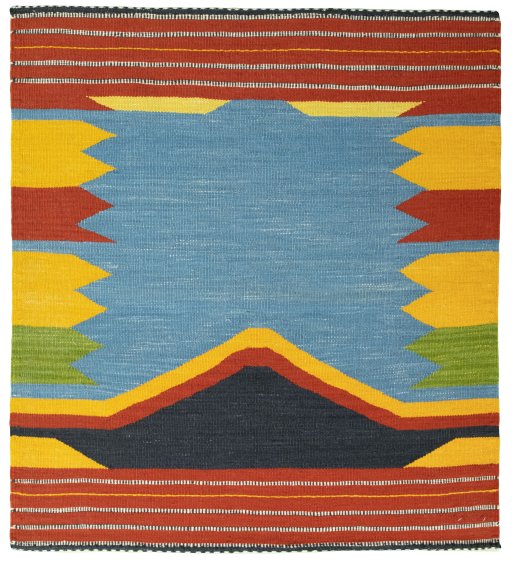
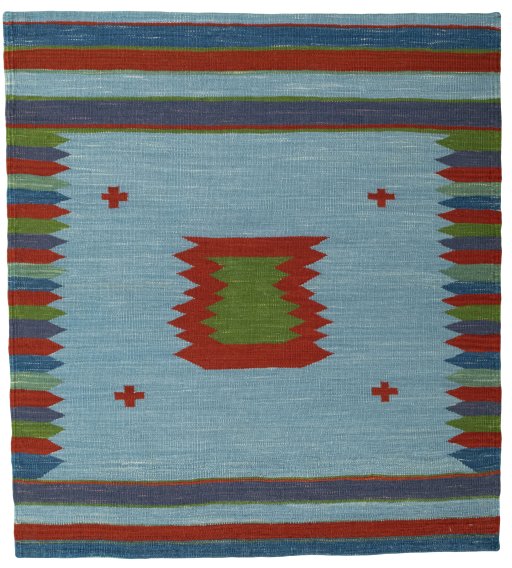
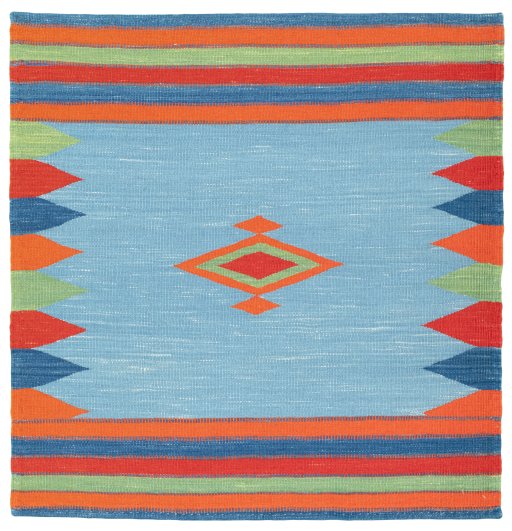
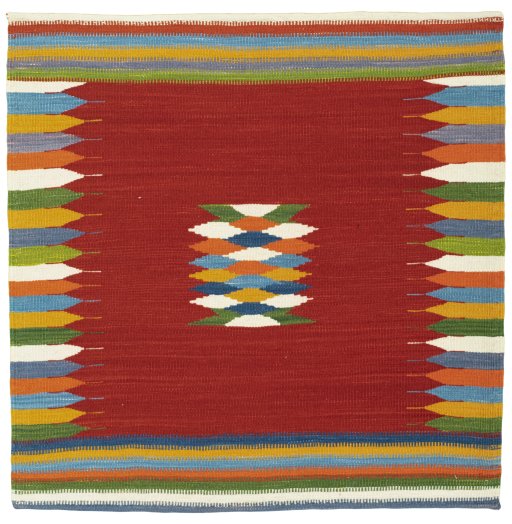
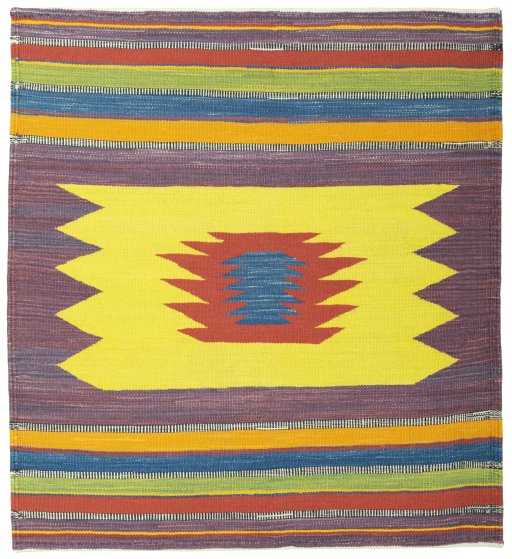
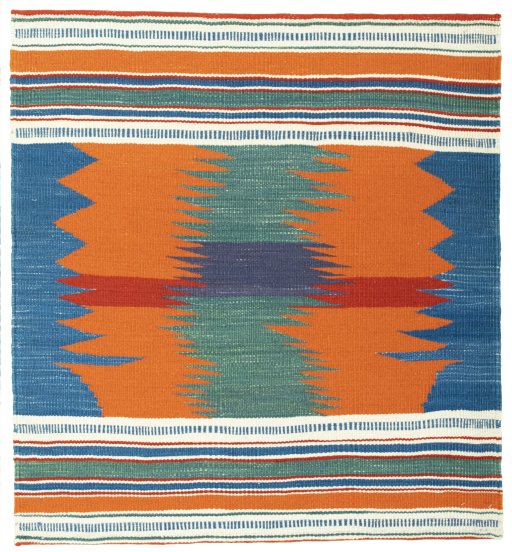
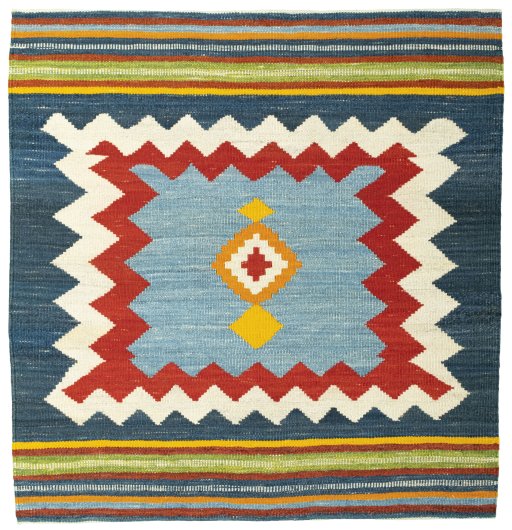
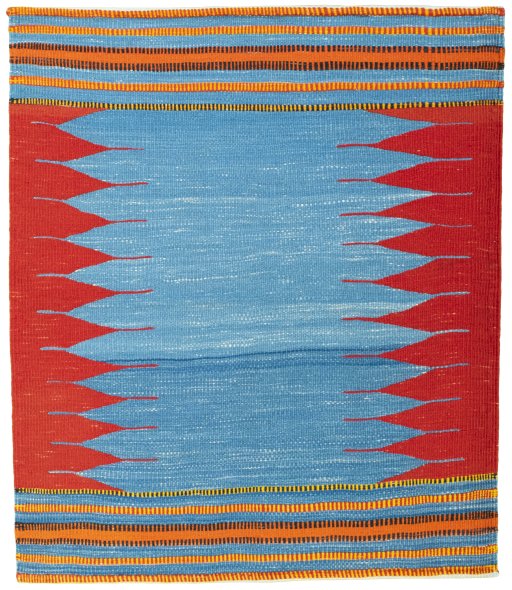
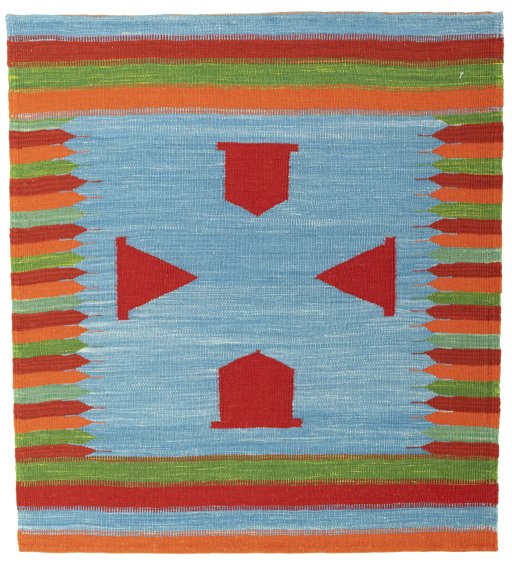
Los kilims Sofre son tejidos planos hechos a mano de la provincia de Azerbaiyán Occidental en Irán. Presentan patrones geométricos fuertes y una mezcla equilibrada de tonos tierra y más brillantes. Tejidos con lana de alta calidad utilizando métodos tradicionales, estos kilims son ligeros, reversibles y duraderos. Su versatilidad permite que se utilicen en el suelo, en la pared o como un elemento distintivo en interiores modernos.

Kilim Sofre

202 Alfombras encontradas
Alfombras 1 - 48 de 202

Kilim Sofreh

Traditional Nomadic Flatweaves from Iran

Kilim Sofreh, also known as Sofre or Sofreh kilims, are distinctive flatwoven textiles originating from the nomadic weaving traditions of Iran. Historically, they were created as practical household textiles used by nomadic tribes during daily life and special occasions. Today, they are valued as authentic examples of traditional craftsmanship and are increasingly appreciated as decorative rugs or wall textiles.
Kilim Sofreh are characterized by their geometric patterns, durable weaving structure, and natural wool materials. As flatweaves without a pile, they combine functional nomadic tradition with a timeless ethnic aesthetic.
The word Sofreh traditionally refers to a textile cloth used by nomadic communities as a ground covering for meals or ceremonial gatherings. These textiles played both practical and cultural roles in tribal life.
Many Sofreh weavings originate from regions in western and southwestern Iran, where nomadic groups such as the Qashqai and Luri have preserved traditional weaving techniques for generations. The patterns often reflect tribal identity, protective symbols, and elements inspired by nature.
Kilim Sofreh are known for their clear geometric motifs. Diamonds, stripes, small medallions, and stylized plant forms are common elements within these flatwoven pieces.
The patterns usually appear rhythmic and structured. Unlike floral city carpets, the focus is on simple symbolic forms that create an authentic and traditional visual language.
Sofreh kilims are traditionally woven from hand-spun wool. This natural material provides both durability and a pleasant textile texture.
Because kilims are woven rather than knotted, they have a thinner and lighter structure than pile carpets. This weaving technique makes Kilim Sofreh durable, flexible, and versatile in use.
The color palette of Kilim Sofreh traditionally comes from natural vegetable dyes. Warm reds and earthy browns are common base colors, often combined with blue, beige, or black accents.
Natural dyeing processes frequently create subtle tonal variations within the yarn, known as abrash, giving each piece a lively and individual character.
Today Kilim Sofreh are valued not only as traditional textiles but also as decorative elements in modern interiors.
In contemporary spaces they add cultural depth and handcrafted texture to minimalist designs. In bohemian or ethnic-inspired interiors they reinforce the authentic nomadic aesthetic and create a warm, natural atmosphere.

Rugbloom curates Kilim Sofreh according to clear quality standards. Authentic origin, traditional weaving techniques, natural materials, and balanced color composition are central criteria.
A Kilim Sofreh from Rugbloom combines nomadic craftsmanship with timeless interior aesthetics. Customers also benefit from free shipping and returns as well as a 30-day return policy.

Discover handwoven Kilim Sofreh that connect traditional nomadic culture with modern living spaces.

Envío gratis y devoluciones gratuitas
Garantía de devolución de dinero de 31 días
Compra ahora, paga después
Desde 1870: expertos en alfombras orientales