
Yalameh

Yalameh

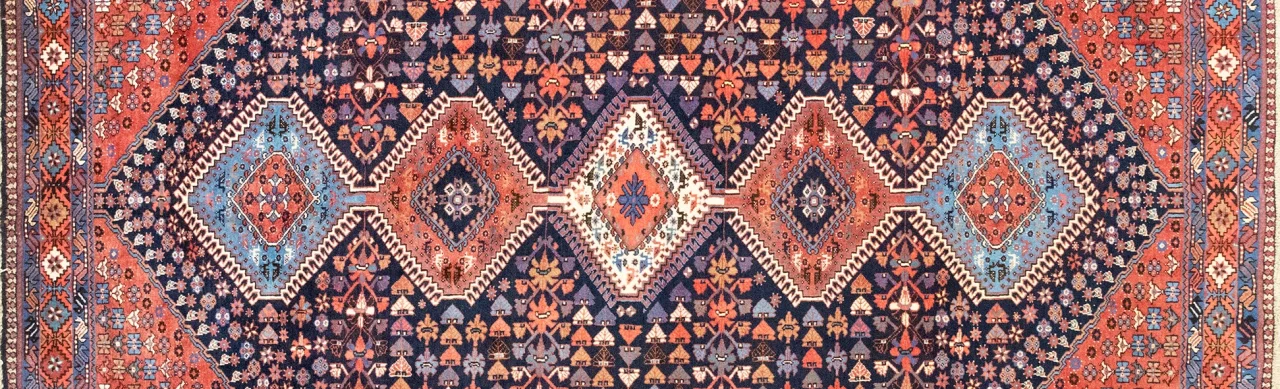
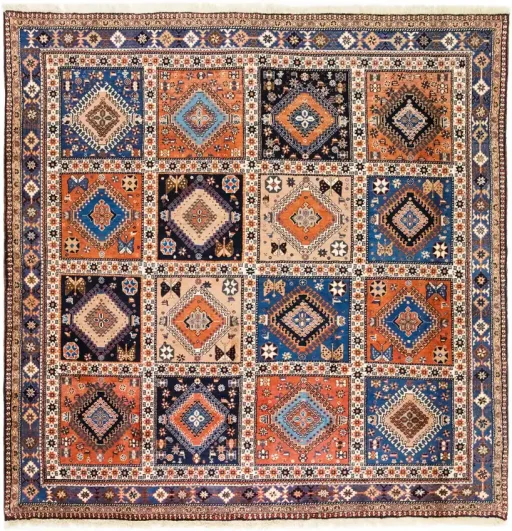
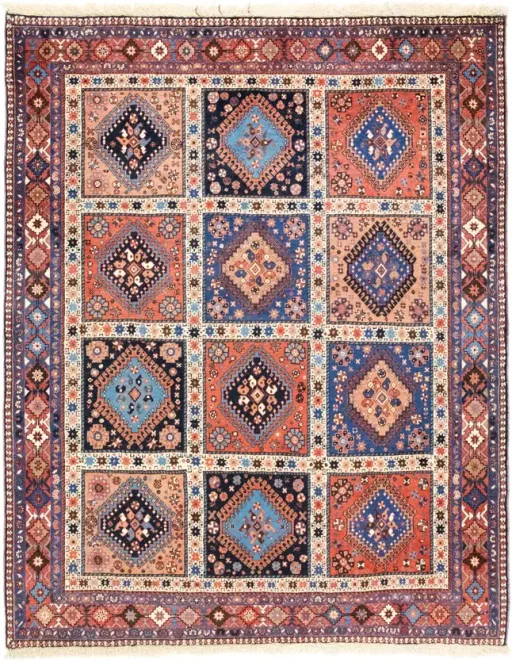
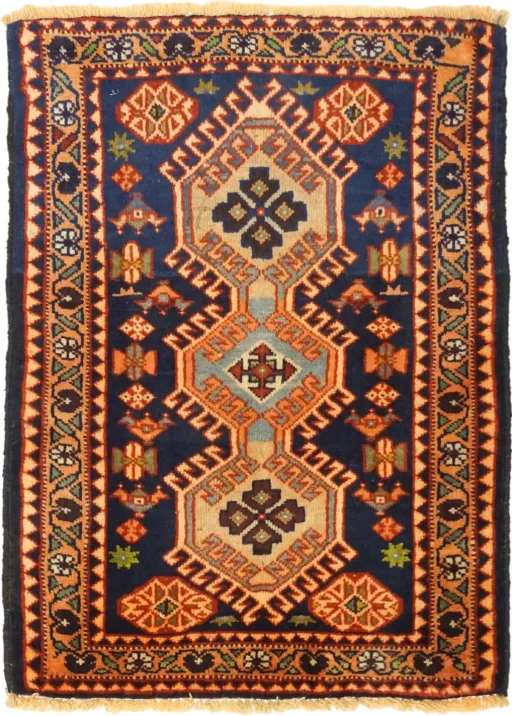
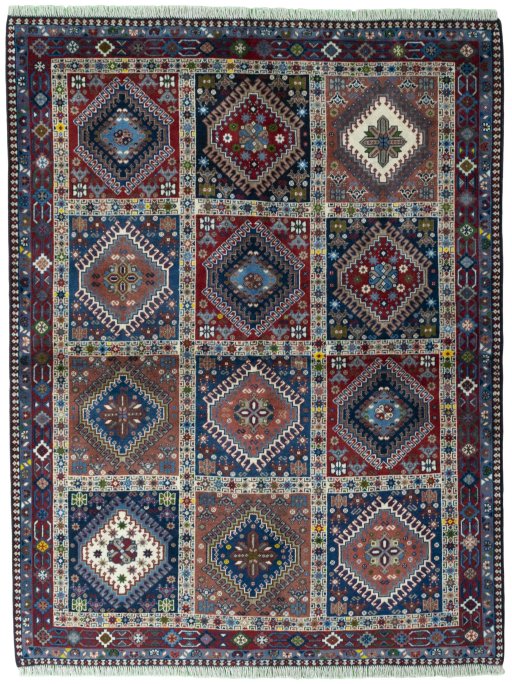
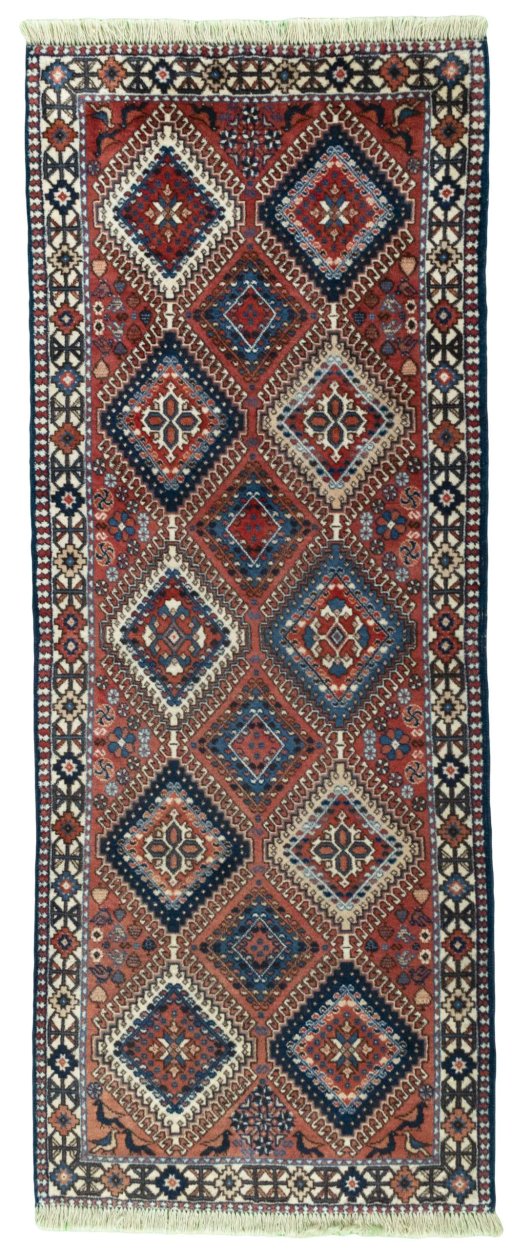
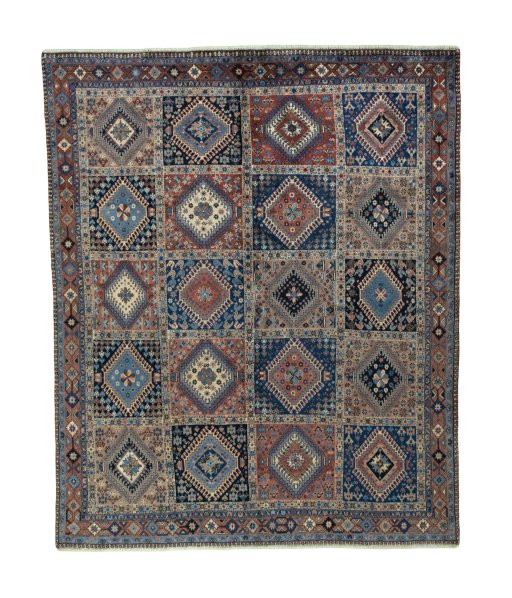
Las alfombras Yalameh son tejidas a mano en el pueblo de Yalameh en el suroeste de Irán y continúan una larga tradición regional de tejido. Son conocidas por su fina artesanía y densa estructura de nudos, a menudo mostrando diseños geométricos distintivos combinados con pequeños elementos florales. Hechas de lana nueva sobre una base de algodón, las alfombras Yalameh aparecen en muchos tamaños y estilos, lo que las convierte en una parte versátil del tejido de alfombras persas.

Yalameh

20 Alfombras encontradas
Alfombras 1 - 20 de 20

Yalameh Rugs

Geometric Nomadic Persian Carpets from Southern Iran

Yalameh rugs are among the most distinctive nomadic Persian carpets from southern Iran. Traditionally woven by tribal groups in the Fars province, they stylistically bridge the traditions of Qashqai and Shiraz rugs while maintaining their own recognizable identity.
Known for their clear geometric structures, vibrant natural dyes, and high-quality hand-spun wool, Yalameh rugs combine authentic tribal craftsmanship with a precise, almost graphic design language. Their balanced composition allows them to feel both traditional and surprisingly contemporary.
Yalameh rugs originate from tribal and village communities surrounding Shiraz in the Fars region. Over generations, the Yalameh tribes developed a distinct ornamental vocabulary that sets their carpets apart within the broader family of Persian nomadic rugs.
Unlike more spontaneous tribal weavings, Yalameh rugs typically display structured symmetry and deliberate pattern alignment. This fusion of tribal symbolism and compositional clarity gives them a refined yet authentic character.
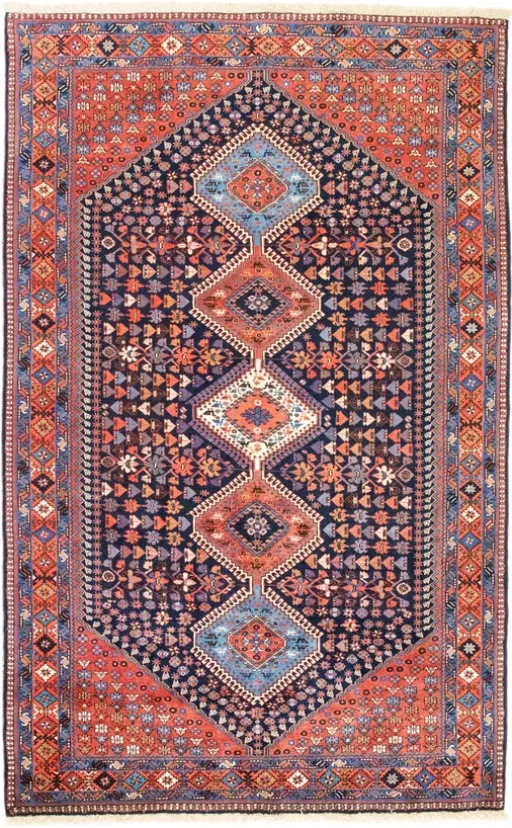
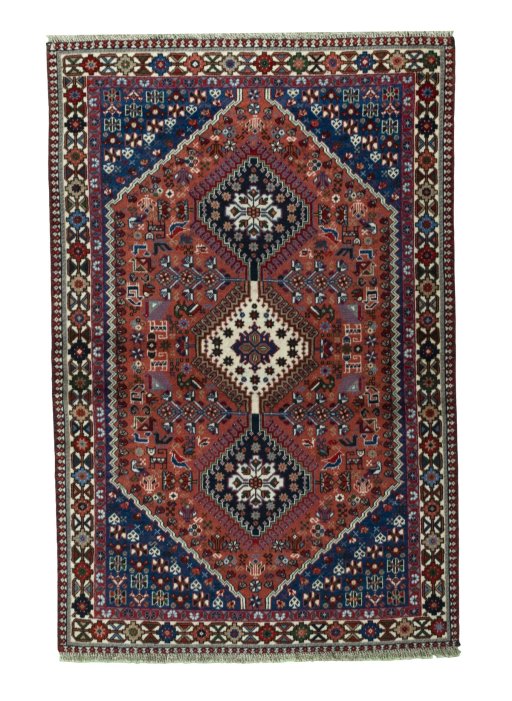
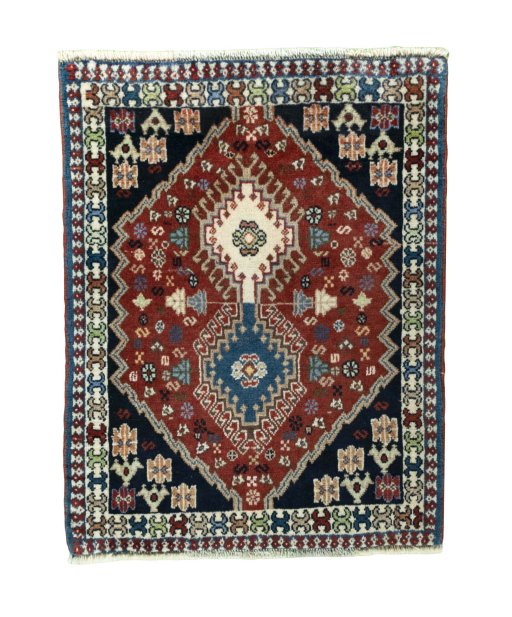
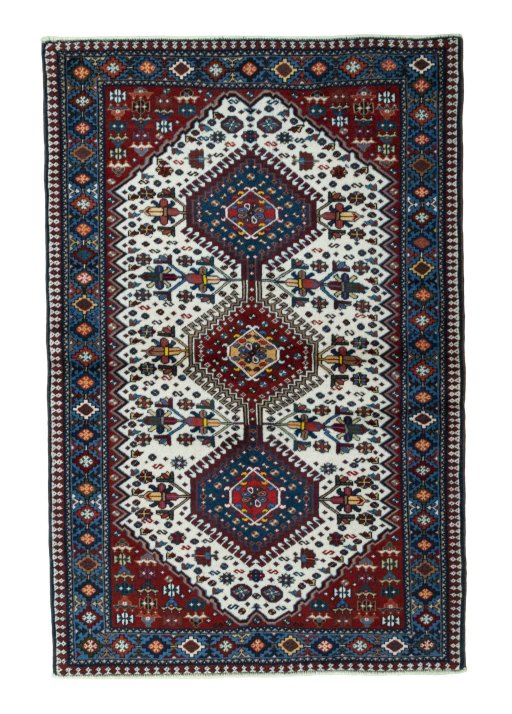
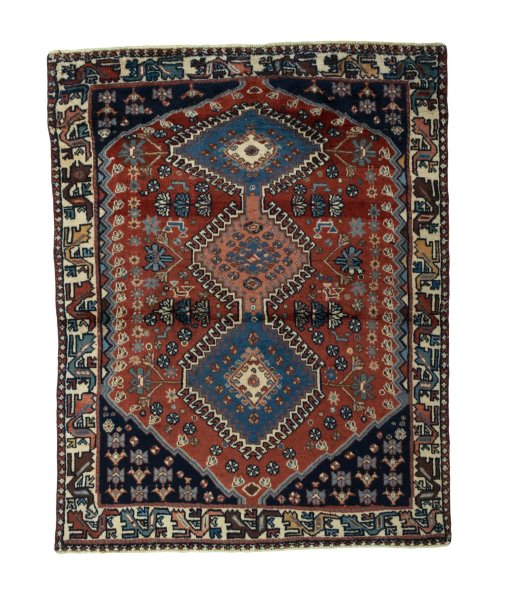
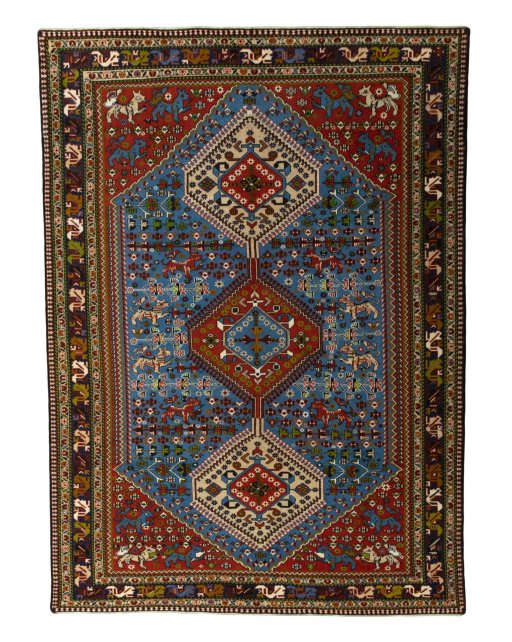
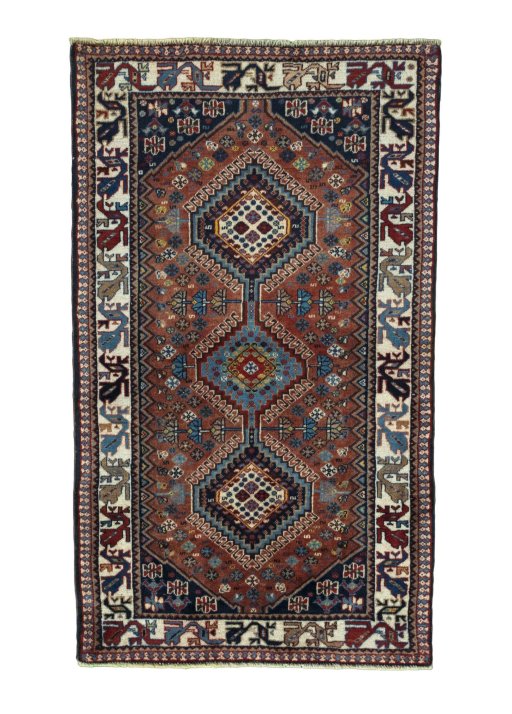
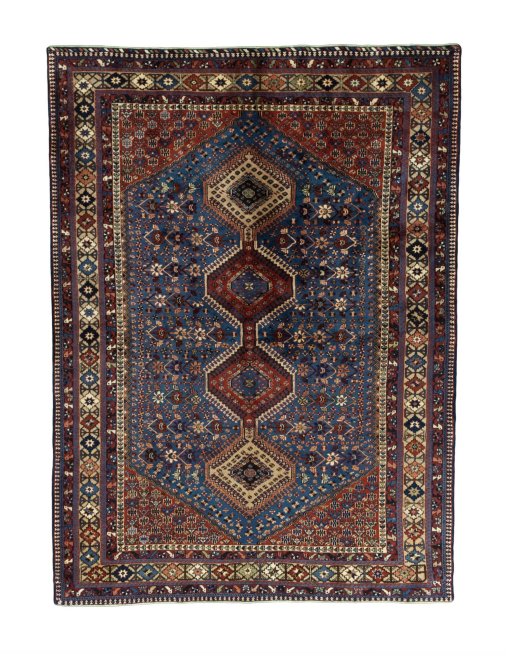
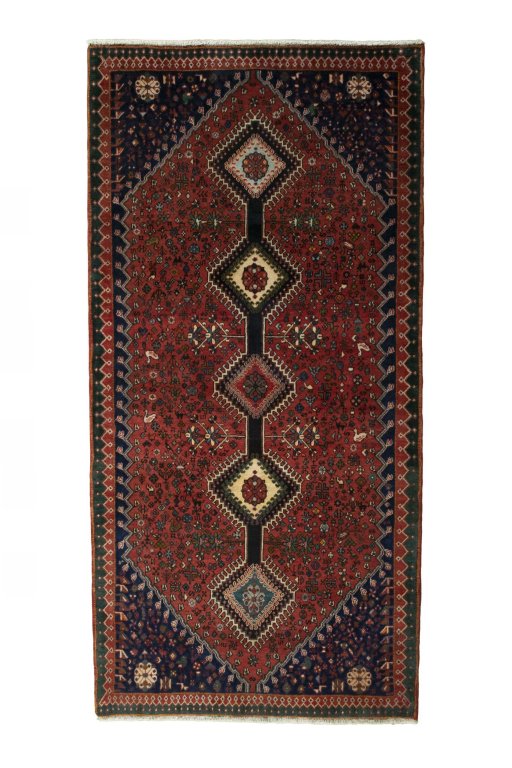
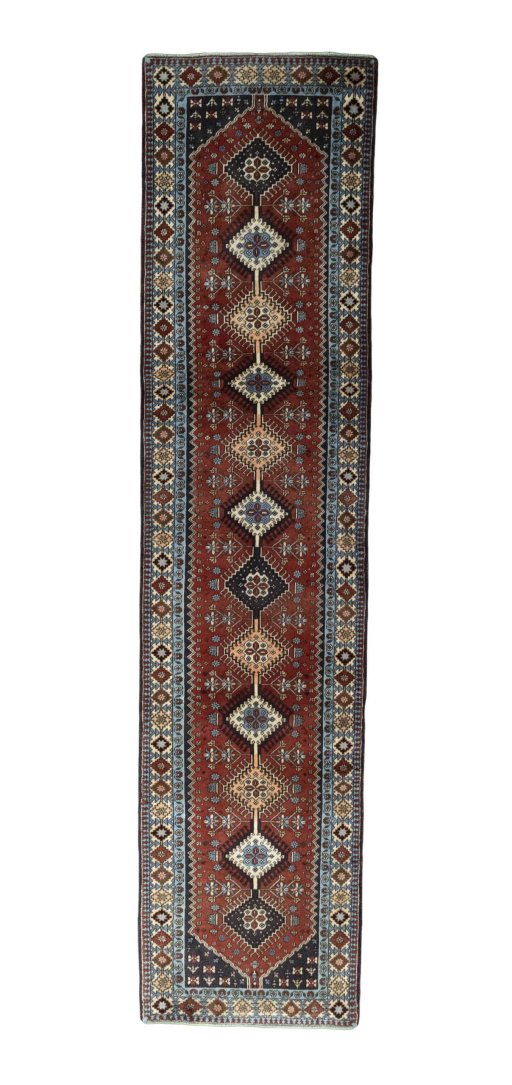
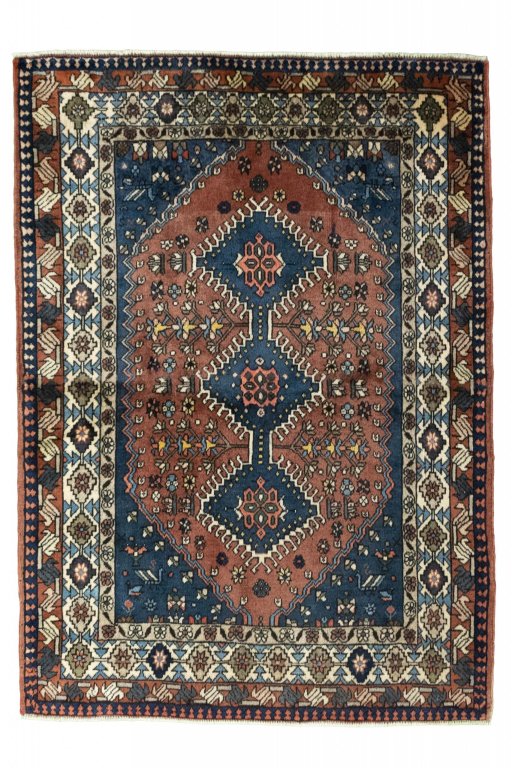
A defining feature of Yalameh rugs is the vertically arranged series of geometric medallions within the central field. These diamond or hexagonal motifs create a strong visual axis and structured rhythm.
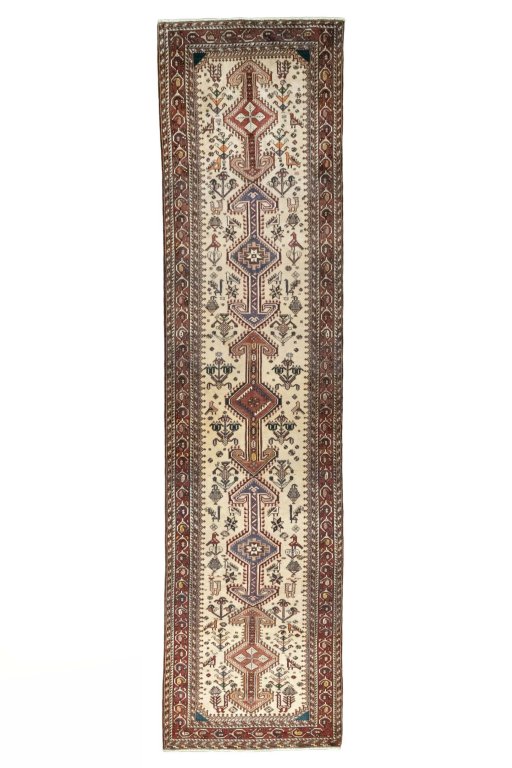
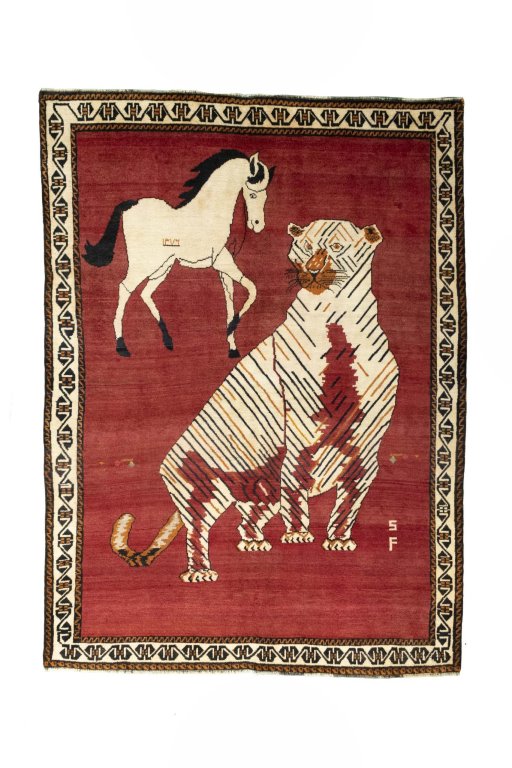
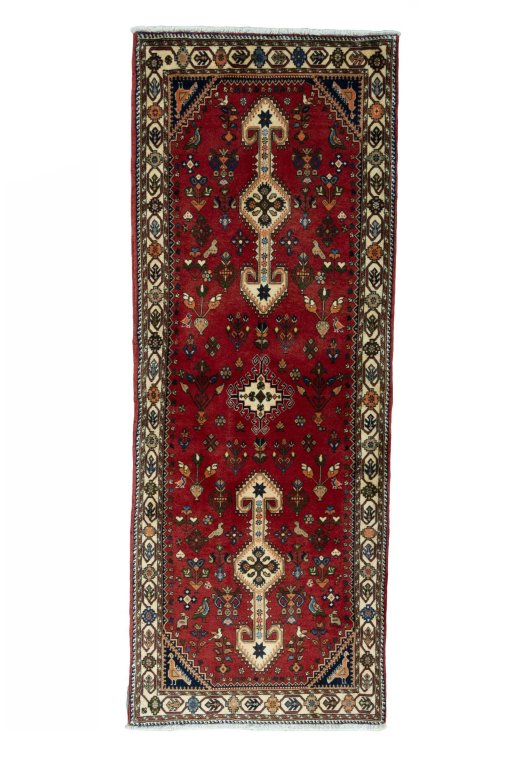
Smaller tribal symbols, stylized animals, and protective motifs often complement the main design. Borders are clearly articulated, framing the field with precise linear definition.
The overall effect is bold but not overwhelming. This geometric clarity makes Yalameh rugs versatile design elements suitable for both classic and modern interiors.
Yalameh rugs are recognized for their vibrant yet harmonious color palettes. Deep reds dominate the field, often combined with navy blue, ivory, green, or golden yellow accents. Traditional vegetable dyes are commonly used, producing rich and naturally nuanced tones.
Crafted from hand-spun wool, Yalameh rugs offer a lively surface texture and a soft yet durable feel. Subtle color variations, known as abrash, enhance the authenticity and handmade quality of each piece.
Yalameh rugs generally feature a medium to relatively fine knot density, allowing for clear motif definition while maintaining durability.
The foundation is often wool-based, which provides flexibility and resilience. This construction ensures that Yalameh rugs are suitable for everyday living spaces while retaining their structural integrity over time.
With their structured geometry and rich colors, Yalameh rugs create confident focal points. In modern interiors, they function as graphic design statements, adding warmth to minimalist architecture.
In classic or ethnically inspired settings, they reinforce cultural depth and traditional elegance. They also complement bohemian and industrial interiors by introducing texture and authentic nomadic heritage.
A Yalameh rug brings structure, warmth, and personality to any space.

At Rugbloom, Yalameh rugs are curated according to strict quality standards. Authentic provenance, natural dye integrity, premium wool quality, and precise craftsmanship are central to our selection process.
A Yalameh rug from Rugbloom represents genuine tribal artistry, durable materials, and timeless geometric elegance.

Discover Yalameh rugs that unite traditional craftsmanship with modern interior aesthetics.

Envío gratis y devoluciones gratuitas
Garantía de devolución de dinero de 31 días
Compra ahora, paga después
Desde 1870: expertos en alfombras orientales