
Antique

Antique

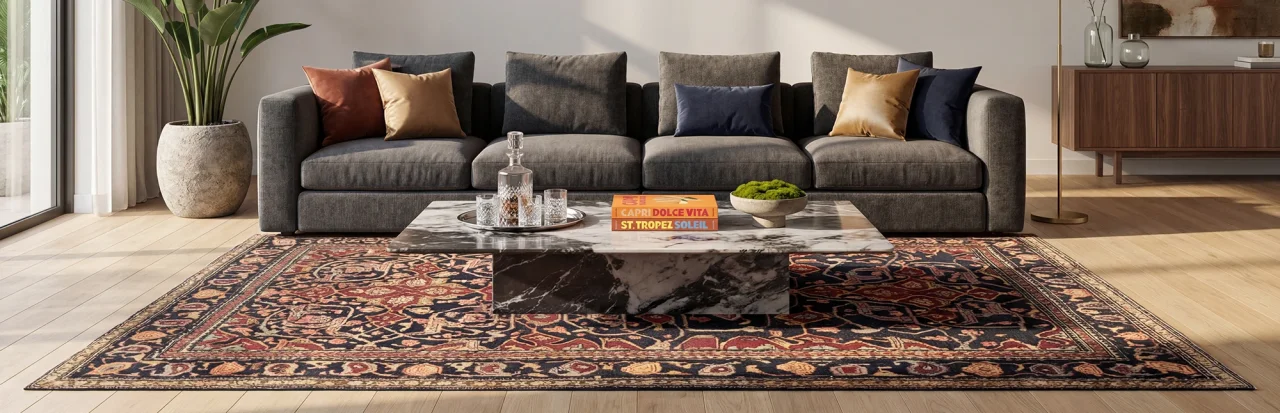
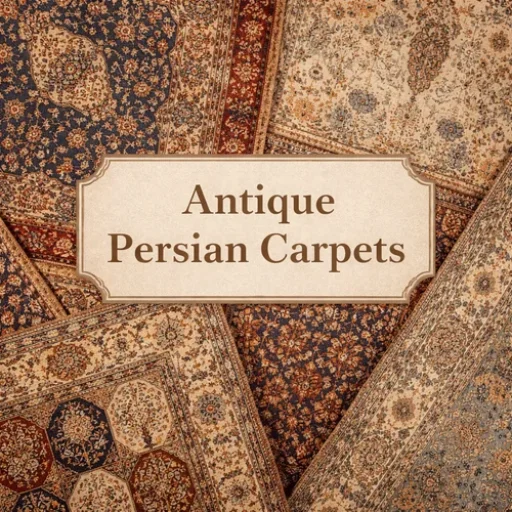
Les tapis anciens sont des œuvres historiques d'artisanat créées il y a plus d'un siècle. Ils représentent des traditions de tissage qui ne peuvent pas être reproduites sous la même forme aujourd'hui, définies par des motifs rares, des teintures naturelles et un travail manuel magistral. Leur patine raffinée et leur profondeur de couleur reflètent à la fois l'âge et l'authenticité. Tissés principalement en laine sur des bases en coton ou en laine, les tapis anciens sont considérés comme des pièces de collection, appréciées pour leur rareté, leur signification culturelle et leur importance durable.

Antique

483 Tapis trouvés
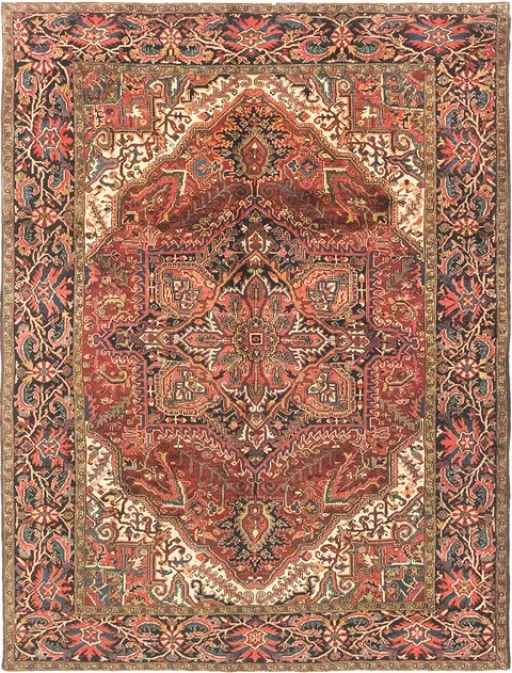
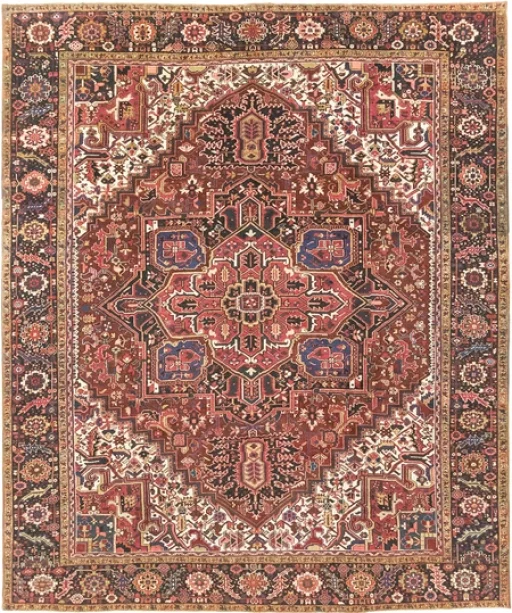
Heriz Ancien

Heriz Ancien

340 × 254 cm
4,240 €
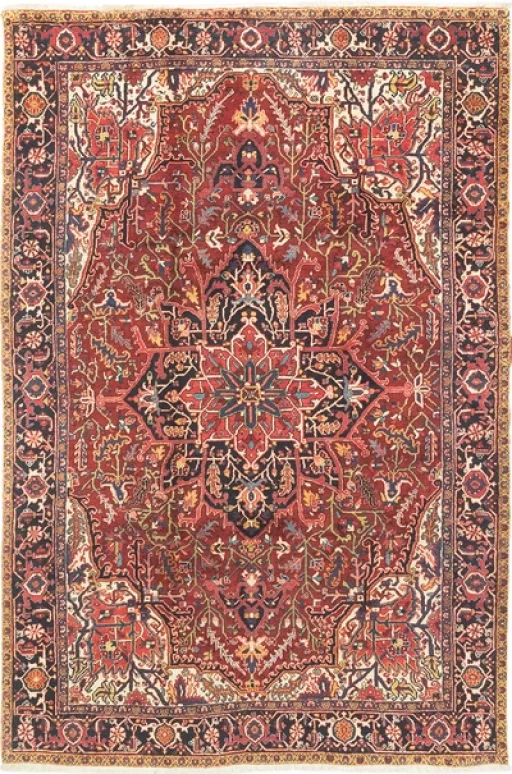
Heriz Ancien

Heriz Ancien

351 × 234 cm
3,990 €
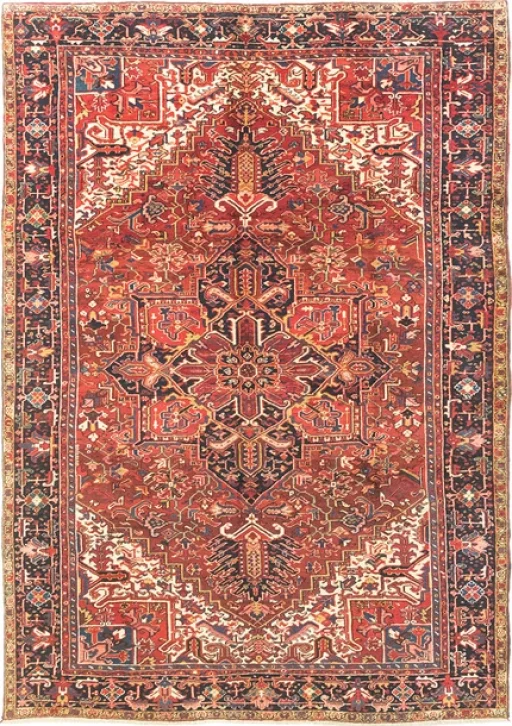
Heriz Ancien

Heriz Ancien

366 × 267 cm
3,740 €
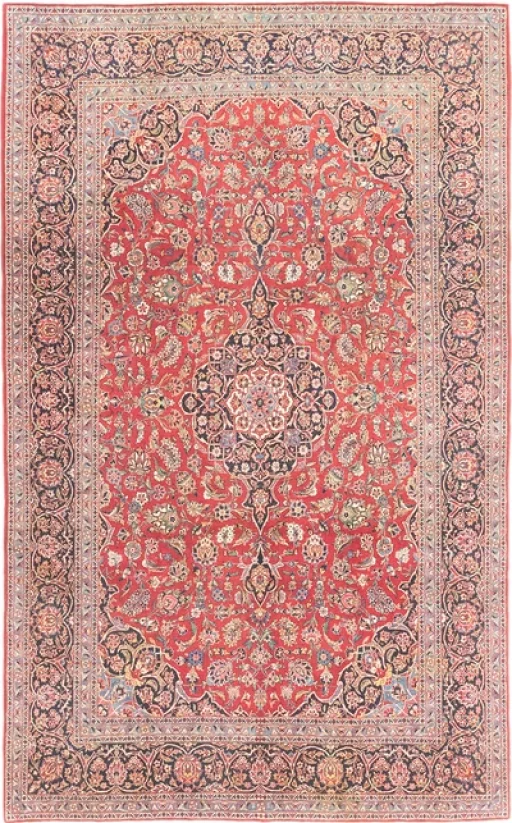
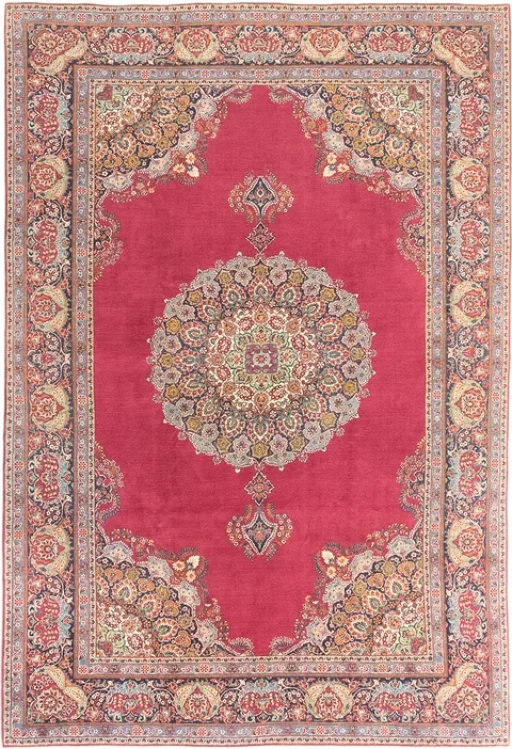
Kashan Semi Ancien

Kashan Semi Ancien

363 × 229 cm
3,240 €
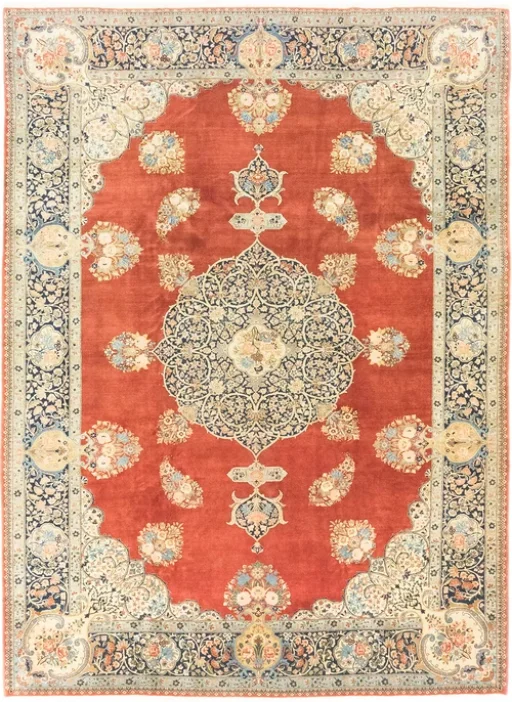
Tabriz Antique

Tabriz Antique

375 × 275 cm
11,240 €
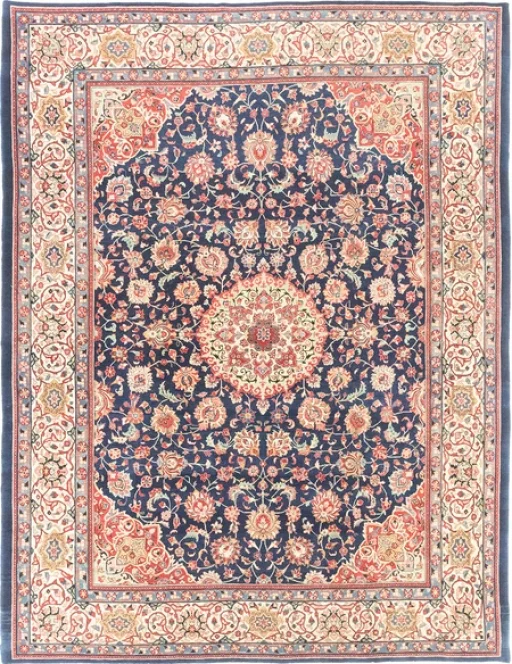
Sarough Semi Ancien

Sarough Semi Ancien

370 × 280 cm
3,990 €
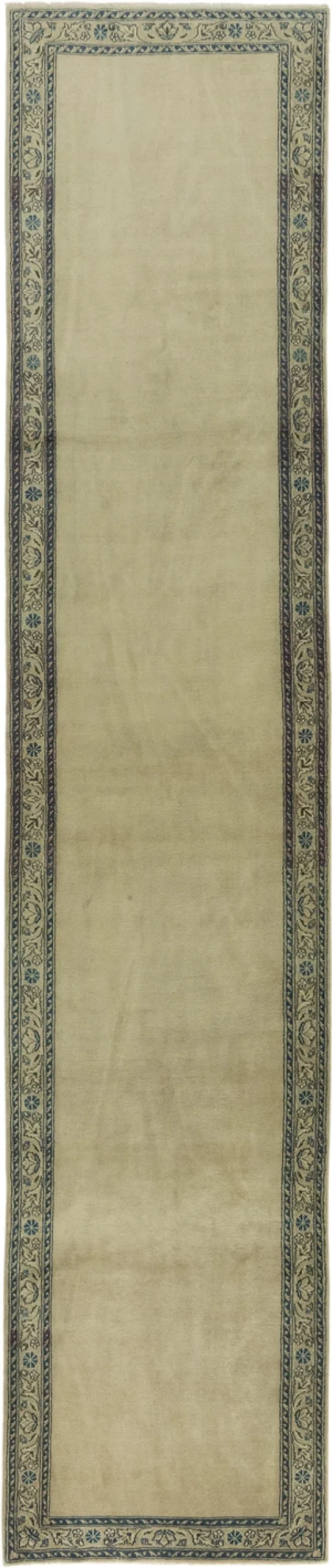
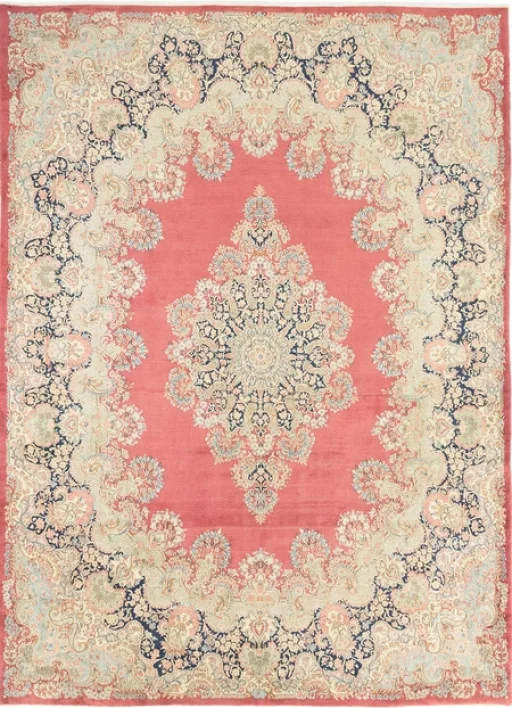
Kerman Ancien

Kerman Ancien

456 × 95 cm
1,615 €
Heriz Ancien

Heriz Ancien

388 × 327 cm
4,240 €
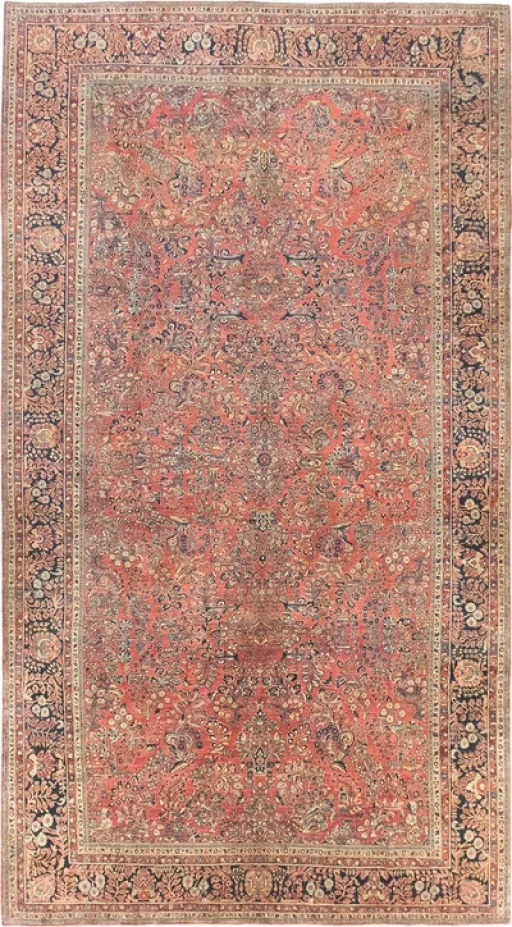
American Sarough Ancien

American Sarough Ancien

615 × 343 cm
14,990 €
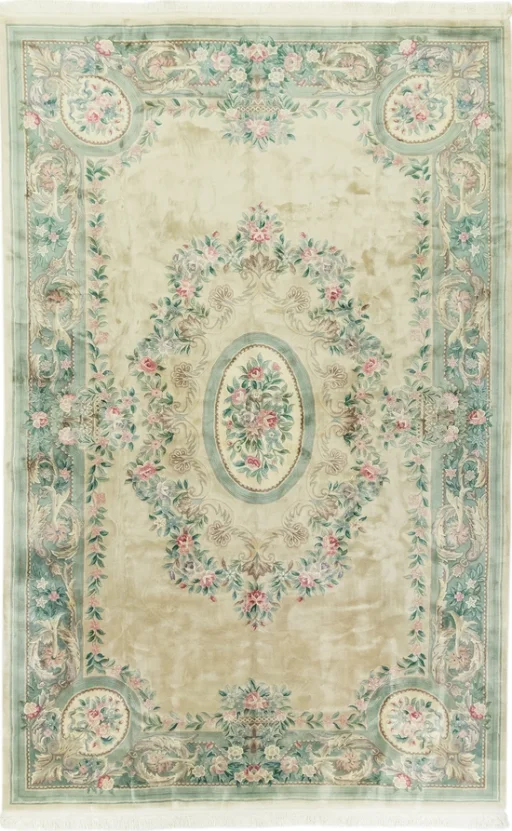
China Semi Ancien

China Semi Ancien

520 × 335 cm
8,740 €
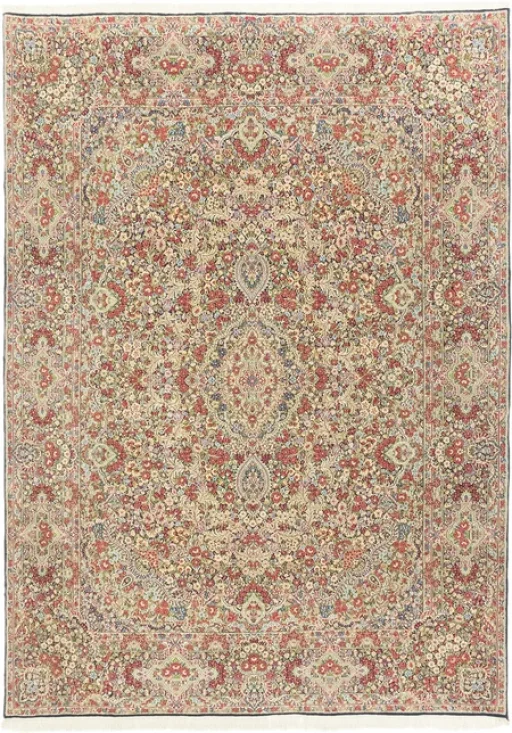
Kerman Semi Ancien

Kerman Semi Ancien

400 × 300 cm
3,240 €
Kerman Semi Ancien

Kerman Semi Ancien

415 × 310 cm
4,990 €
Kerman Semi Ancien

Kerman Semi Ancien

387 × 266 cm
4,240 €
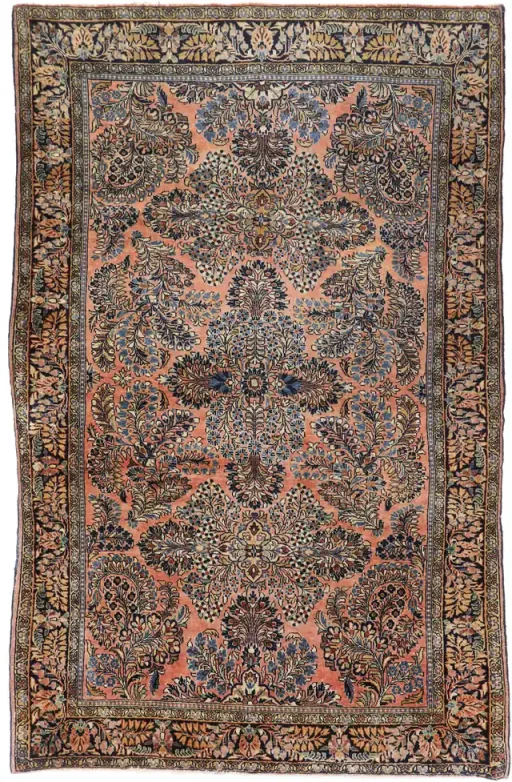
Sarough Ancien

Sarough Ancien

210 × 133 cm
2,740 €
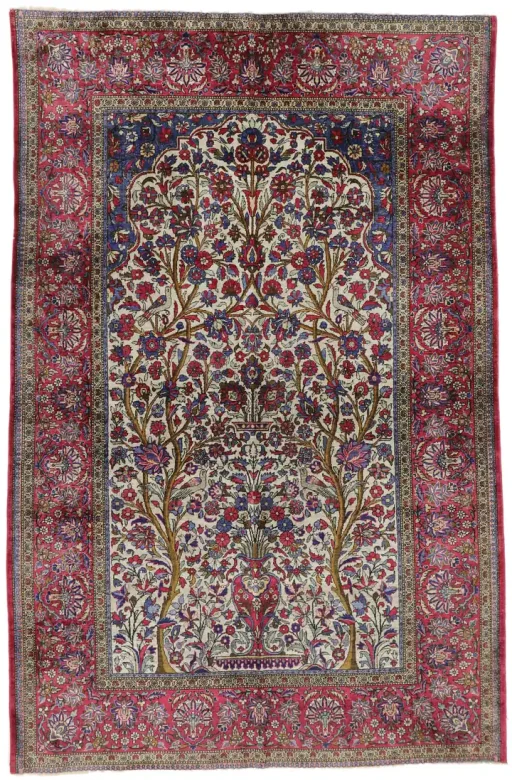
Kashan Ancien Soie

Kashan Ancien Soie

200 × 133 cm
12,490 €
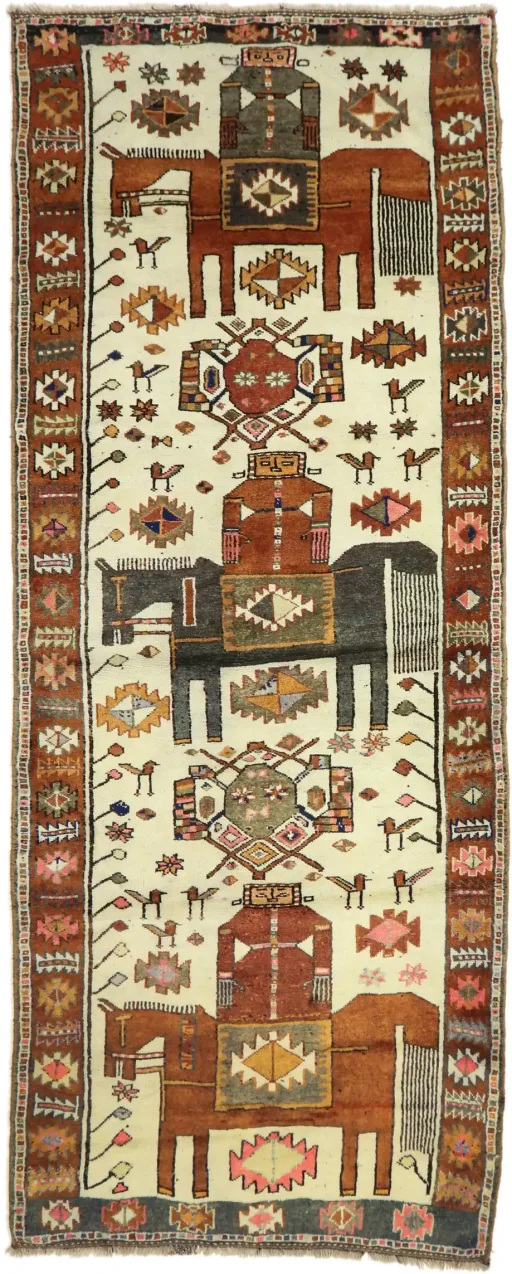
Gabbeh Persan Antique

Gabbeh Persan Antique

367 × 144 cm
1,240 €
Vintage Semi Antique

Vintage Semi Antique

327 × 225 cm
865 €
Vintage Semi Antique

Vintage Semi Antique

400 × 310 cm
1,990 €
Bakhtiar Semi Ancien

Bakhtiar Semi Ancien

390 × 285 cm
2,115 €
Vintage Semi Antique

Vintage Semi Antique

366 × 285 cm
1,390 €
Vintage Semi Antique

Vintage Semi Antique

265 × 186 cm
740 €
Vintage Semi Antique

Vintage Semi Antique

287 × 208 cm
740 €
Vintage Semi Antique

Vintage Semi Antique

336 × 236 cm
1,990 €
Vintage Semi Antique

Vintage Semi Antique

415 × 295 cm
2,490 €
Vintage Semi Antique

Vintage Semi Antique

355 × 273 cm
2,240 €
Vintage Semi Antique

Vintage Semi Antique

490 × 300 cm
3,740 €
Vintage Semi Antique

Vintage Semi Antique

350 × 245 cm
1,240 €
Vintage Semi Antique

Vintage Semi Antique

317 × 285 cm
2,115 €
Vintage Semi Antique

Vintage Semi Antique

485 × 295 cm
3,240 €
Vintage Semi Antique

Vintage Semi Antique

420 × 295 cm
1,490 €
Vintage Semi Antique

Vintage Semi Antique

385 × 280 cm
1,490 €
Vintage Semi Antique

Vintage Semi Antique

387 × 297 cm
1,490 €
Vintage Semi Antique

Vintage Semi Antique

382 × 290 cm
1,490 €
Vintage Semi Antique

Vintage Semi Antique

295 × 75 cm
240 €
Vintage Semi Antique

Vintage Semi Antique

160 × 86 cm
178 €
Vintage Semi Antique

Vintage Semi Antique

275 × 95 cm
315 €
Vintage Semi Antique

Vintage Semi Antique

262 × 172 cm
1,115 €
Vintage Semi Antique

Vintage Semi Antique

133 × 70 cm
240 €
Vintage Semi Antique

Vintage Semi Antique

140 × 71 cm
265 €
Vintage Semi Antique

Vintage Semi Antique

148 × 70 cm
215 €
Vintage Semi Antique

Vintage Semi Antique

142 × 70 cm
240 €
Vintage Semi Antique

Vintage Semi Antique

180 × 134 cm
365 €
Vintage Semi Antique

Vintage Semi Antique

195 × 148 cm
315 €
Vintage Antique

Vintage Antique

282 × 95 cm
415 €
Kashmar Semi Antique

Kashmar Semi Antique

398 × 296 cm
3,740 €
Kashmar Semi Antique

Kashmar Semi Antique

357 × 246 cm
3,740 €
Kashmar Semi Antique

Kashmar Semi Antique

334 × 250 cm
2,740 €
Kashmar Semi Antique

Kashmar Semi Antique

333 × 251 cm
2,740 €
Tapis 337 - 384 de 483

Antique Rugs: Authentic Hand-Knotted Oriental Rugs with History

Rare Antique Oriental Carpets with Cultural Heritage and Lasting Value

Antique rugs are original hand-knotted or handwoven oriental carpets from the classical centers of traditional rug craftsmanship. They embody cultural heritage, historical weaving knowledge and an aesthetic depth that modern production can rarely reproduce.
Each antique rug carries visible traces of time, material quality and artistic tradition. Natural patina, hand-spun wool, refined silk, traditional dyes and historic patterns give these rugs a character that makes them highly valued by collectors, connoisseurs and interior lovers.
At Rugbloom, antique rugs are regarded as protected one-of-a-kind pieces with substance, authenticity and lasting value. Each rug is carefully assessed, transparently described and selected for its origin, condition, craftsmanship and historical character.
An antique rug is generally understood as an oriental carpet that is at least 80 years old and remains in a condition worthy of preservation. Age alone, however, is not enough to define true antique quality.
Important factors include craftsmanship, original materials, knotting technique, dye quality, pattern authenticity and the preservation of pile, warp and weft. A rug with historical age but poor structure or heavy damage must be evaluated differently from a well-preserved antique piece.
Antique rugs should also be distinguished from older and semi-antique rugs. Old rugs are often around 50 to 80 years old, while semi-antique rugs are usually around 30 to 50 years old.
True antique oriental rugs often show patterns, colors and weaving techniques that are no longer produced today or exist only in very limited form. This makes them culturally and aesthetically valuable.
Antique rugs are valuable because they combine rarity, craftsmanship, age, origin and artistic expression. Unlike newly produced carpets, they cannot simply be reproduced in the same historical context.
Their value often comes from several elements: the weaving region, the quality of wool or silk, natural dyes, knot density, condition, design balance and provenance. A well-preserved antique Persian rug, for example, can have both decorative and collector value.
Natural aging also plays an important role. Over decades, colors become softer, wool develops a refined patina and the surface gains depth. This matured appearance is one of the main reasons antique rugs are so admired in both classic and modern interiors.
For collectors, rarity and originality are especially important. For interior use, structural stability, professional restoration and suitability for daily living are decisive.
Antique oriental rugs come from several historic weaving regions. Each region developed its own patterns, materials, colors and knotting traditions.

Antique Persian Rugs from Iran

Persia, today Iran, is one of the most important regions of origin for antique rugs. Historic weaving centers such as Tabriz, Isfahan, Kashan, Kerman, Ghom, Heriz and Sarouk produced rugs of exceptional artistic and technical quality.
Antique Persian rugs are known for balanced compositions, refined ornamentation, natural materials and deep cultural symbolism. Depending on the region, they may feature floral patterns, medallions, garden designs, hunting scenes or geometric village motifs.
They are among the most sought-after antique oriental rugs for both collectors and high-quality interiors.

Antique Afghan Rugs and Kilims

Antique Afghan rugs and kilims often originate from nomadic or village contexts. Many were originally made for personal use rather than commercial trade, which gives them a particularly authentic and practical character.
Their designs often feature geometric patterns, tribal symbols, darker tones and robust materials. Antique Afghan kilims and rare early silk pieces are especially appreciated by collectors and lovers of traditional textile culture.

Antique Turkish and Anatolian Rugs

Anatolia has played a central role in oriental rug history for centuries. Antique Turkish rugs from regions such as Hereke, Kaiseri, Konya, Bergama and Istanbul are known for strong craftsmanship, symbolic patterns and historical importance.
Especially antique silk Hereke rugs and finely woven pieces from Kaiseri can be among the most valuable examples of Turkish rug art. Anatolian village rugs, on the other hand, are often admired for their bold geometry, natural wool and expressive character.

Antique Caucasian Rugs

Antique Caucasian rugs are known for powerful geometric designs, strong colors and clear symbolic patterns. They often come from historic weaving areas connected to regions such as Armenia, Azerbaijan and Georgia.
Their visual language is direct, graphic and highly decorative. Antique Caucasian rugs are especially popular in interiors where a strong rug with character and historical depth is desired.

Antique Central Asian Rugs

Central Asian rugs, including Turkmen and Uzbek pieces, often reflect nomadic traditions, tribal identity and strong repeating motifs. Antique Turkmen rugs are particularly known for deep red tones, gul motifs and balanced geometric compositions.
These rugs appeal to collectors because of their cultural depth, regional identity and distinctive design language.
Antique rugs display a wide range of artistic expressions. Depending on origin and age, they may show floral ornaments, delicate vine motifs, medallions, garden layouts, geometric compositions, stylized animals, symbolic motifs or figurative elements.
Most antique rugs were made from hand-spun sheep’s wool, pure silk or a combination of natural fibers. Wool was valued for its durability, warmth and elasticity, while silk allowed for very fine details and a refined sheen.
Traditional dyeing was usually carried out with plant-based and mineral pigments. These natural dyes age beautifully and create soft, harmonious color transitions over time.
Typical antique rug colors include deep red, indigo blue, ivory, beige, gold, brown, green, terracotta and muted earth tones. Over decades, these colors often develop a calm patina that gives the rug its mature and timeless character.
Antique rugs bring depth, calm and a distinctive aura into interior spaces. Their matured surfaces, natural colors and historical patterns make them highly versatile.
In classic interiors, antique rugs enhance elegance, warmth and cultural richness. In modern interiors, they create a deliberate contrast to clean lines, contemporary furniture and minimalist architecture.
An antique rug can become the central design element of a room or act as a quiet, refined foundation. Its historical character brings individuality into spaces that might otherwise feel too new or impersonal.
Antique and older Persian rugs can generally be classified into two groups: pieces with strong collector value and rugs that can still be used as high-quality living rugs. Condition, structural integrity and respectful handling of the original materials are decisive.
Professionally restored antique rugs can remain fully functional, while completely original examples may be especially valuable for collectors and connoisseurs.

Antique Rugs for Living Rooms

In living rooms, antique rugs create a refined and warm foundation. They can define the seating area, connect furniture and add historical depth to the interior.
They work especially well with wood, leather, linen, natural stone, classic furniture and modern minimalist pieces.

Antique Persian Rugs for Elegant Interiors

Antique Persian rugs are ideal for elegant interiors that value detail, balance and cultural heritage. Their refined patterns and matured colors can make a room feel sophisticated without appearing overly decorative.
They are suitable for formal living rooms, libraries, salons, dining rooms and representative spaces.

Antique Rugs as Collector Pieces

Some antique rugs are best understood as collector pieces rather than everyday floor coverings. Rare origin, exceptional age, fine knotting, original condition and documented provenance can significantly increase their importance.
Such rugs should be handled with care and placed in suitable areas where their condition can be preserved.
When buying an antique rug online, several factors should be carefully considered. Verified age, origin, material quality, condition and possible restorations are especially important.
The rug’s state of preservation should be clearly documented. Signs of age, patina and minor wear can be part of the charm, but structural damage should be evaluated professionally.
Material also plays an important role. Antique wool rugs are often more suitable for interior use, while fine silk rugs may be better suited for decorative or low-traffic spaces.
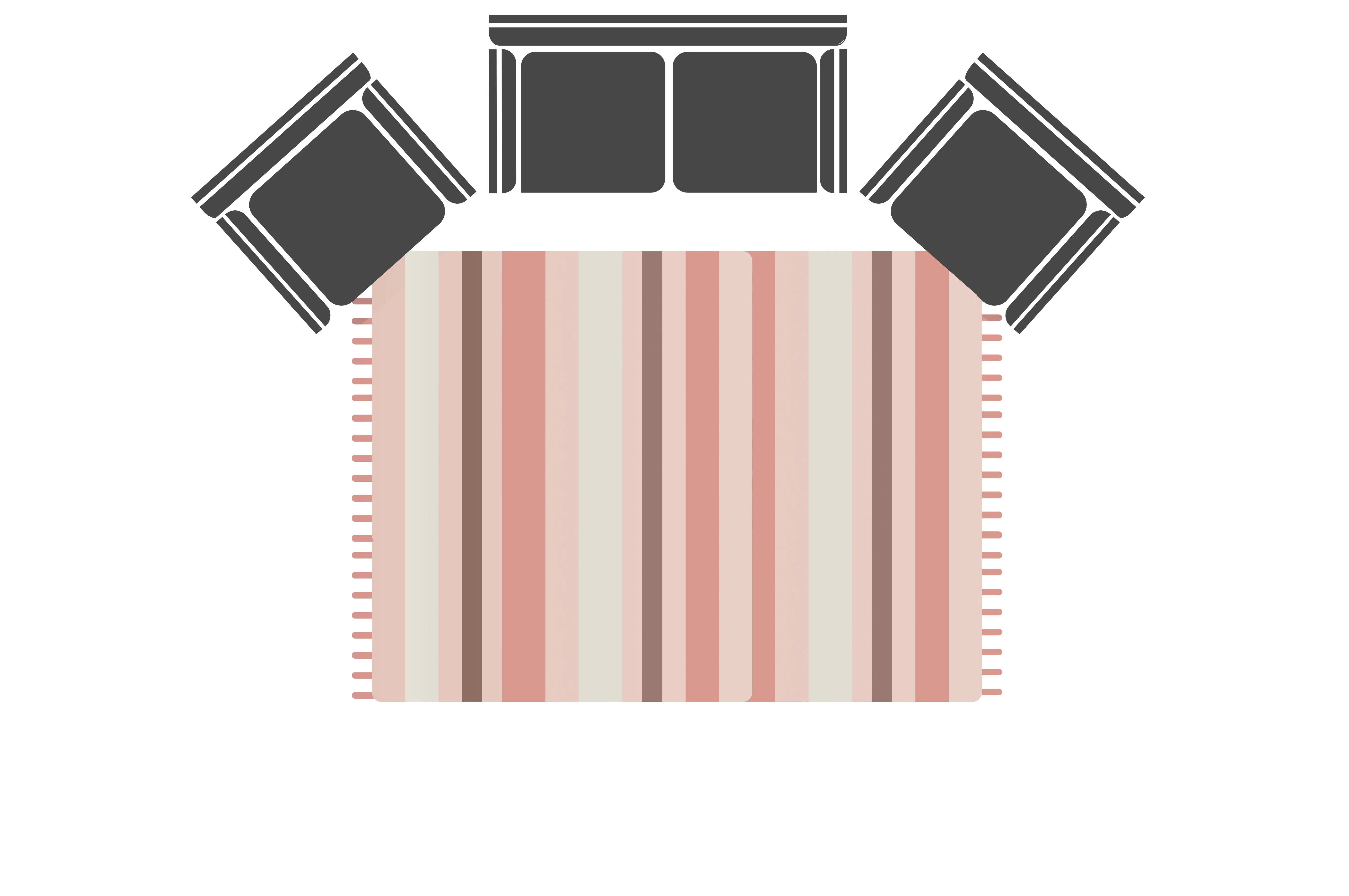
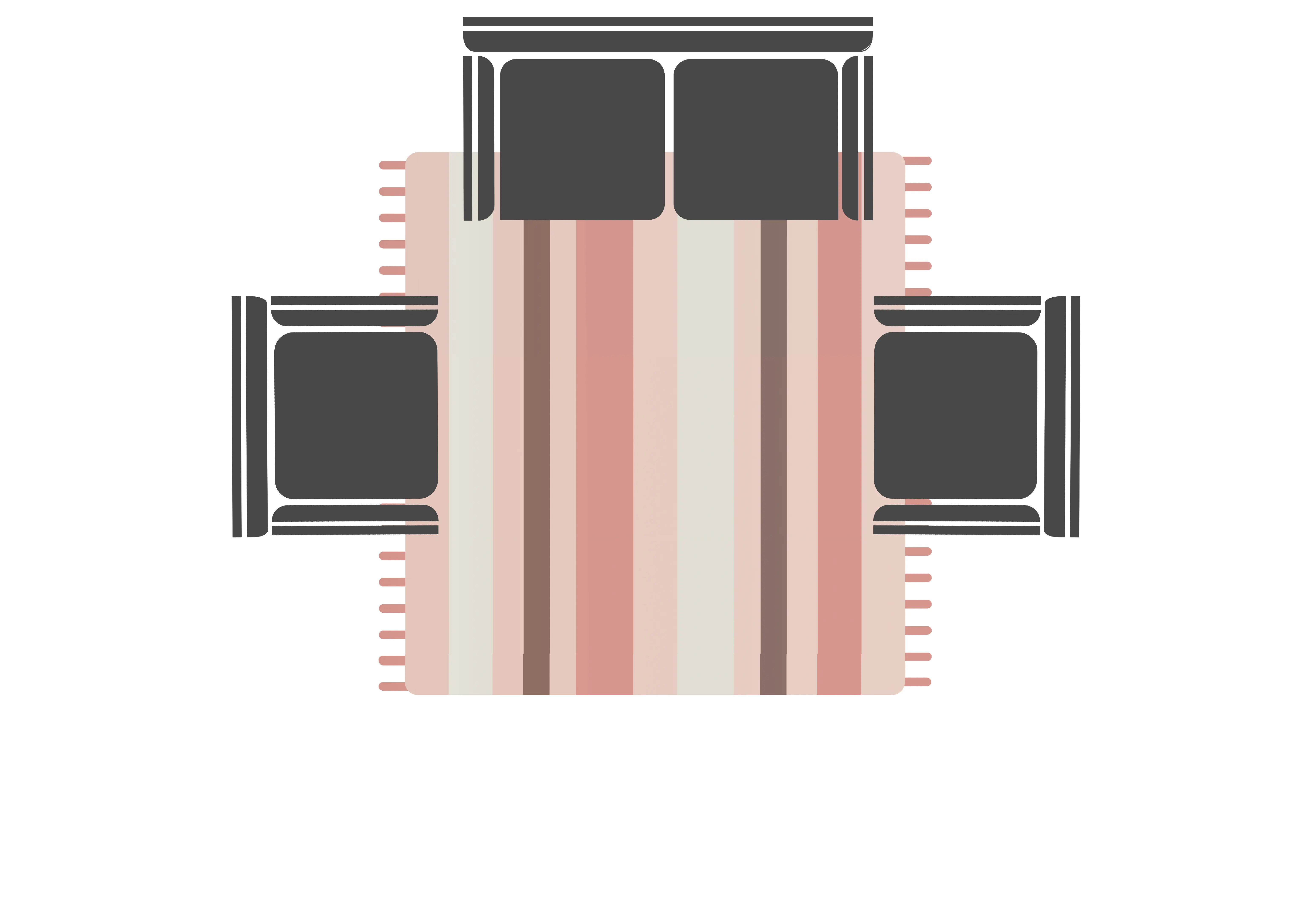
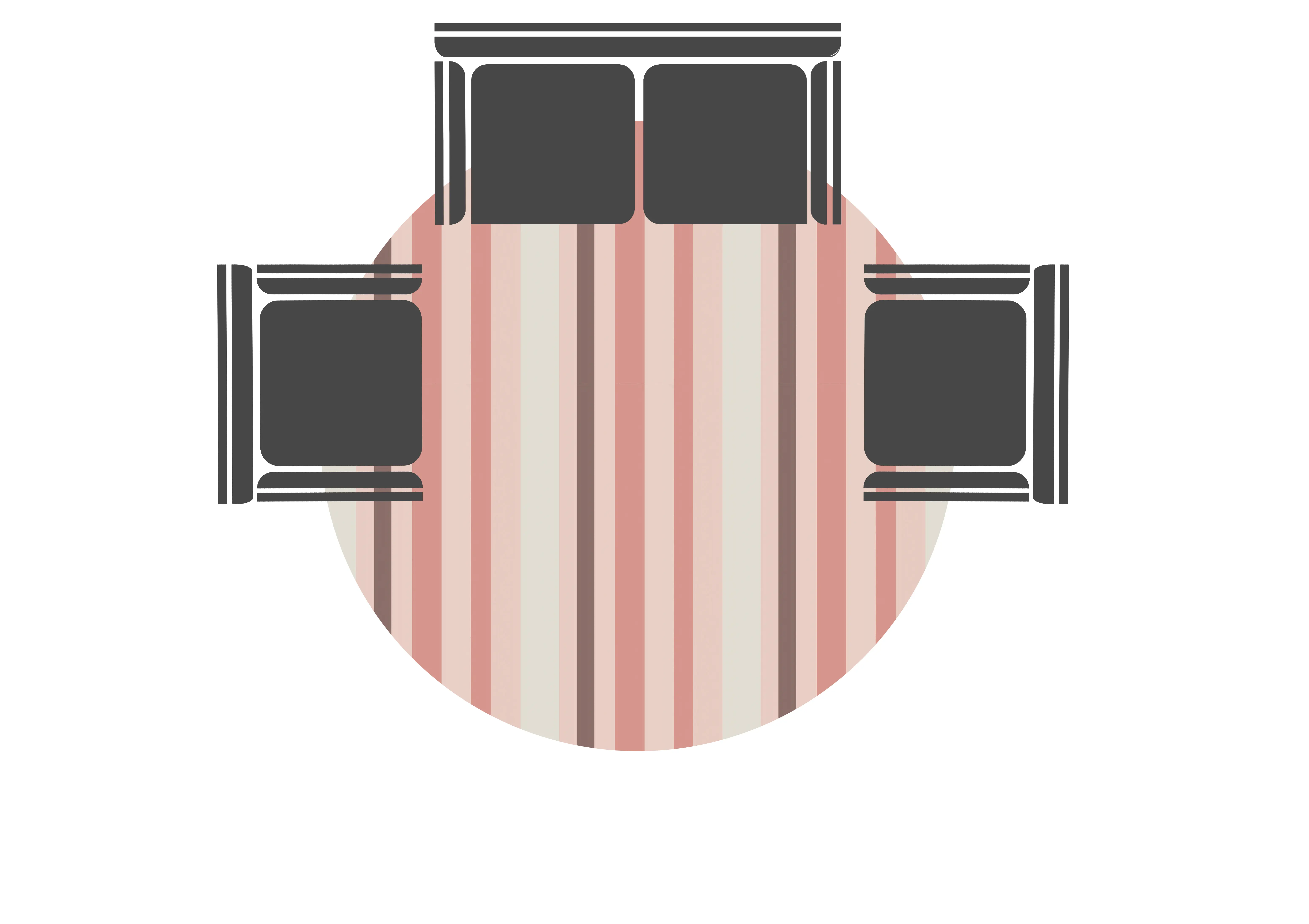
The size and visual impact should match the room. A large antique rug can define an entire living area, while a smaller antique piece may work beautifully as an accent, collector textile or wall display.
Professional evaluation and transparent documentation are essential when purchasing an antique rug. They help ensure long-term satisfaction, appropriate use and realistic expectations regarding condition and value.
Rugbloom offers carefully selected antique rugs with transparent provenance, expert classification and a responsible approach to historical cultural assets. Each antique rug is individually inspected, documented and honestly described.
Since 1870, Rugbloom has been part of the world of oriental rugs, combining generations of experience in rug trading, evaluation and the careful handling of antique one-of-a-kind pieces. Every rug is professionally categorized with clear information on age, condition, material, origin and style.
To make your purchase easier and more secure, Rugbloom offers reliable shipping, free returns, a 31-day money-back guarantee and flexible payment options such as buy now, pay later. This allows you to choose your antique rug online with confidence and bring authentic oriental history into your home.
Discover carefully curated antique rugs at Rugbloom from the classical centers of oriental rug craftsmanship. Each piece is an authentic original with history, examined, documented and ready for a new chapter in your home.
Explore antique Persian rugs, antique oriental rugs, antique kilims and rare hand-knotted carpets selected for their cultural depth, craftsmanship, natural materials and lasting value.
Livraison gratuite et retours gratuits
Garantie de remboursement de 31 jours
Achetez maintenant, payez plus tard
Depuis 1870 : Experts en tapis orientaux