
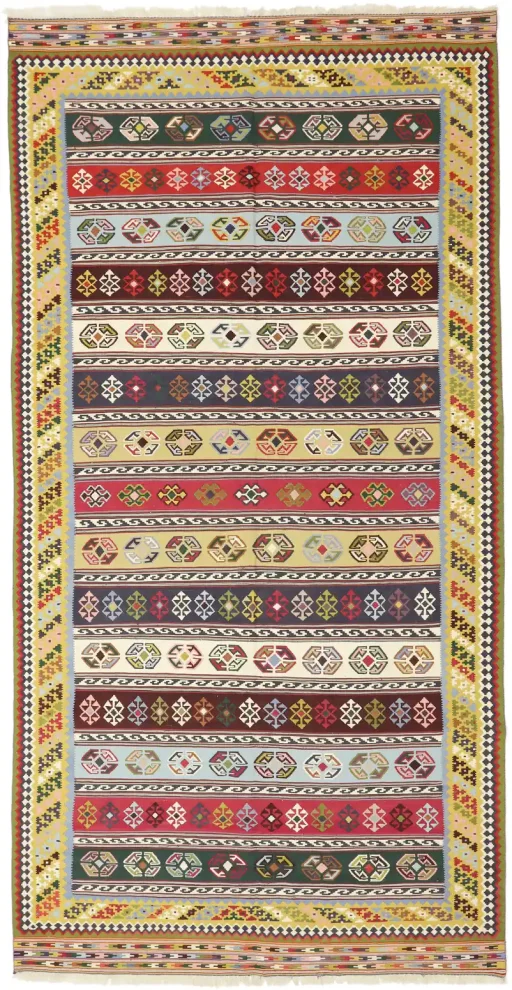
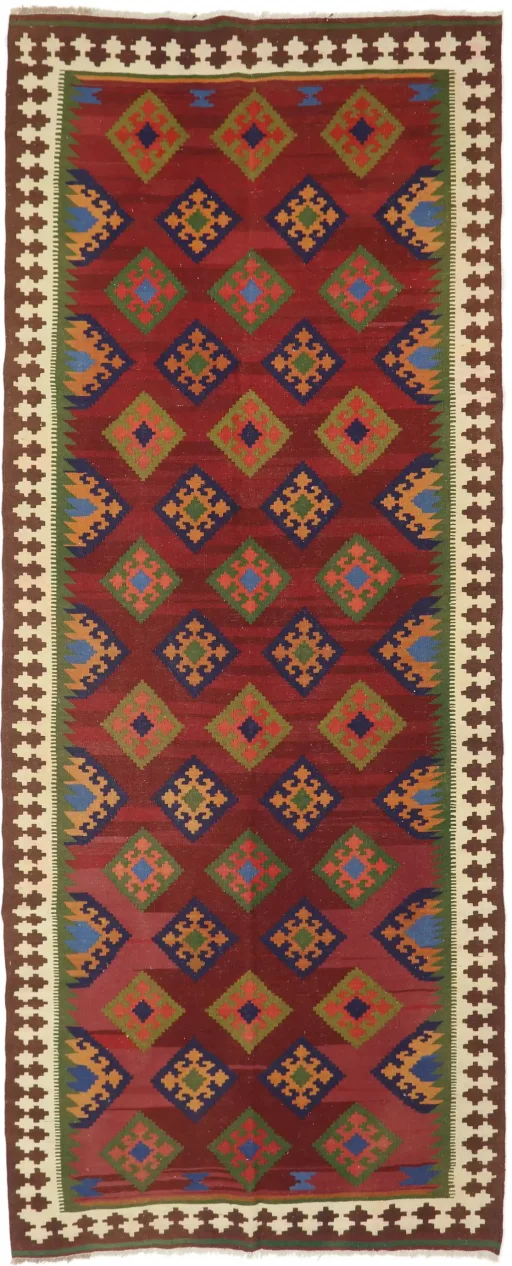
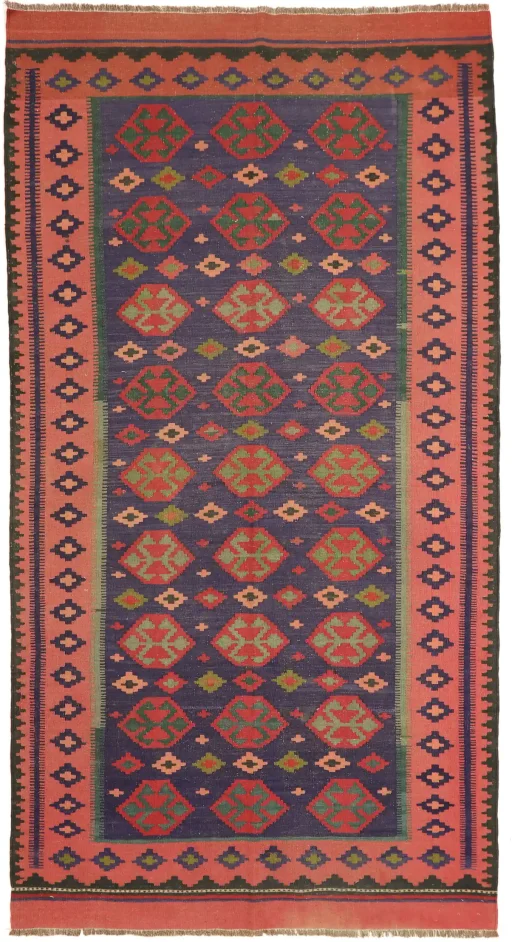
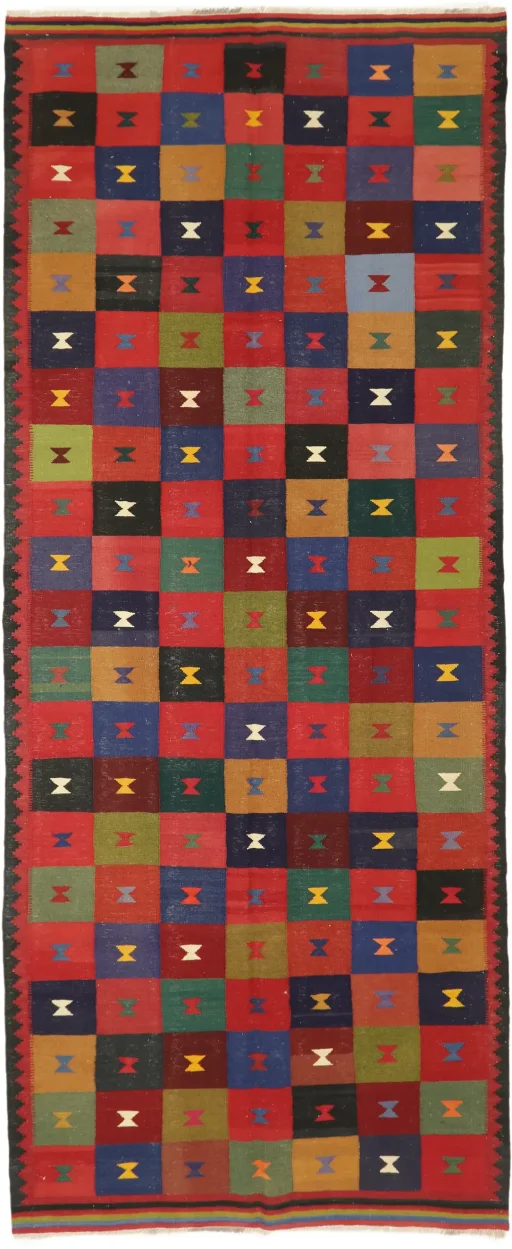
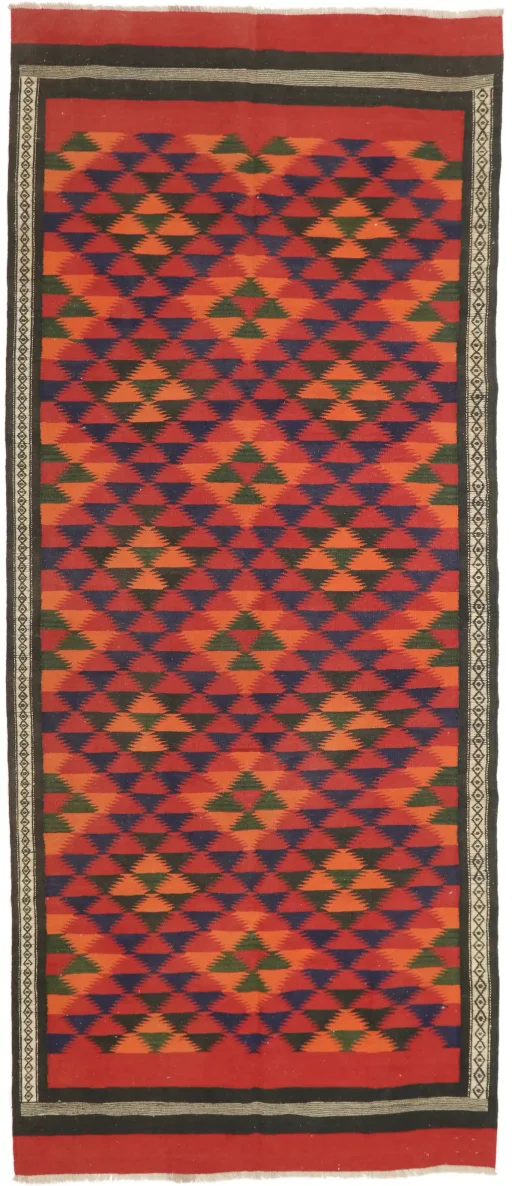
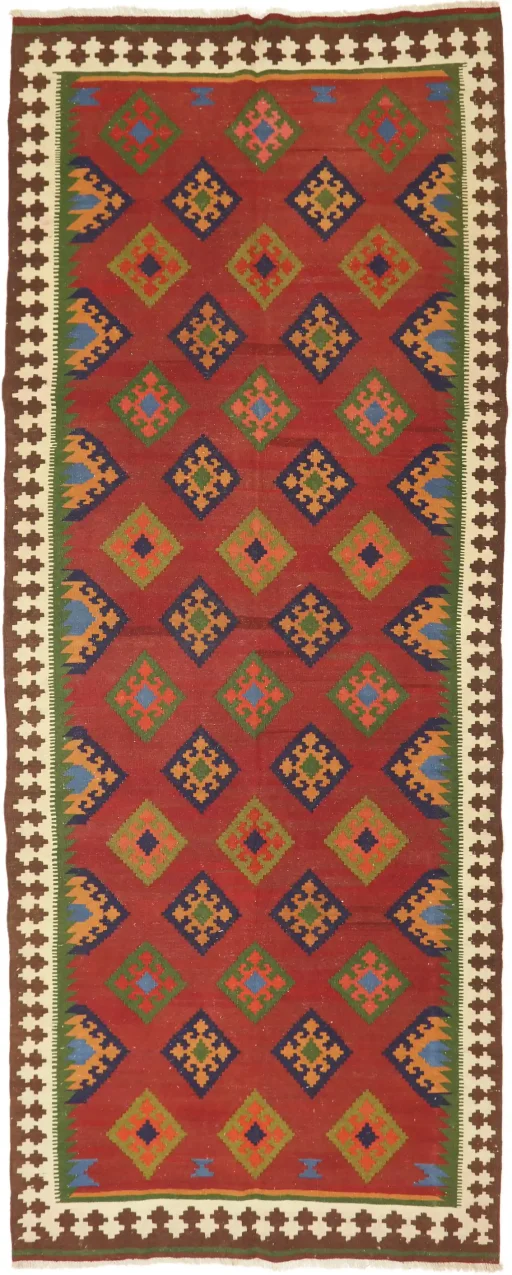
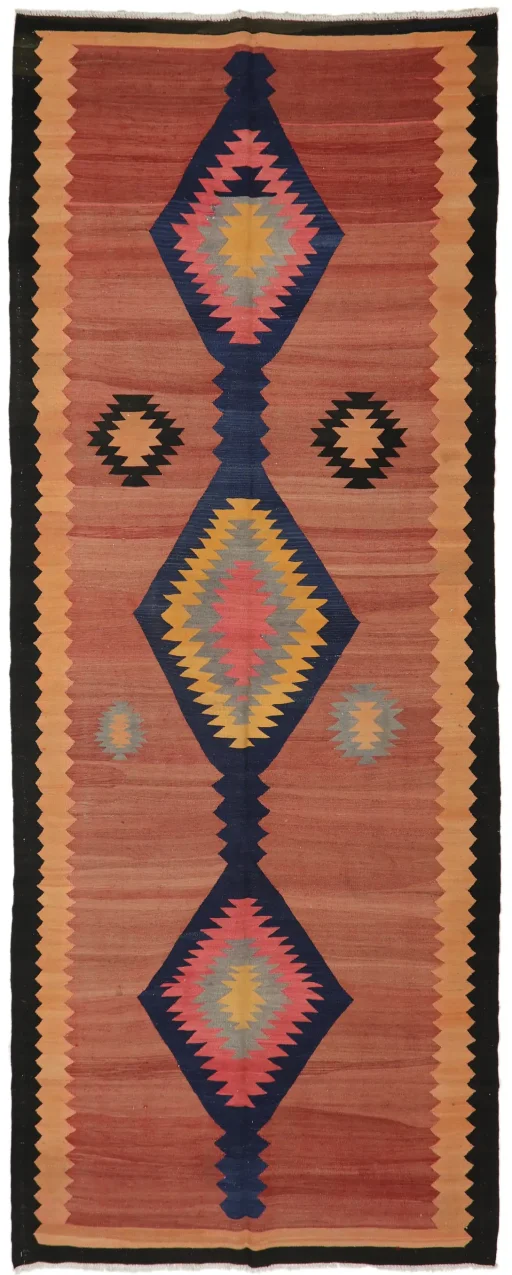
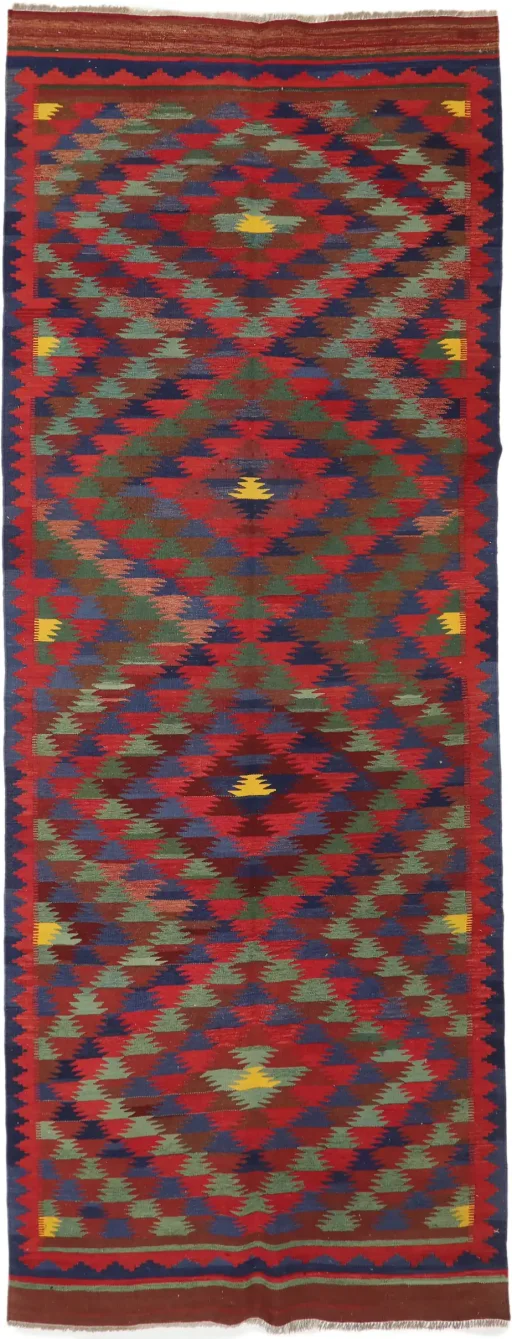
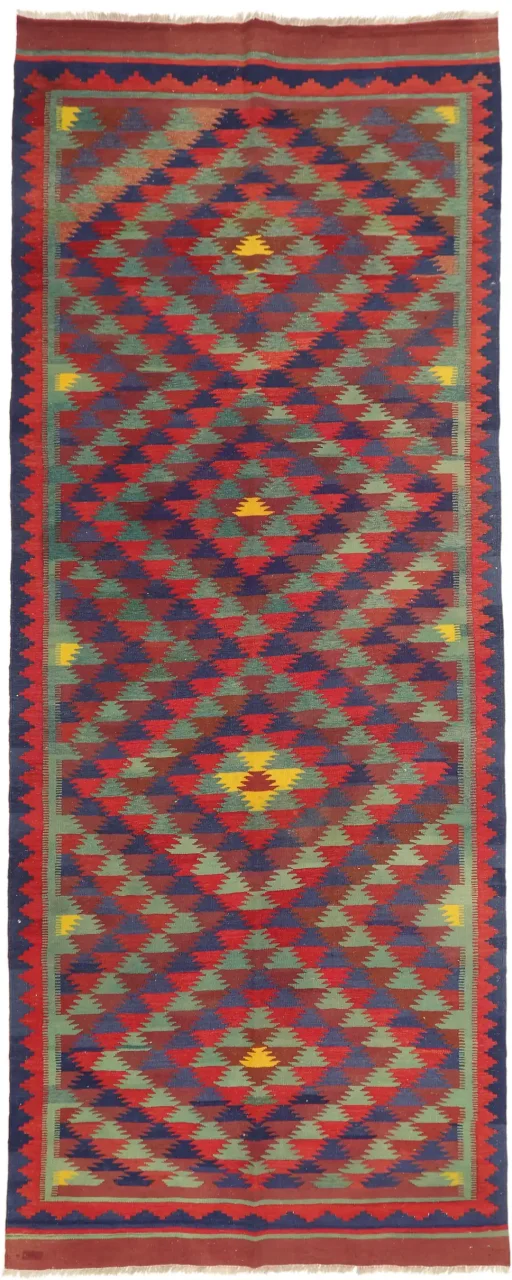
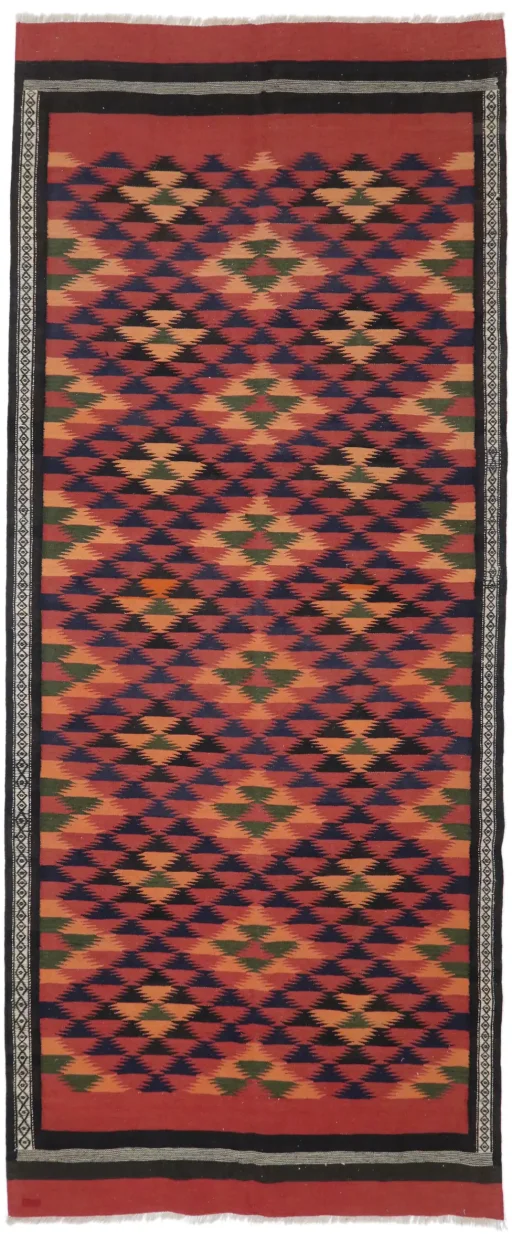
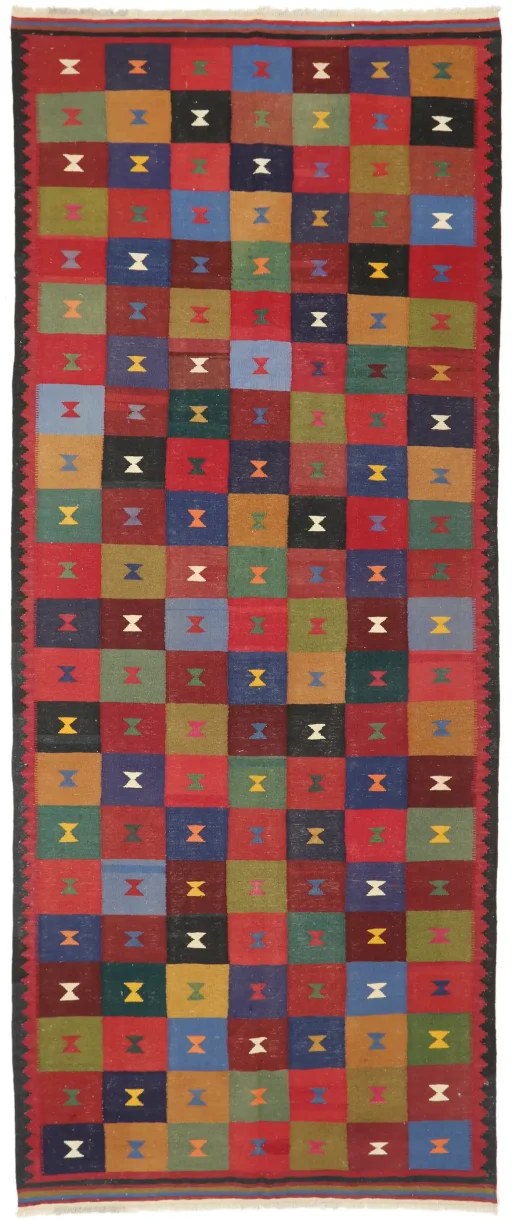
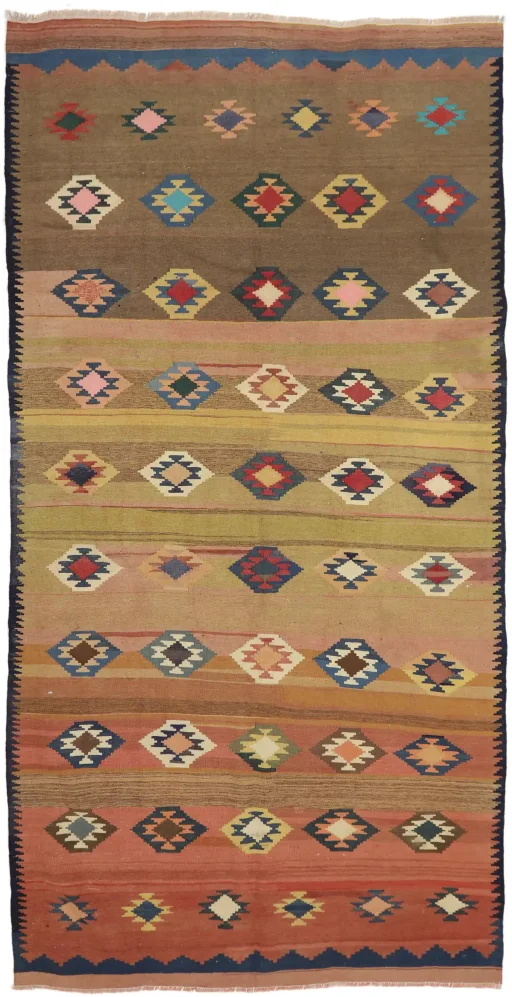
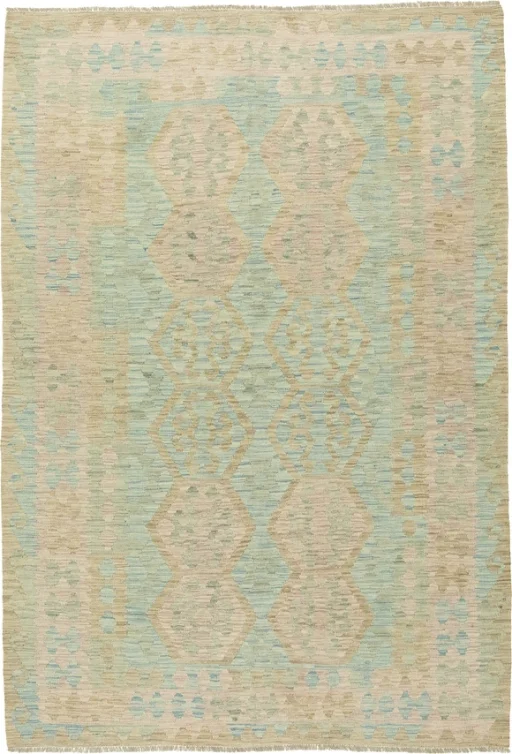
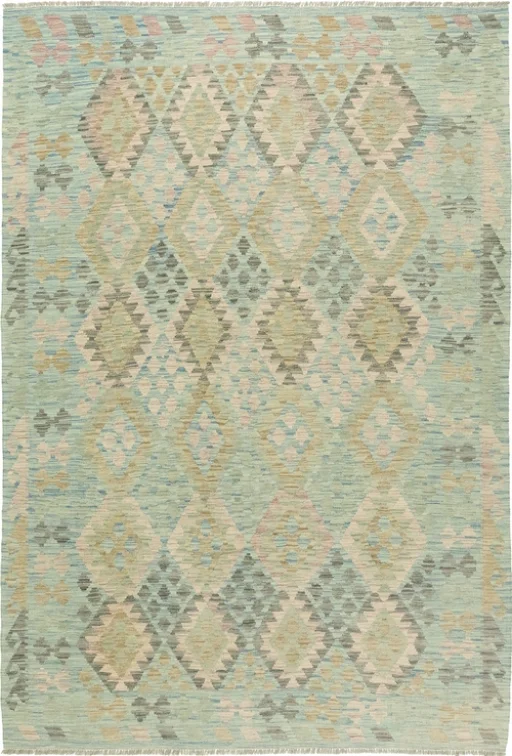
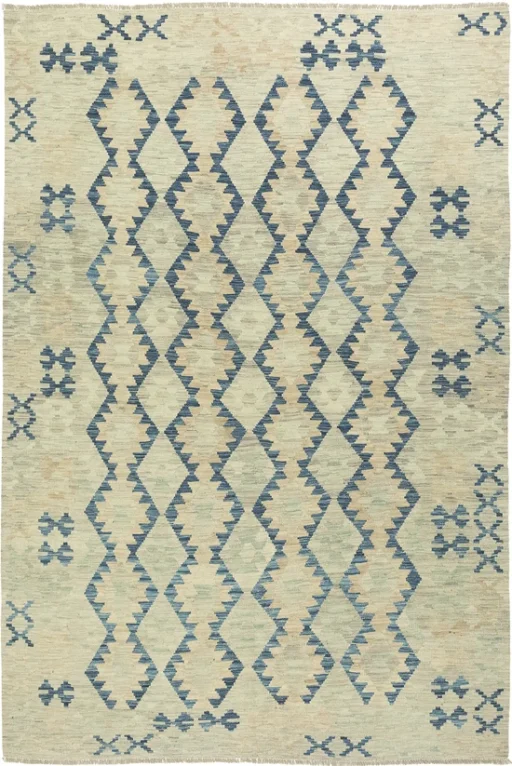
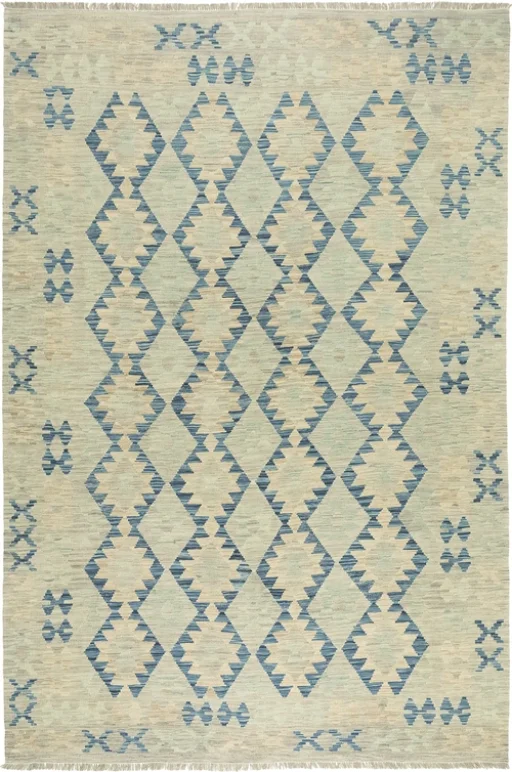
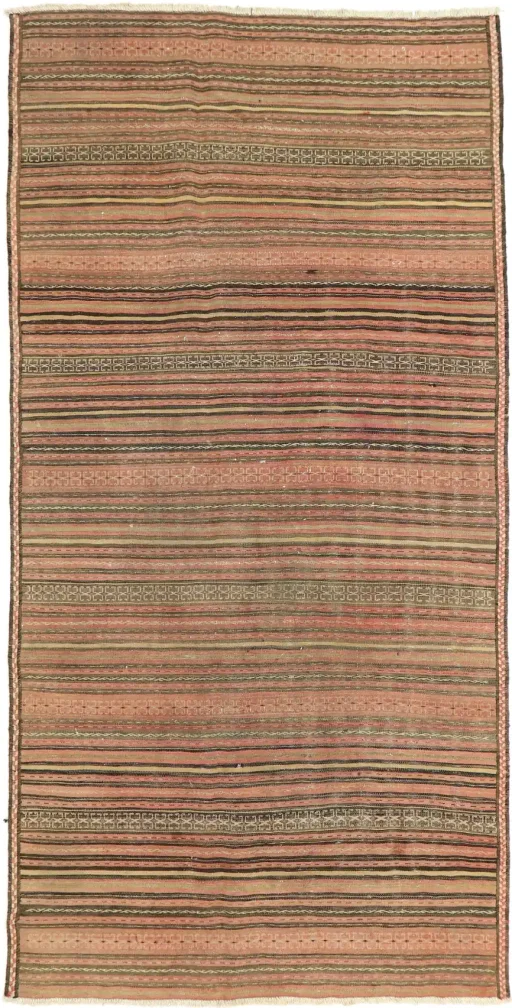
Kilim Traditionnel

Kilim Traditionnel

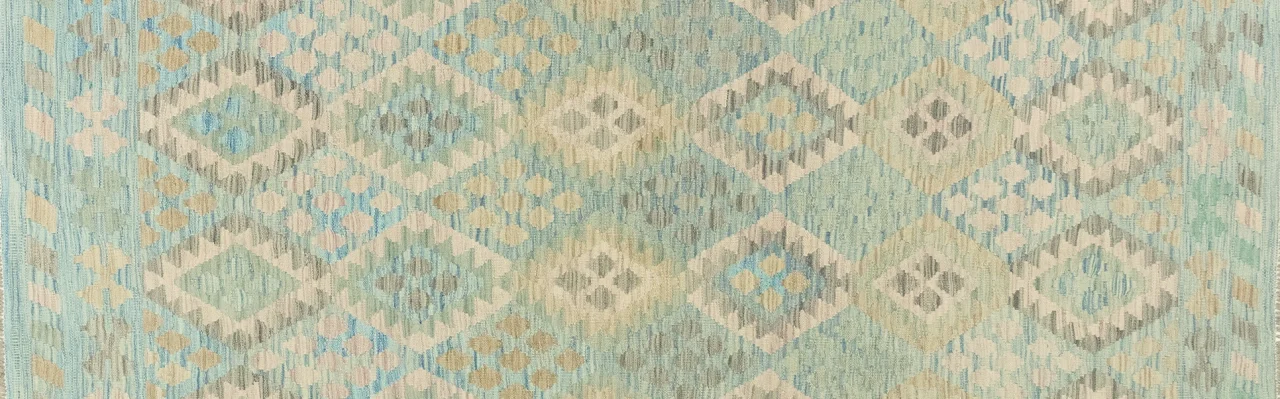
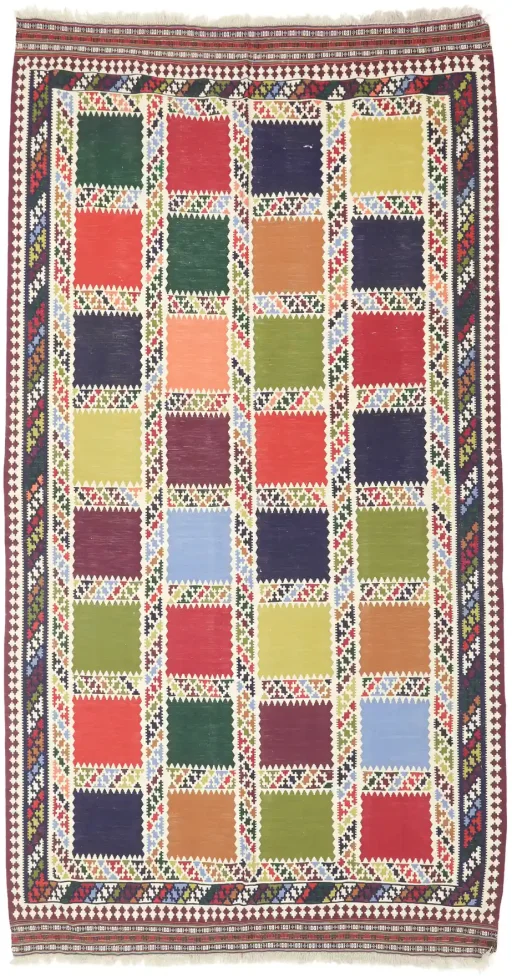
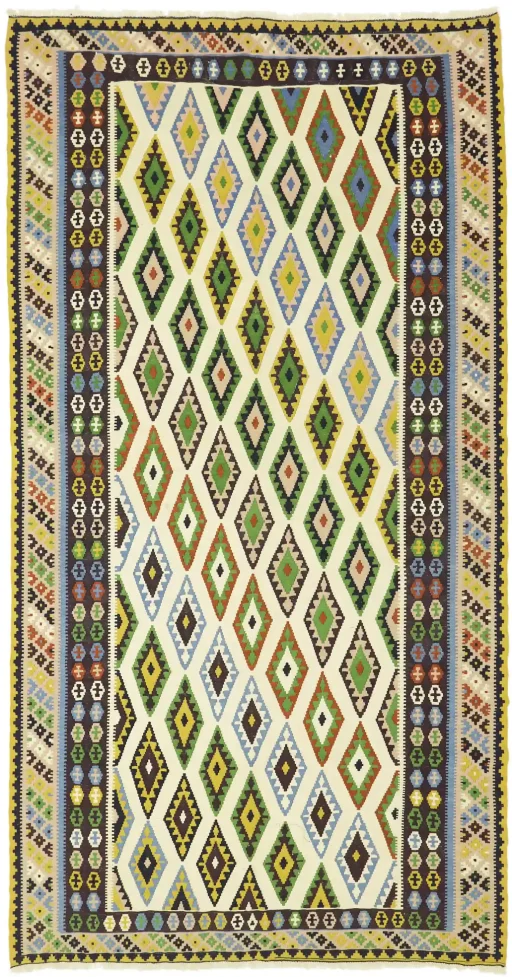
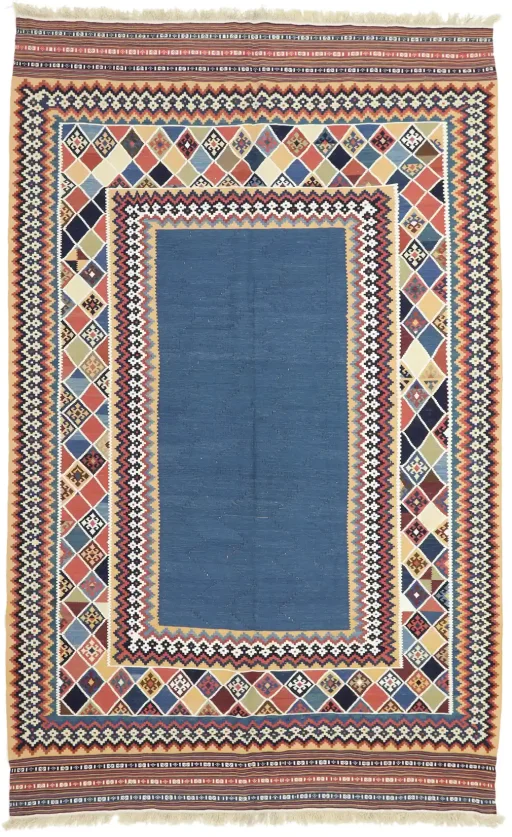
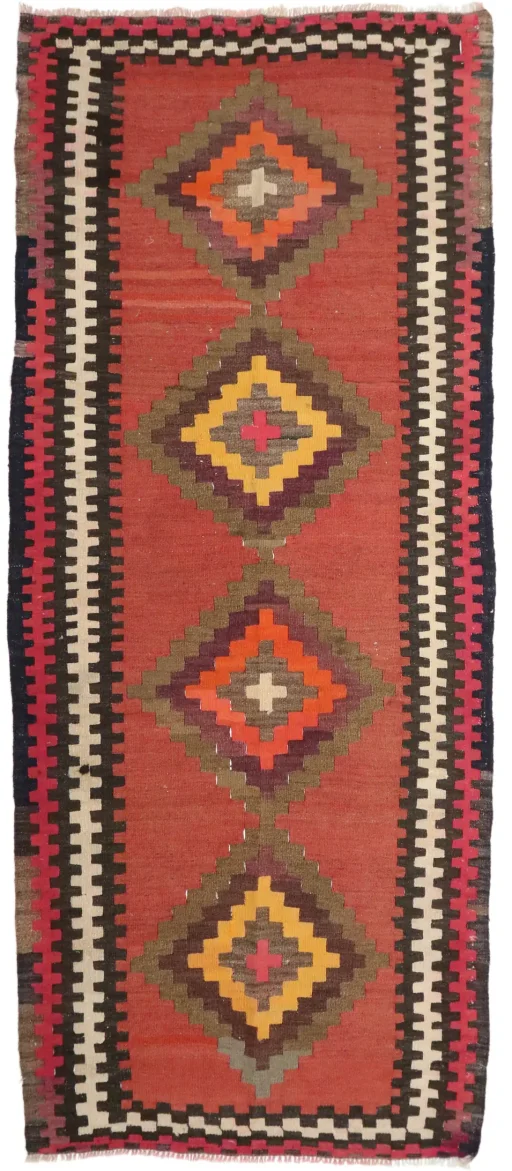
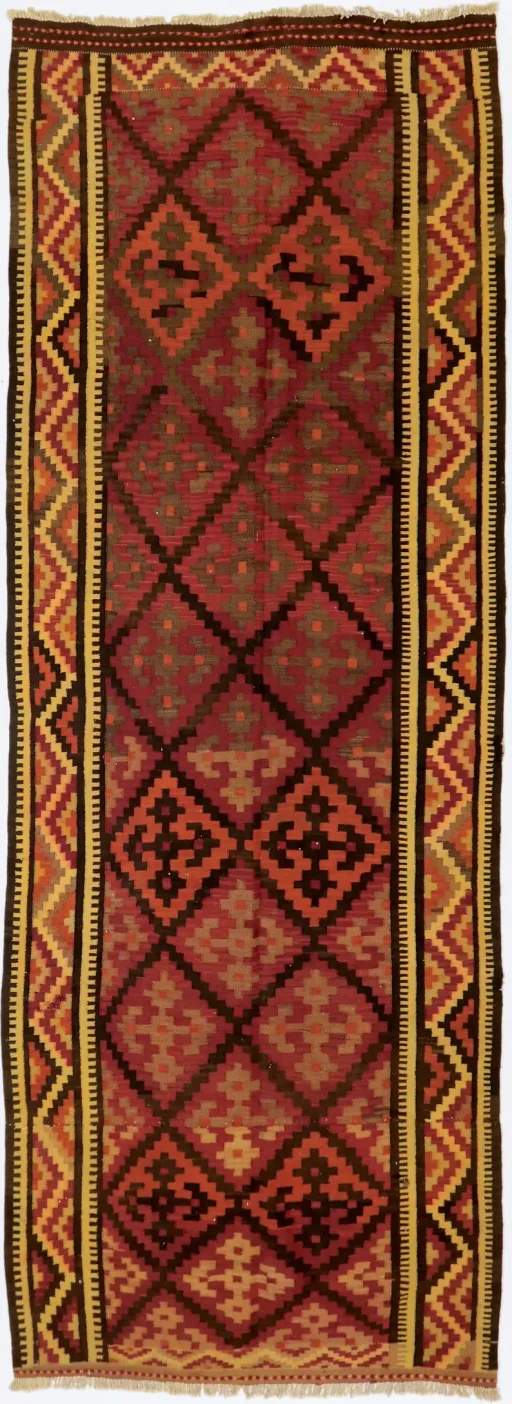
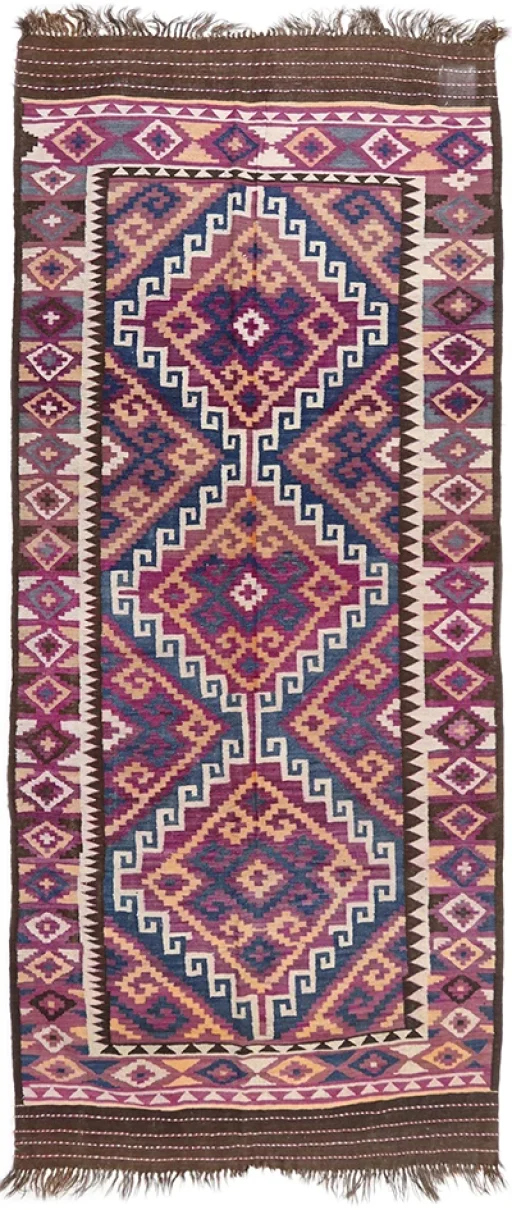
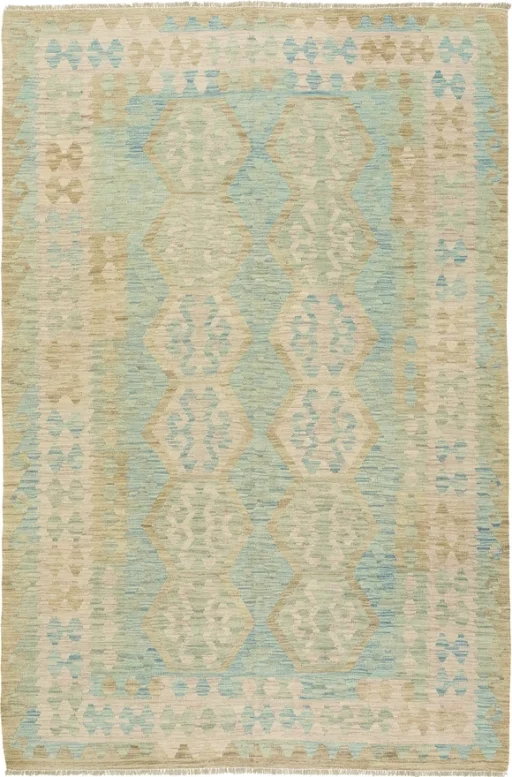
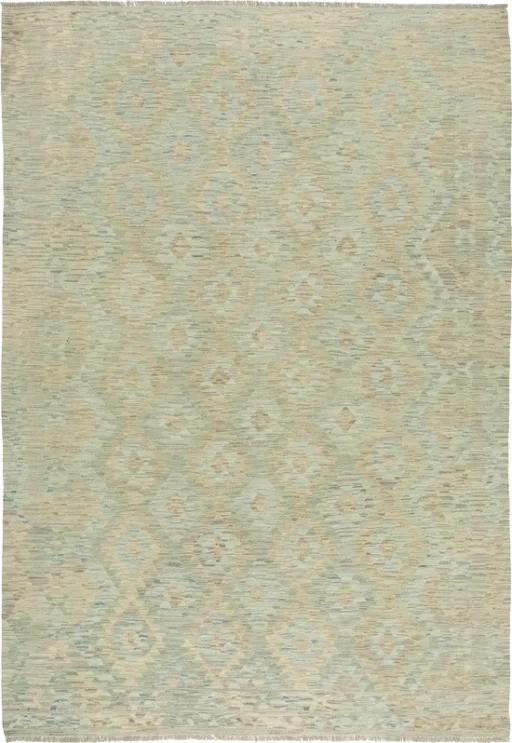
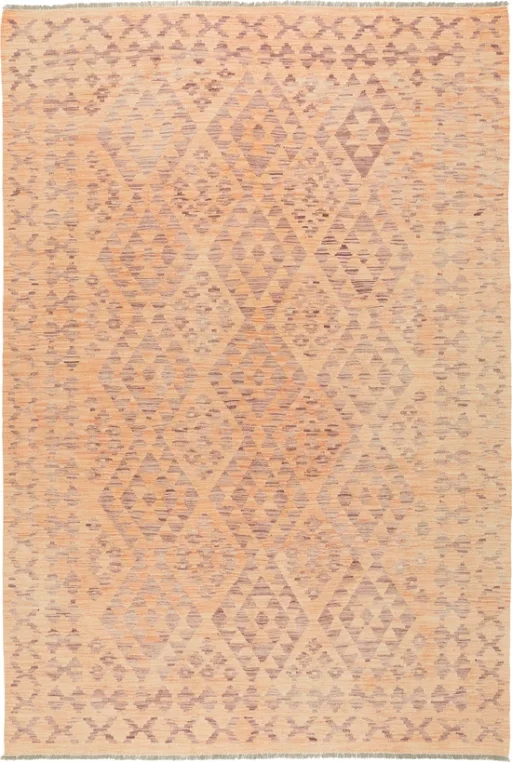
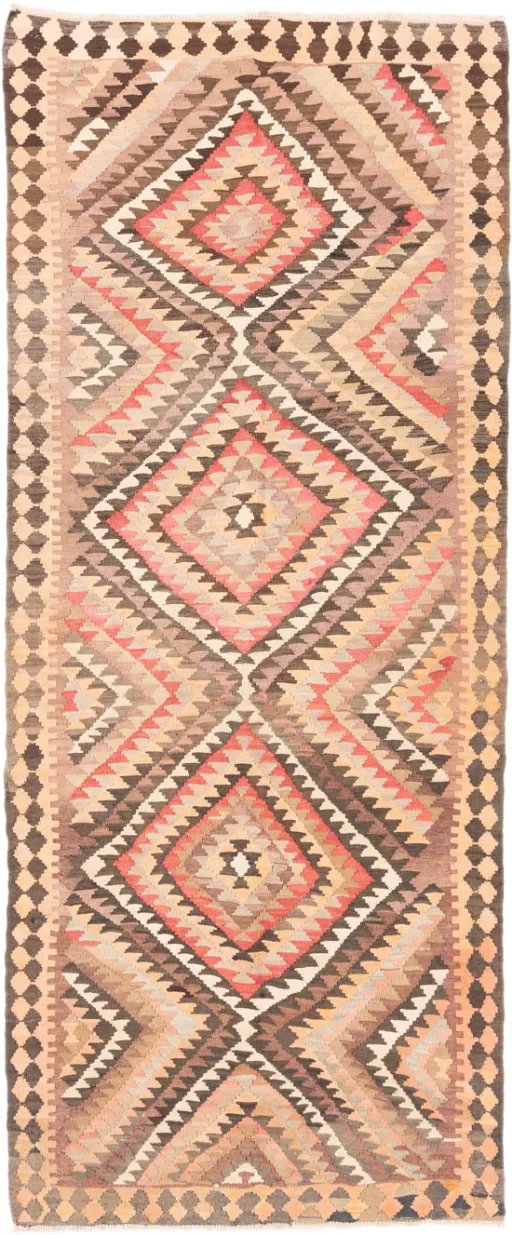
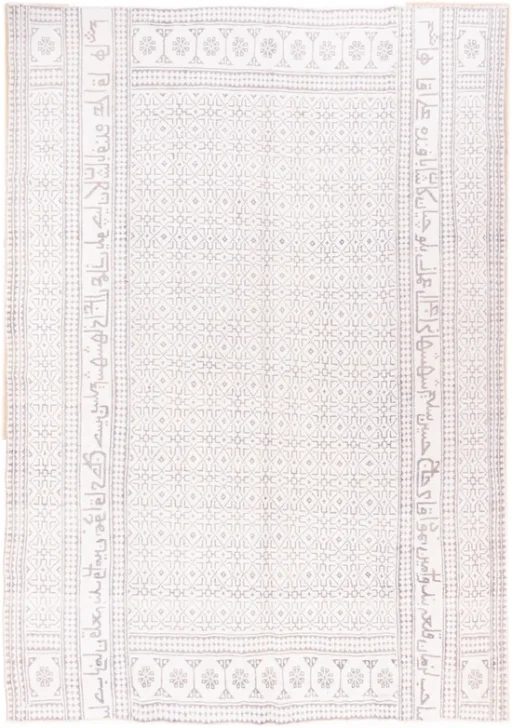
Les tapis Kilim proviennent de régions du Moyen-Orient, d'Asie centrale et d'Afrique du Nord et sont connus pour leur tissage à plat et leurs motifs audacieux et expressifs. Fabriqués en entrelaçant de la laine ou du coton sans poil, ils ont une texture légère et flexible qui convient à de nombreux intérieurs. Leurs designs présentent souvent des motifs géométriques vibrants qui portent une signification culturelle. Une caractéristique définissante des tapis Kelim est leur réversibilité, car le motif apparaît identique des deux côtés.

Kilim Traditionnel

36 Tapis trouvés
Tapis 1 - 36 de 36

Kelim Rugs: Handwoven Flatweaves with Timeless Character

Traditional Flatwoven Rugs from Nomadic Weaving Cultures

Kelim rugs are among the oldest textile forms of the Orient. Unlike knotted rugs, kelims are produced as flatweaves and are characterized by their clear structure, geometric patterns, and natural materials. Their lightweight construction makes them versatile design elements for both modern and traditional interiors.
Kelim rugs originate from regions with strong nomadic and rural weaving traditions, including Persia, Afghanistan, Anatolia, the Caucasus, and parts of North Africa. Traditionally, they were woven for everyday use as floor coverings, tent walls, blankets, or transport textiles. The patterns often carried symbolic meanings related to protection, fertility, or tribal identity.
This cultural depth is still visible in many kelims today, making each piece an authentic expression of traditional craftsmanship.

Flatweave Construction Instead of Knotting

Kelim rugs are not knotted but created by interweaving warp and weft threads. The weft forms the pattern and completely covers the warp, resulting in a flat, often reversible textile. This technique ensures durability while keeping the rug lightweight.
Subtle irregularities, slight asymmetries, and natural color variations are typical characteristics of genuine handwoven kelims and are appreciated as signs of authentic craftsmanship.
Traditional kelims are primarily made from sheep’s wool, occasionally combined with cotton or goat hair. Colors are traditionally derived from natural plant and mineral dyes such as indigo, madder, or walnut shells. Natural color variations (abrash) give the fabric depth and a lively appearance.

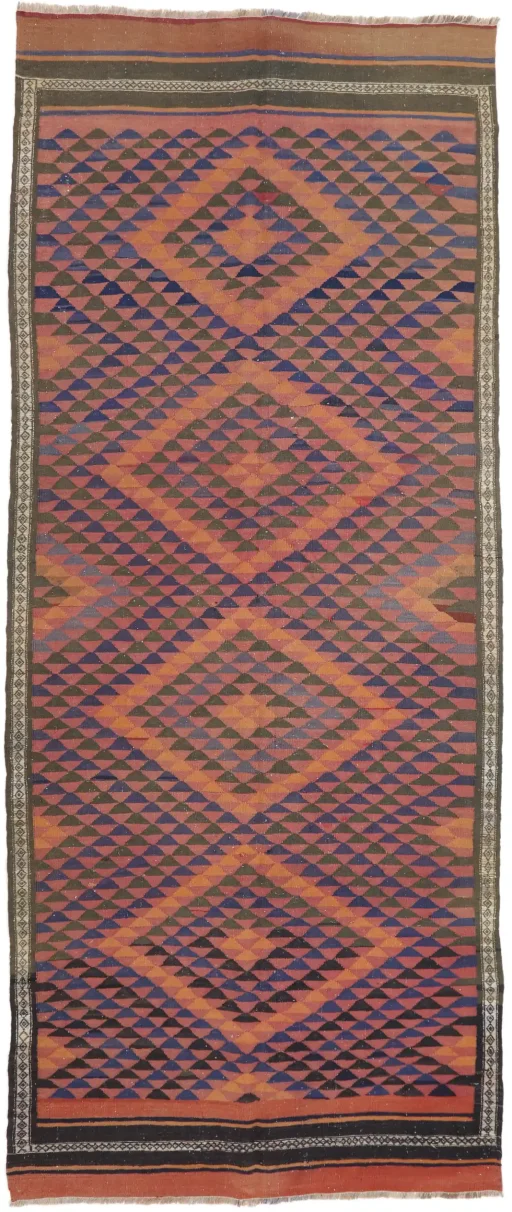
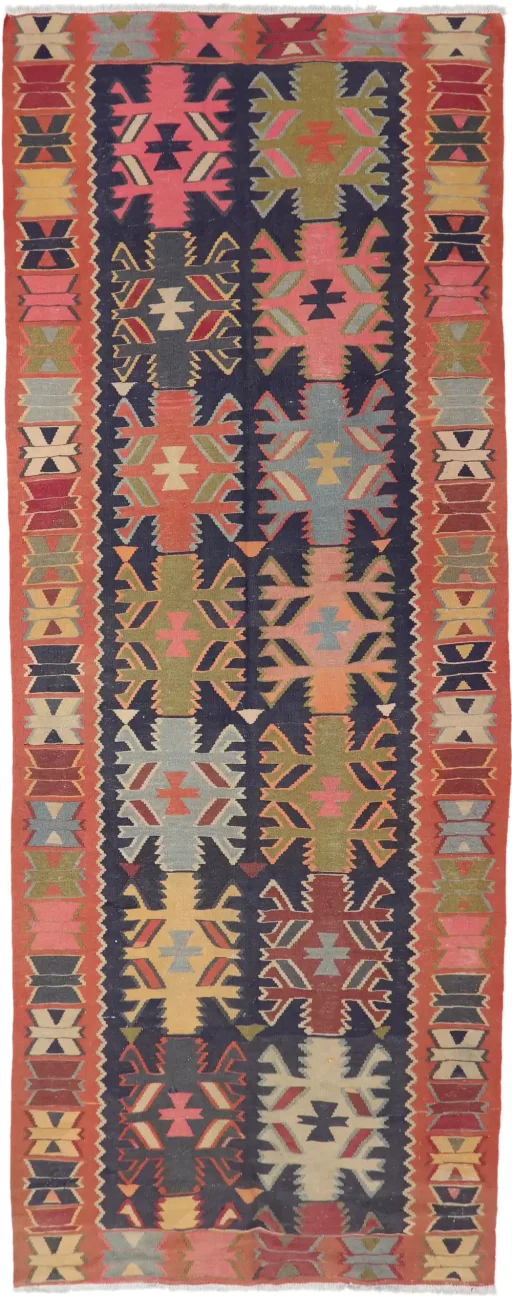
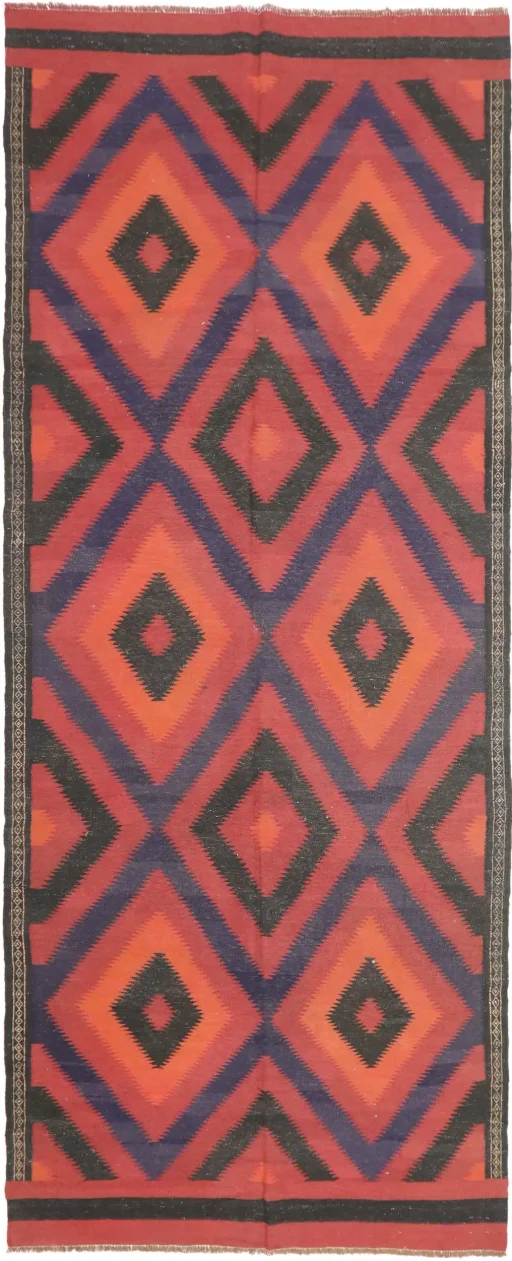
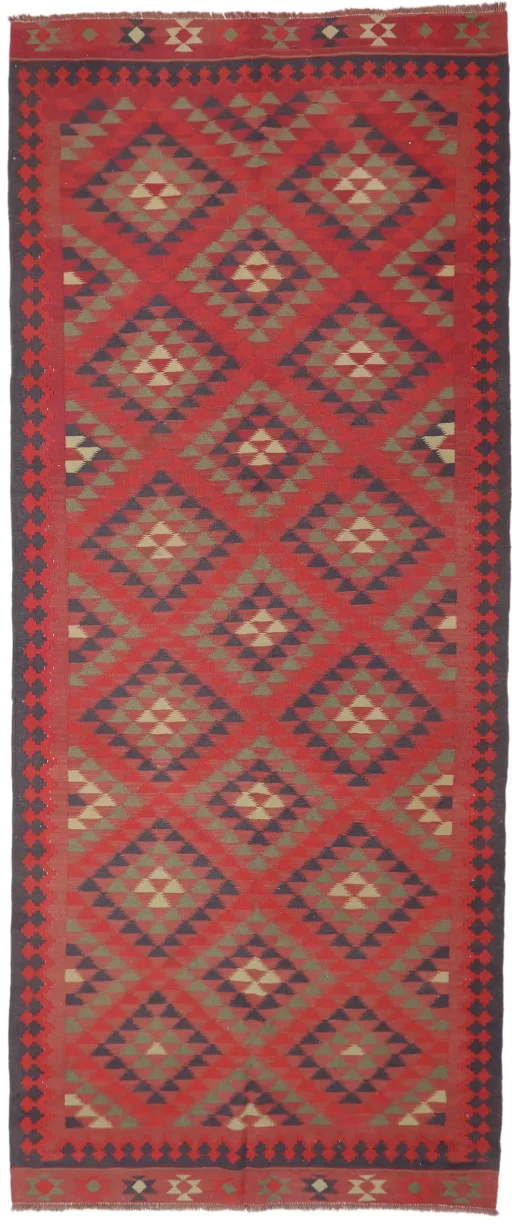
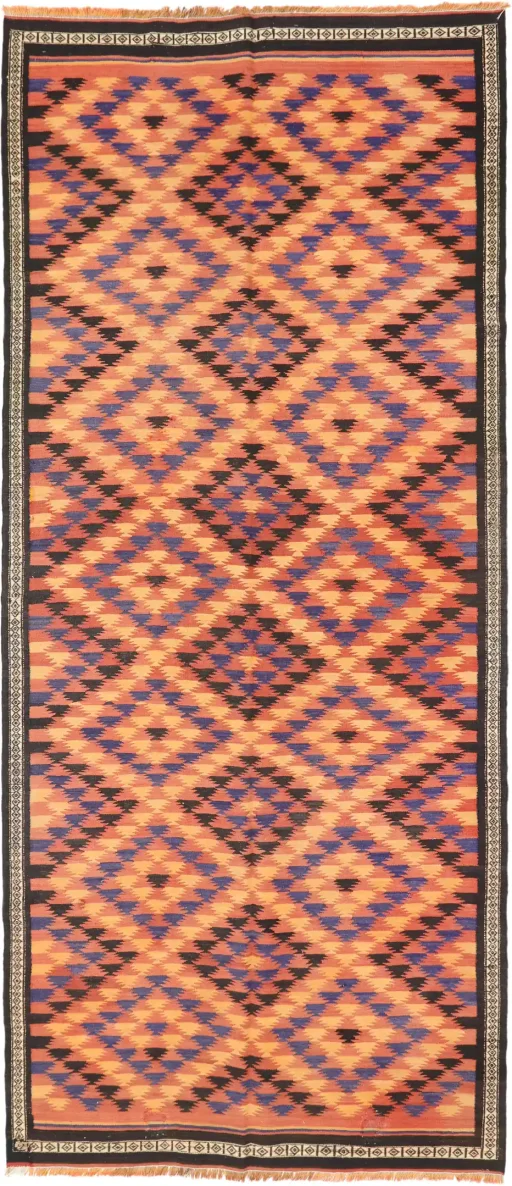
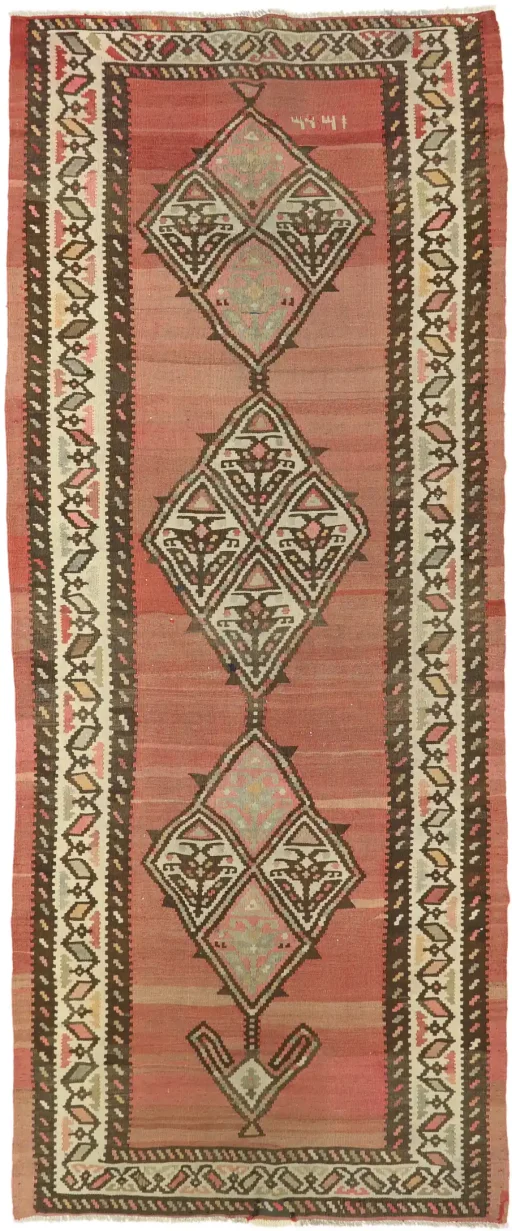
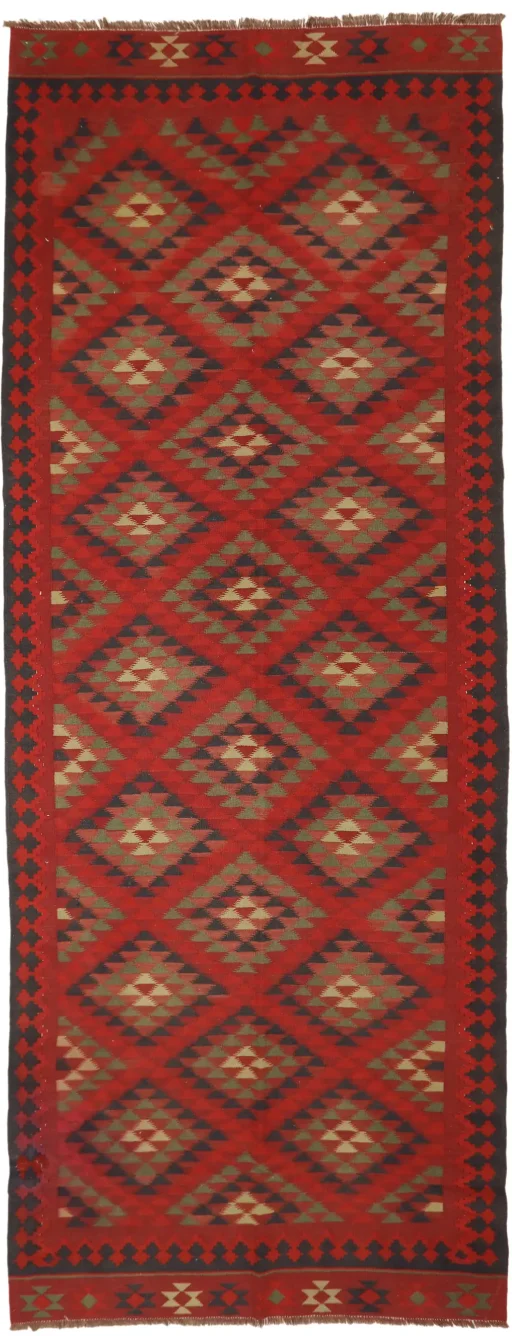
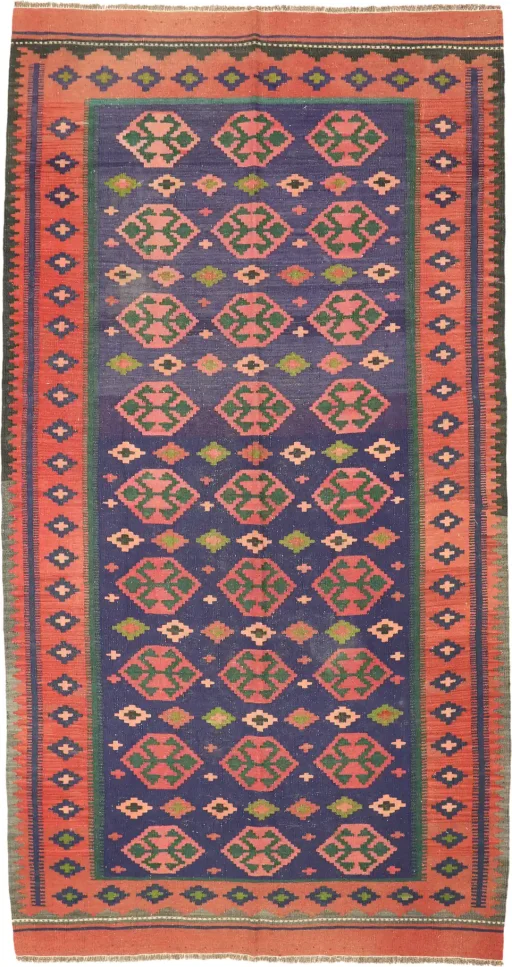
Kelim designs are defined by clear geometric forms such as diamonds, stripes, zigzag lines, and stylized symbols. Pattern density and composition vary depending on the region of origin.

Well-known styles include:

Afghan kelims with bold colors and strong geometric motifs

Persian kelims featuring diverse patterns and vibrant color combinations

Anatolian kelims with large-scale, often horizontally structured designs

Alongside traditional pieces, contemporary interpretations reinterpret classic motifs in a more restrained or modern way.

The color palette of kelim rugs ranges from earthy natural tones to strong reds, blues, and ochres, as well as soft pastel shades. Due to their flat structure, kelims appear light and structured without visually weighing down a space.
This makes them particularly suitable for contemporary interiors, minimalist concepts, or as a contrasting element in clean, modern rooms.
Thanks to their robust weaving technique, kelim rugs are well suited for high-traffic areas such as hallways, dining rooms, or open-plan living spaces. They are also used as runners, wall hangings, or decorative textile accents. Many kelims are reversible, which further enhances their durability.
When selecting a kelim rug, factors such as origin, weaving technique, material, and color impact are essential. Traditional kelims often feature stronger contrasts and symbolic motifs, while modern versions tend to be calmer and more restrained. The format should also match the intended use, ranging from narrow runners to large-area rugs.
Minor irregularities in pattern or shape are not flaws but indicators of handcrafted production.
Rugbloom represents a carefully curated selection of handmade rugs with clear provenance. Each kelim is selected based on craftsmanship, authentic weaving techniques, natural materials, and timeless design. Instead of mass-produced goods, Rugbloom offers distinctive individual pieces with character and history.
Livraison gratuite et retours gratuits
Garantie de remboursement de 31 jours
Achetez maintenant, payez plus tard
Depuis 1870 : Experts en tapis orientaux