
Sarab

Sarab

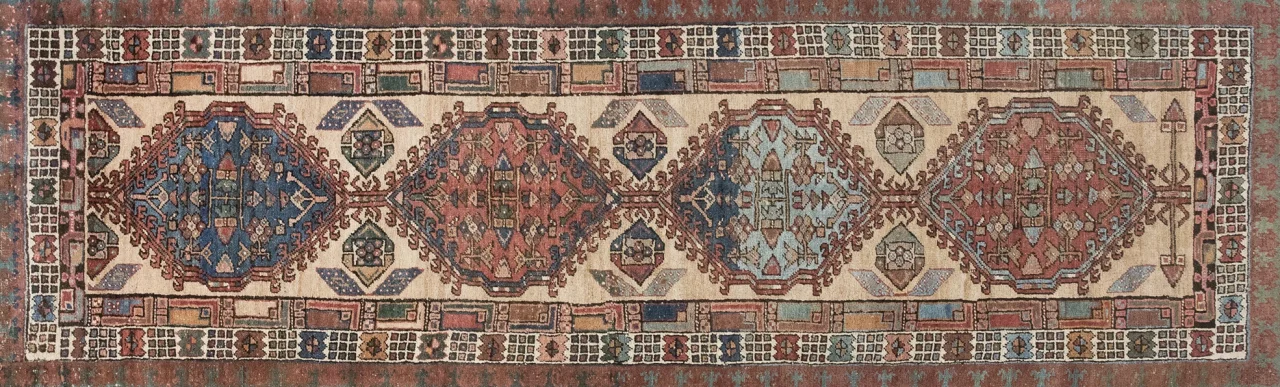
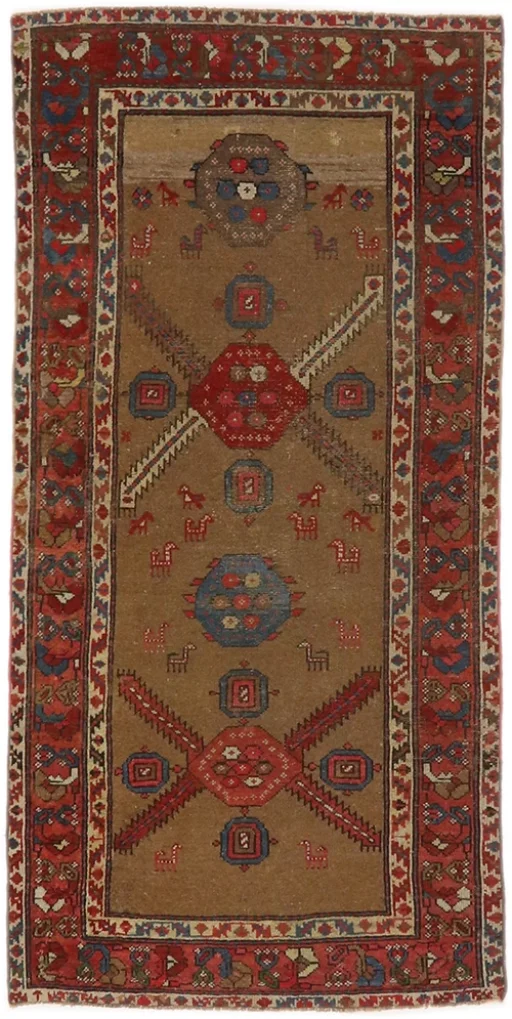
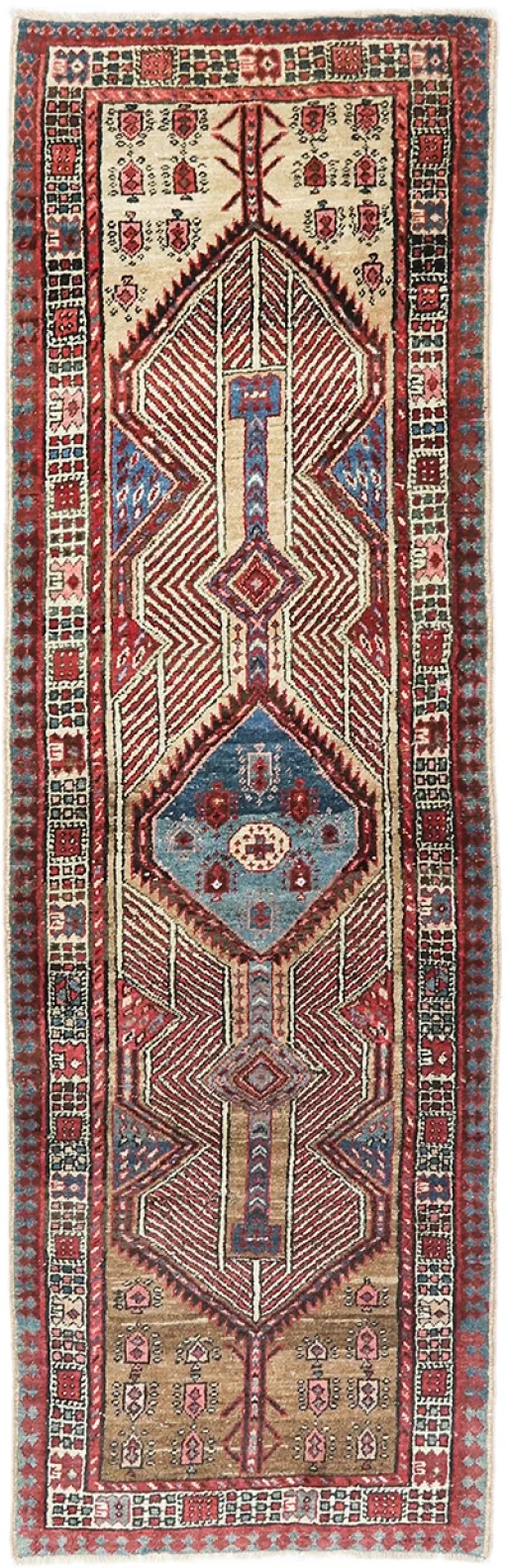
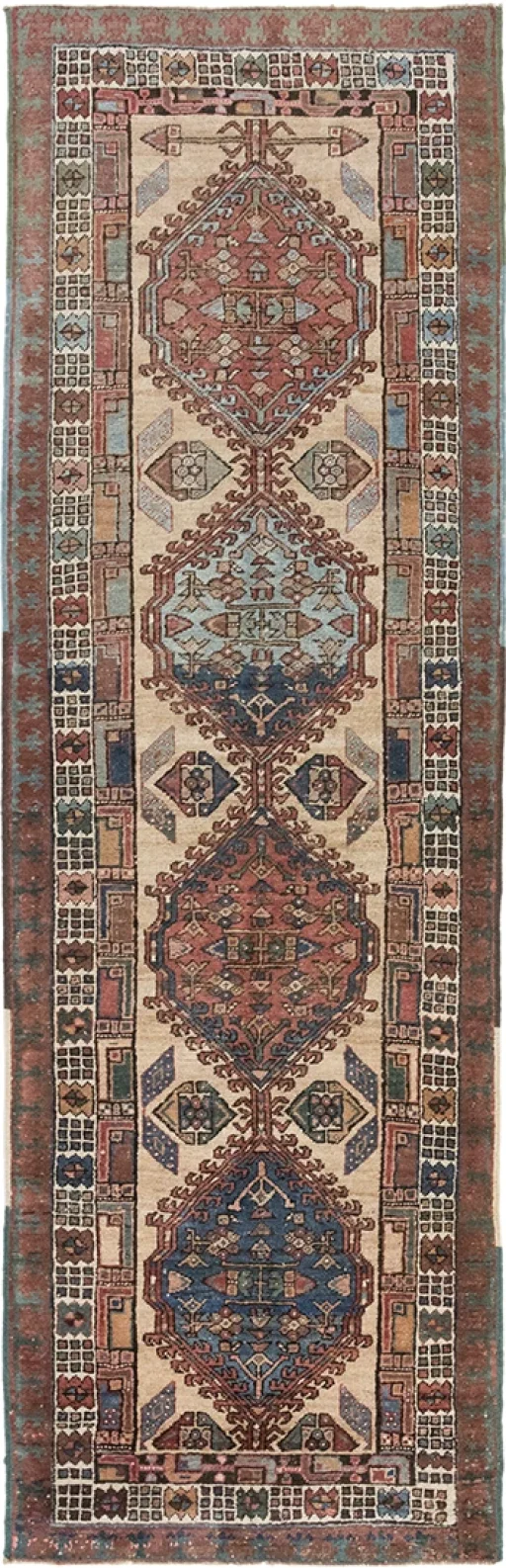
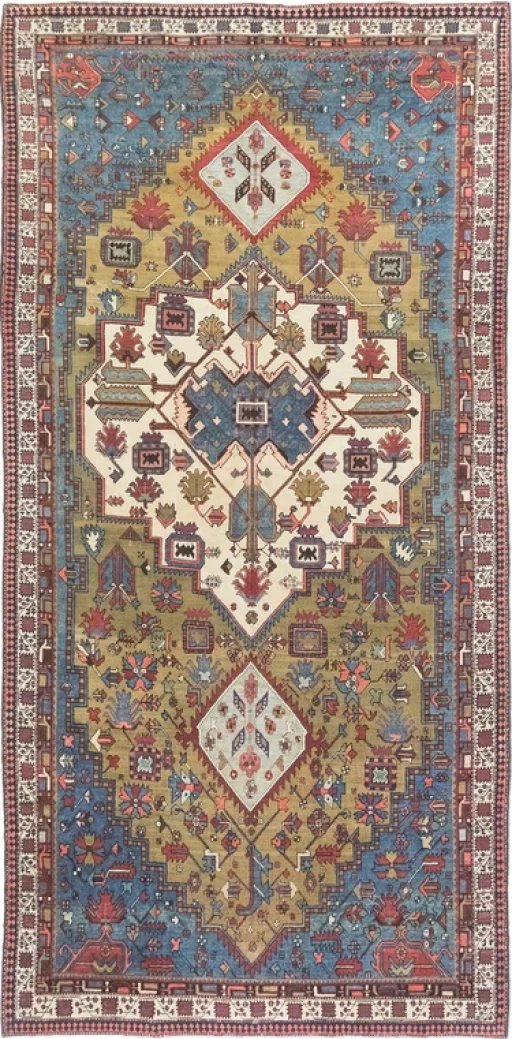
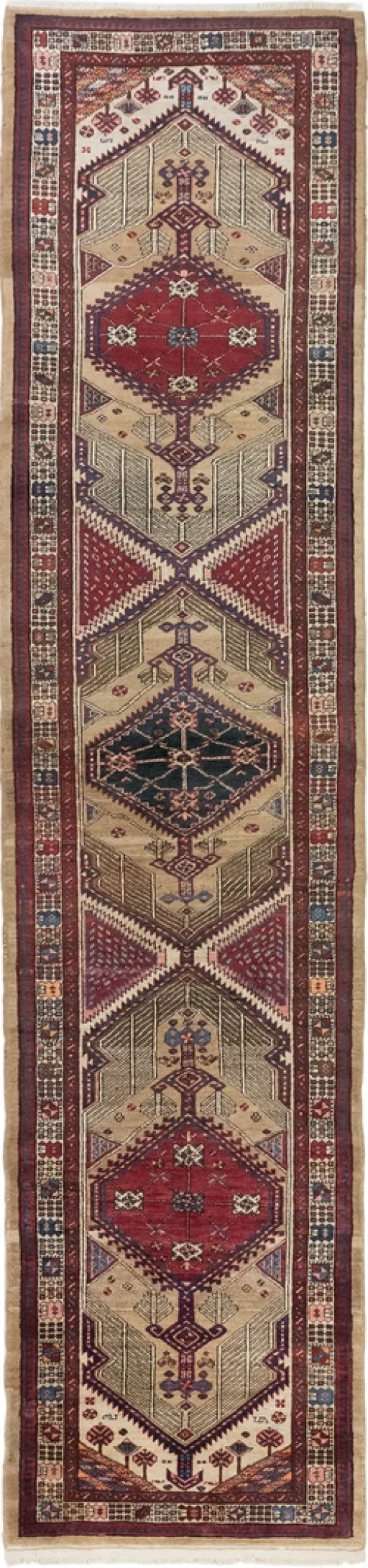
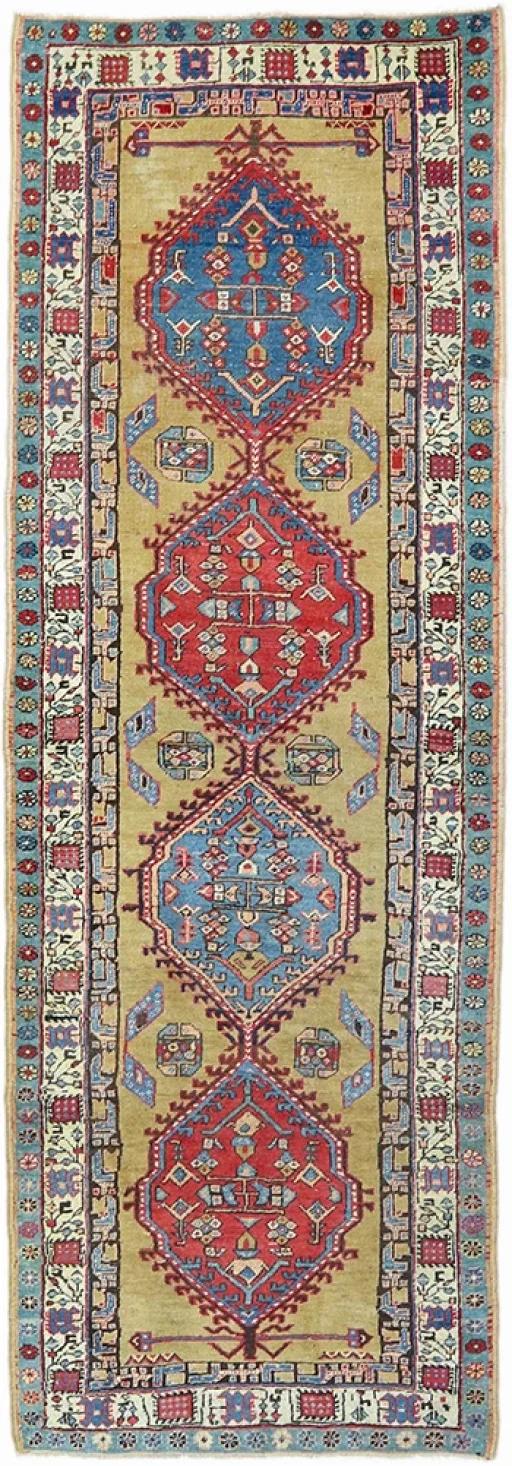
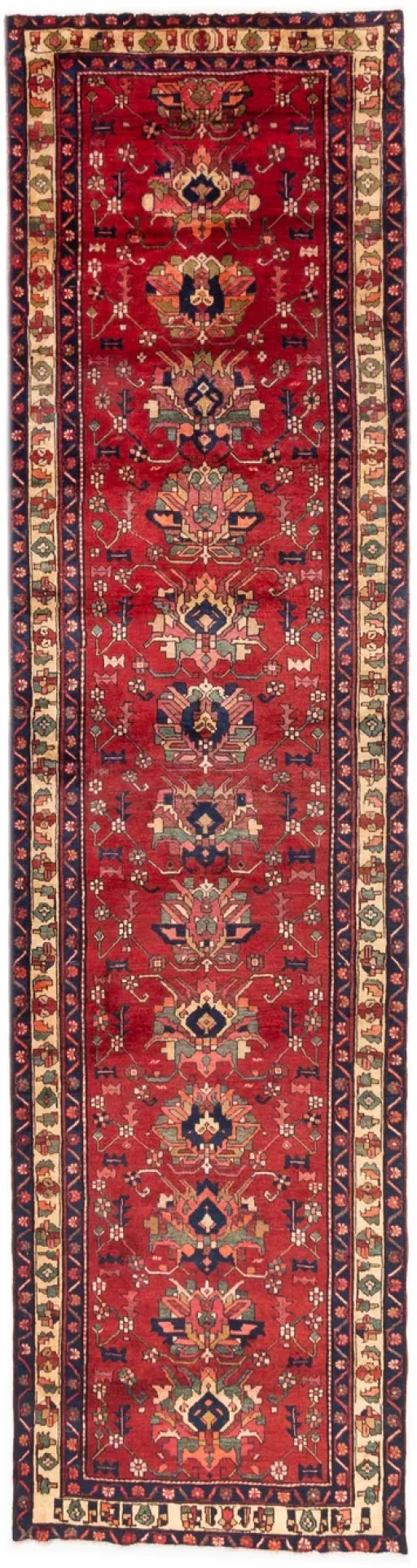
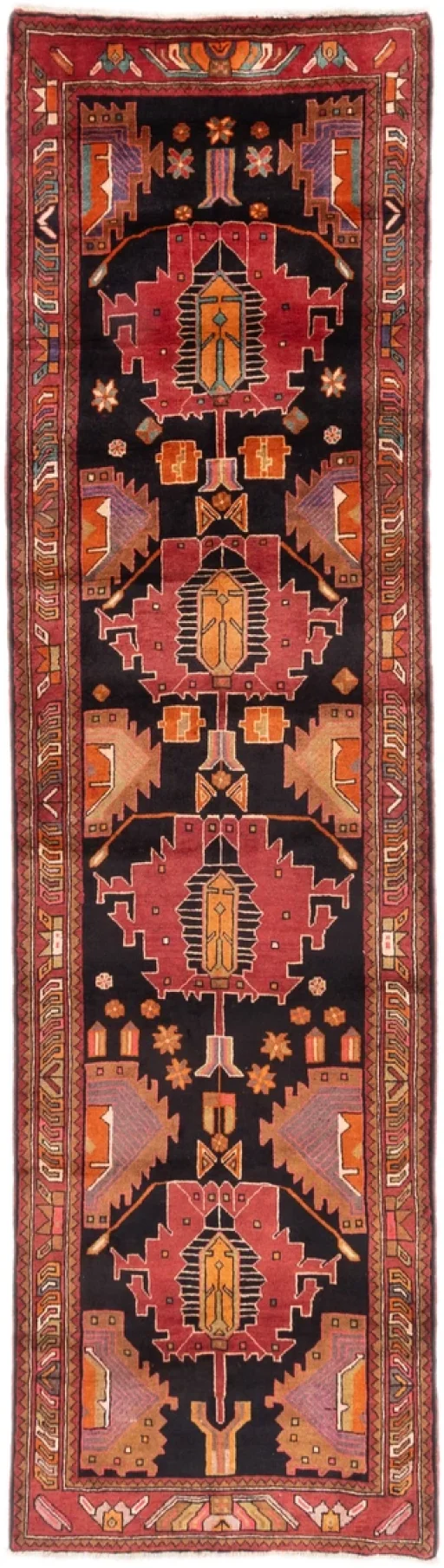
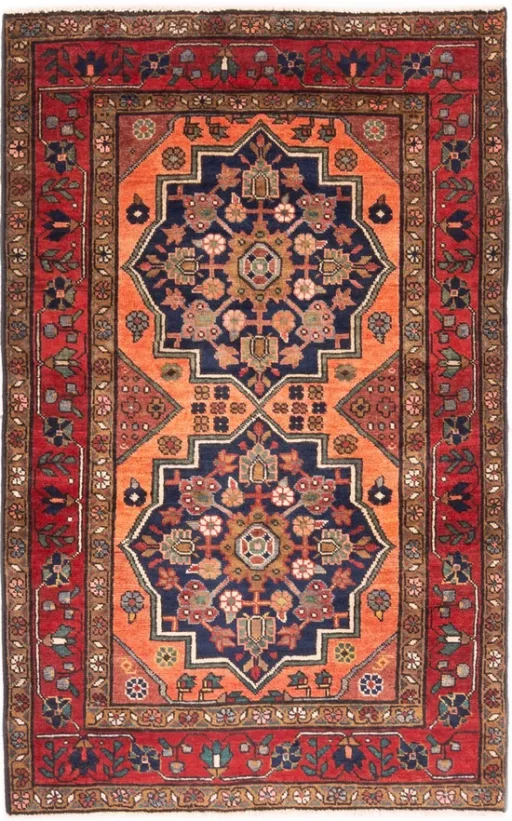
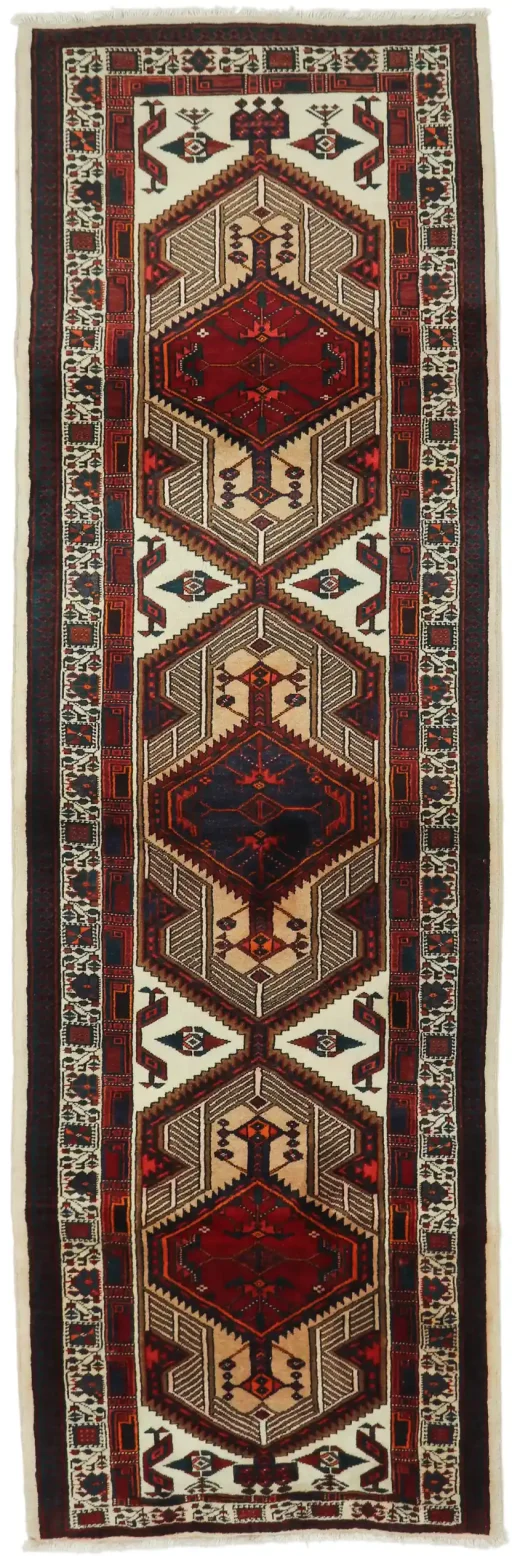
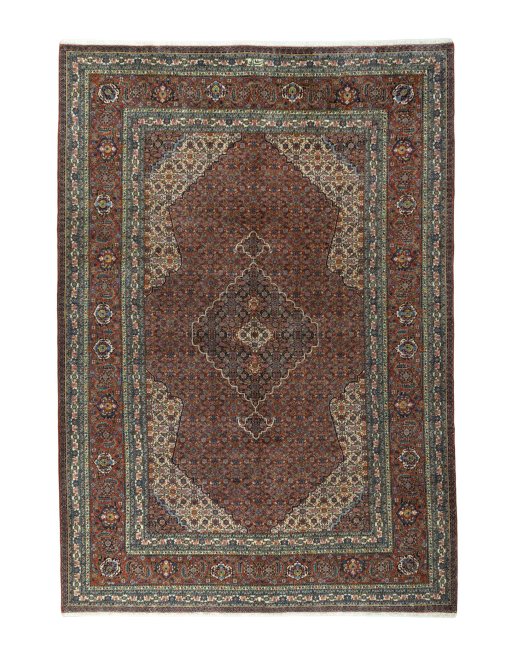
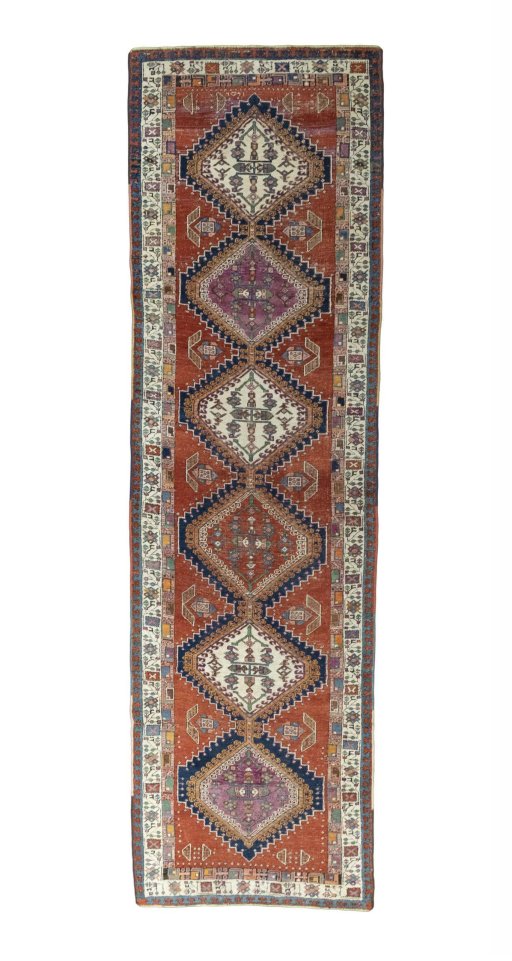
Les tapis Sarab sont noués à la main dans le district de Sarab, au nord-ouest de l'Iran, et sont particulièrement connus pour leurs formats de couloir longs et leur esthétique tribale distinctive. Leurs motifs incluent souvent des médaillons en diamant allongés, des motifs géométriques en escalier et des bordures finement dessinées qui reflètent la tradition de tissage de la région. Les tisserands de Sarab utilisent généralement de la laine de haute qualité avec une texture ferme, ce qui donne à ces tapis une structure claire et une sensation de durabilité. Des teintures naturelles créent des tons chauds et terreux qui complètent la géométrie épurée des motifs. Reconnus pour leur artisanat et leur langage de design équilibré, les tapis Sarab restent l'un des styles de tissage les plus caractéristiques de la région de Heriz.

Sarab

13 Tapis trouvés
Tapis 1 - 13 de 13

Sarab Rugs

Traditional Persian Carpets with Geometric Character

Sarab rugs are traditional Persian carpets originating from the region around the city of Sarab in northwestern Iran, in the province of East Azerbaijan. These hand-knotted oriental rugs are known for their clear geometric structures, durable wool quality, and practical use as robust everyday carpets.
Compared with heavily floral Persian carpets, Sarab rugs appear more structured and restrained. Their elongated formats, defined lines, and balanced color compositions make them particularly suitable for hallways, living spaces, and dining areas.
The city of Sarab lies between the historic carpet centers of Tabriz and Ardabil and is part of one of the most established weaving regions in northwestern Iran. In the surrounding villages, a distinctive carpet tradition developed influenced by Kurdish and Azerbaijani weaving cultures.
Sarab rugs were typically produced in village workshops or within family households. As a result, many pieces display individual character while still maintaining a recognizable regional style.
A defining feature of Sarab rugs is their geometric design. Many examples display elongated fields with repeating diamond or medallion motifs. These motifs are often framed by simple, clearly structured borders.
Unlike many classical Persian carpets dominated by floral ornamentation, Sarab rugs have a more graphic and restrained appearance. This clarity of design makes them particularly appealing for modern interior concepts.
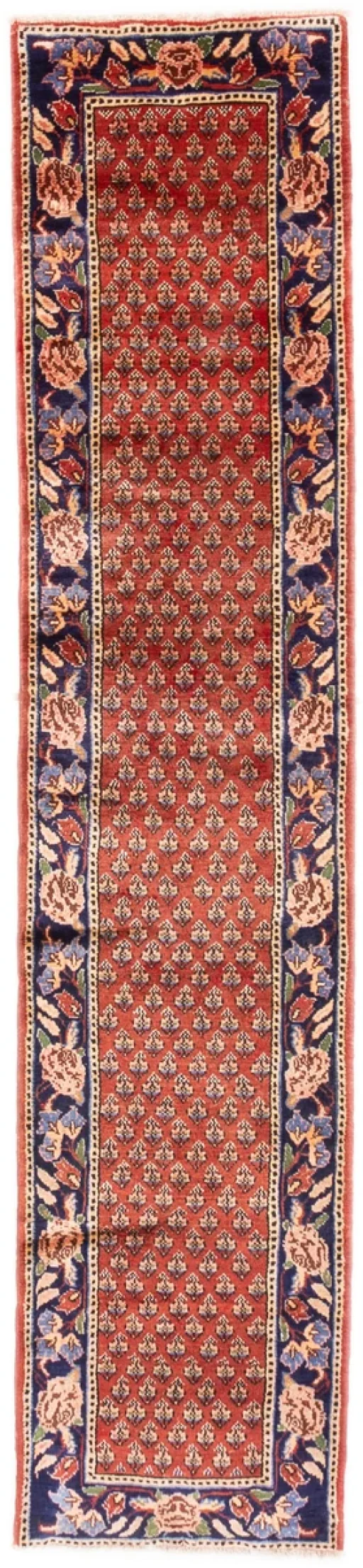
The color palette of traditional Sarab rugs is warm and natural. Deep reds and rust tones frequently dominate the field and are complemented by shades of blue, beige, or ivory.
These harmonious colors create a balanced atmosphere and allow Sarab rugs to integrate easily into both classic and contemporary interiors.
Sarab rugs are traditionally made from high-quality wool. This wool provides both durability and a comfortable texture.
Their knot density typically falls within the medium range, giving the rugs a stable structure and strong resistance to wear. Because of these characteristics, Sarab rugs are particularly well suited for frequently used areas of the home.
Thanks to their clear lines and durable structure, Sarab rugs are highly versatile. They are often used as runners in hallways or long living spaces.
In living rooms or dining areas they complement both modern and traditional furniture. Their restrained ornamentation adds structure to a room without overwhelming the overall interior design.

Rugbloom curates Sarab rugs according to clearly defined quality standards. Authentic origin, balanced color composition, high-quality wool, and precise craftsmanship are key criteria in the selection process.
A Sarab rug from Rugbloom combines traditional Persian weaving craftsmanship with durable materials and timeless interior aesthetics. Customers also benefit from free shipping and returns as well as a 30-day return policy.

Discover hand-knotted Sarab rugs that bring traditional village carpet aesthetics into modern living spaces.

Livraison gratuite et retours gratuits
Garantie de remboursement de 31 jours
Achetez maintenant, payez plus tard
Depuis 1870 : Experts en tapis orientaux