
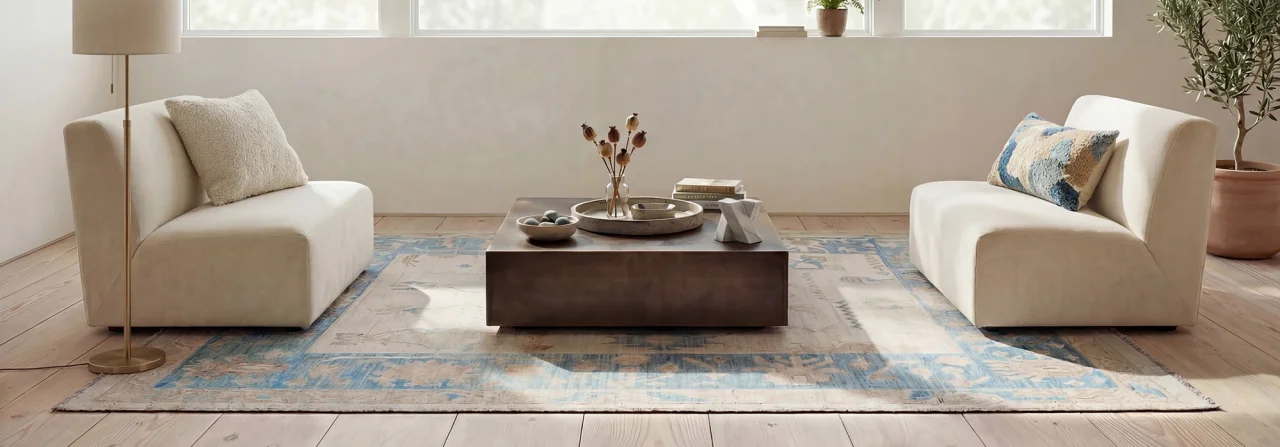

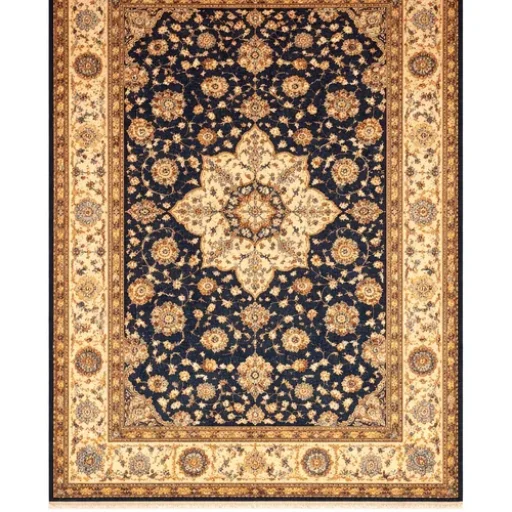
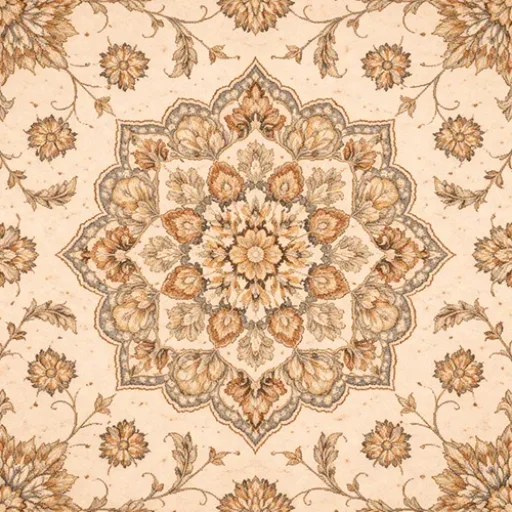
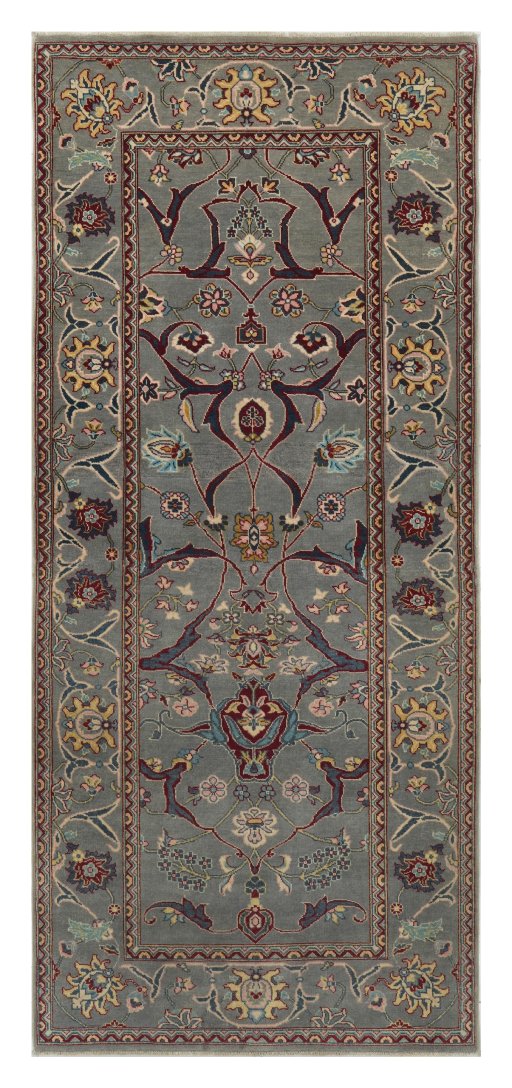
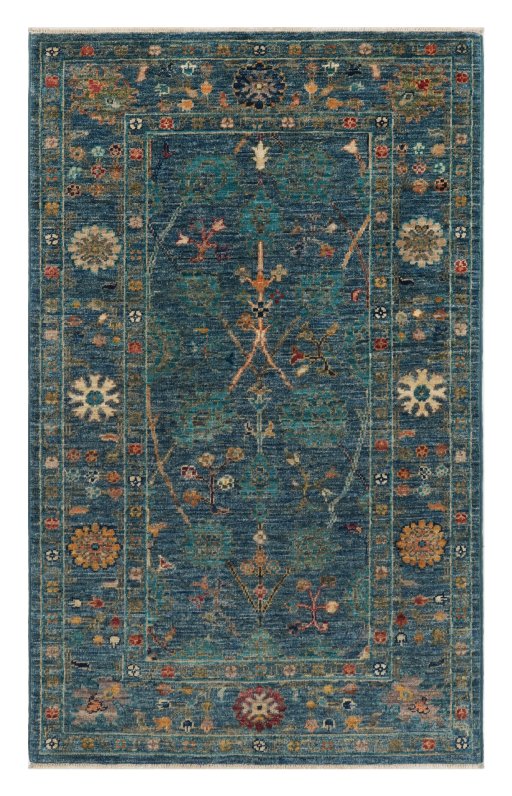
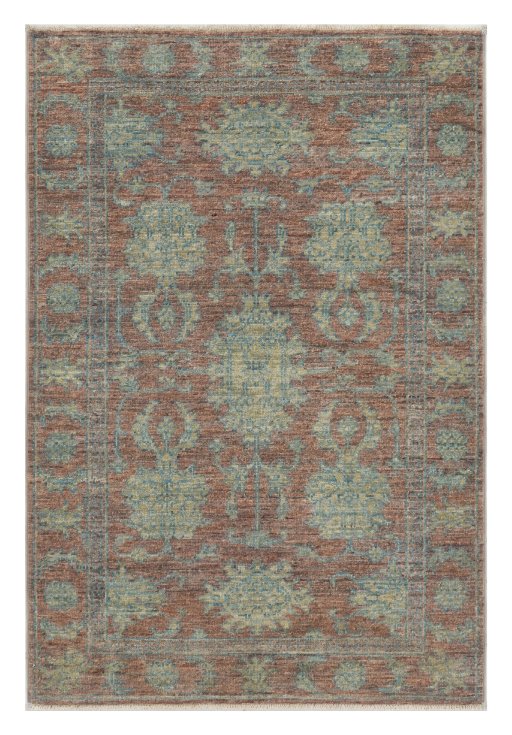
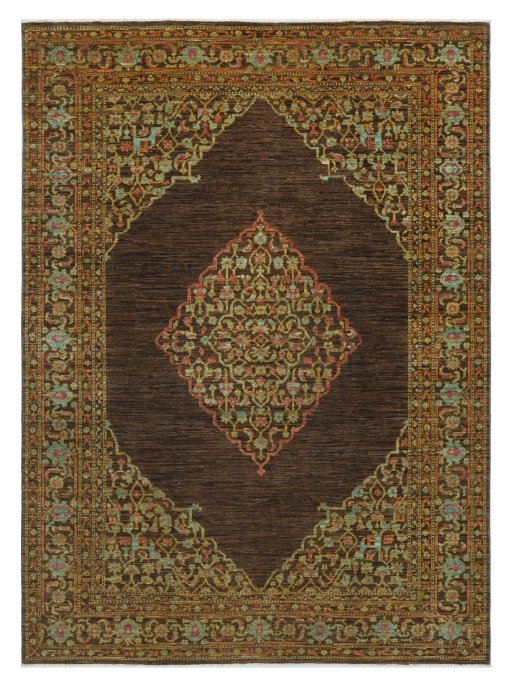
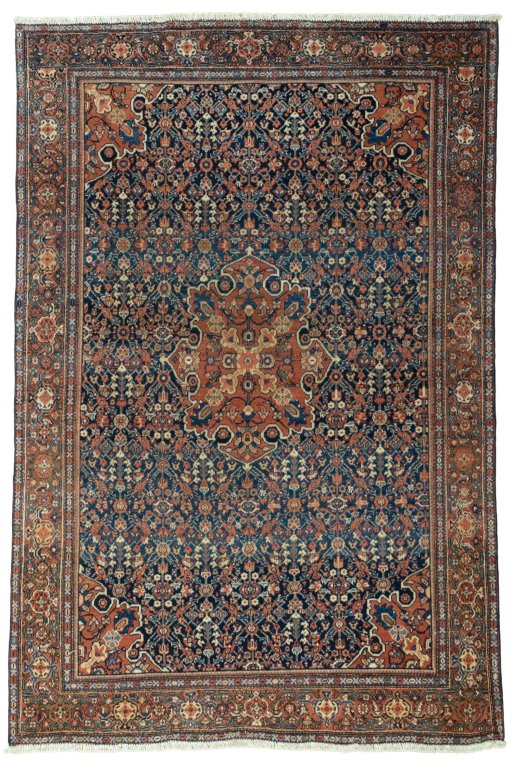
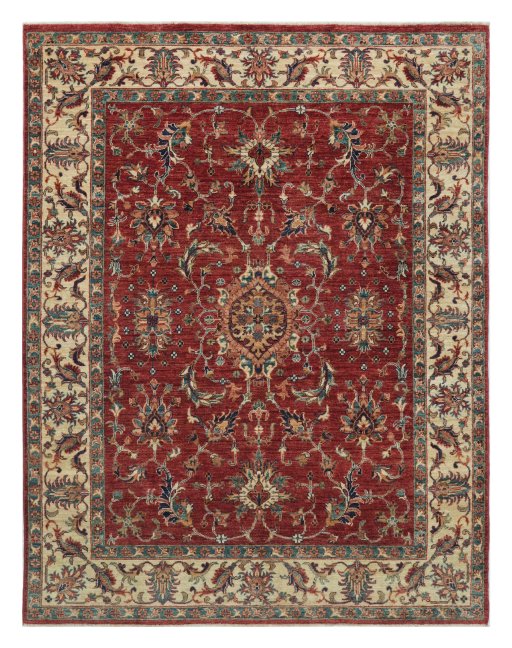
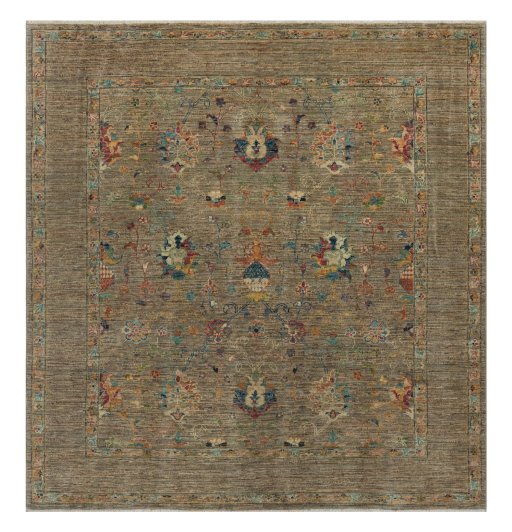
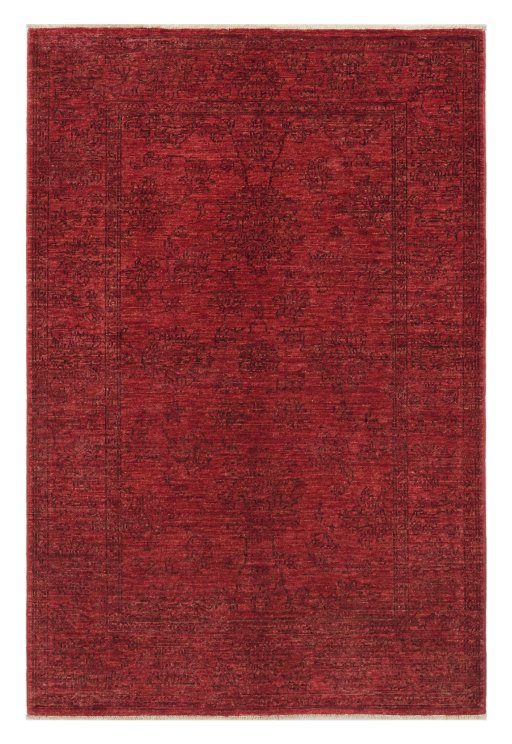
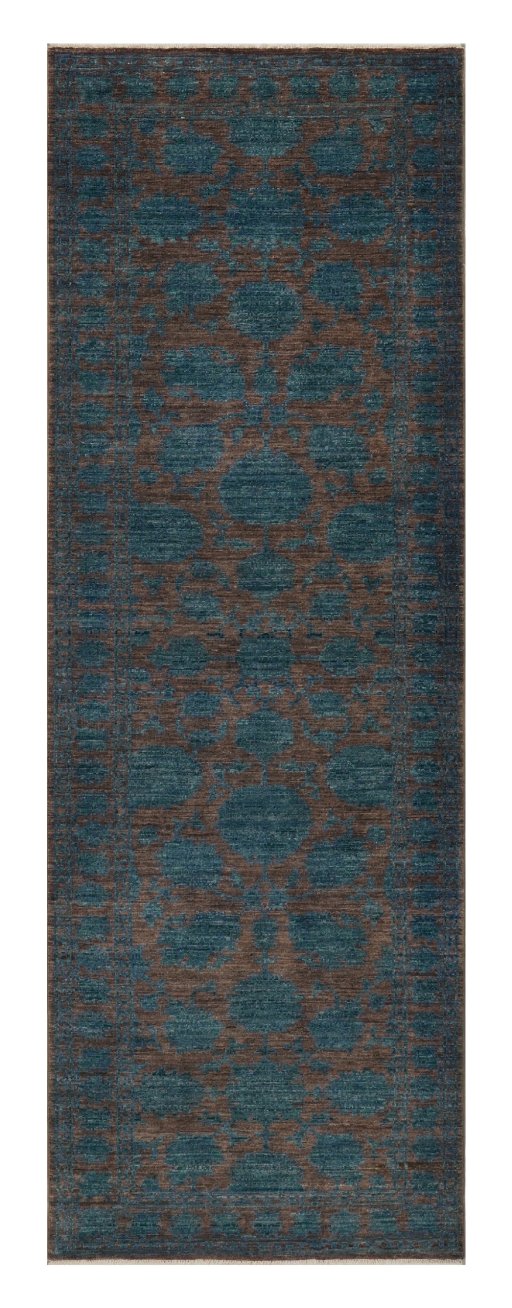
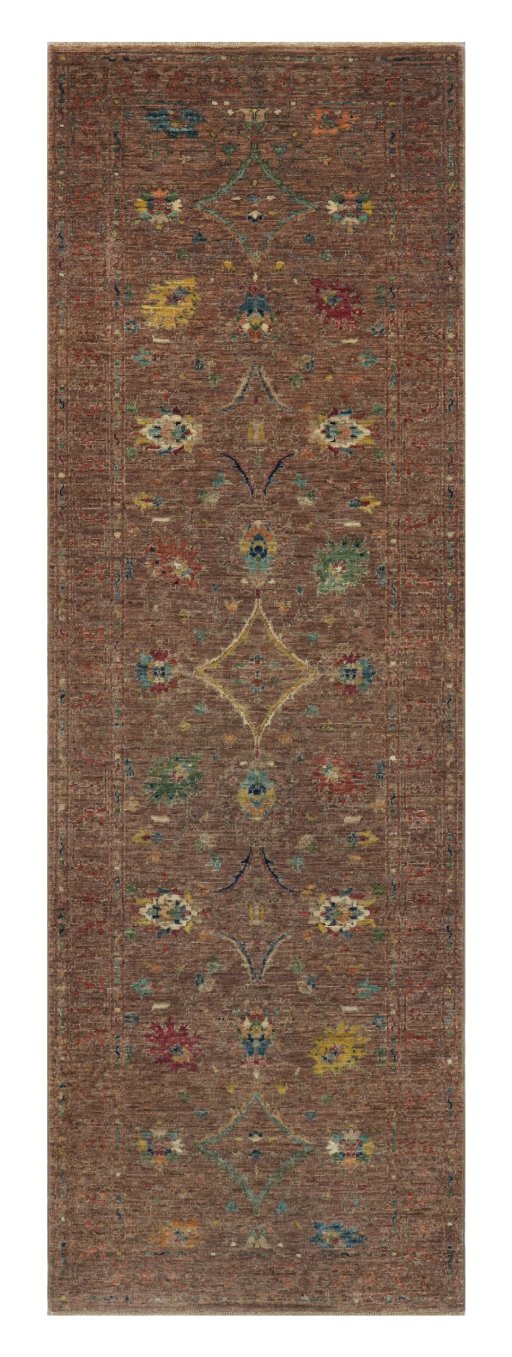
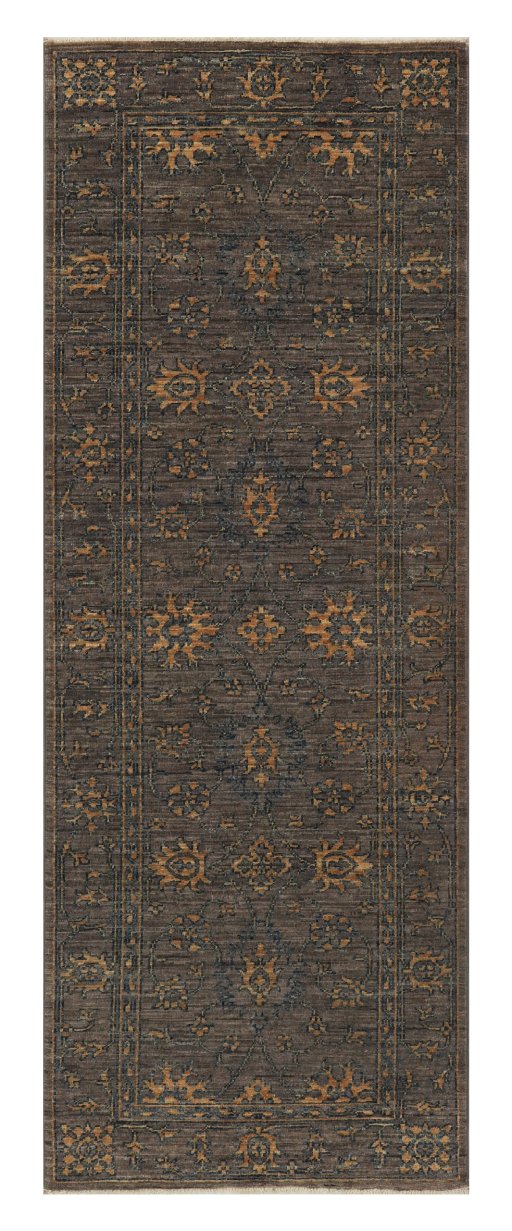
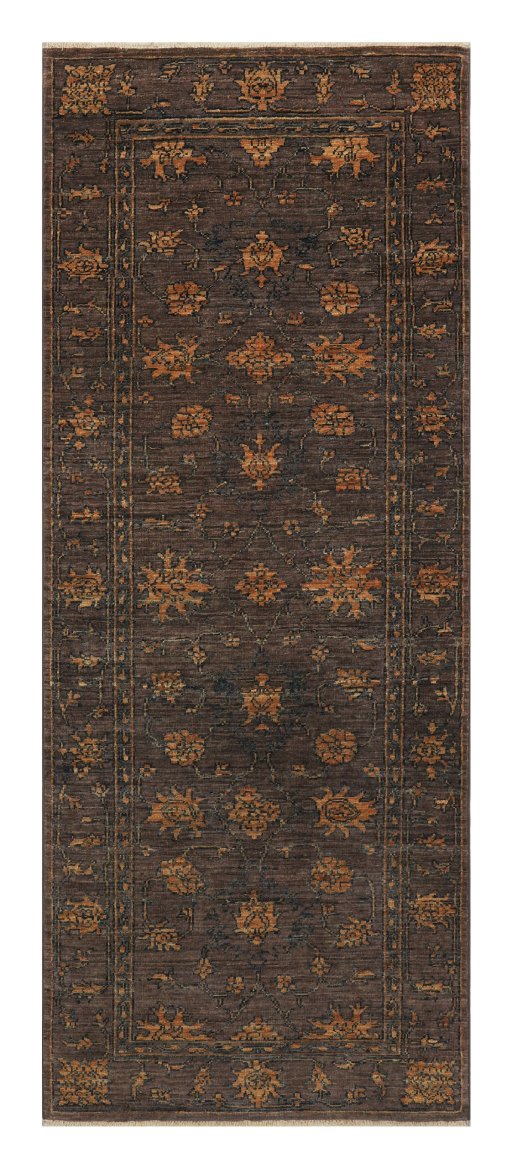
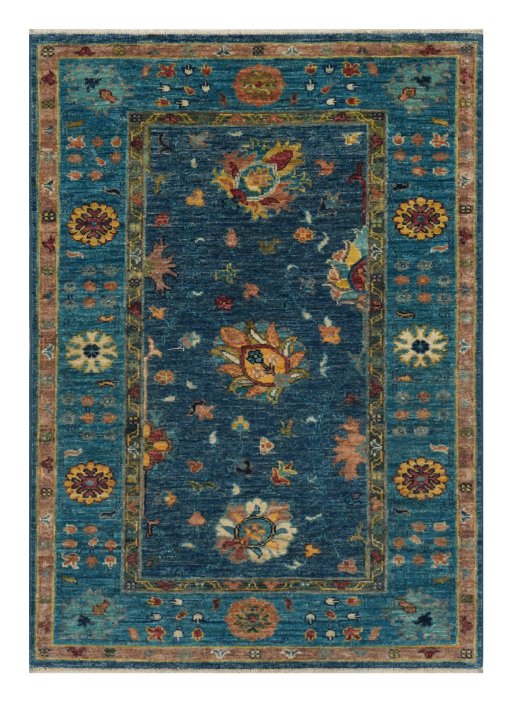
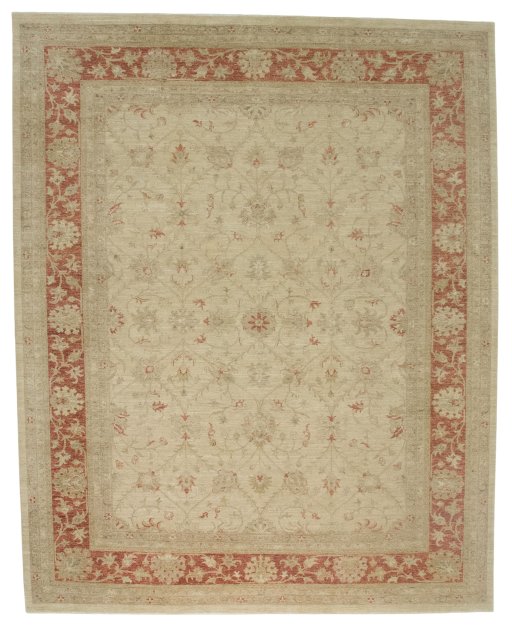
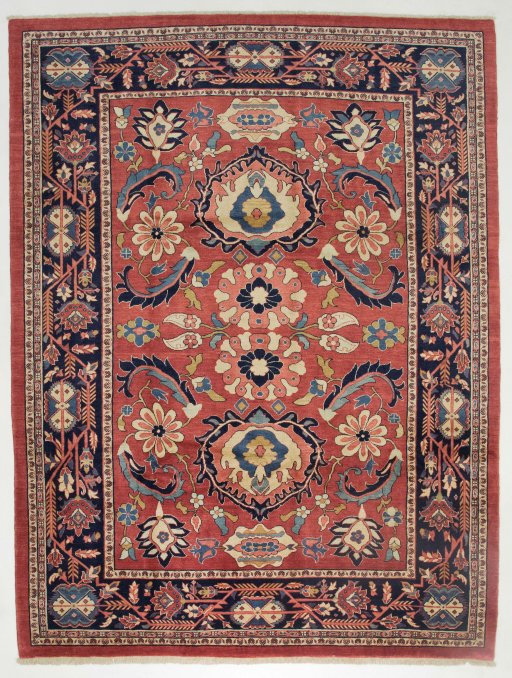
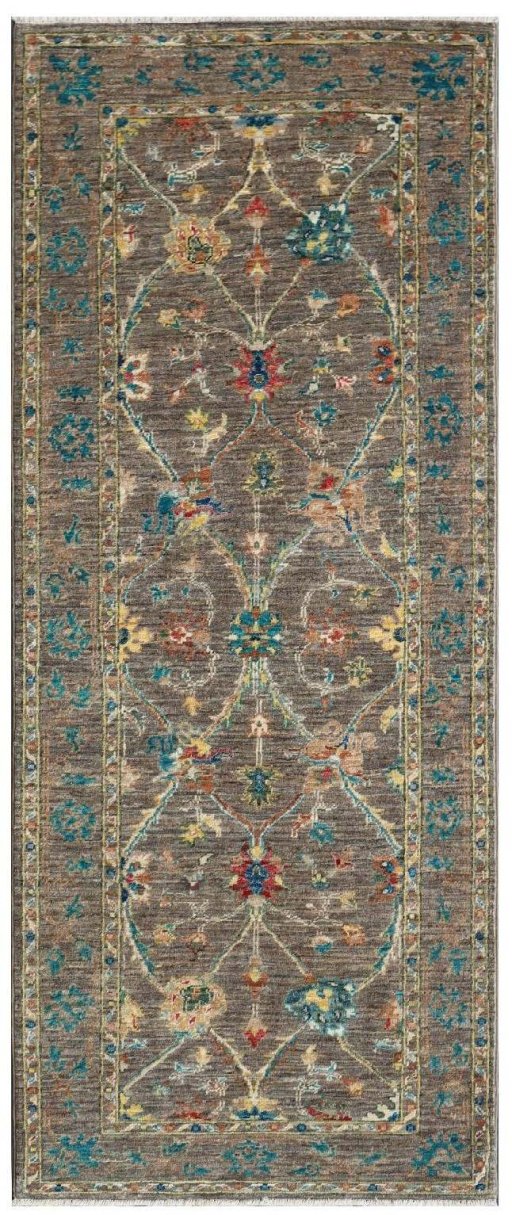
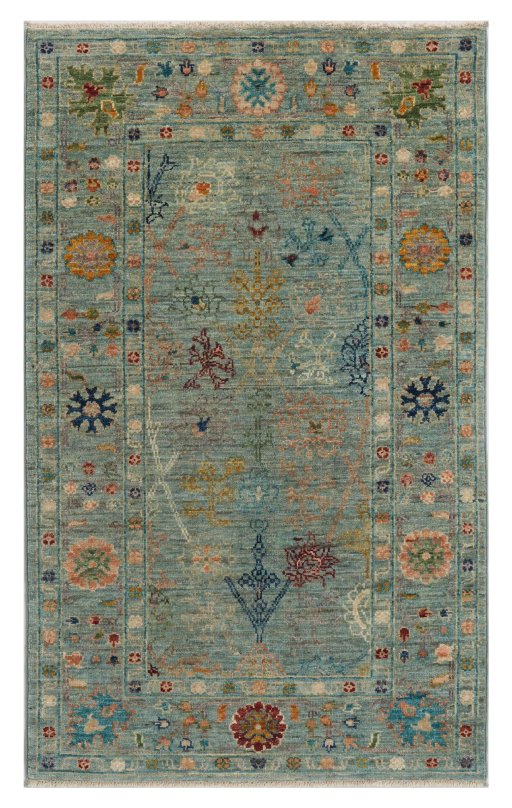
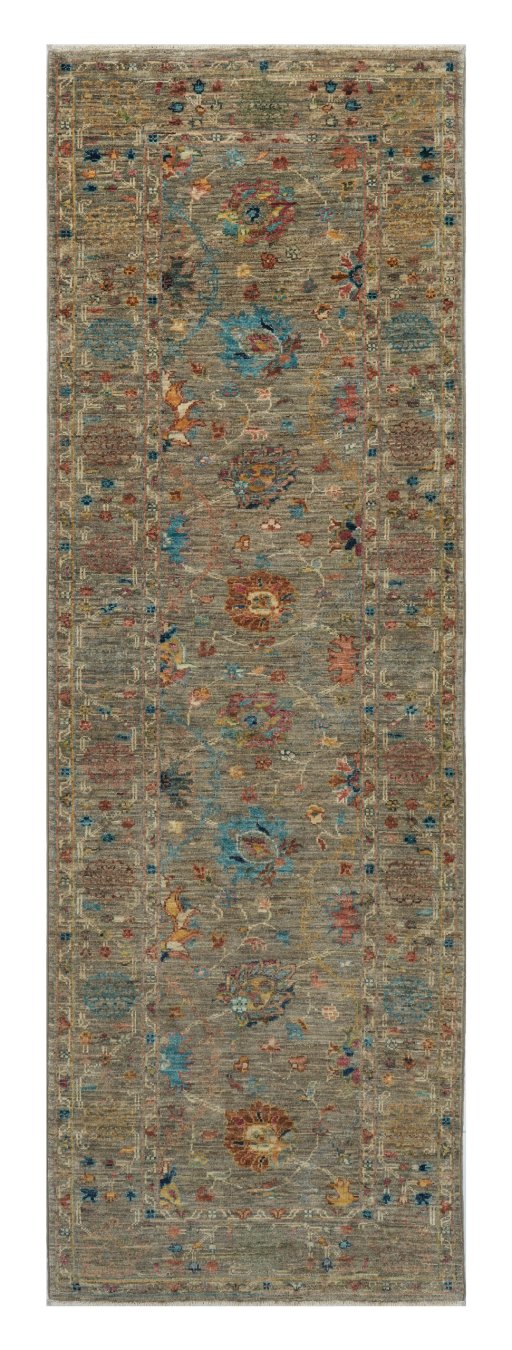
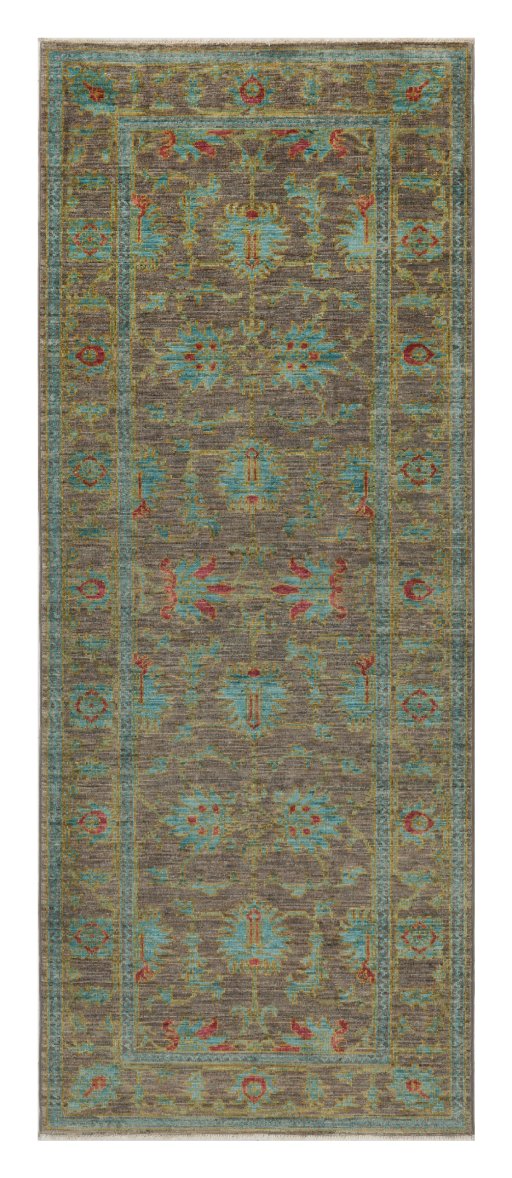
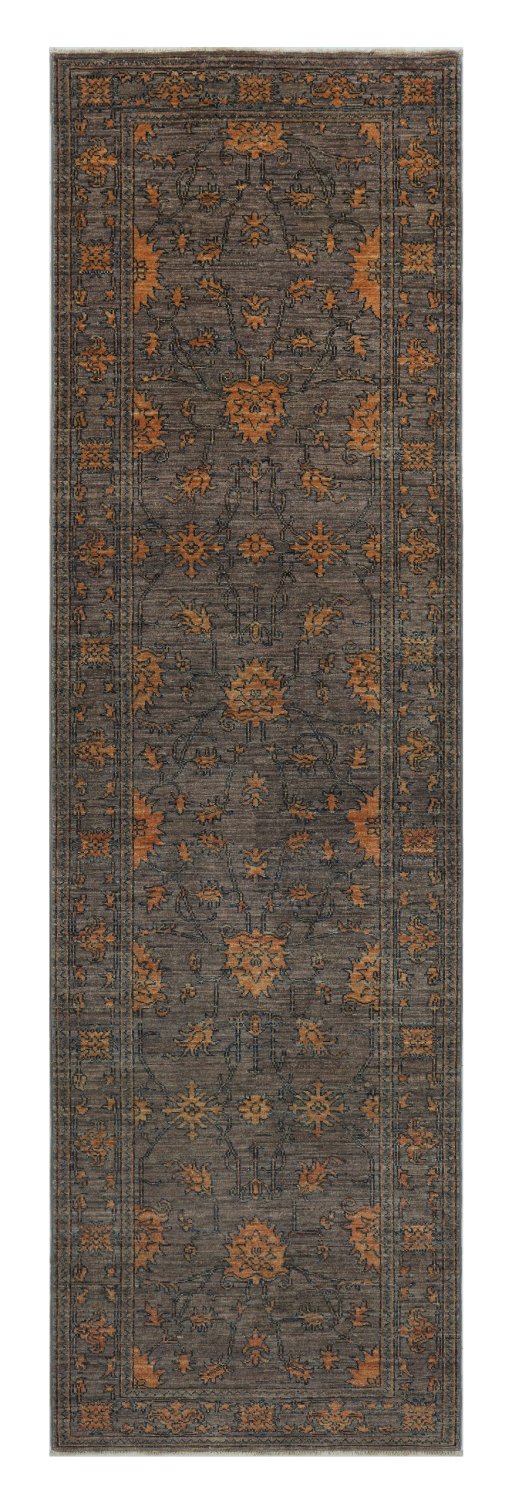
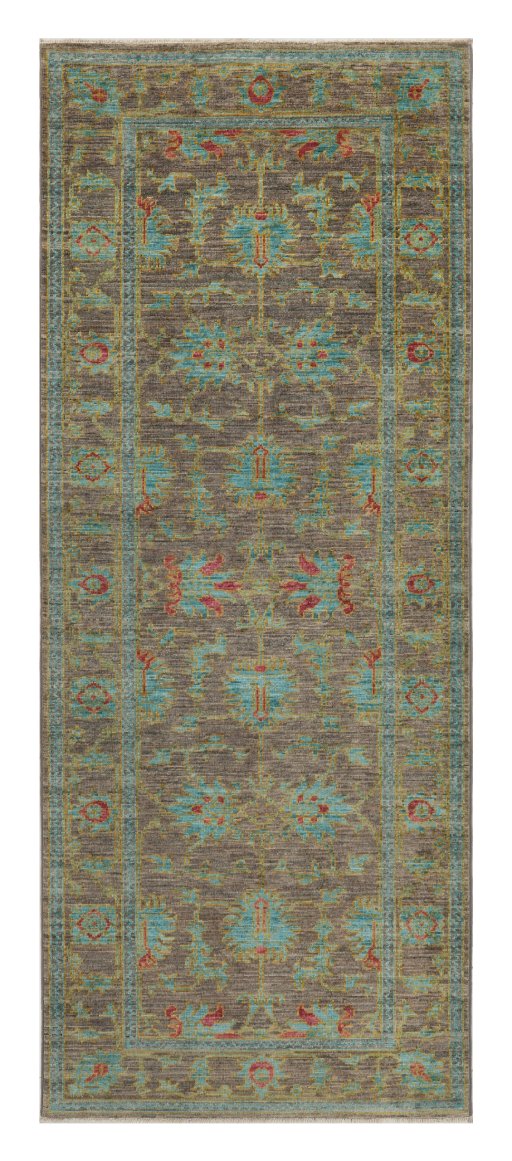
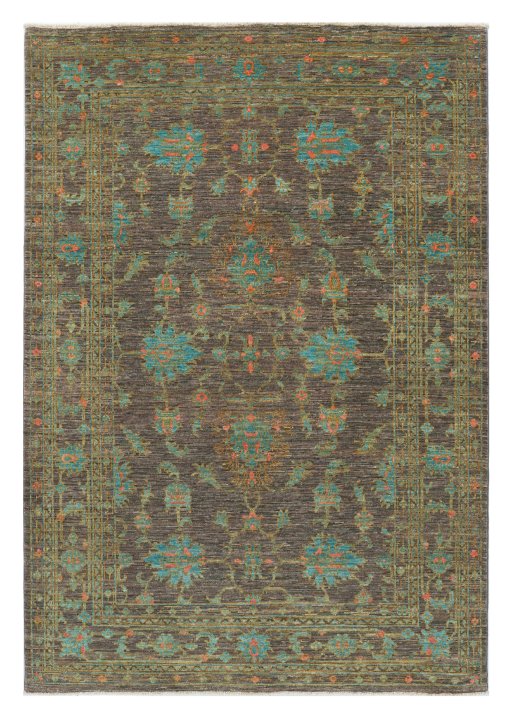
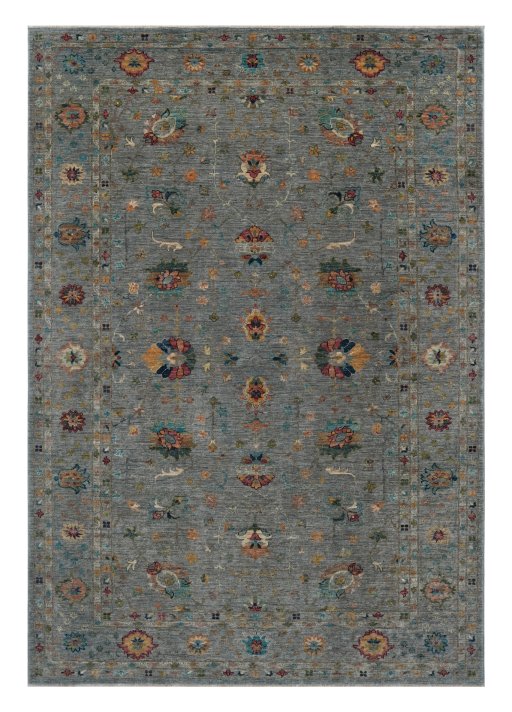
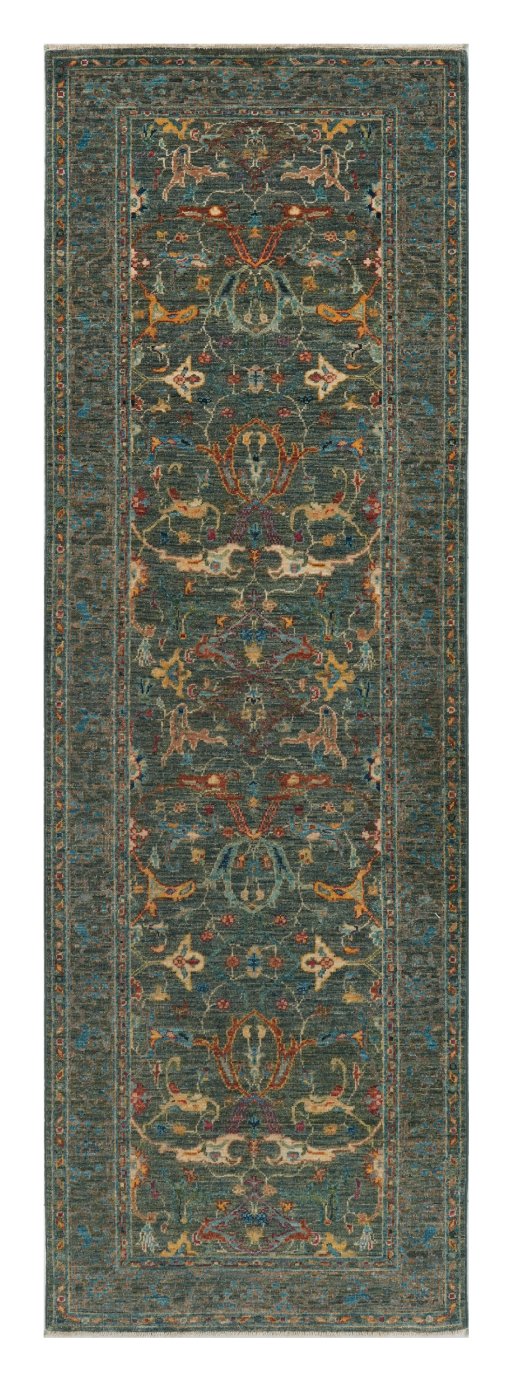
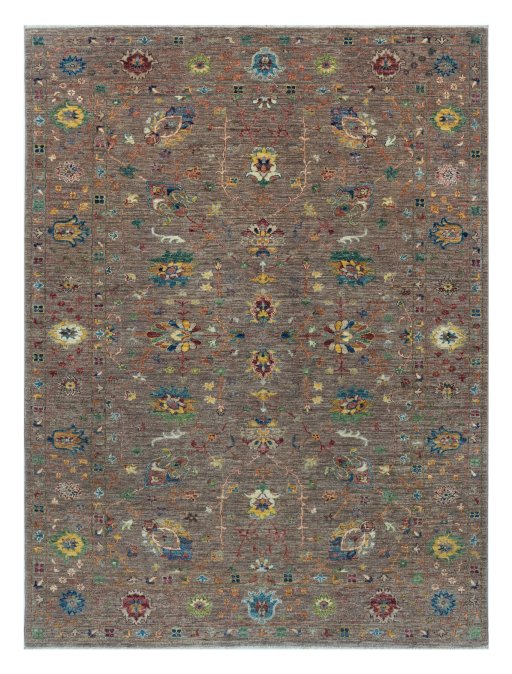
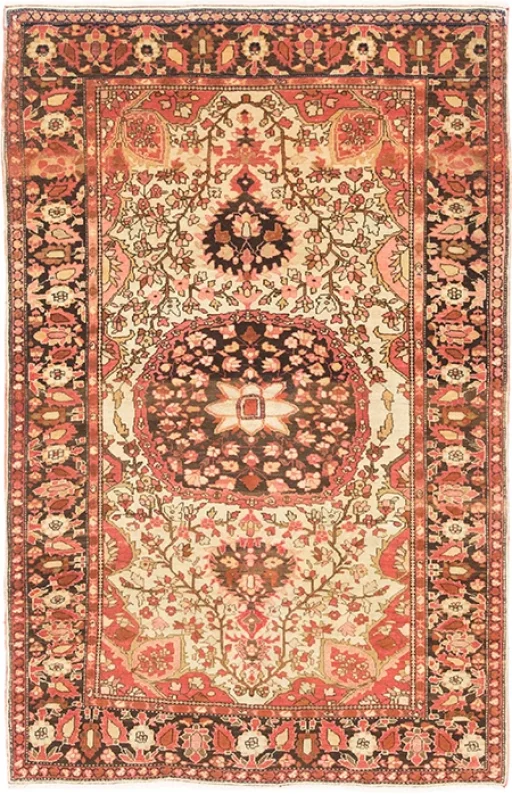
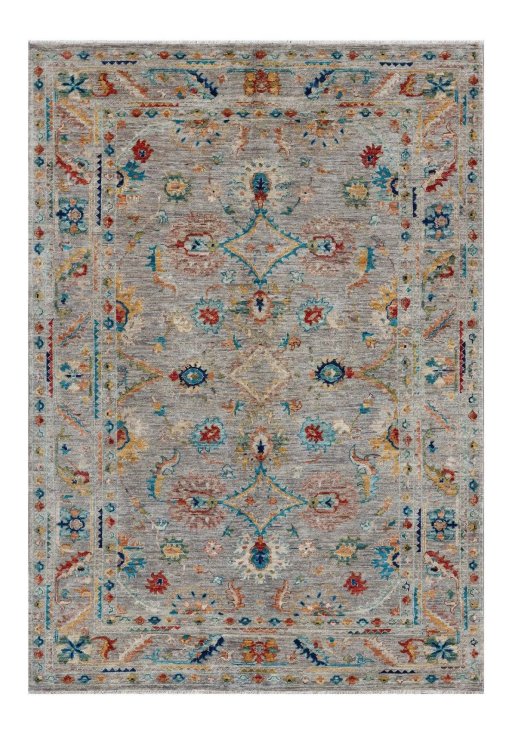
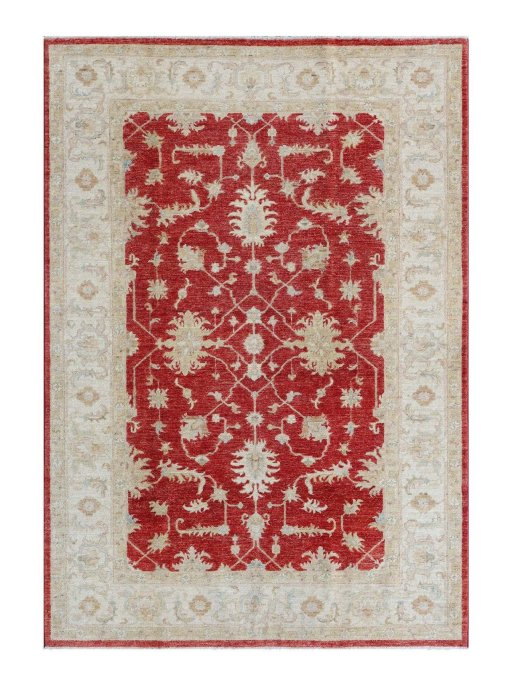
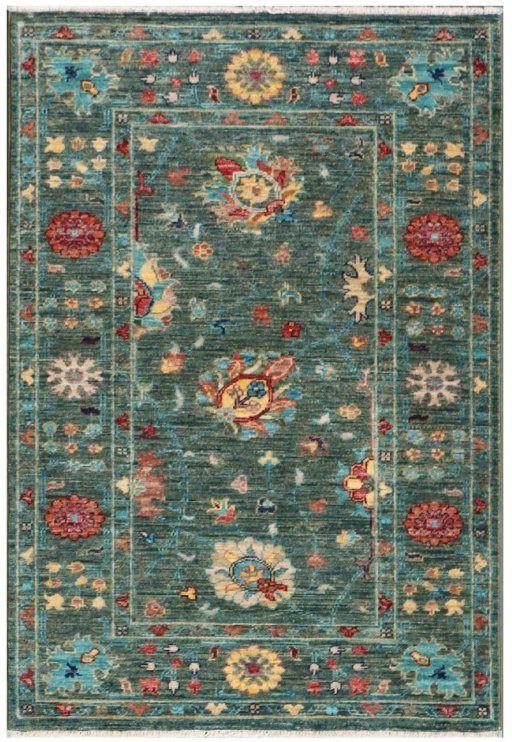
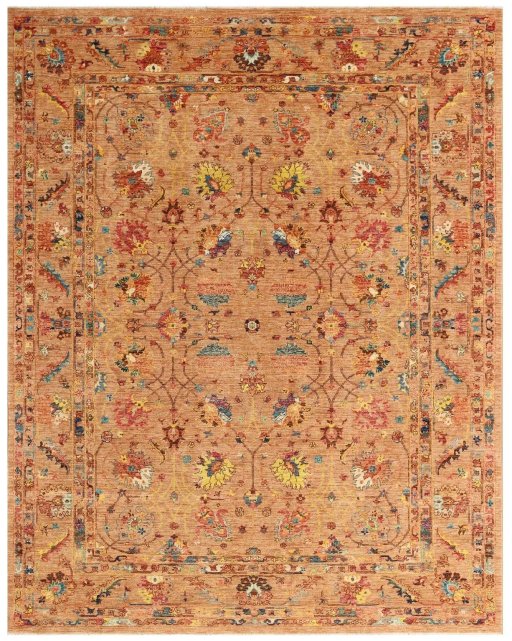
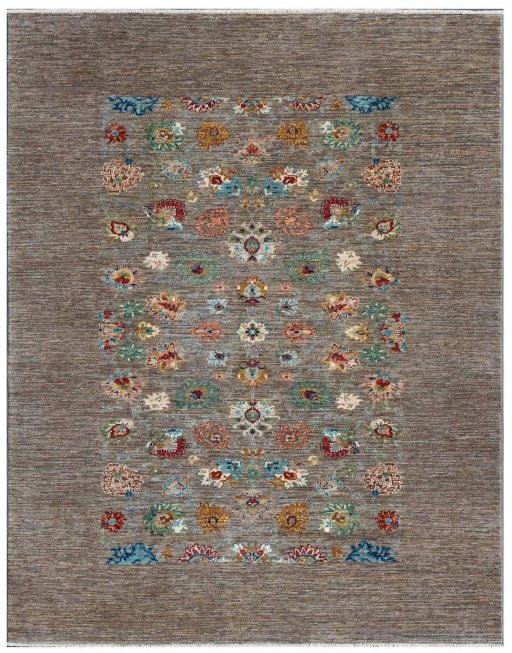
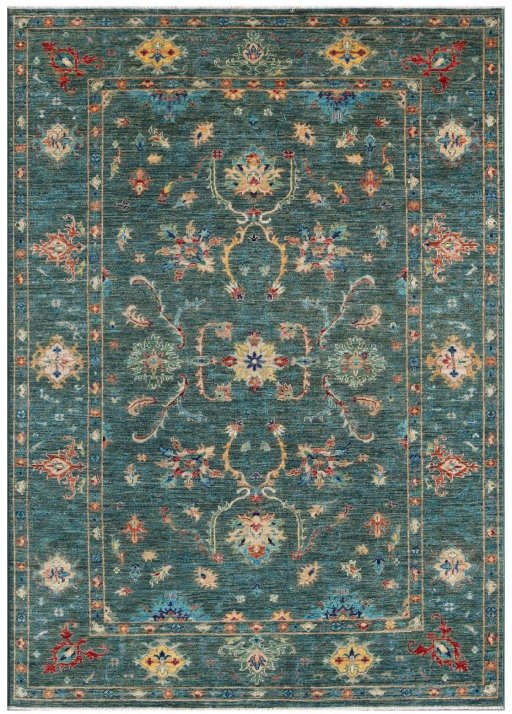
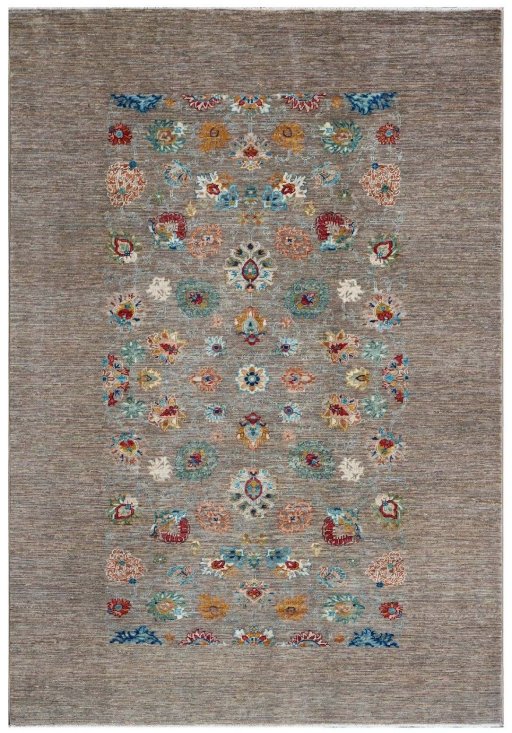
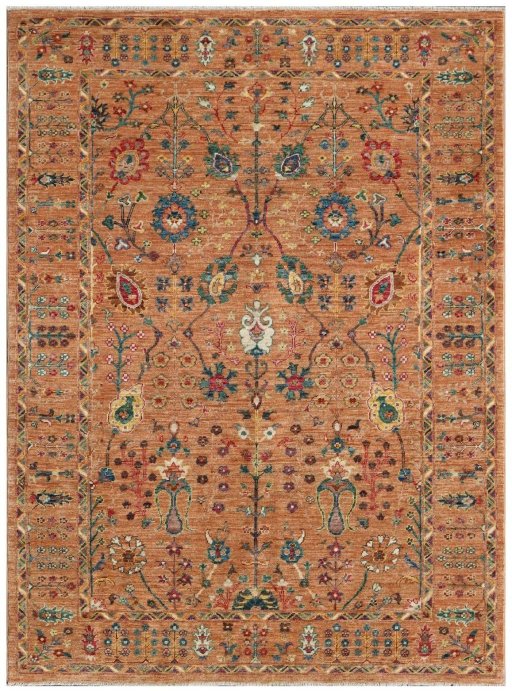
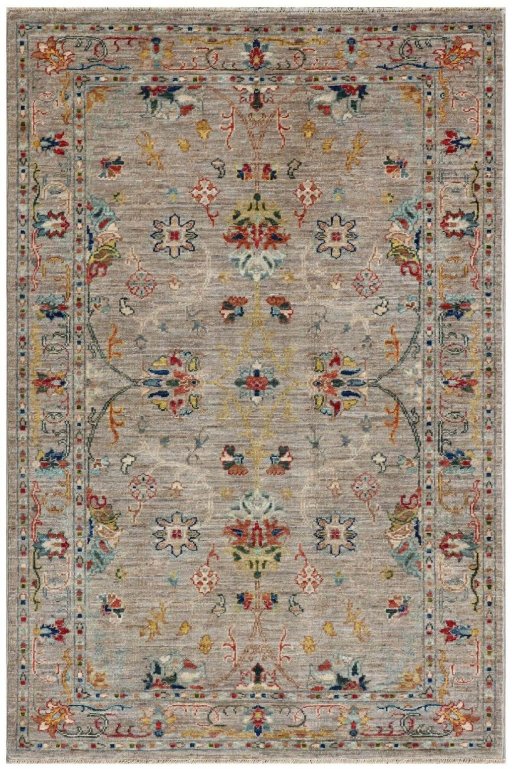
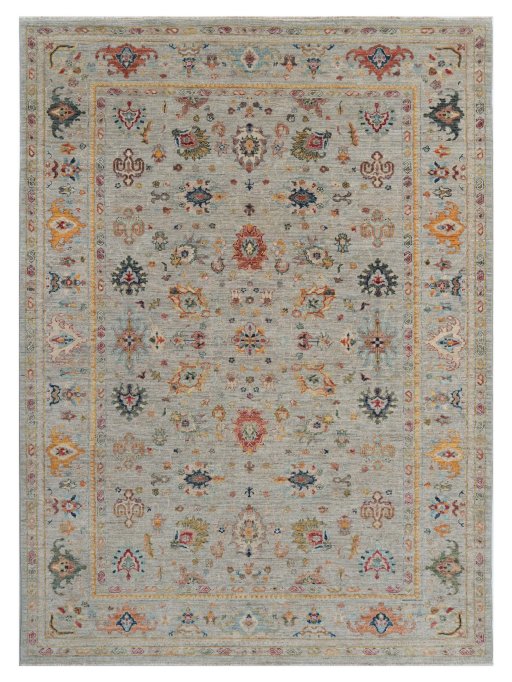
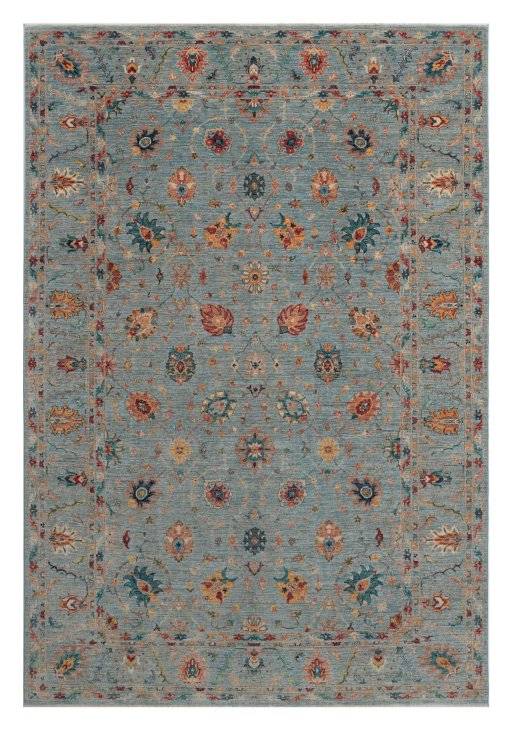
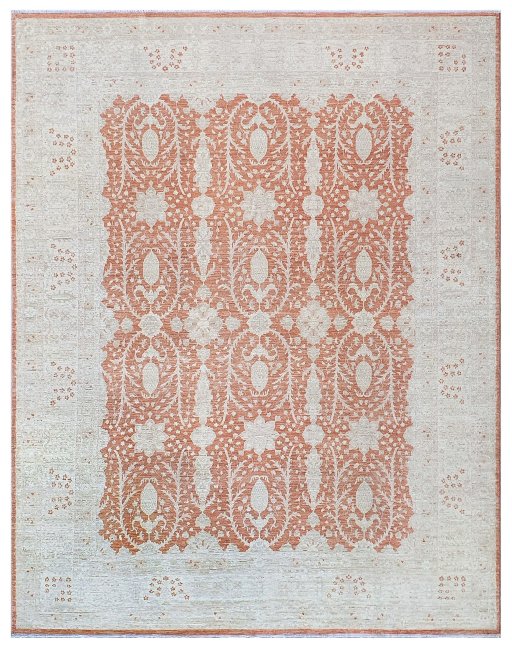
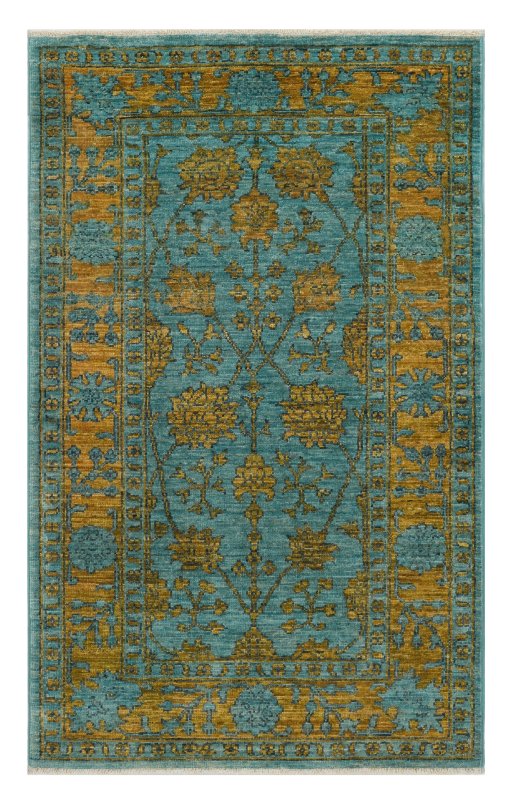
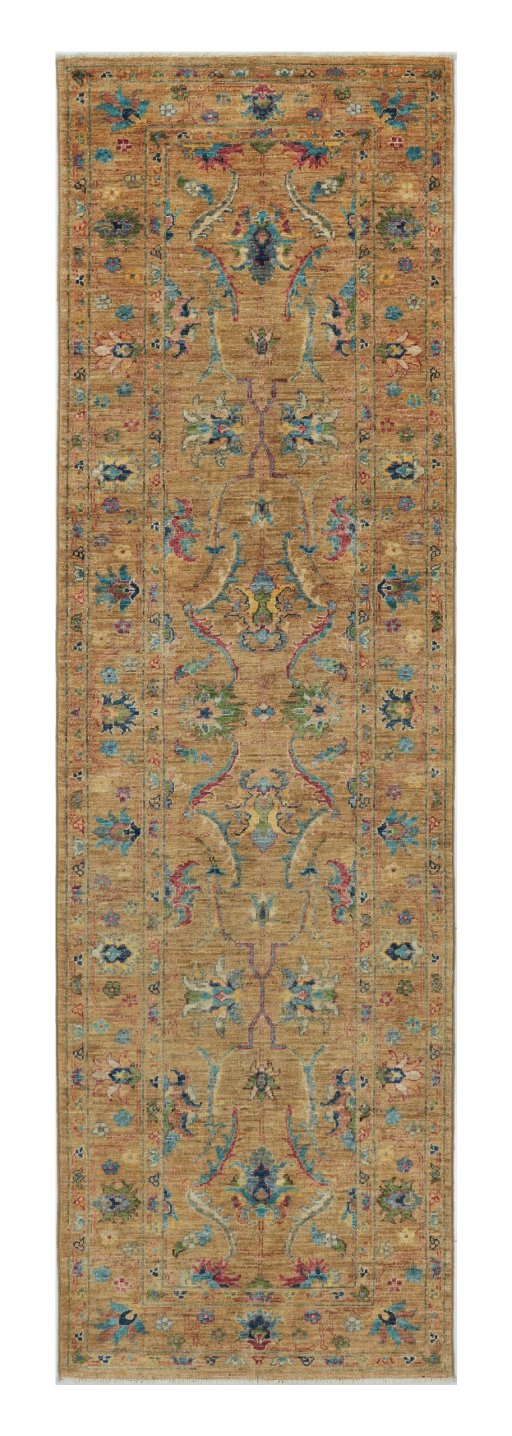
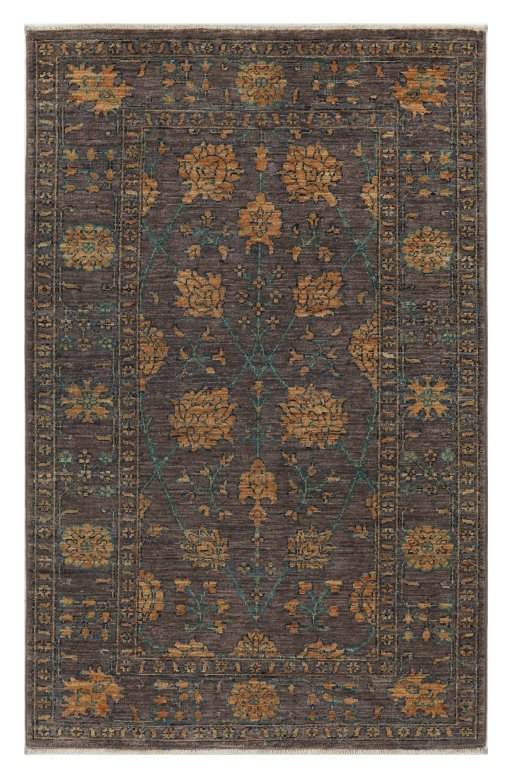
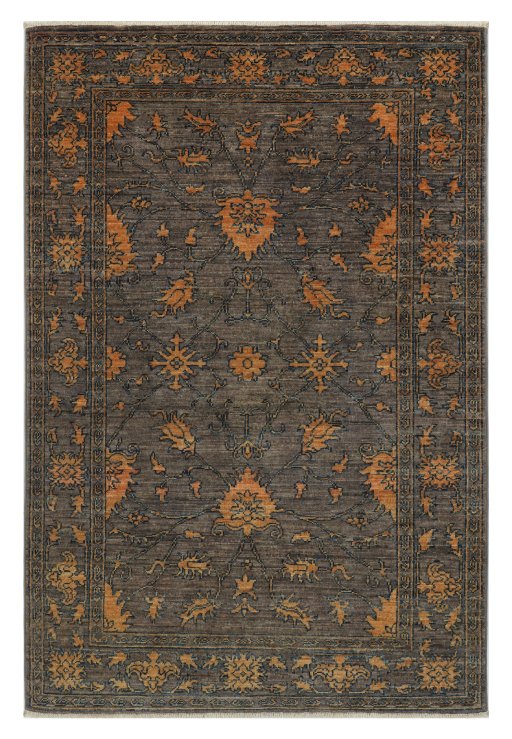
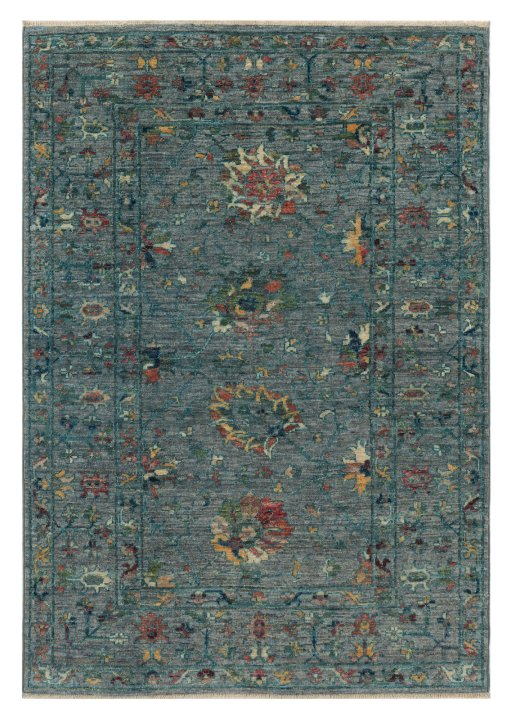
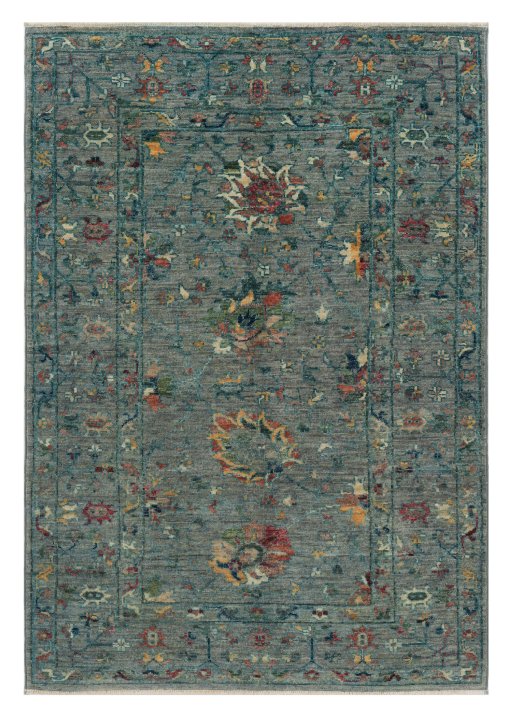
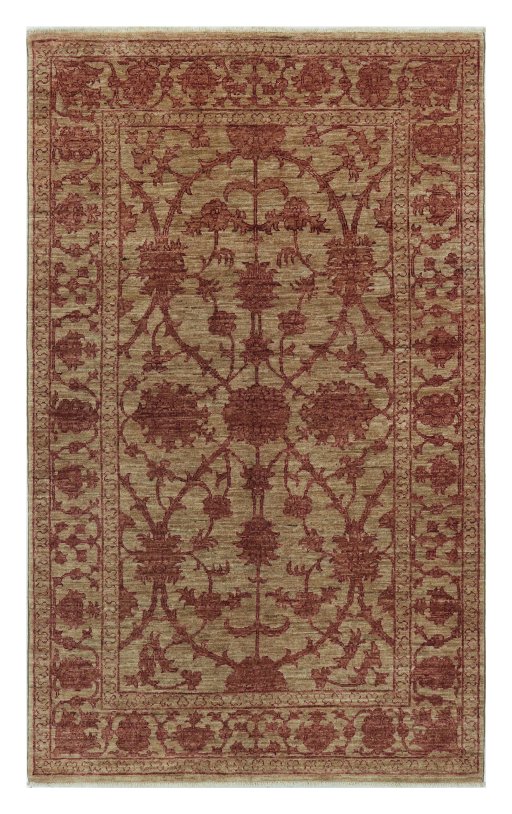
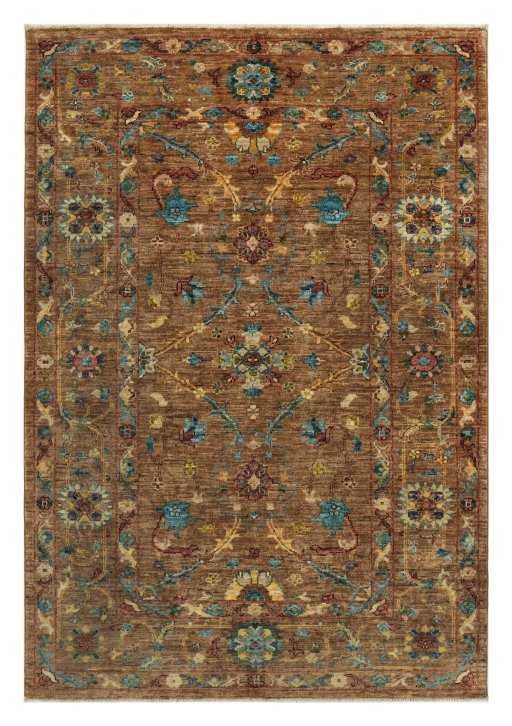
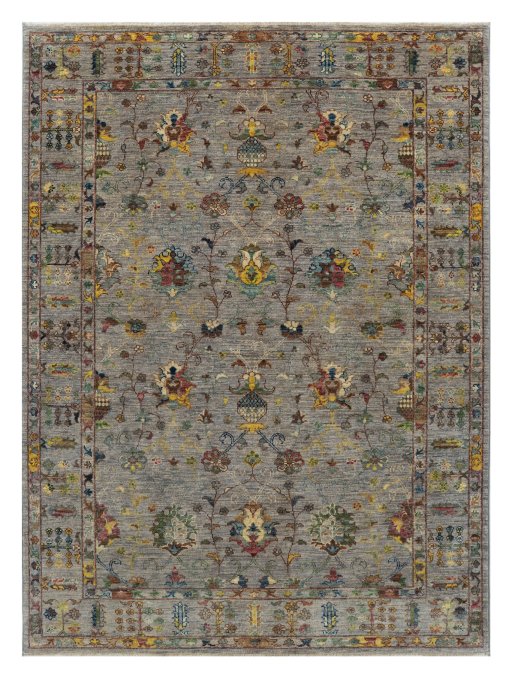
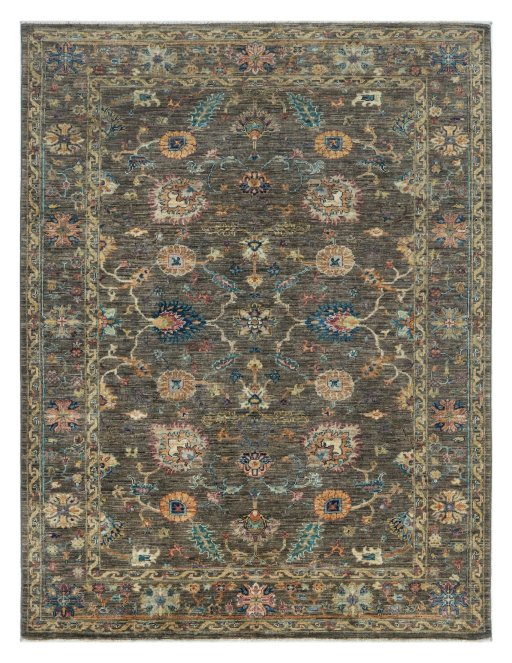
The history of Ziegler rugs begins in the late 19th century. The Swiss entrepreneur Philipp Ziegler recognized that Persian rugs were highly valued in Europe, but their strong contrasts and dense ornamentation did not always suit Western interiors.
From the 1870s onward, rugs were produced in Persia, especially in the region around today’s Arak, using traditional Persian motifs but with softer colors and more open designs.
The goal was to create a hand-knotted oriental rug that preserved Persian craftsmanship while appearing calmer, lighter and more suitable for European homes.
Although the original Ziegler production ended in 1929, the style remained highly influential. Today, the term “Ziegler rug” is widely used for oriental rugs with spacious patterns, harmonious colors and a refined decorative character.
From the 1870s onward, rugs were produced in Persia, especially in the region around today’s Arak, using traditional Persian motifs but with softer colors and more open designs.
The goal was to create a hand-knotted oriental rug that preserved Persian craftsmanship while appearing calmer, lighter and more suitable for European homes.
Although the original Ziegler production ended in 1929, the style remained highly influential. Today, the term “Ziegler rug” is widely used for oriental rugs with spacious patterns, harmonious colors and a refined decorative character.