
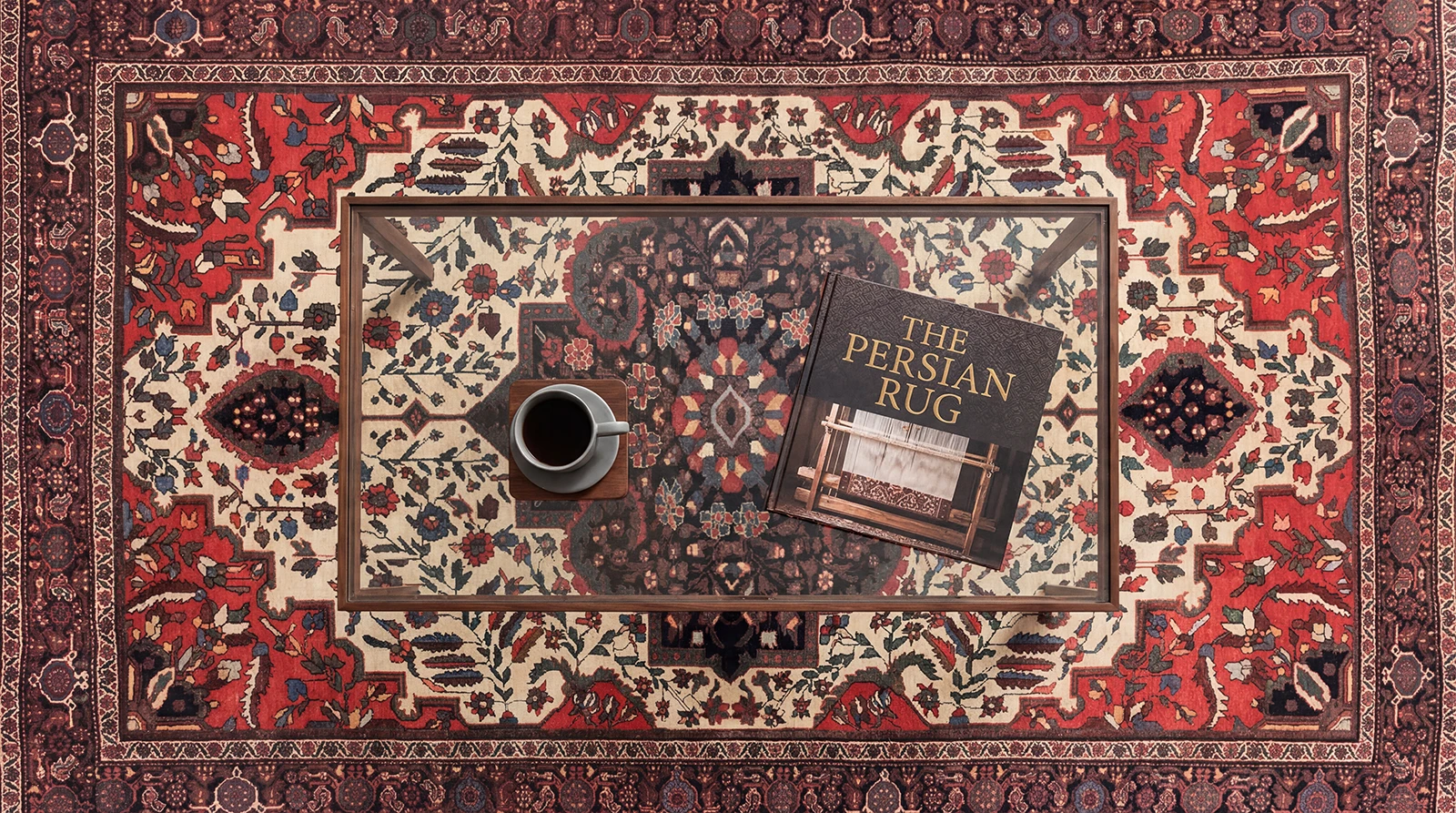
Where Tradition Meets Innovation: Hand-Knotted Oriental Rugs in Interior Design
Discover how traditional hand-knotted Oriental rugs meet modern innovation. Learn about craftsmanship, digital presentation, and how Persian rugs fit perfectly into contemporary interiors.
The Evolving World of Rugs
Hand-knotted Oriental rugs are among the oldest forms of craftsmanship in the world. For centuries, they have been created in traditional workshops where knowledge, techniques, and patterns are passed down from generation to generation. Each rug is the result of countless knots, carefully selected materials, and a meticulous process that can take months or even years to complete.
At the same time, the world in which these rugs are discovered and experienced today is changing. Digital technologies, new forms of presentation, and modern living concepts are opening up new ways to make traditional craftsmanship accessible. It is precisely at this intersection of past and future that the world of Oriental rugs exists today.

Tradition as the Foundation of Rug Craftsmanship
The production of hand-knotted rugs still follows methods that have evolved over many centuries. In regions such as Persia, Anatolia, and the Caucasus, rugs are still made on traditional looms. Wool is hand-spun, dyes come from natural pigments, and each individual knot is carefully tied.
This craftsmanship is the reason why an Oriental rug is more than just a floor covering. It is a cultural object that tells stories about landscapes, materials, and the people who created it.
Many classic rug-producing regions—such as Isfahan, Tabriz, and Kashan—are still renowned for their distinctive patterns and high level of craftsmanship. Nomadic and village rugs also carry on this tradition, often reflecting the lifestyles of the communities in which they are made.

The Rug in the Digital Age
While production remains traditional, the way people discover Oriental rugs has changed. In the past, rugs were mainly selected in bazaars or specialized stores. Today, the search often begins online.
Digital platforms make it possible to compare rugs from different regions of the world, understand their origins, and examine their details more closely. High-resolution images, detailed descriptions, and new presentation formats help highlight the unique characteristics of each rug.
Technologies such as 3D visualizations and virtual room simulations open up even more possibilities. They allow customers to experience a rug in their own living space before purchasing and better assess how it harmonizes with furniture and colors.

Between Craftsmanship and Modern Presentation
The combination of traditional rug-making and modern presentation creates new opportunities for collectors, interior designers, and rug enthusiasts.
While production continues to rely on centuries-old techniques, digital tools make it easier than ever to understand the diversity of these rugs. Patterns, knot density, materials, and origins can now be presented more transparently than ever before.
This is especially helpful for those encountering Oriental rugs for the first time. The combination of traditional knowledge and modern presentation creates a new form of rug culture.

Oriental Rugs in a Global World
Today, hand-knotted rugs can be found in homes all over the world. From classic apartments in Europe to modern lofts in North America and minimalist interiors in Asia, Oriental rugs connect different cultures and interior styles.
At the same time, their handcrafted origins remain visible. A rug from Persia or Anatolia always brings a piece of regional culture into a space. This blend of global presence and local tradition is what makes Oriental rugs so fascinating.

Rugbloom, Between Tradition and the Future
Since 1870, Rugbloom has been dedicated to hand-knotted Oriental rugs. Over generations, this has led to a deep understanding of materials, origins, and quality.
This knowledge forms the foundation of our work. At the same time, we see it as our mission to make traditional rug craftsmanship accessible in a modern context.
The Rugbloom Journal is part of this vision. It combines historical background, craftsmanship knowledge, and inspiration for modern living. Our goal is to make the world of Oriental rugs easy to understand while also revealing their cultural depth.

A Living Tradition
Hand-knotted rugs are one of the few art forms that have remained almost unchanged over thousands of years. Their creation is still a slow and careful process, shaped by patience, experience, and craftsmanship.
At the same time, the spaces in which these rugs exist are evolving. Modern architecture, new living concepts, and digital technologies are creating new ways to discover and experience traditional rugs.
It is precisely this balance between tradition and innovation that ensures Oriental rugs will continue to hold their special place in the future.

Discover the World of Hand-Knotted Oriental Rugs at Rugbloom
Explore an exclusive collection of authentic, hand-knotted Oriental rugs at Rugbloom. From timeless Persian masterpieces to modern designer pieces, each rug is carefully selected for its quality, craftsmanship, and character. Find the perfect rug for your home and experience tradition redefined for modern living. Shop now at rugbloom.com and bring lasting elegance into your space.
"Discover our most popular Categories at Rugbloom "
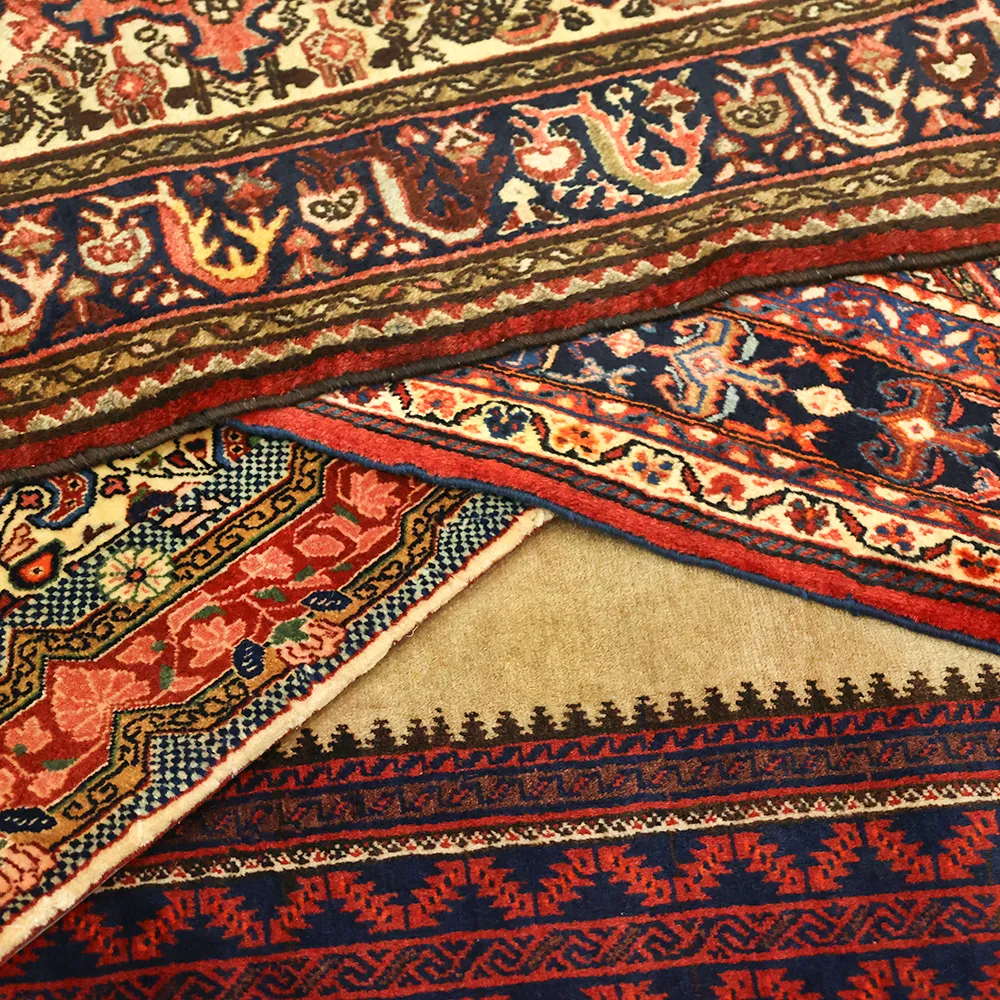
Nomadic & Village
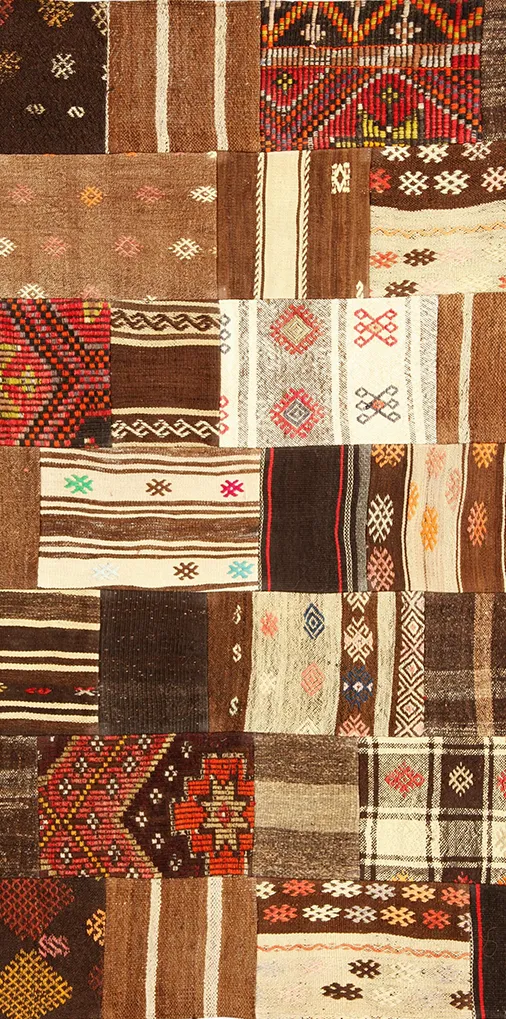
Patchwork & Vintage
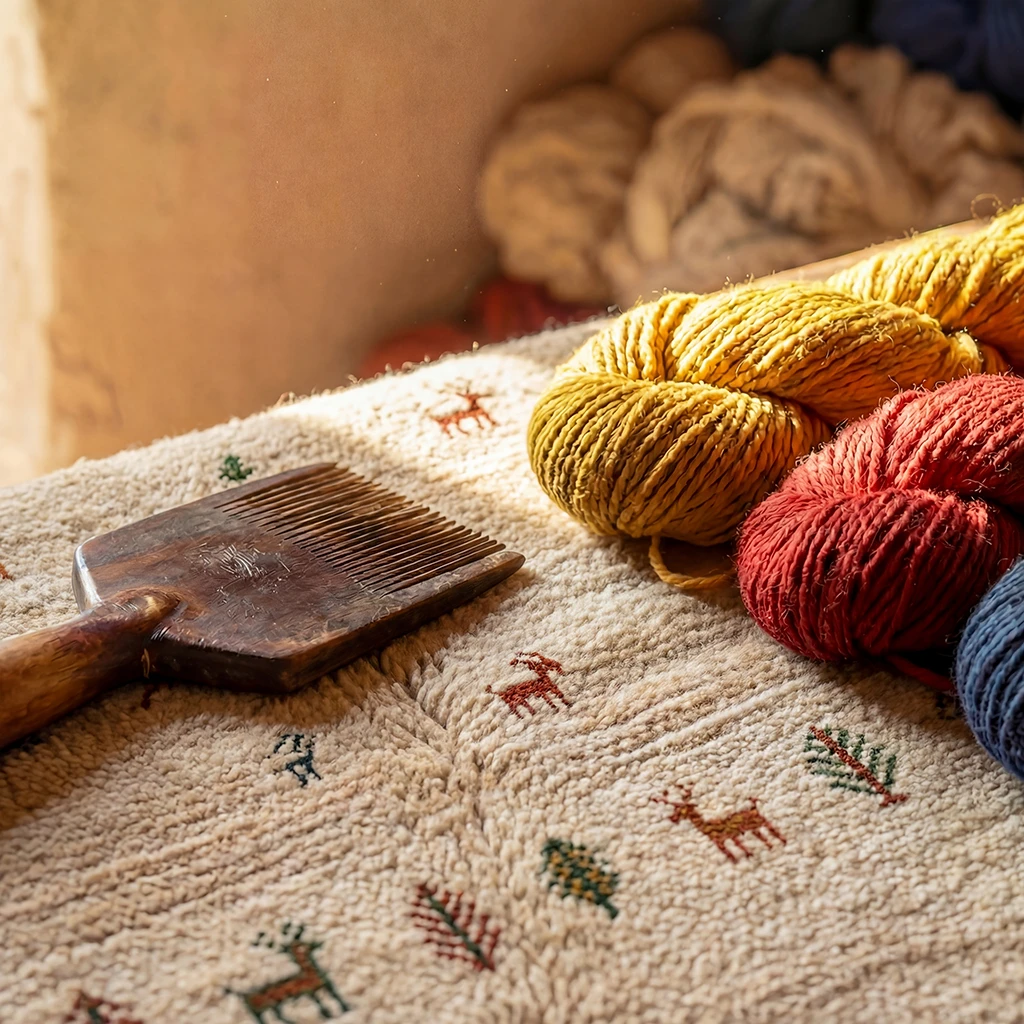
Kilim Classic
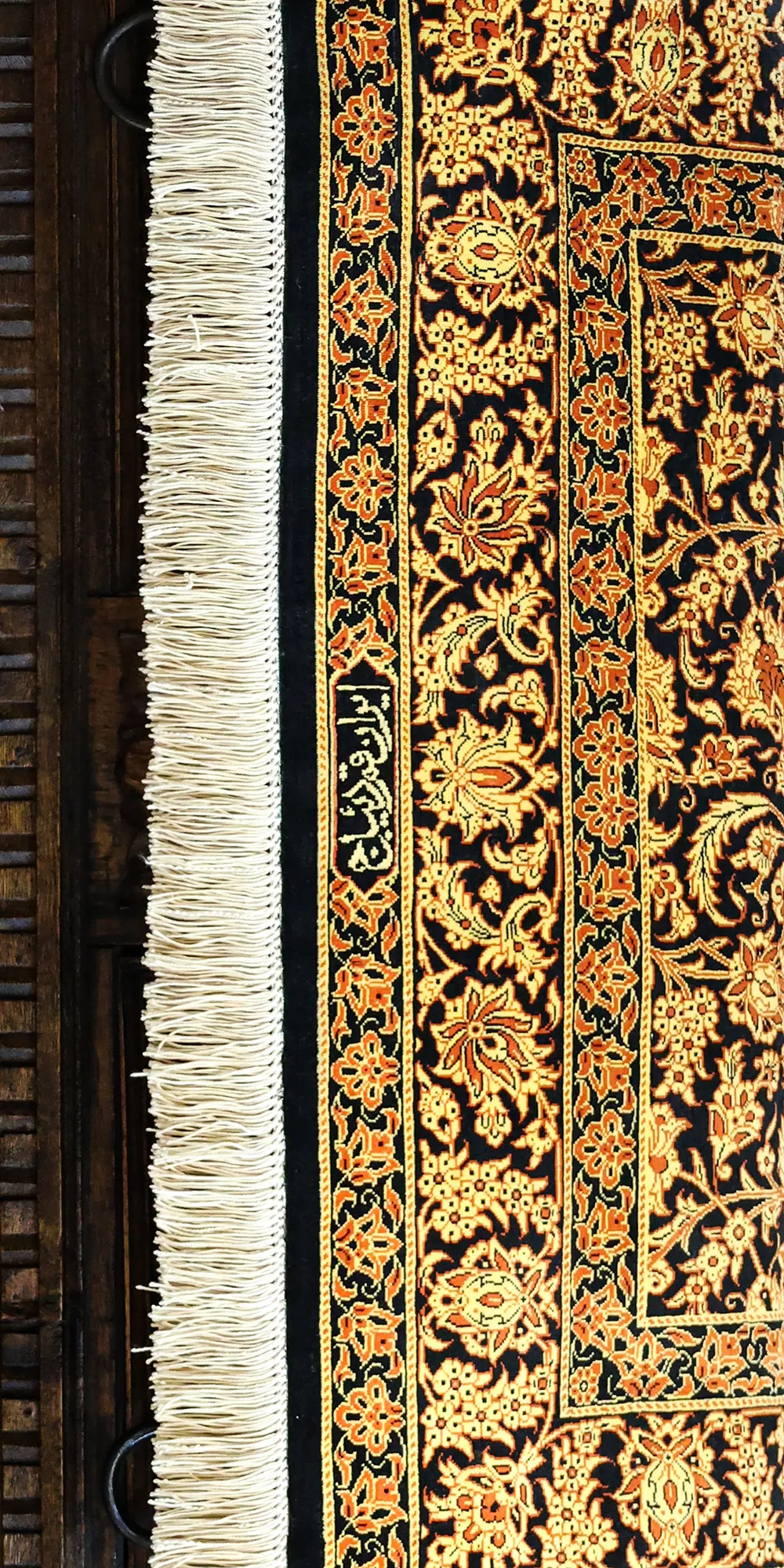
Silk
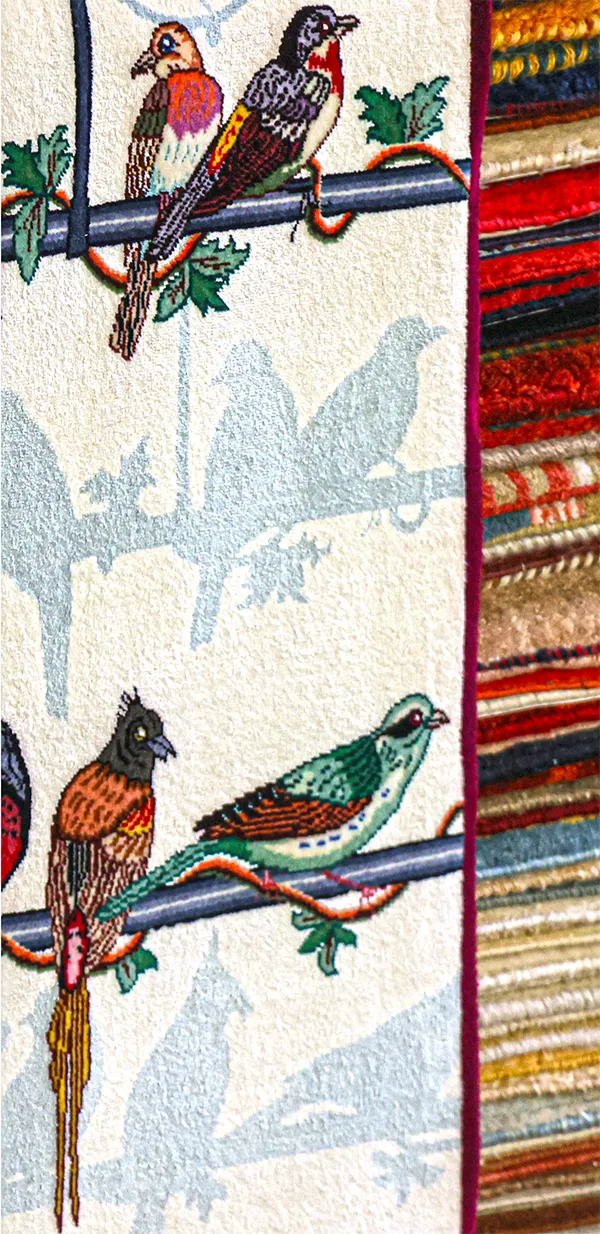
Collector Pieces
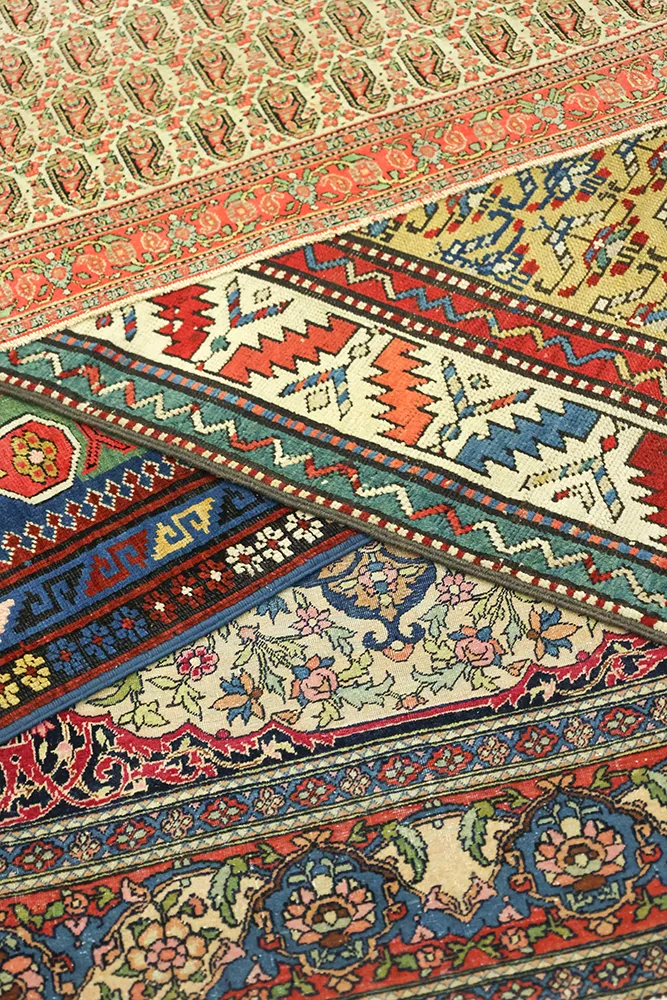
Antique
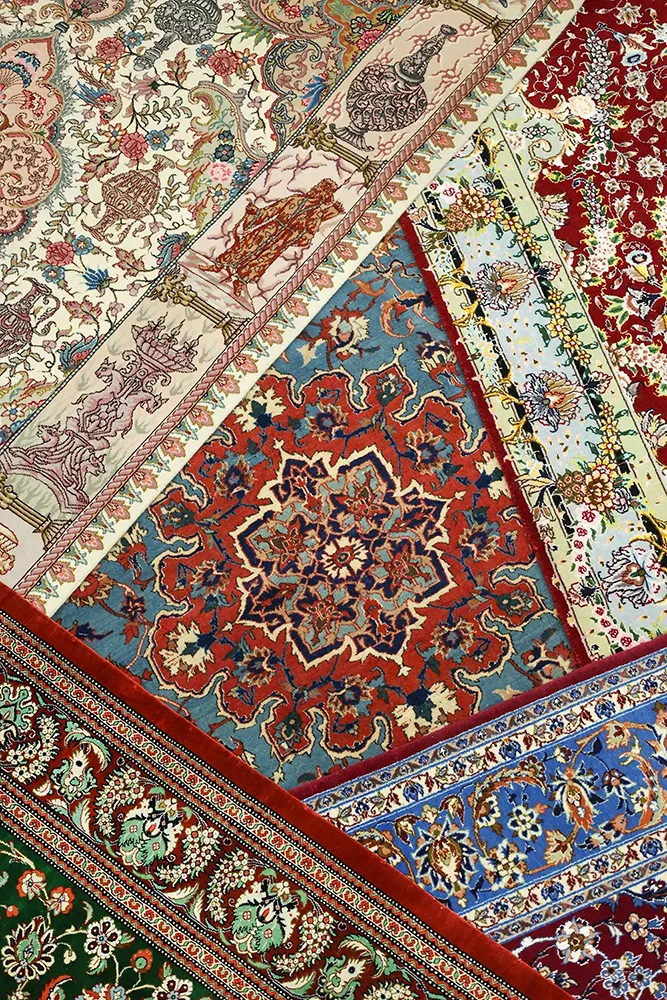
Classic Persian
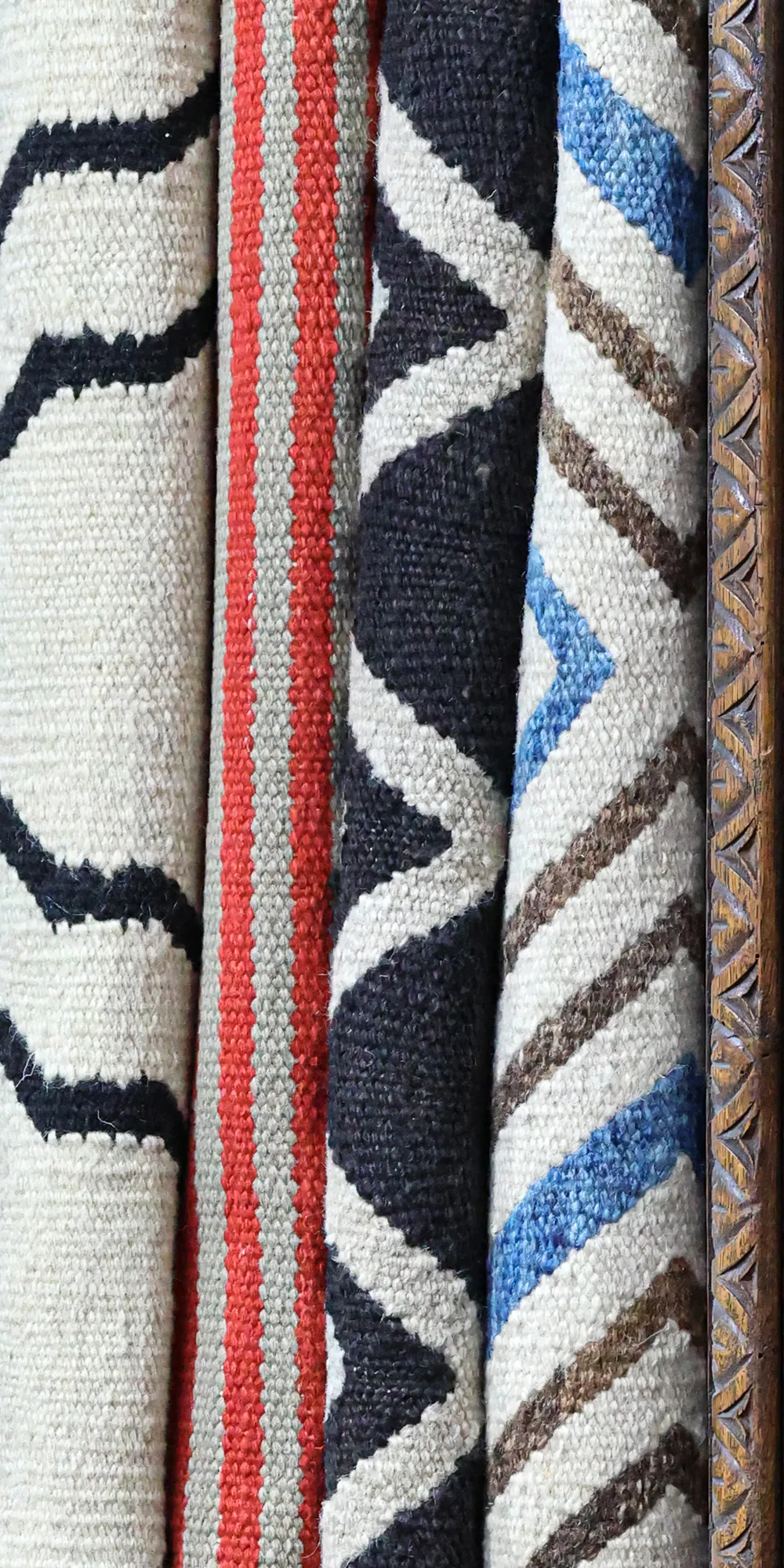
Modern Kilim
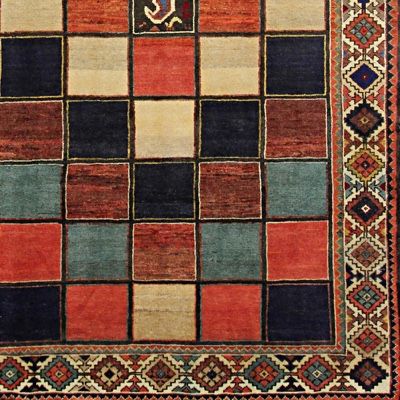
Gabbeh
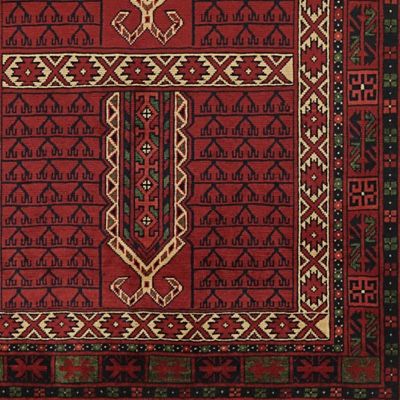
Afghan & Pakistani
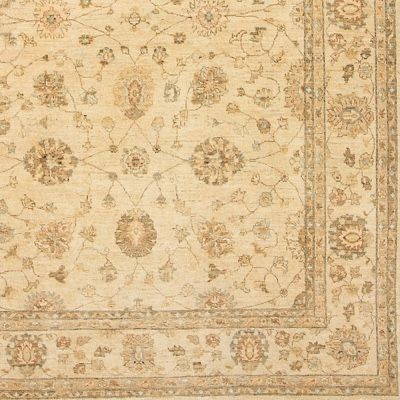
Ziegler
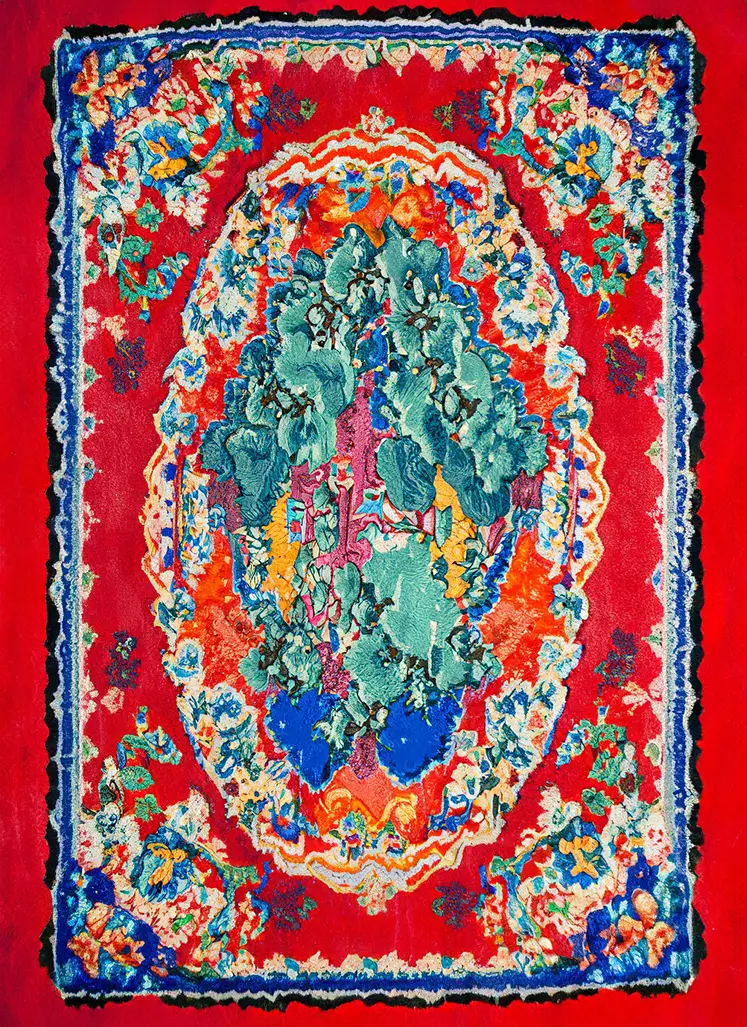
Turkish & caucasian
Related Posts
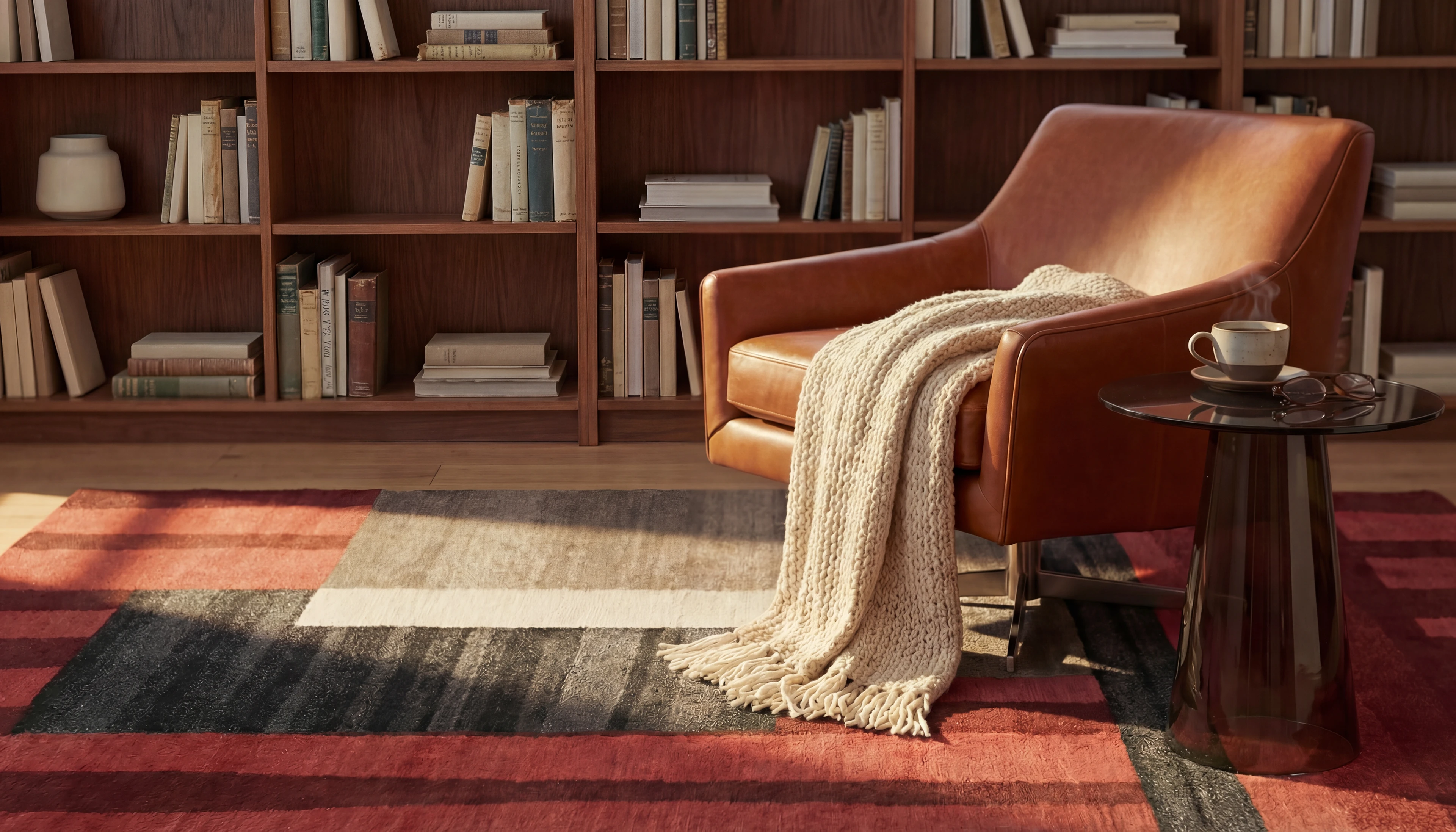
Rugbloom Journal: Knowledge & Inspiration About Hand-Knotted Oriental Rugs
The Rugbloom Journal is a curated knowledge platform dedicated to hand-knotted Oriental rugs. Discover articles about their history, origins, materials, knotting techniques, care, and their role in contemporary living.
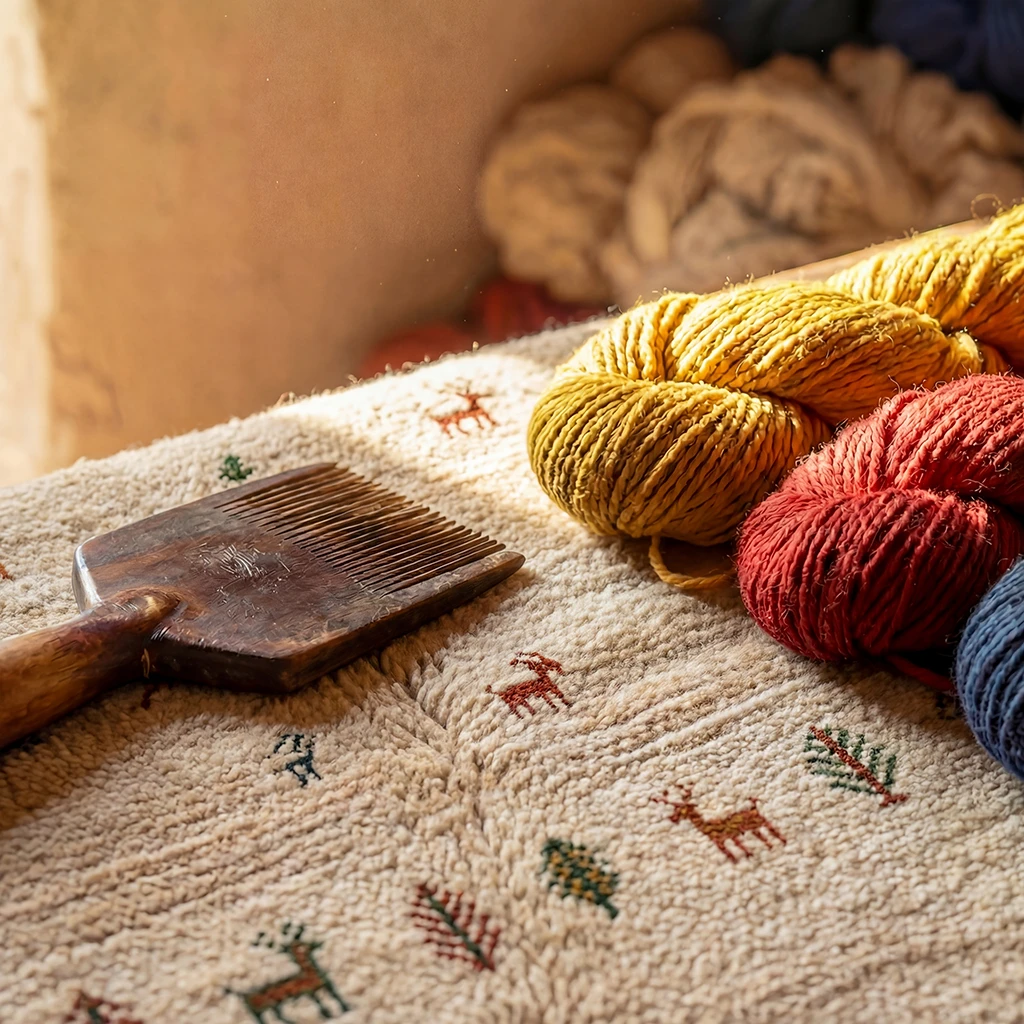
The History and Origins of Hand-Knotted Oriental Rugs
How Are Authentic Oriental Rugs Made?
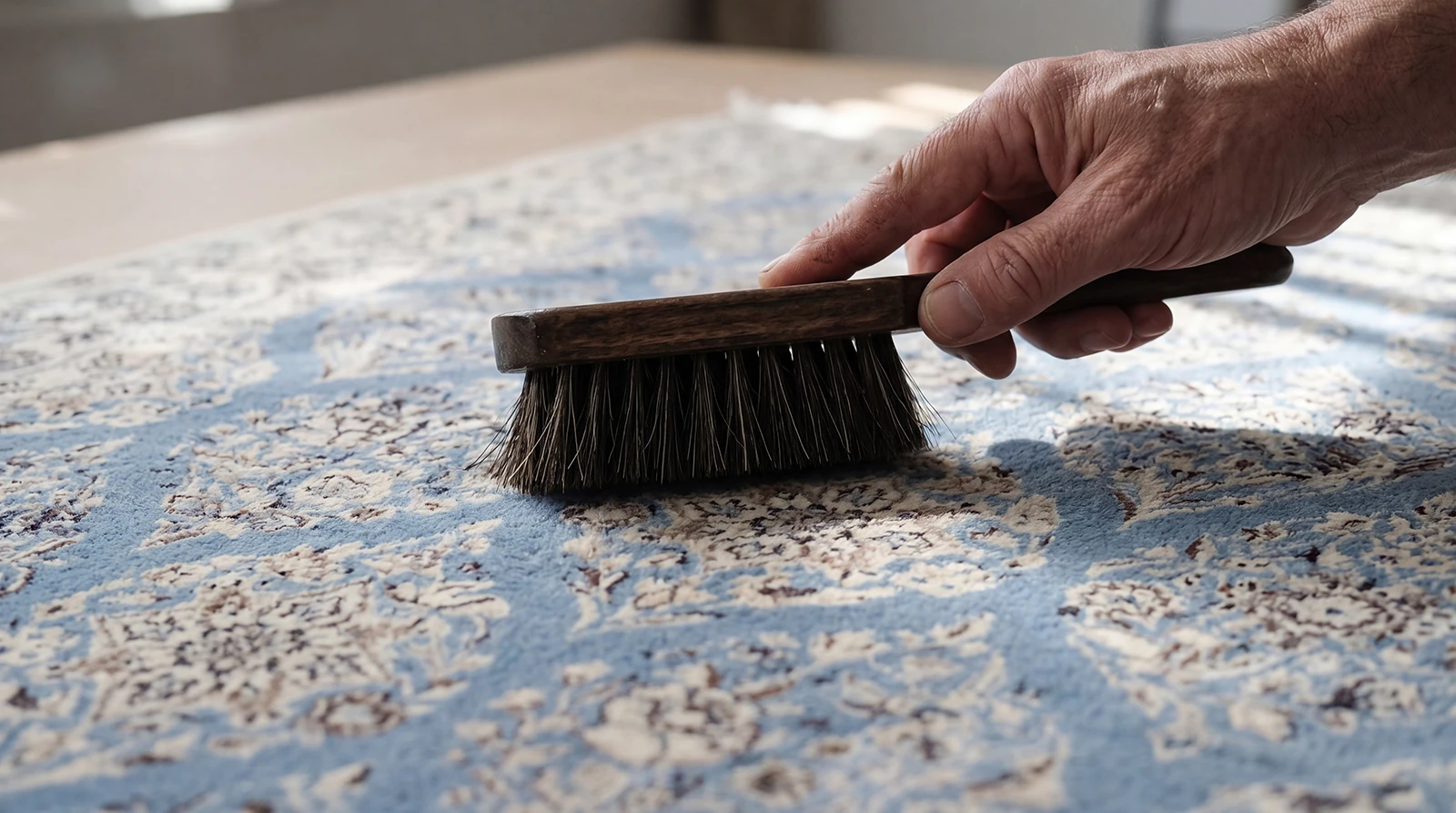
Regions, Patterns, and Symbolism of Oriental Rugs
Explore the regions, patterns, and symbolism behind hand-knotted Oriental rugs. Discover how floral designs, geometric motifs, and central medallions reflect centuries of craftsmanship and cultural tradition. Learn how different regions such as Isfahan, Heriz, and Kashan shaped distinctive rug styles that continue to influence Persian rug design today.