
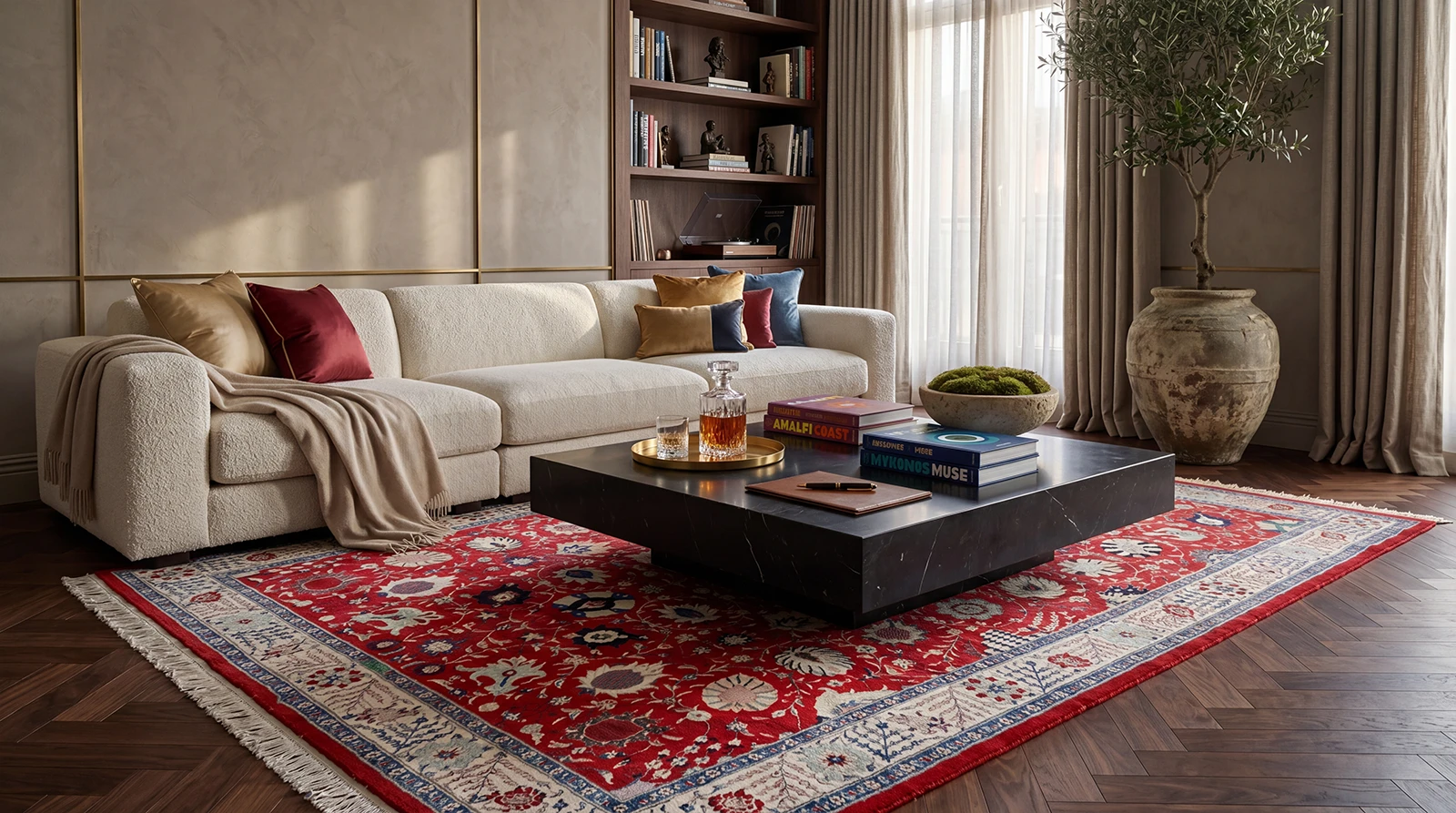
How to Choose the Right Hand-Knotted Rug for Your Interior Style: Color, Texture & Placement Guide
Find the perfect rug for your interior style: from modern and Scandinavian to Boho, classic, and luxury. Discover how the right rug enhances your living room, adds warmth, and creates a harmonious space.

You might know this: the furniture is in place, everything is arranged, and actually a lot already fits together. And yet the room still doesn’t feel completely finished. Somehow, that one element is still missing that connects everything and gives the whole space a certain calmness.
Often, it is exactly the rug.
A rug is not just a piece of fabric on the floor. It changes how a room feels. It can bring warmth, create more structure, or deliberately set accents. Sometimes, a single rug is enough to turn an “okay furnished” room into a truly harmonious living space.
Precisely because it has such a strong impact, it is worth not choosing a rug spontaneously. If it matches the interior style, everything automatically feels more harmonious. And that is exactly the point: creating a home that feels right.
Scandinavian style: light, calm, and relaxed
If you like the Scandinavian style, it is probably because it feels so pleasantly understated. Bright rooms, lots of light, natural materials, and a certain lightness define this style. Nothing feels overloaded, everything has its place.
That is exactly why the rug should support this calmness. Strong patterns or very dark colors can quickly disturb the balance that makes the room feel so pleasant.
Simple rugs in beige, grey, or very soft pastel tones work particularly well here. They blend in discreetly and still add warmth to the room. Flatwoven rugs are also a great choice because they feel light and not too dominant.
If you want to add a bit more contrast, you can work with subtle graphic patterns. Black and white is a classic option here. The only important thing is that the rug should not be “louder” than the room itself.
Rugs such as Gabbeh Loribaft or Vintage rugs work especially well here, as their soft colors and simple patterns perfectly complement the light and airy Scandinavian style.


Minimalist living: less, but intentional
Minimalism is often misunderstood. It is not about leaving everything empty, but about consciously choosing what truly belongs in the room. Fewer things, but more impact.
And this is exactly where the rug comes into play.
Because there are fewer pieces of furniture and accessories, each element stands out more. A rug can make a huge difference here. It brings warmth without the need for additional decoration. At the same time, it ensures that the room does not feel too cold.
Plain rugs in calm colors such as cream, grey, or sand are particularly suitable. They appear calm and clear and support the minimalist look.
If you prefer to introduce contrast, you can deliberately choose a rug with stronger colors to create a focal point in a minimalist room. While more subtle options like Gabbeh rugs work well for a calm and understated look, antique Sultanabad or Heriz rugs can also be a great fit. Their richer colors and more expressive patterns add depth and character, while still complementing a minimalist interior when balanced with simple furniture and neutral surroundings.


Boho Style: relaxed, lively, and personal
The Boho style is probably one of the most free interior styles. There are no strict rules, but rather a feeling. Everything can be a bit mixed, more personal, more lively.
That is exactly why rugs often play a central role here.
Kilim rugs fit perfectly into this style. They bring color, patterns, and a certain imperfection that defines what makes Boho so special. Small variations or irregular patterns are not flaws, but part of the character.
You can also combine multiple rugs or deliberately mix different sizes and designs. Together with plants, wood, and personal keepsakes, a space is created that does not look staged, but simply real.
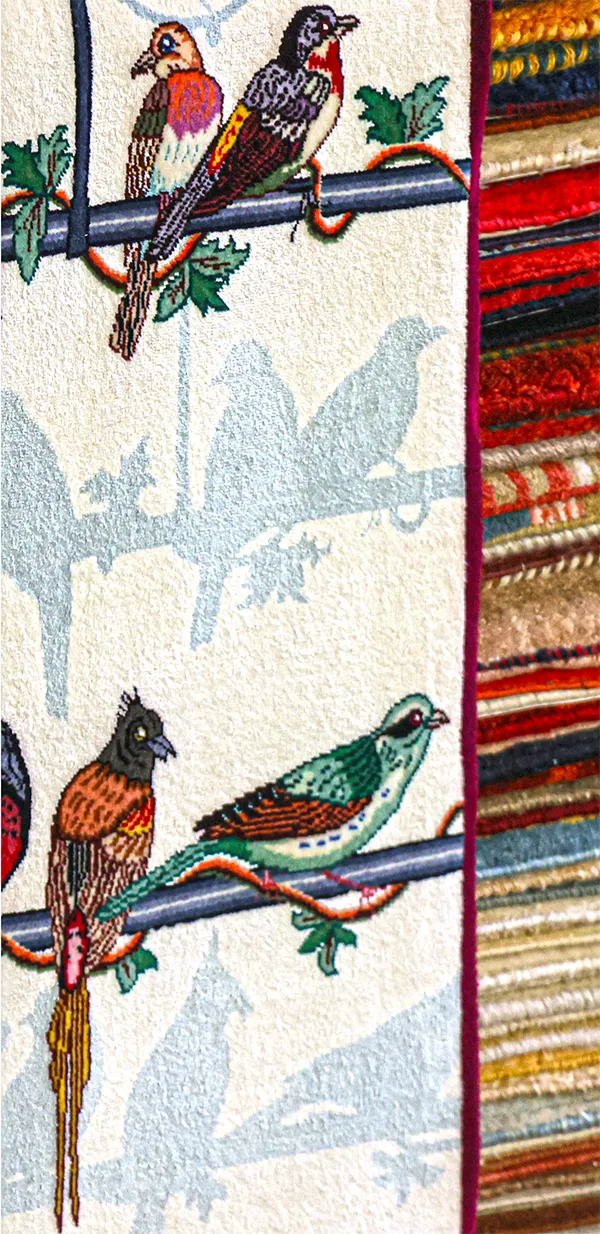
Kilim rugs also work very well as wall decoration. They add another layer to the room and almost feel like a piece of art. Typical choices for this style include Kilim, Gabbeh, or vintage patchwork rugs, which highlight the individual and expressive character of the space. Nomadic pieces such as Wiss rugs, as well as more structured designs like Kashan rugs, can also work beautifully—adding character, craftsmanship, and a stronger visual presence while still fitting into a thoughtfully balanced interior.


Country style: calm, warm, and familiar
Country style often feels cozy immediately. Perhaps because it reminds us of something familiar. Warm colors, natural materials, and an overall calm look make it easy to feel comfortable.
A rug should support exactly this feeling.
Colors such as beige, cream, or warm brown tones work particularly well. They appear calm and harmonious and blend naturally into the room. Rugs with a slight vintage look are also a good choice because they do not feel too “perfect.”
Materials like wool or jute further emphasize the natural character. They feel pleasant and add a certain warmth to the room.
Here, it is less about making a statement and more about creating an atmosphere.
Heriz or Kilim Gabbeh rugs are a perfect match here, as their warm tones and slightly rustic patterns enhance the cozy atmosphere.


Industrial style: raw, but still livable
When thinking of industrial style, people often think first of concrete, metal, and dark colors. The look is clear, sometimes a bit cool, and very urban.
That is exactly why a rug is particularly important here.
It ensures that the room does not feel too harsh. It brings warmth and makes the environment more livable without changing the style.
Here, you can be a bit more bold. Vintage rugs with a used look work very well, as do strong colors or striking patterns. Different materials can also be combined in an interesting way.
In larger spaces or lofts, a rug also helps to define areas. For example, it can clearly separate the living area from the dining area without the need for walls.
Vintage or darker Heriz rugs work especially well here, as they complement the raw aesthetic while adding warmth. At the same time, more refined pieces such as Isfahan rugs can create a striking contrast, bringing elegance and detail into the space while still fitting surprisingly well into a modern industrial interior when balanced with simple surroundings.


Modern interiors: anything goes, nothing must
Modern interior styles give you a lot of freedom. There are no strict rules, just a direction. Clarity, functionality, and a certain sense of aesthetics play a role here.
A rug can behave very differently in this context. It can be calm and subtle or deliberately stand out.
Clean designs, geometric patterns, or subtle color gradients often work well in modern spaces. They appear structured without demanding too much attention.
At the same time, a rug can also be used consciously as a contrast. Especially if the room is rather simple, a more expressive piece can be exactly the element that was missing.
In modern interiors, rugs from Tabriz or Isfahan can create a refined contrast, adding elegance and detail to clean surroundings. At the same time, more characterful pieces such as Hamedan rugs bring a slightly stronger, more authentic touch, introducing texture and depth while still fitting naturally into a modern, well-balanced interior.


Classic style: timeless, elegant, and harmonious
The classic interior style often appears calm and balanced. Nothing is random; much is coordinated. Symmetry, clear structures, and high-quality materials play a major role here. Rooms in this style often feel immediately “complete” because everything is cohesive.
A rug plays a central role here.
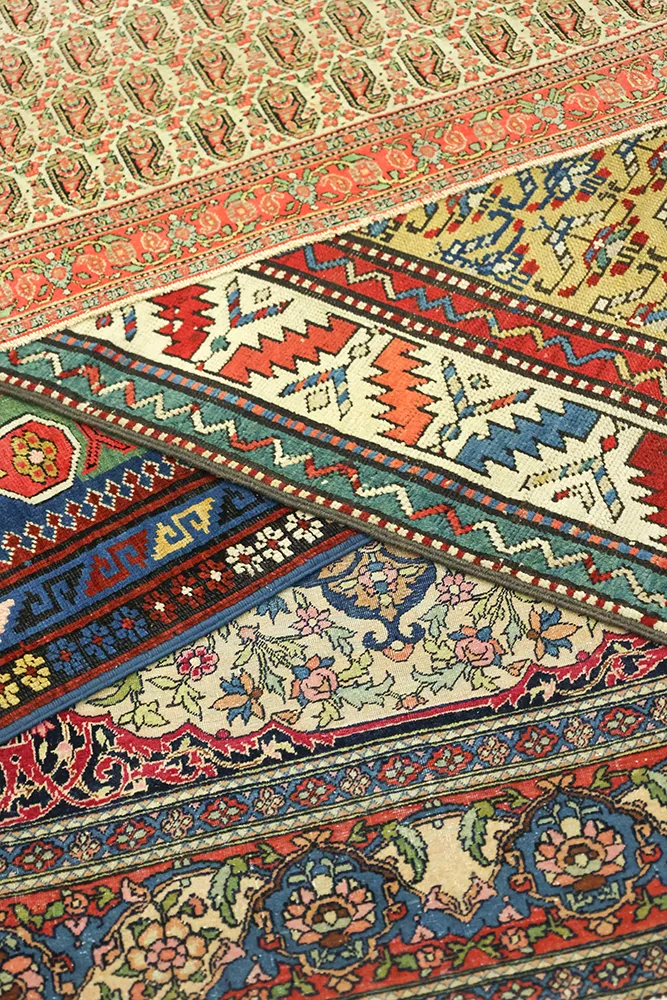
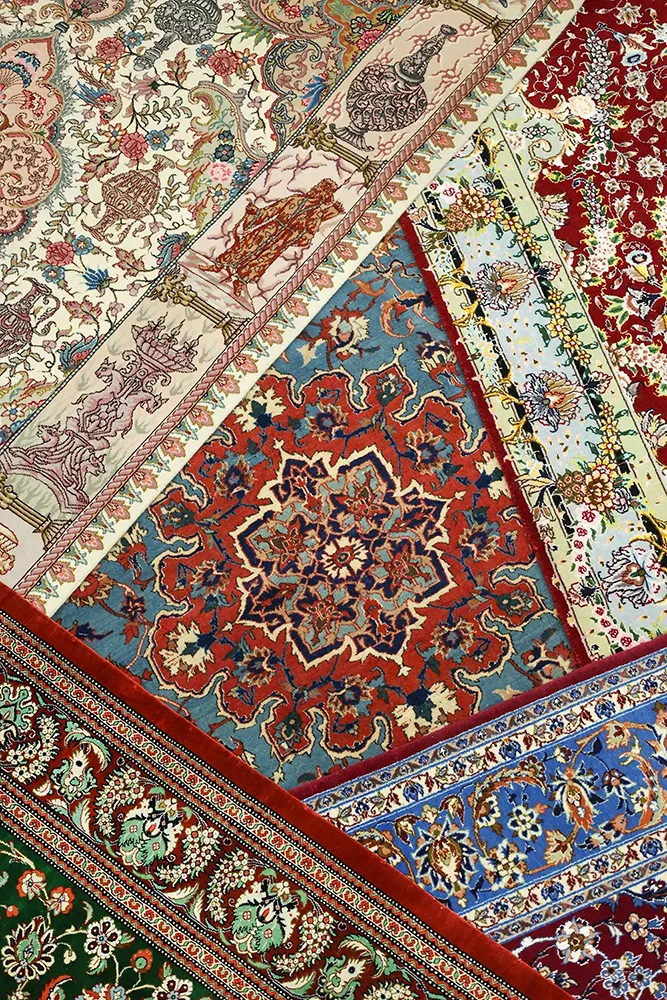
Classic Oriental rugs work particularly well because they support this balance. They bring structure, fine patterns, and a certain depth into the room without appearing intrusive. Colors such as red, blue, or beige are typical classics and can be combined well with light furniture.
It is important that the rug does not feel like a foreign element but integrates into the overall picture. In a classic living room, it can be more prominent as long as it supports the harmony of the space.
High-quality hand-knotted rugs, in particular, show their full effect here, they are not only decorative but also valuable and timeless.
Typical choices for this style are Kashan, Isfahan, or Nain rugs, which perfectly match the traditional and balanced aesthetic.


Ethno style: inspired by cultures and craftsmanship
While the Boho style is more playful and free, the Ethno style often feels more original. It focuses more on craftsmanship, tradition, and cultural influences. Materials, patterns, and colors tell stories, often from different regions of the world.
A rug fits perfectly here, not only visually but also conceptually.
Kilim rugs, Gabbeh rugs, or other handcrafted pieces with traditional patterns bring exactly this authenticity into the room. Irregularities, visible textures, and natural colors are explicitly desired here.
As a result, the room does not feel staged or overly perfect, but lively and individual.
This style works particularly well in combination with wood, leather, ceramics, and plants. The rug quickly becomes the focal point and gives the room a clear direction.
Here, it is less about perfection, and more about showing character.
Kilim, Gabbeh, or tribal-style rugs work especially well here, emphasizing the handcrafted and cultural character of the space.


Luxury style: reduced, high-quality, and consciously chosen
The luxury style often appears very calm at first glance. No unnecessary elements, no clutter, everything has its place. But it is precisely this restraint that makes it so special.
Here, it is not about “more,” but about better.
A rug takes on a very specific role in such spaces. It should not simply be there, but elevate the room. Materials, craftsmanship, and fine details play a crucial role.
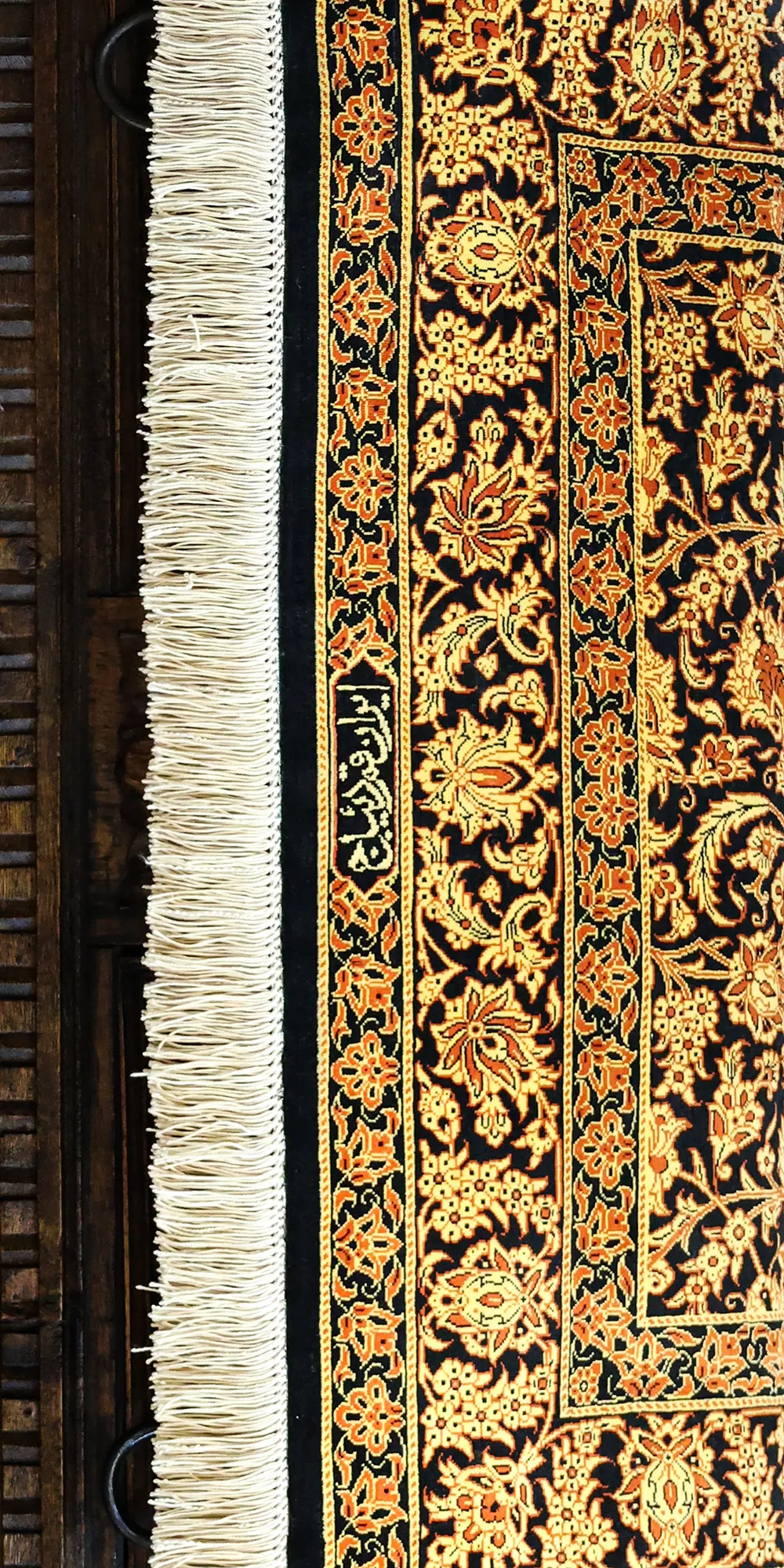
Fine silk rugs or particularly dense hand-knotted Oriental rugs are ideal in this context. They appear elegant, reflect light in a subtle way, and add depth to the space.
Subtle tones such as cream, grey, or soft gold are typical for this style. They enhance the calm, high-quality atmosphere without drawing too much attention.
A carefully selected rug can make the difference between a room that looks simply well furnished and one that feels truly refined.
For a truly elegant look, classic Persian rugs are especially suitable, particularly fine silk pieces from Qom, as well as high-quality rugs from Tabriz, Isfahan, and Nain, all known for their exceptional craftsmanship and intricate detail. At the same time, antique pieces such as Heriz rugs can introduce a more historic depth and character, creating a sophisticated balance between tradition and modern luxury.


Why a Rug Makes Such a Big Difference in Interior Design
You often only notice the impact of a rug when it’s missing. A room without a rug can feel incomplete, even if all the furniture is already in place. Something feels disconnected, as if the elements don’t fully belong together. This is exactly where a rug in interior design plays a crucial role.
A well-chosen rug acts as a visual anchor. It connects furniture, defines areas, and creates a clear structure within the space. Especially in modern minimalist interiors or open-plan living areas, a rug helps bring everything together and makes the room feel more cohesive.
Beyond structure, a rug has a strong influence on the overall atmosphere. The combination of color, material, and texture can completely change how a space is perceived. Soft wool rugs create warmth and comfort, while flat-woven designs like Kilim rugs add clarity and lightness. Whether you want a calm, cozy, elegant, or more dynamic environment, the right rug can support and enhance that feeling.
In short, a rug is not just a decorative element. It is an essential part of creating a balanced and harmonious living space.
"Discover our most popular Categories at Rugbloom"
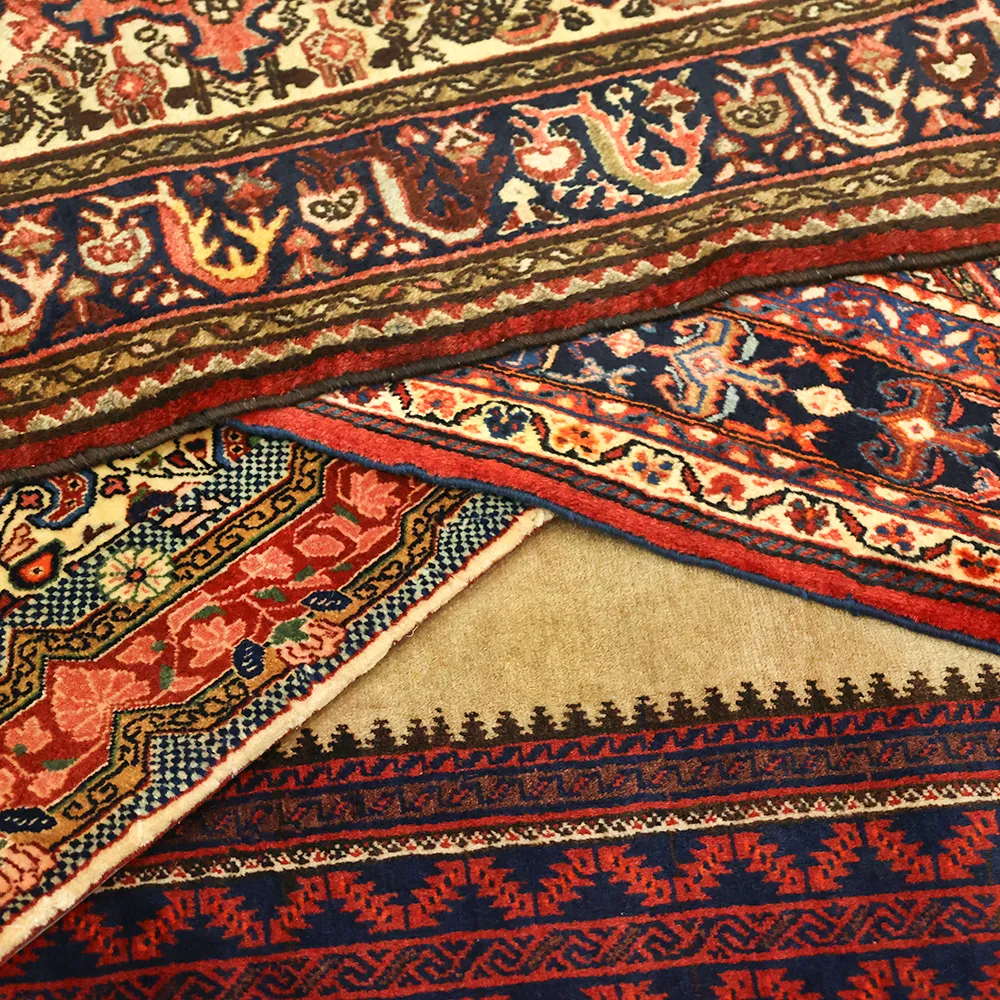
Nomadic & Village
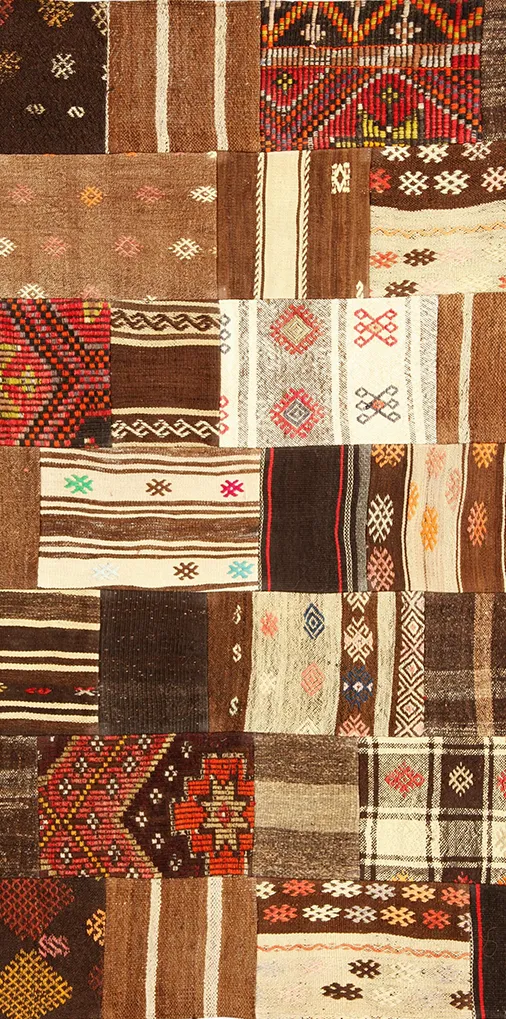
Patchwork & Vintage
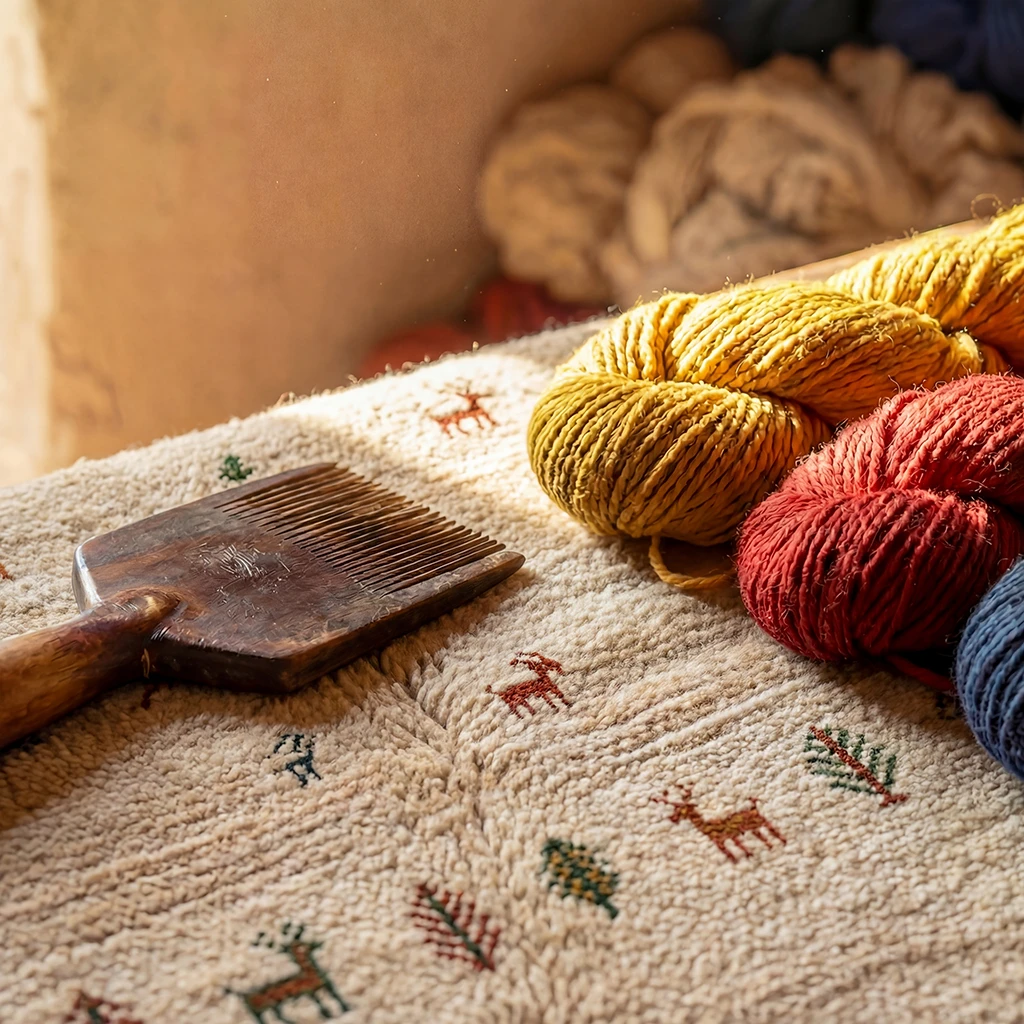
Kilim Classic
Silk
Collector Pieces
Antique
Classic Persian
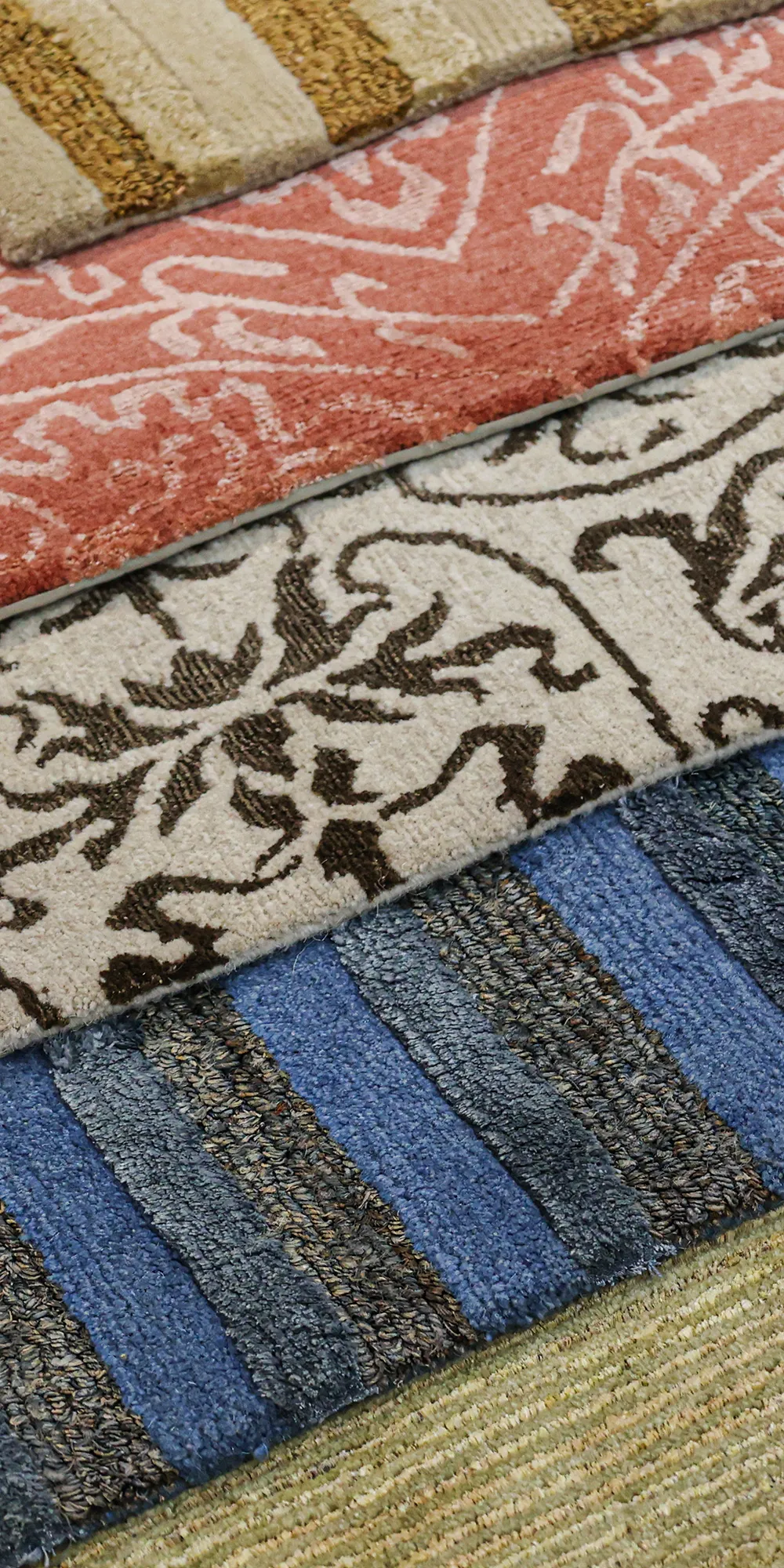
Modern Design
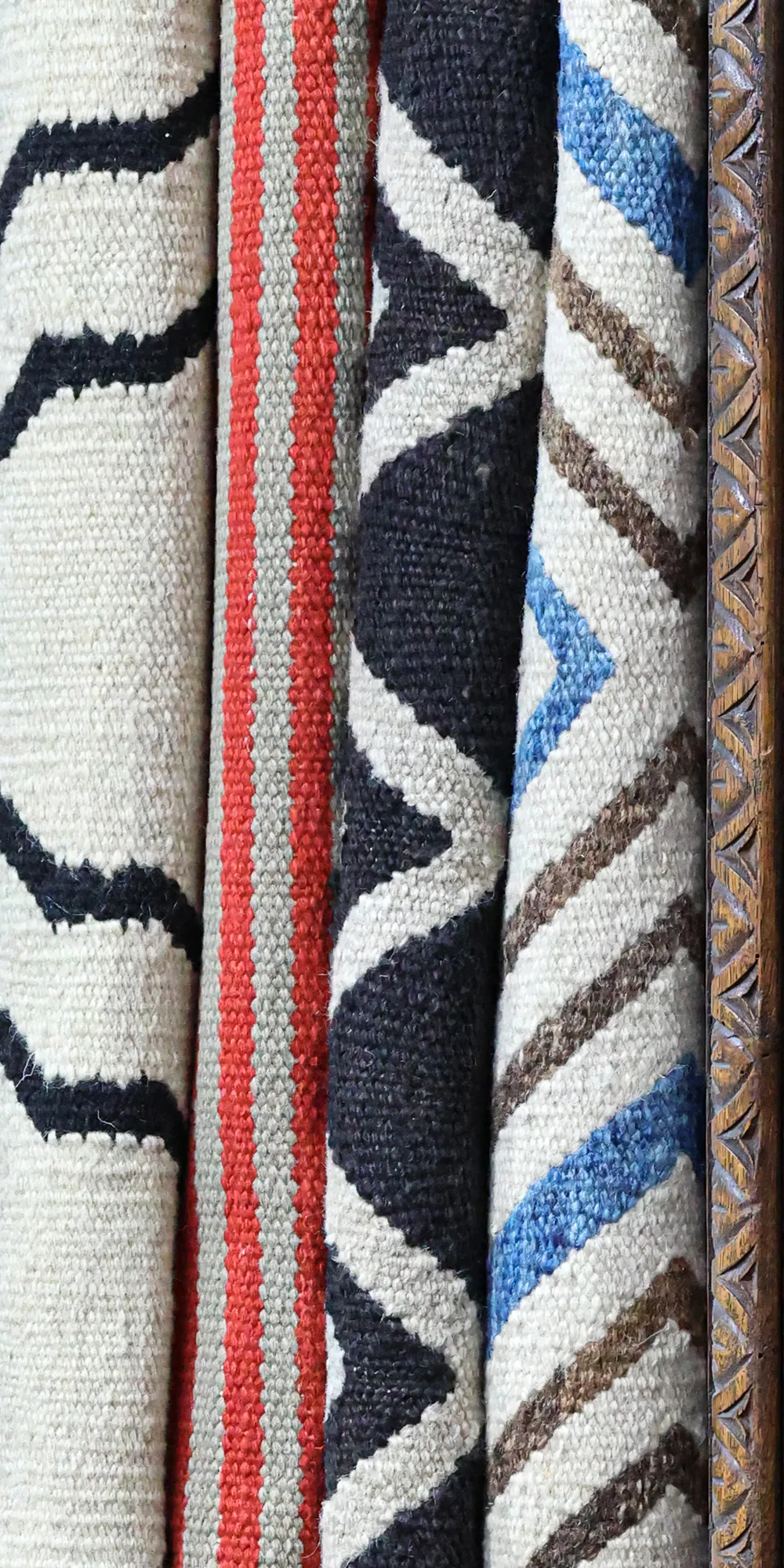
Modern Kilim
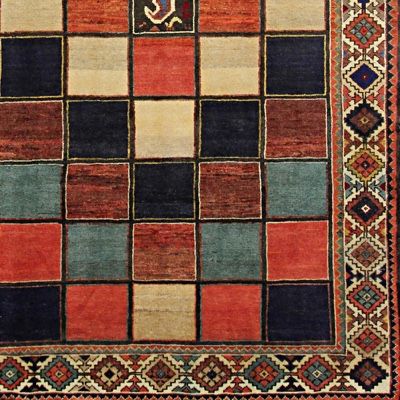
Gabbeh
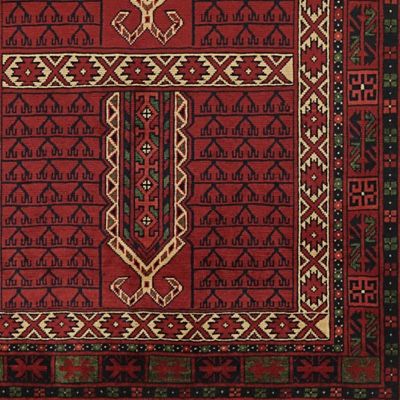
Afghan & Pakistani
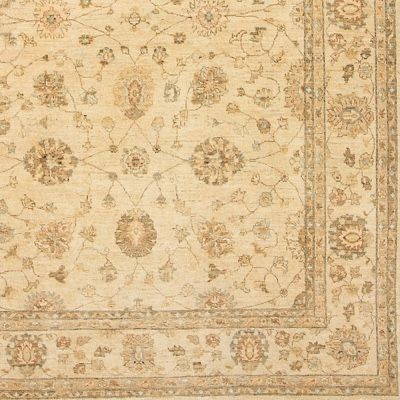
Ziegler
Written by
Rugbloom Editorial Team
Experts in Persian and Oriental carpet heritage
Related Posts
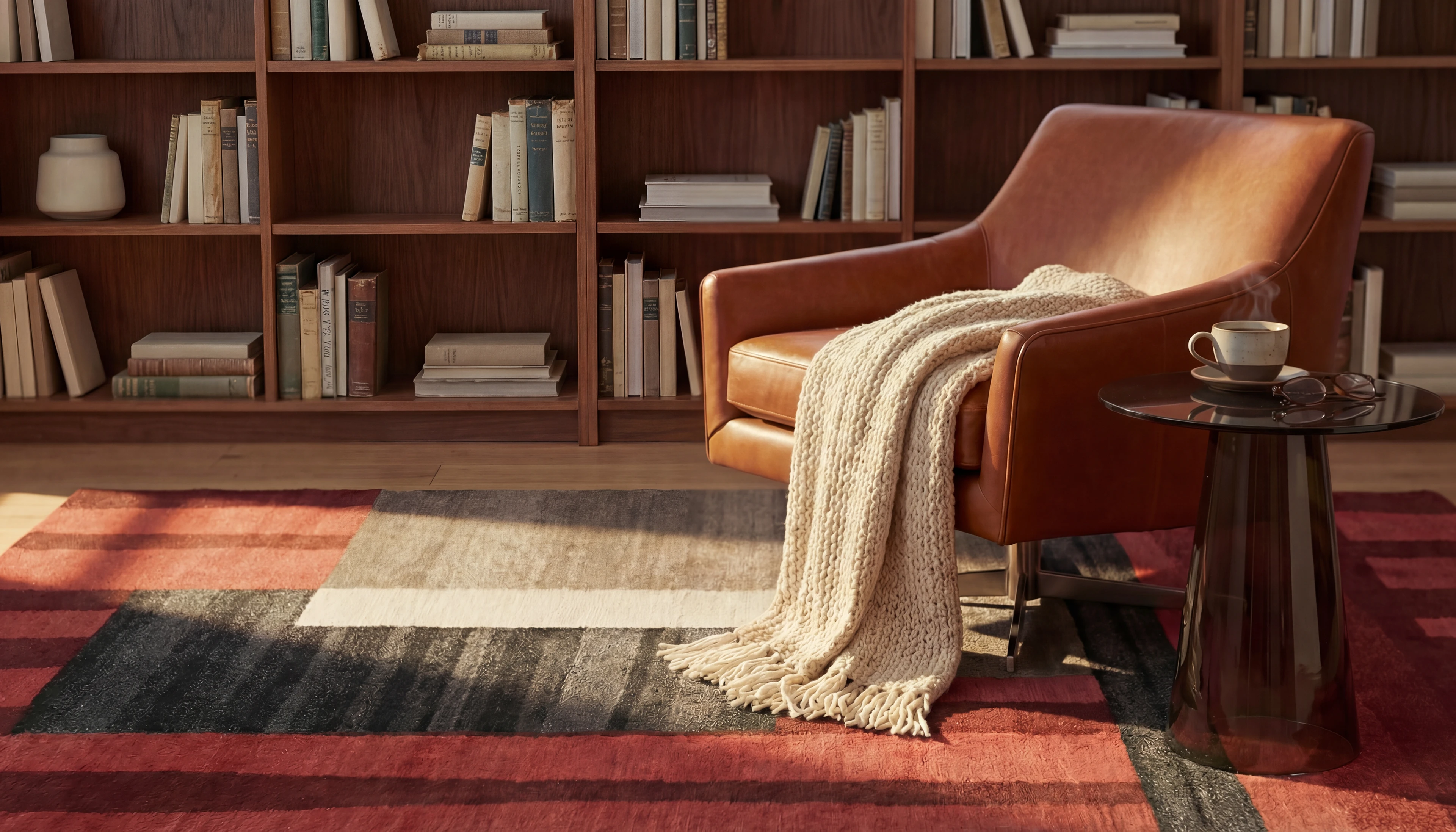
Rugbloom Journal: Knowledge & Inspiration About Hand-Knotted Oriental Rugs
The Rugbloom Journal is a curated knowledge platform dedicated to hand-knotted Oriental rugs. Discover articles about their history, origins, materials, knotting techniques, care, and their role in contemporary living.
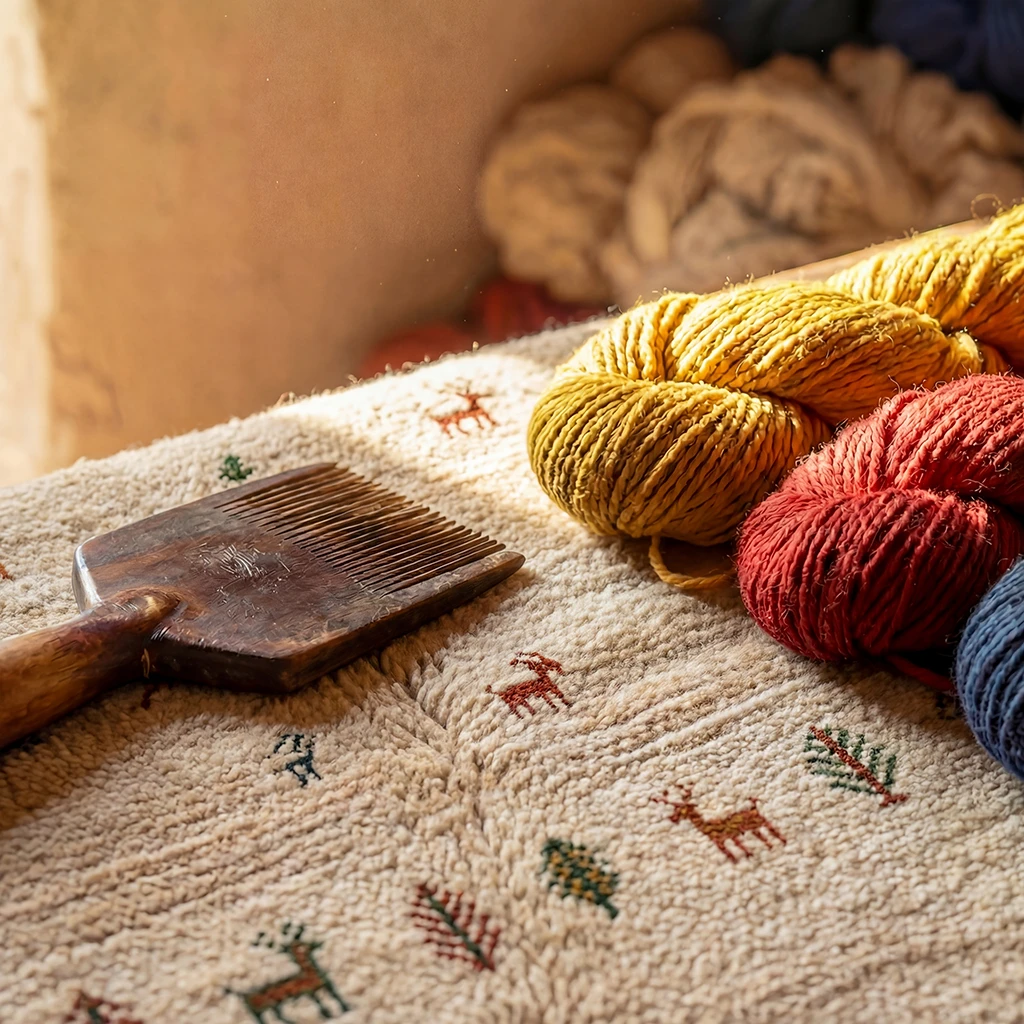
The History and Origins of Hand-Knotted Oriental Rugs
How Are Authentic Oriental Rugs Made?
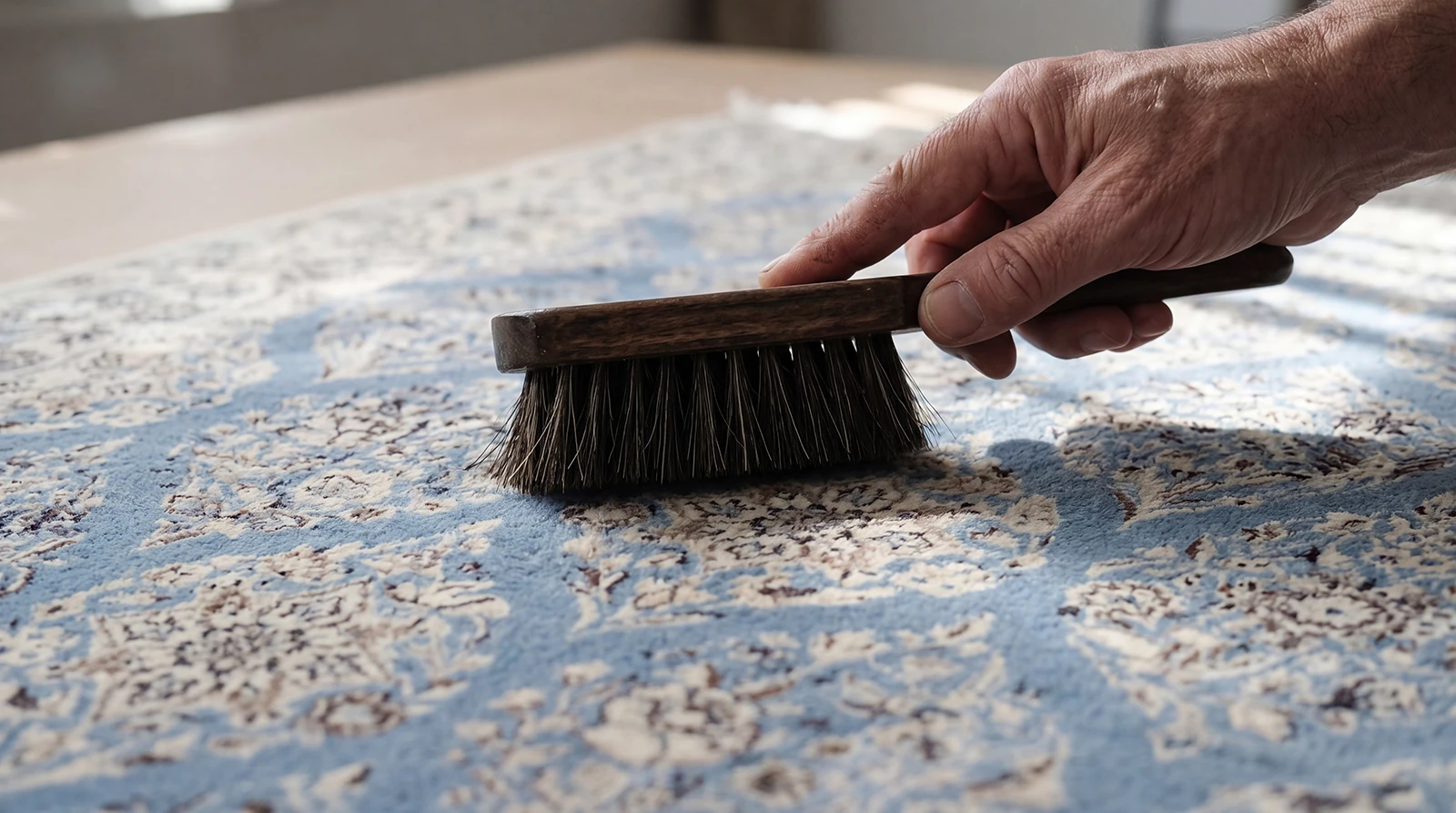
Regions, Patterns, and Symbolism of Oriental Rugs
Explore the regions, patterns, and symbolism behind hand-knotted Oriental rugs. Discover how floral designs, geometric motifs, and central medallions reflect centuries of craftsmanship and cultural tradition. Learn how different regions such as Isfahan, Heriz, and Kashan shaped distinctive rug styles that continue to influence Persian rug design today.