
How to Style Handmade Rugs in a Minimalist Living Room: Modern Ideas and Styling Tips
Minimalist living style focuses on calm spaces, clean lines, and thoughtful design, enhanced with the right rugs for every room.

How to Create Calm, Timeless Spaces
Minimalist living is no longer just a trend. For many, it has become a conscious decision to make their home calmer, clearer, and more structured. In a world full of constant stimulation, the home takes on a new role, as a place to slow down and recharge. This is exactly where the minimalist living style comes in: with fewer objects, but more atmosphere.
This doesn’t mean giving up comfort or personality. Quite the opposite. Spaces often feel more inviting when they are not overcrowded. When every piece of furniture is chosen with intention and materials are allowed to stand out, the result is an environment that feels both relaxed and refined.
What Does Minimalist Living Really Mean?
Many people associate minimalism with empty spaces. In reality, it’s about balance. A minimalist interior design is shaped by proportion, light, and materials. Furniture has clean lines, and the color palette usually consists of soft, natural tones such as beige, sand, gray, and warm earth shades.
In 2026, there is a clear shift toward what is often called warm minimalism. The look feels less cold and much more inviting. Materials like wood, wool, linen, and stone add texture and warmth, preventing the space from feeling sterile. At the same time, natural light plays a key role. The brighter the room, the more the simplicity of the design comes to life.
If you want to decorate in a minimalist way, it’s not just about furniture, it’s about how light, materials, and open space work together.
"Designing Minimalist Spaces: Room by Room"
Living Room: Openness Instead of Clutter
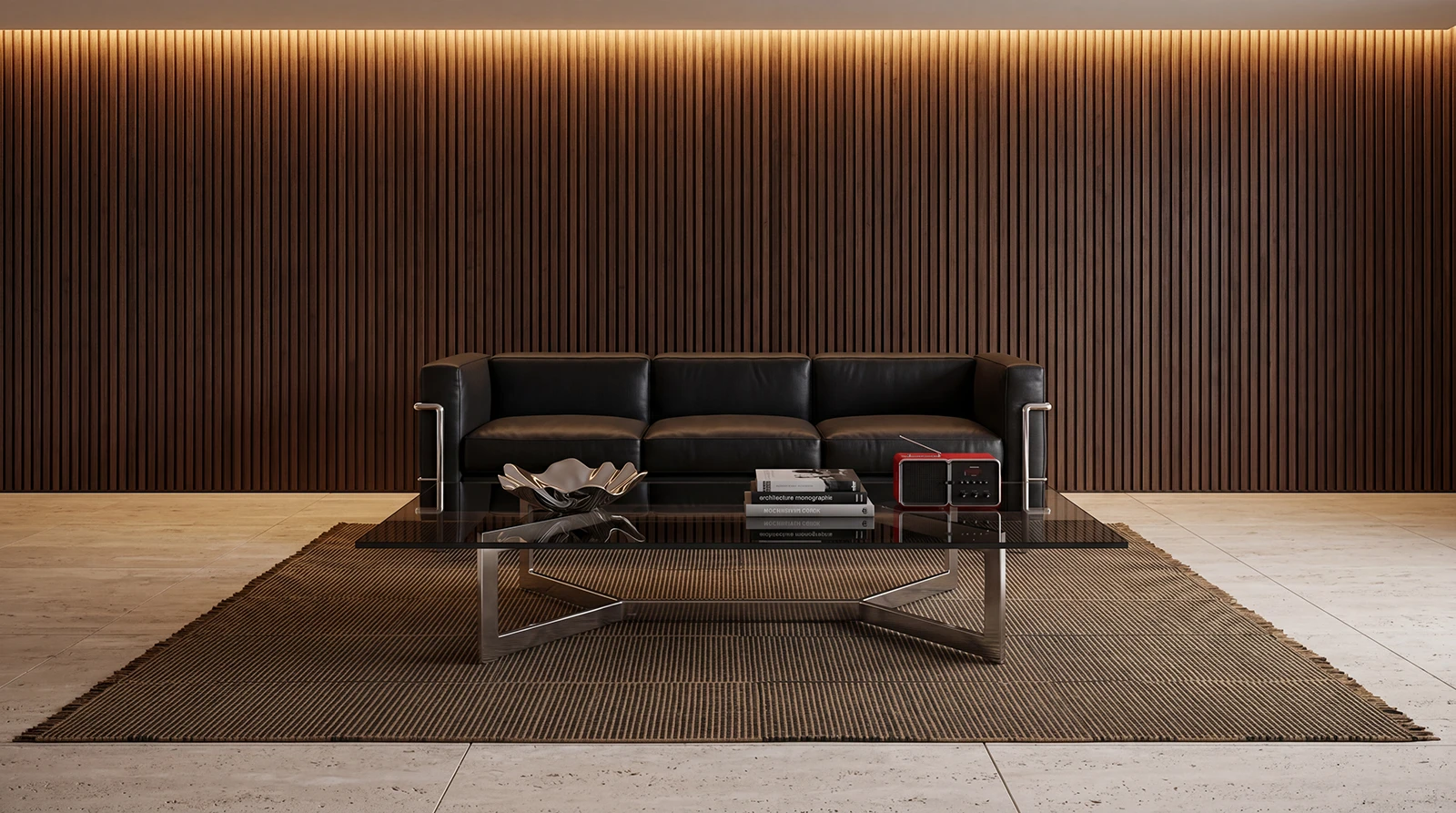
The living room is often the best place to start when you want to create a minimalist home. Instead of combining many furniture pieces, it’s usually enough to focus on a few well-chosen elements. A sofa with clean lines, a simple coffee table, and a couple of carefully placed accents can already create a balanced and inviting space. This approach is key when you want to design a minimalist living room that feels open, calm, and functional.
To keep the room from feeling too plain, details matter. Textiles play an important role, especially rugs. A Kilim rug in the living room adds structure and subtle geometric pattern, while a hand-knotted Gabbeh rug brings softness, warmth, and a natural, grounded feel. Both options work perfectly in a modern minimalist interior, helping to define the space without overwhelming it.
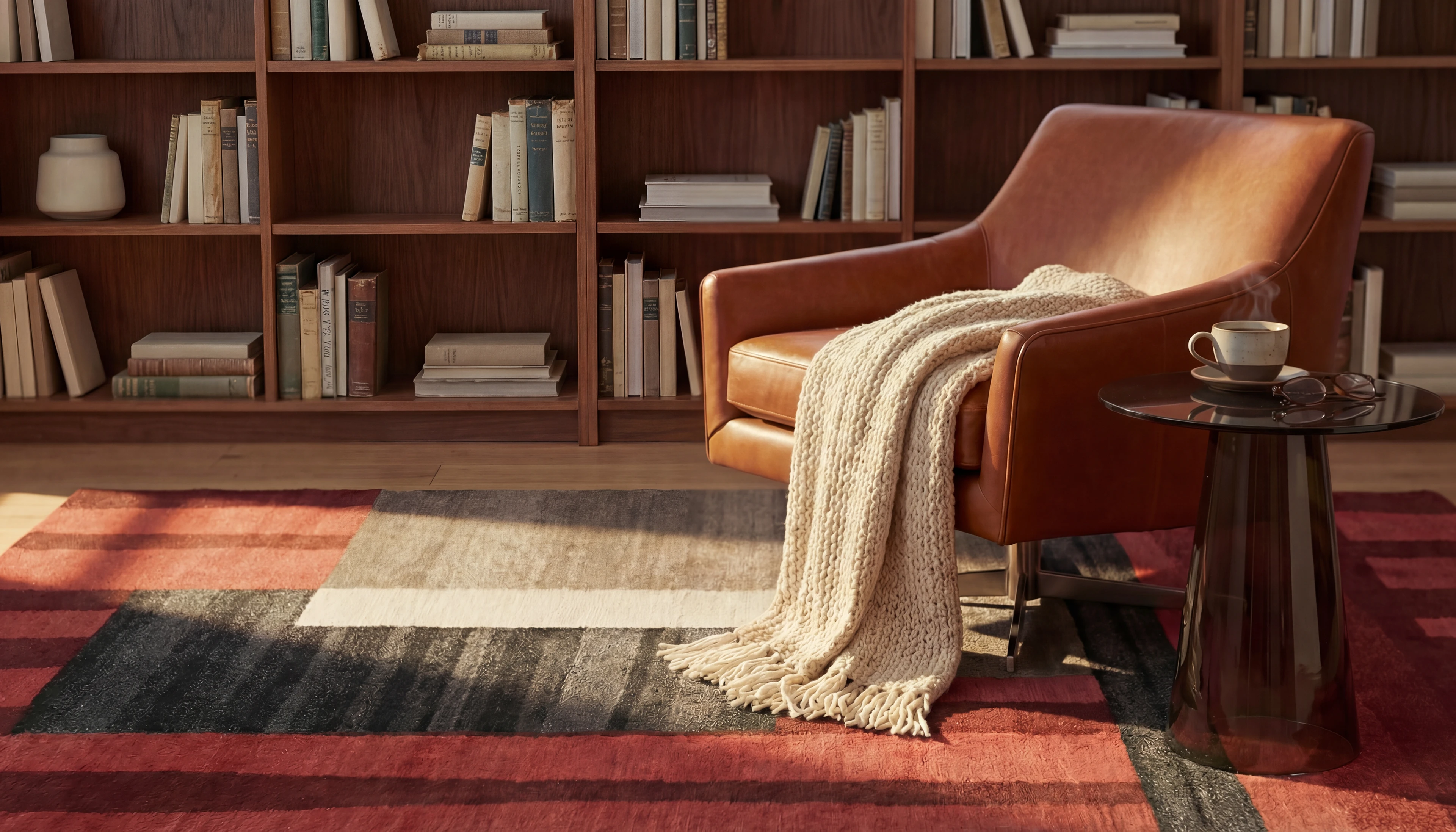
The key is to choose a rug that supports the room rather than dominating it. Subtle tones, natural materials, and calm patterns help maintain visual balance. A well-chosen handmade or hand-knotted rug also improves acoustics, adds comfort underfoot, and visually anchors the seating area, making the entire living space feel more connected, harmonious, and thoughtfully designed.

Bedroom: See Less, Sleep Better
The bedroom clearly shows how a reduced environment can improve well-being. If you want to design a minimalist bedroom, focus on reducing visual distractions. Fewer pieces of furniture, clean lines, and a calm, neutral color palette create a space that encourages relaxation and better sleep. This approach is essential for anyone looking to create a modern minimalist bedroom that feels both peaceful and functional.
The bed remains the central element, while everything else is intentionally kept in the background. This simplicity is what makes the room feel more balanced and restful. Storage should be discreet, lighting soft, and materials natural to enhance the overall atmosphere.
A hand-knotted Gabbeh rug in the bedroom adds warmth, softness, and comfort, especially noticeable in the morning. If you prefer a more refined and elegant look, a Loribaft rug is an excellent alternative, offering finer texture and subtle structure. Both options fit seamlessly into a minimalist bedroom interior, helping to define the sleeping area while maintaining visual calm. A well-chosen handmade rug not only enhances comfort but also improves acoustics and creates a cozy, grounded feeling, making the space more inviting, harmonious, and ideal for rest.
Children’s Room: Clarity Creates Space for Creativity
A minimalist children’s room can be both calm and inspiring. When fewer items are visible, children can focus more easily and have more space to play freely. A clearly structured layout helps them feel oriented and relaxed, which is essential for both creativity and daily routines.
If you want to design a minimalist children’s room, it’s helpful to create defined zones for playing, learning, and resting. Furniture should be functional, safe, and proportionate to the space, without overwhelming it. Soft colors and natural materials contribute to a warm and balanced atmosphere.
A hand-knotted Gabbeh or Kilim Gabbeh rugs is an ideal choice in this setting. It is durable, easy to maintain, and soft enough for everyday use, perfect for playtime on the floor. At the same time, its simple yet expressive design adds personality without creating visual clutter. A well-chosen handmade rug for a children’s room not only improves comfort and acoustics but also creates a cozy, inviting space where children can feel comfortable, focused, and free to explore.


Kitchen: Functional Without Feeling Cold
The kitchen is one of the spaces where minimalism is especially practical. Clean work surfaces, organized storage, and a reduced layout make everyday routines more efficient. If you want to design a minimalist kitchen, focus on clear countertops, hidden storage, and a consistent material palette. This creates a space that feels structured, modern, and easy to maintain.
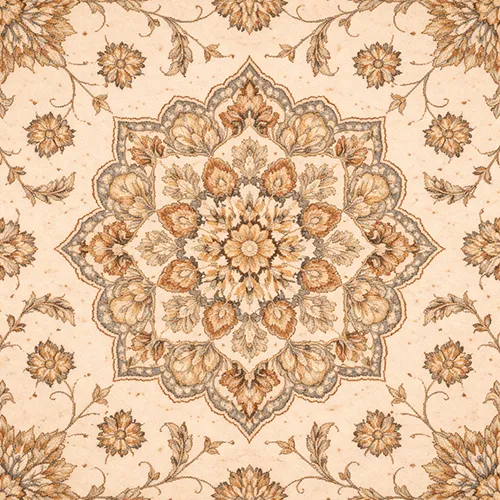
At the same time, minimalist kitchens can sometimes feel a bit cool or impersonal. This is where textiles, especially rugs, play an important role. A Ziegler Frahan runner rugs in the kitchen adds subtle warmth and softens the overall look without disrupting the clean design. Its calm tones and balanced patterns fit naturally into a modern minimalist kitchen interior.
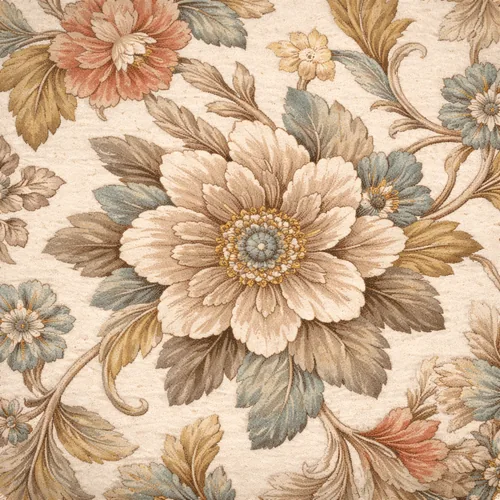
For a more contemporary approach, modern design rugs such as Nepal carpets are also an excellent choice. These hand-knotted Nepal rugs often feature subtle stripes, soft color transitions, and refined textures, making them ideal for minimalist spaces. A well-chosen handmade kitchen rug not only enhances comfort underfoot but also adds depth, improves acoustics, and creates a warmer, more inviting atmosphere, while still maintaining the clarity and functionality of the space.
Hallway: The First Impression Matters
The hallway is often overlooked, even though it defines the first impression of a home. A minimalist hallway design immediately feels calmer, more open, and more inviting when it is not overcrowded. Clear lines, light colors, and a reduced number of furniture pieces help create a sense of order right from the entrance.
A few essential elements, such as a simple console, a functional coat rack, or hidden storage, are usually enough. The key is to maintain openness and allow the space to “breathe.” This is especially important in smaller entryways, where too many objects can quickly feel overwhelming.
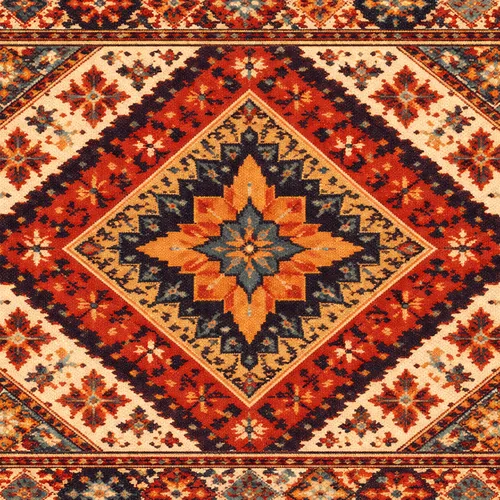
A Kilim runner in the hallway is an ideal addition in a minimalist entryway. Its flat weave and subtle geometric patterns add structure without visual heaviness. At the same time, it introduces warmth and texture, making the space feel more welcoming. A well-chosen handmade hallway runner can also visually elongate the space, guide movement through the home, and create a cohesive transition between rooms, combining functionality with a refined, modern aesthetic.


Home Office: Focus Instead of Distraction
A clearly designed workspace makes it easier to concentrate. If you want to create a minimalist home office, focus on the essentials: a functional desk, an ergonomic chair, and smart storage solutions. Keeping the space organized and free from unnecessary items helps reduce distractions and supports productivity. This is especially important in a modern minimalist workspace, where clarity and structure directly influence focus.
Everything that is not used regularly should be kept out of sight. Clean surfaces, neutral colors, and natural materials contribute to a calm and balanced environment that encourages efficient work.
A Ziegler rug in the home office can complete the space visually by adding warmth without drawing too much attention. Its subtle patterns and soft tones fit naturally into a minimalist office interior. At the same time, a Gabbeh rug is also a great option if you prefer a slightly softer and more natural look. Both choices: hand-knotted Ziegler or Gabbeh rugs help improve comfort underfoot, reduce noise, and create a more inviting atmosphere, making the workspace not only functional but also comfortable and well-balanced.
Bathroom: Calm, Clean, and Minimal
A minimalist bathroom is all about clarity, simplicity, and a sense of calm. Clean lines, neutral tones, and uncluttered surfaces create a space that feels fresh, modern, and relaxing. If you want to design a minimalist bathroom, focus on high-quality materials such as stone, ceramic, and natural wood, while keeping visible elements to a minimum. This creates a balanced and timeless interior that feels almost like a private spa.
Storage should remain discreet, and everyday items should be neatly organized to maintain a clean and structured look. Soft lighting and warm neutral colors further enhance the peaceful atmosphere that defines a modern minimalist bathroom design.
Even in a reduced space, carefully chosen details can elevate the room. A handmade Kilim rug in the bathroom fits particularly well into this concept. Thanks to its flat weave, natural materials, and subtle patterns, a Kilim rug blends effortlessly into a minimalist setting. It adds warmth, texture, and comfort underfoot without disrupting the clean aesthetic, making it an ideal choice for a refined and harmonious bathroom interior.

Why Rugs Are Essential in Minimalist Interiors
At first glance, rugs may seem to contradict minimalism. In reality, they are often the element that makes a room feel complete. Without a rug, a minimalist space can sometimes feel too empty.
The key is choosing the right one. Natural materials, soft colors, and subtle patterns help the rug blend seamlessly into the room. A well-chosen rug doesn’t feel like an addition, it feels like it belongs there from the beginning.
Especially hand-knotted rugs bring a depth and quality that stand out beautifully in minimalist spaces.
Minimalist Living in 2026: What Defines the Style Today
Minimalism continues to evolve. In 2026, it is less about strict reduction and more about thoughtful design. Spaces feel warmer, more personal, and still very clear.
Multifunctional furniture, durable materials, and conscious choices replace short-lived trends. Today, minimalist living is no longer just about having less, it’s about choosing better.
Minimalist Living: Less, but with Intention
The minimalist living style creates space, not just physically, but also visually and mentally. When unnecessary elements are removed, what remains gains more meaning.
With the right combination of furniture, materials, and rugs, it’s possible to create a home that feels calm, timeless, and personal. That is the true strength of minimalist living.
"Discover our most popular Styles at Rugbloom"
Nepal Carpets
Ziegler
Kilim Ghashghai
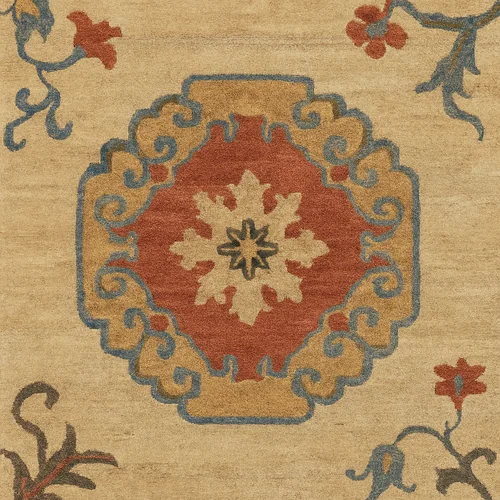
Persian Gabbeh
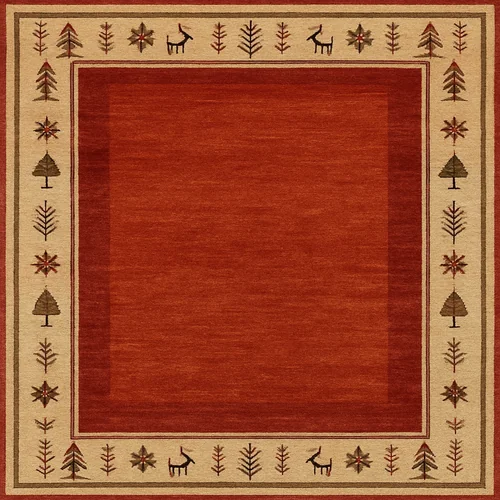
Gabbeh Loribaft
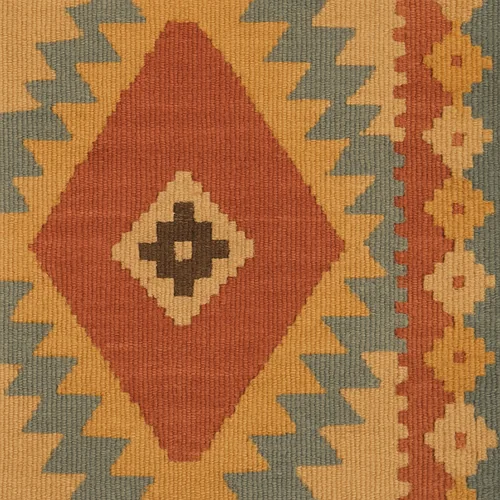
Kilim Traditional
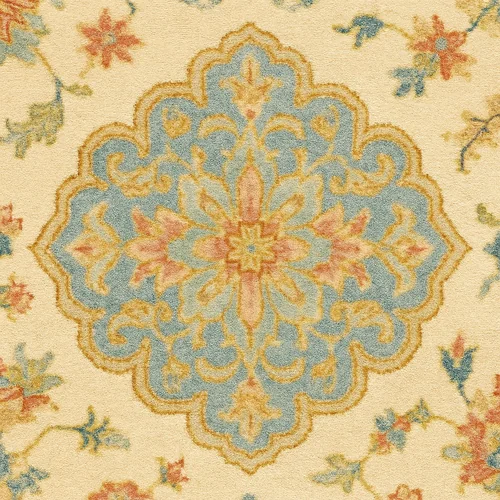
Nepal Silk
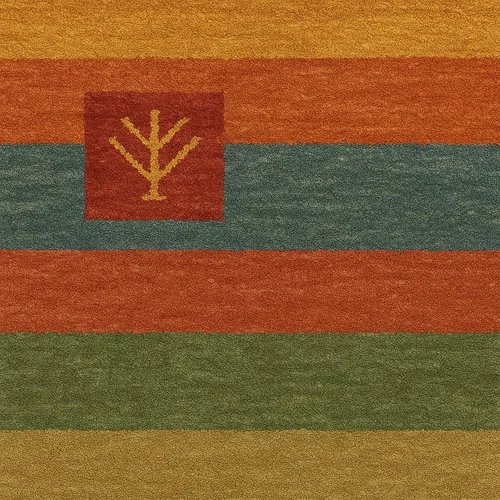
Kilim Gabbeh
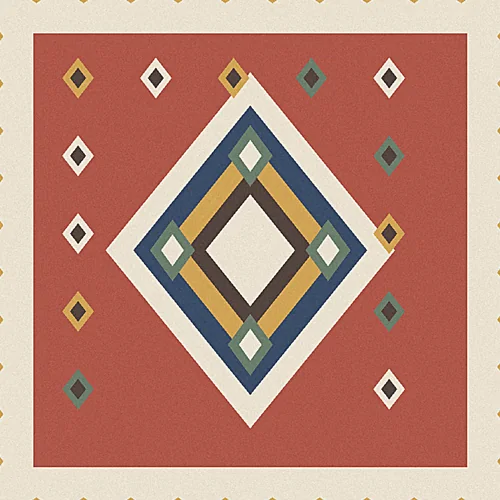
Kilim Antique
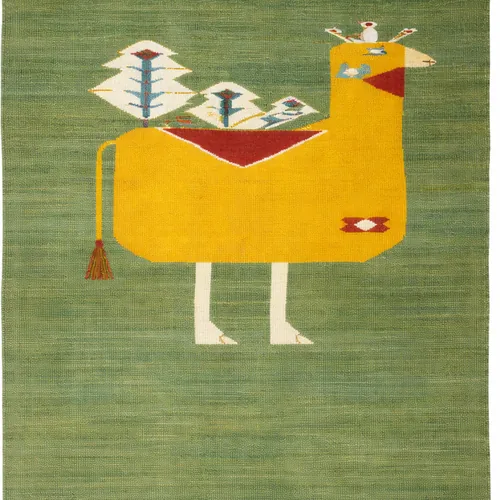
Kilim Dastan
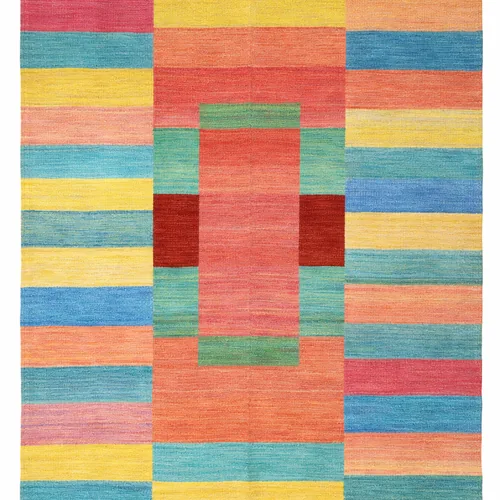
Kilim Kiasar
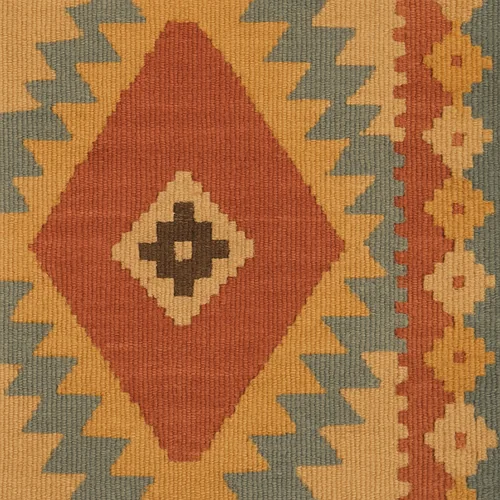
Kilim Sofre
Written by
Rugbloom Editorial Team
Experts in Persian and Oriental carpet heritage
Related Posts
Rugbloom Journal: Knowledge & Inspiration About Hand-Knotted Oriental Rugs
The Rugbloom Journal is a curated knowledge platform dedicated to hand-knotted Oriental rugs. Discover articles about their history, origins, materials, knotting techniques, care, and their role in contemporary living.
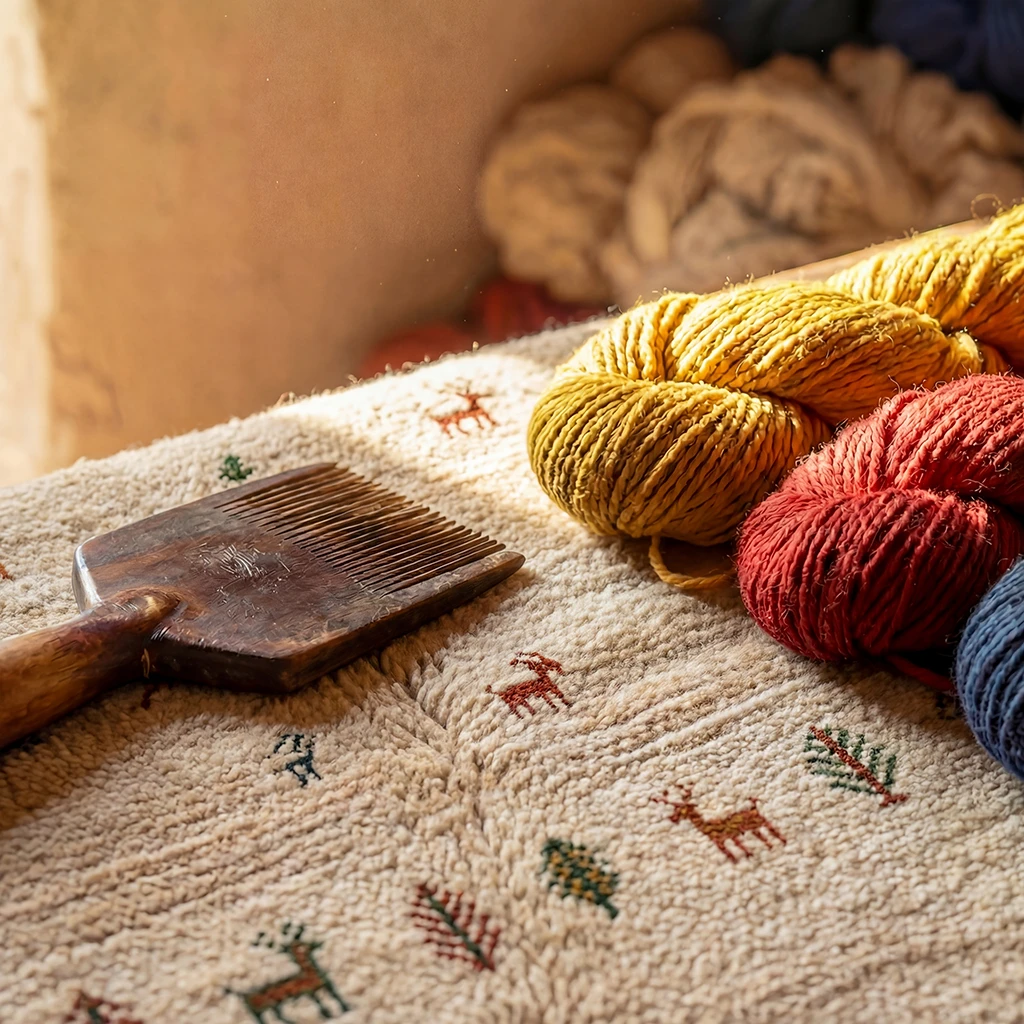
The History and Origins of Hand-Knotted Oriental Rugs
How Are Authentic Oriental Rugs Made?
Regions, Patterns, and Symbolism of Oriental Rugs
Explore the regions, patterns, and symbolism behind hand-knotted Oriental rugs. Discover how floral designs, geometric motifs, and central medallions reflect centuries of craftsmanship and cultural tradition. Learn how different regions such as Isfahan, Heriz, and Kashan shaped distinctive rug styles that continue to influence Persian rug design today.