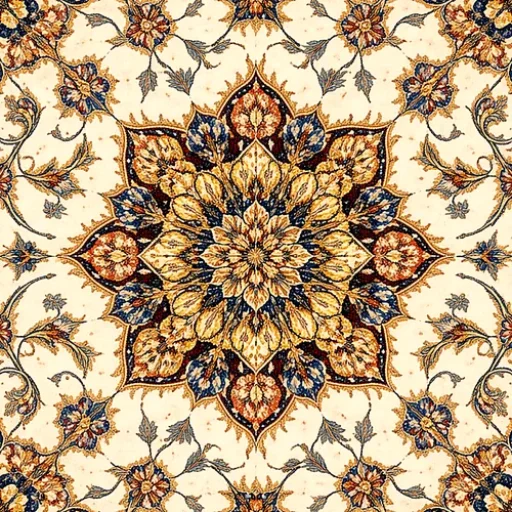
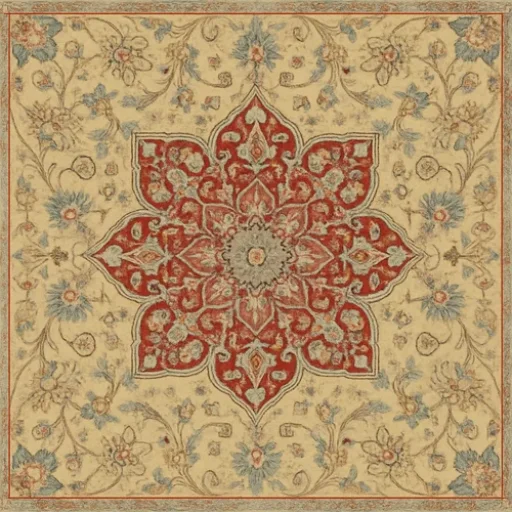
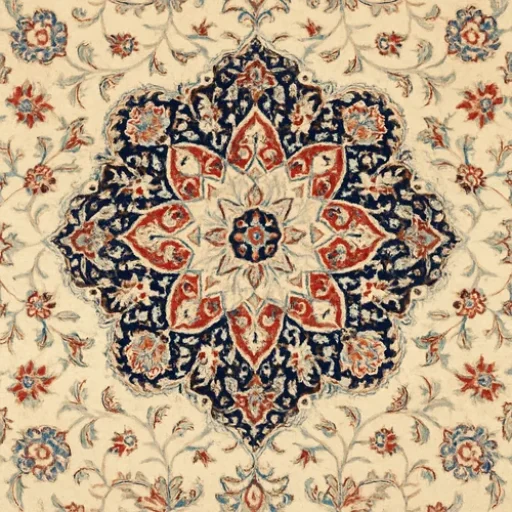
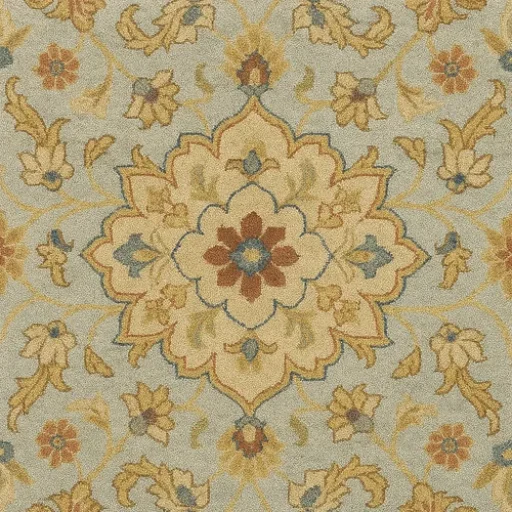
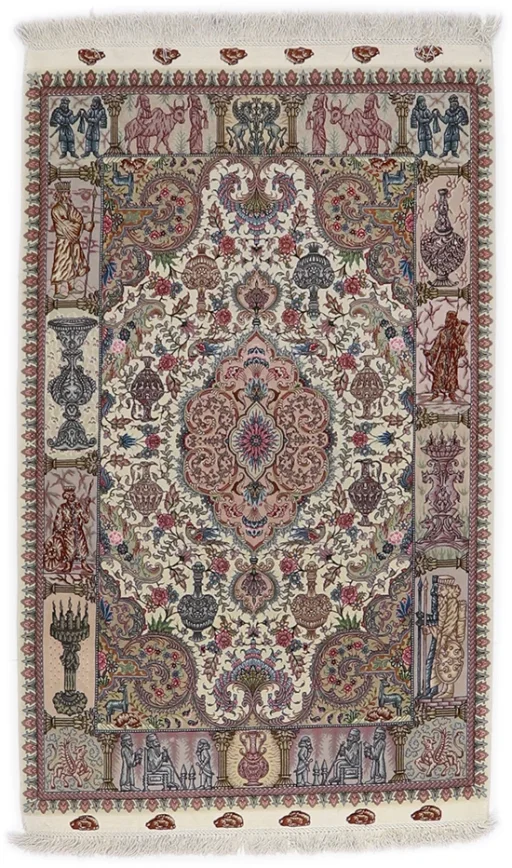
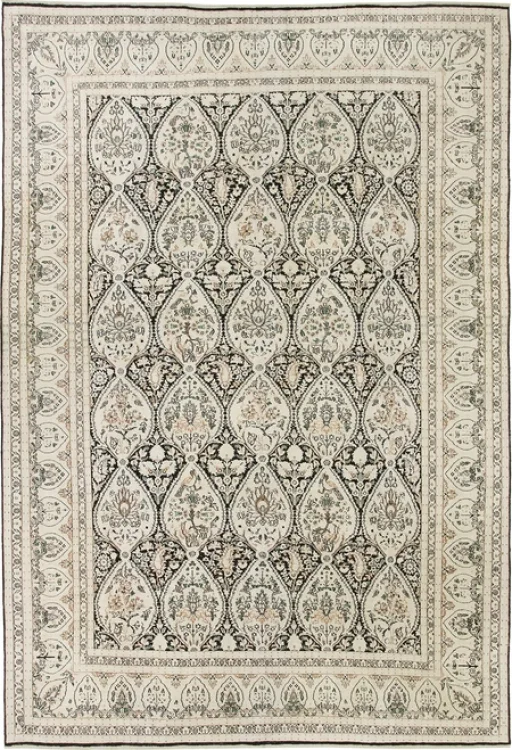
Silk rugs are made in various traditional weaving regions. Each origin brings its own patterns, materials, color worlds and design characteristics.
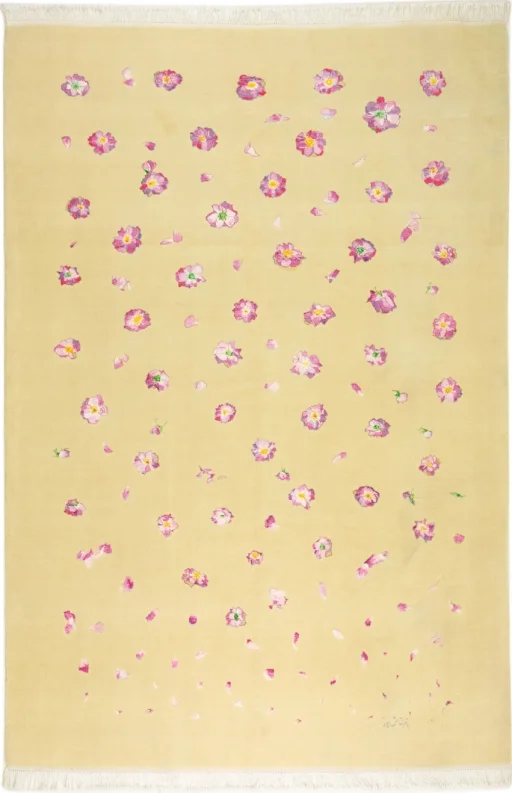
China silk rugs are known for their calm elegance, refined surface and symbolic motifs. They often feature floral elements, dragons, clouds, lotus flowers, cranes or harmonious landscape motifs.
They often appear balanced and decorative without overwhelming the room. China silk rugs are especially suitable for elegant living spaces, bedrooms and interiors with calm, clear design.
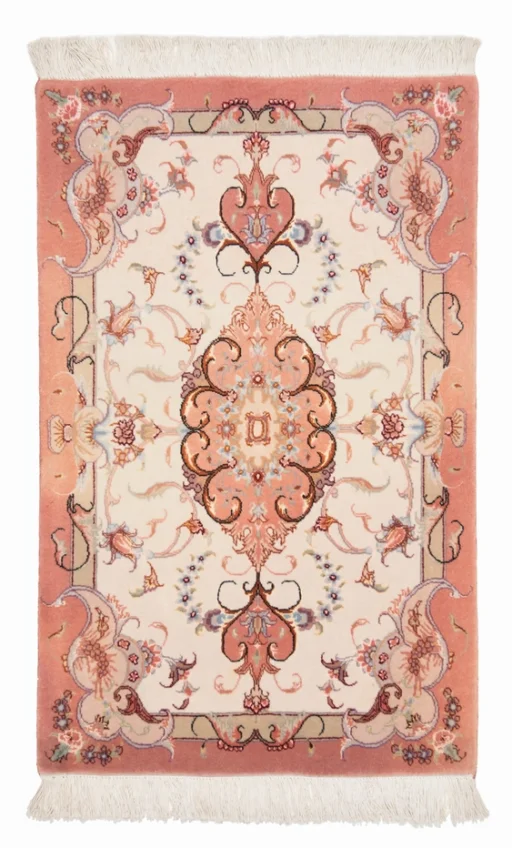
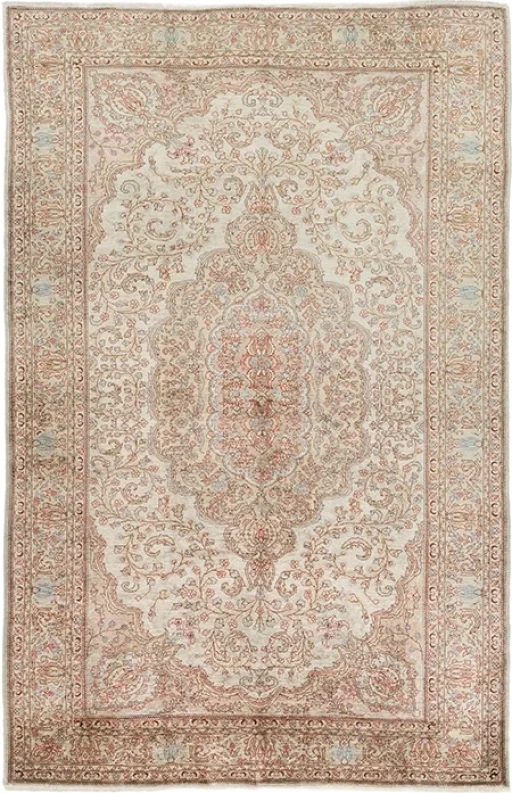
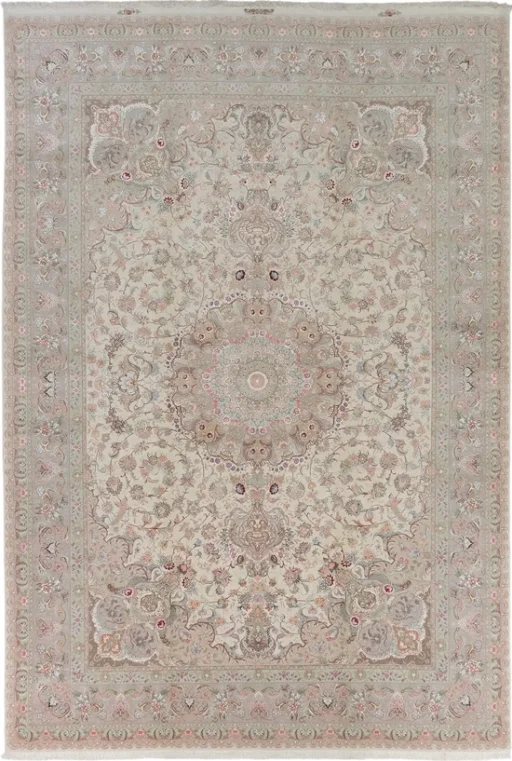
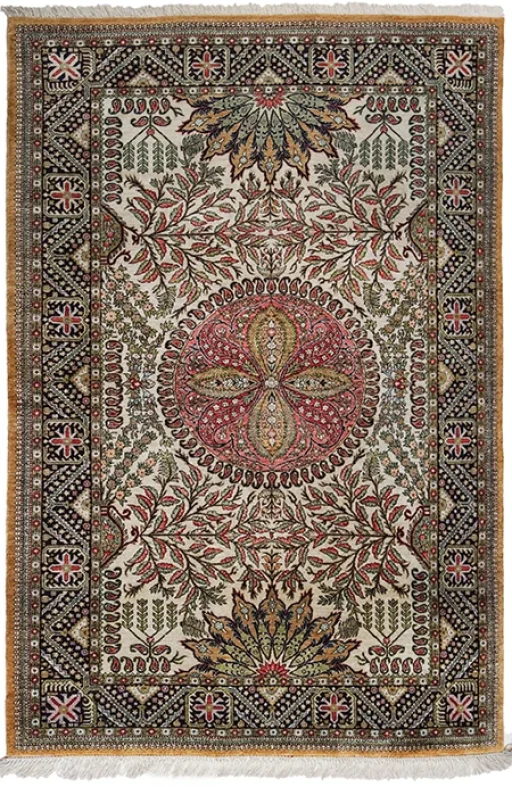
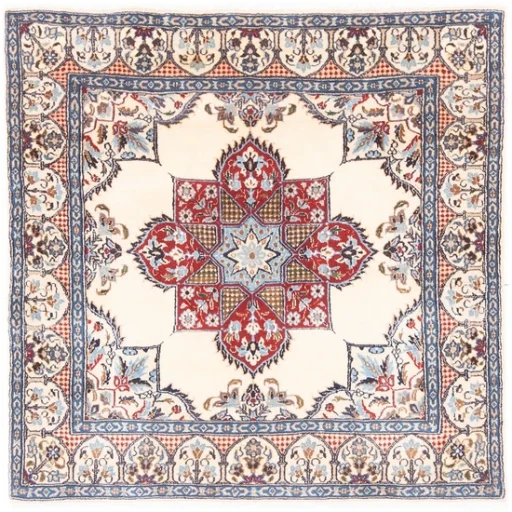
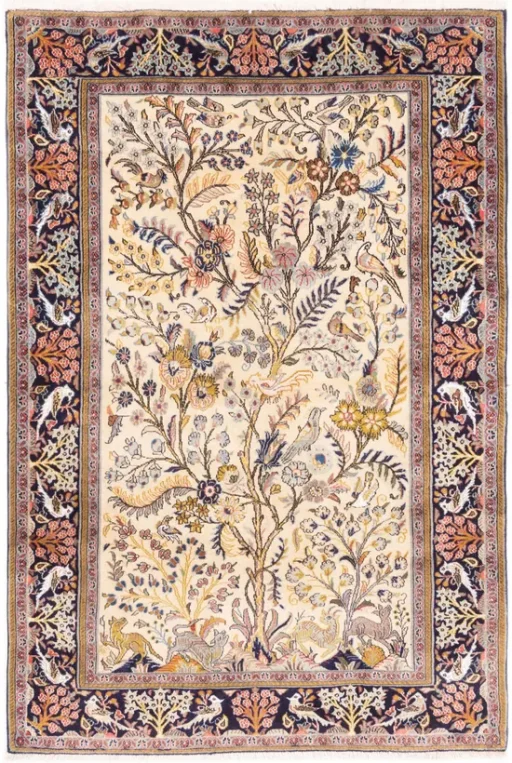
Ghom silk rugs are among the best-known Persian silk rugs. They are valued for their fine knotting, clear sheen and detailed patterns.
Typical features include elegant medallions, floral ornaments, delicate vines and balanced compositions. A Ghom silk rug is especially suitable for customers looking for a high-quality Persian silk rug with classic character.
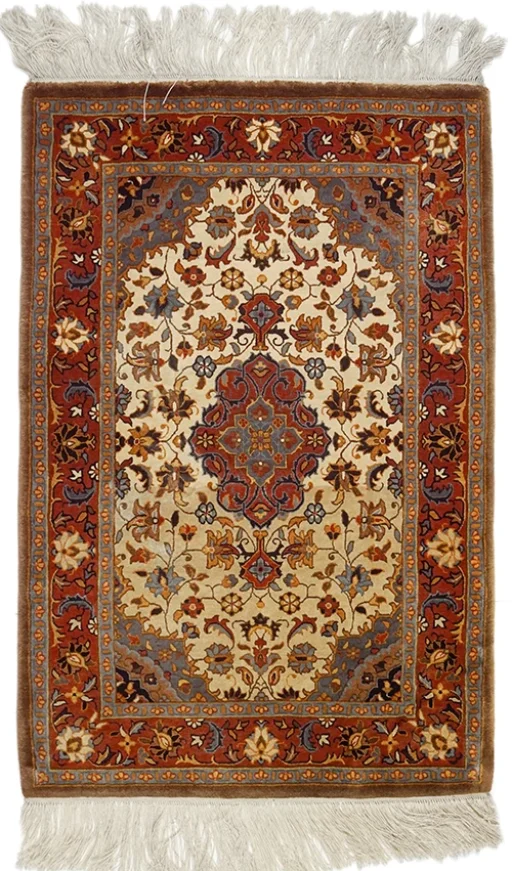
Istanbul silk rugs represent a fine combination of Ottoman-inspired elegance and oriental ornamentation. Their designs often appear decorative, symmetrical and representative.
They work well in rooms where a silk rug should not only function as a floor covering, but also as a visible expression of style, tradition and refined living aesthetics.
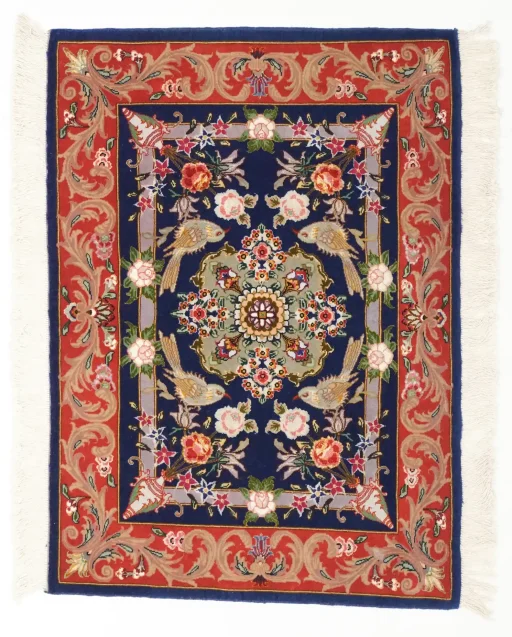
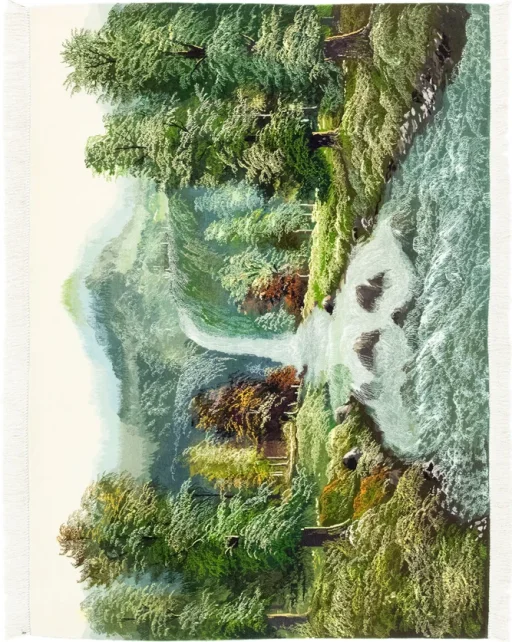
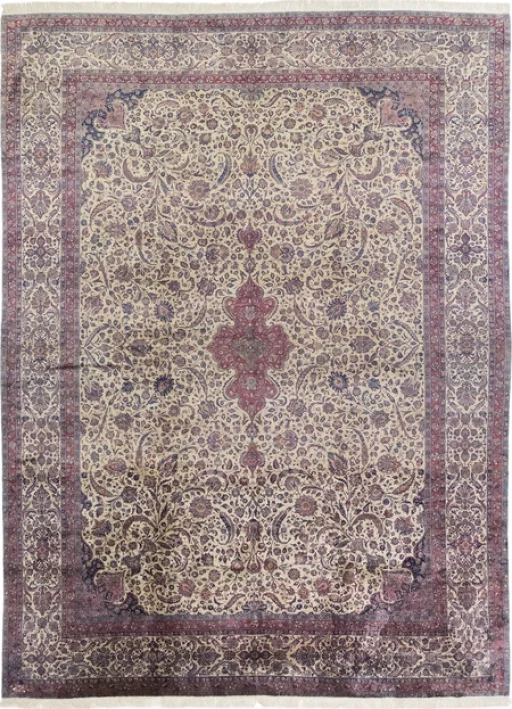
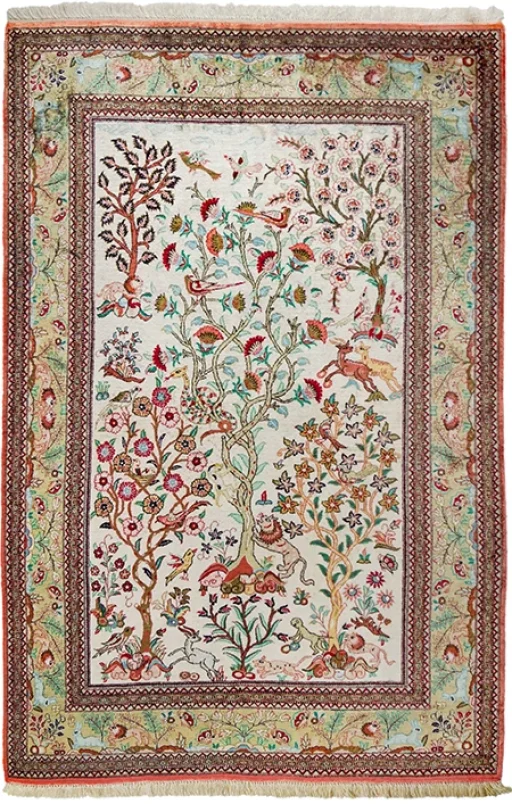
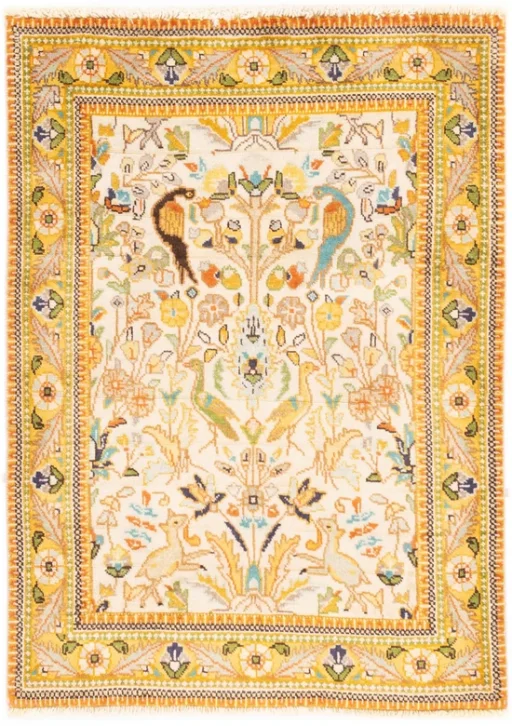
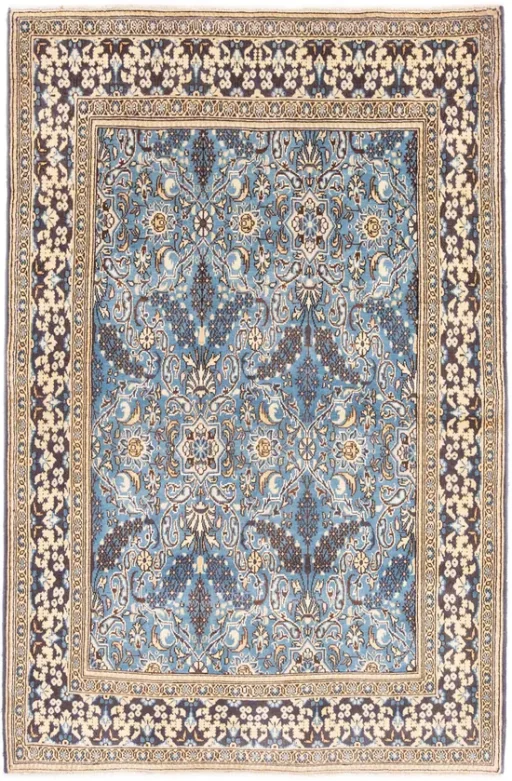
Kashmir silk rugs are known for their soft surface, fine patterns and harmonious color transitions. Many designs are floral, landscape-inspired or influenced by classical garden motifs.
With their elegant light effect, Kashmir silk rugs are especially suitable for bedrooms, salons, calm living areas and decorative rooms with a soft atmosphere.
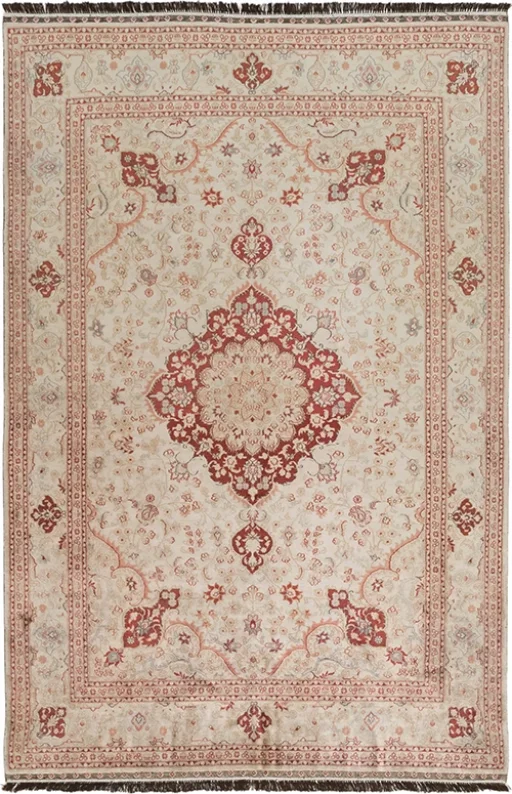
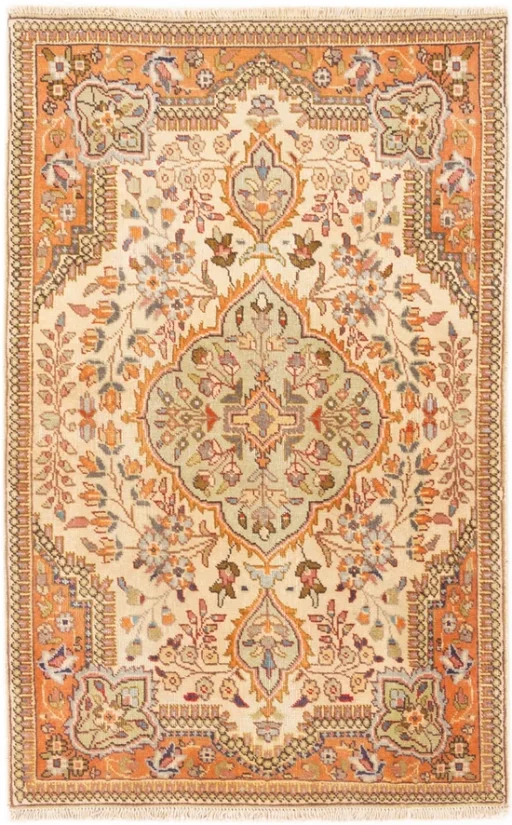
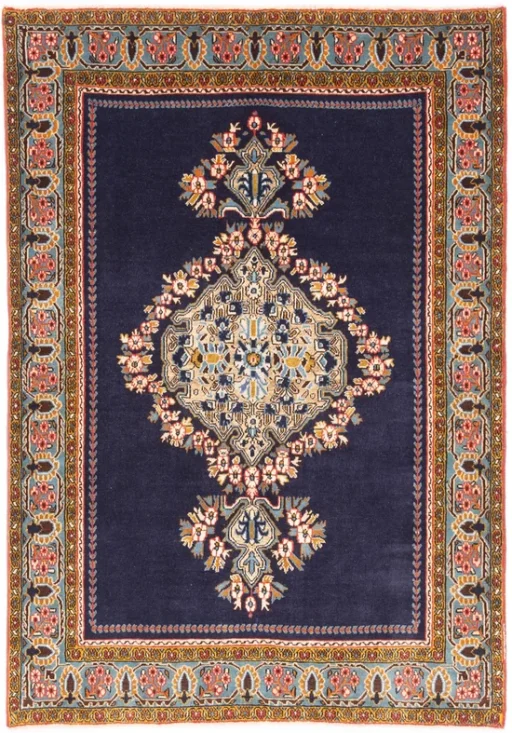
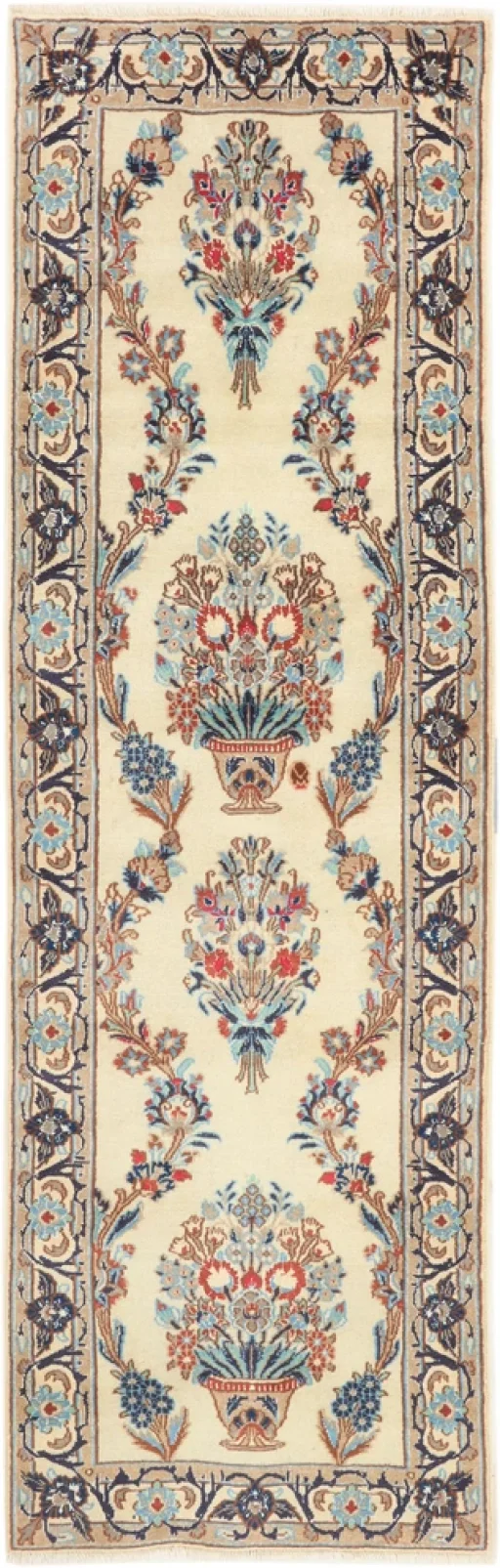
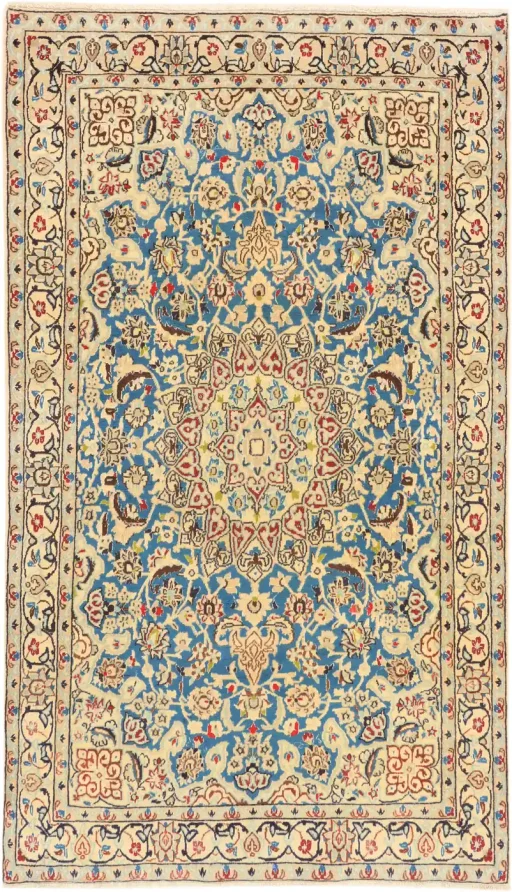
Kashan silk rugs draw on one of the most traditional Persian design languages. They often feature classic medallions, fine borders and floral patterns in balanced compositions.
A Kashan silk rug appears refined, balanced and timeless. It is especially suitable for classic living spaces, representative rooms and interiors with Persian elegance.
Kayseri silk rugs come from an important Turkish weaving tradition. They are often finely crafted, decorative and rich in detail.
Many Kayseri silk rugs are also suitable as wall rugs, as their patterns, colors and fine knotting can be especially appreciated up close.
Ghashghai silk rugs combine Persian tribal aesthetics with the refined effect of silk. While classic Ghashghai rugs are usually made from wool, silk creates a rarer and particularly decorative interpretation.
These rugs may show geometric motifs, symbolic patterns or stylized forms and bring a lively yet elegant effect into the room.
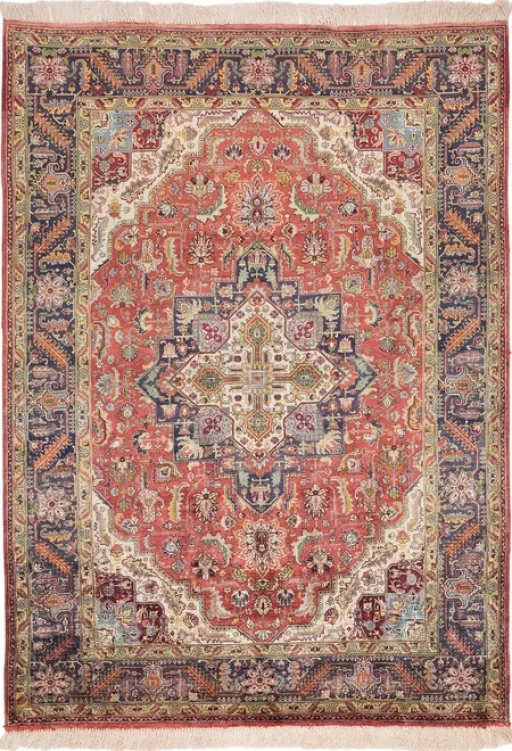
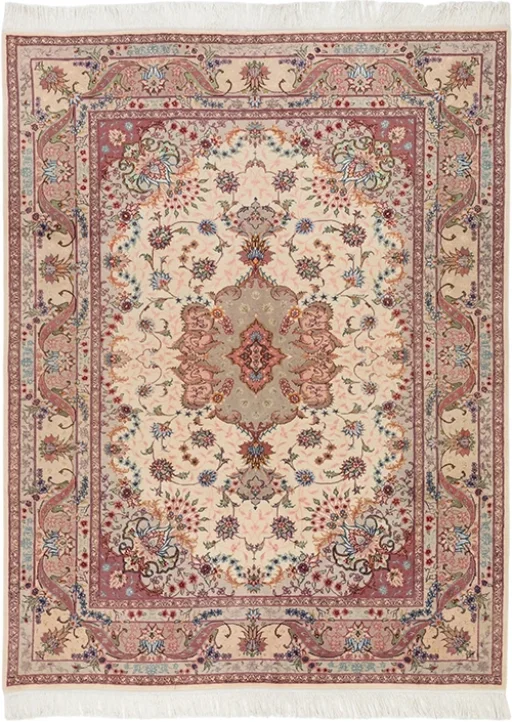
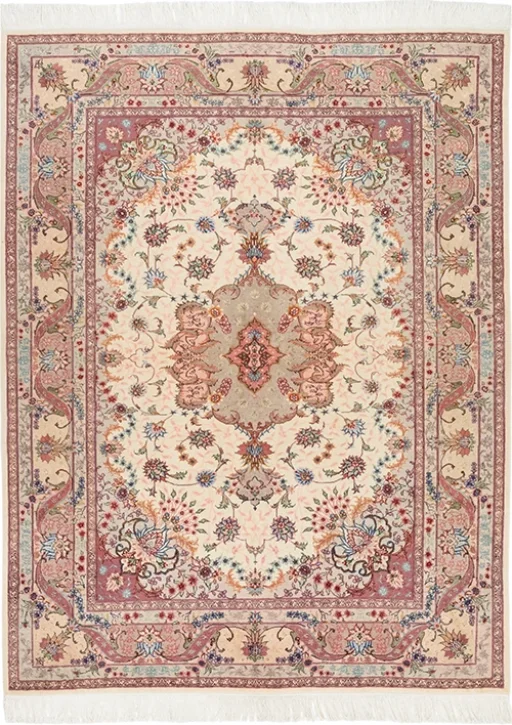
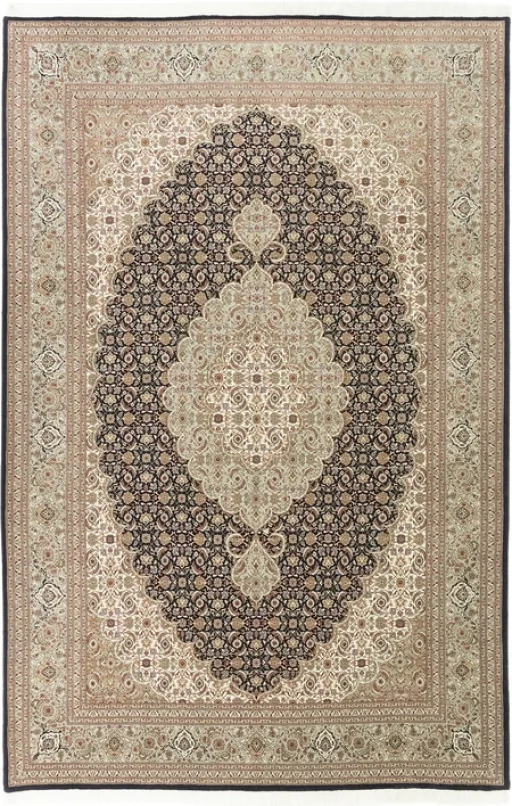
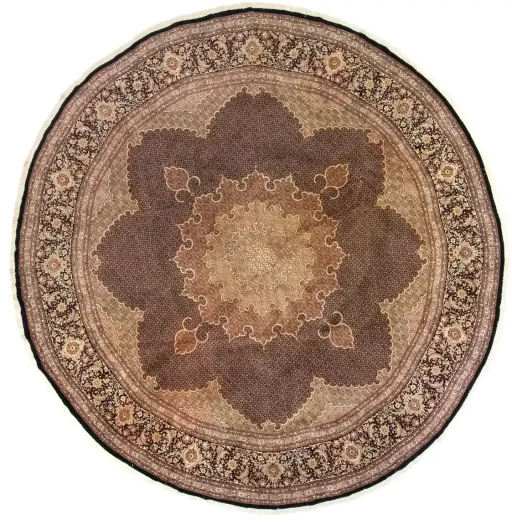
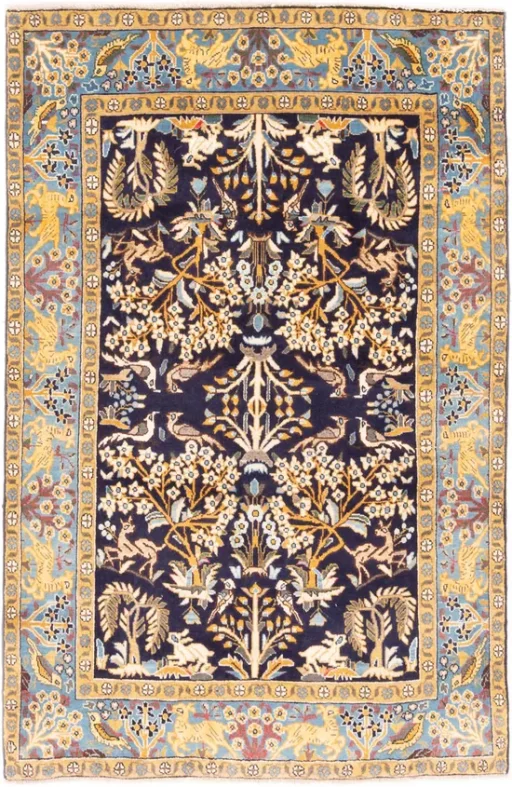
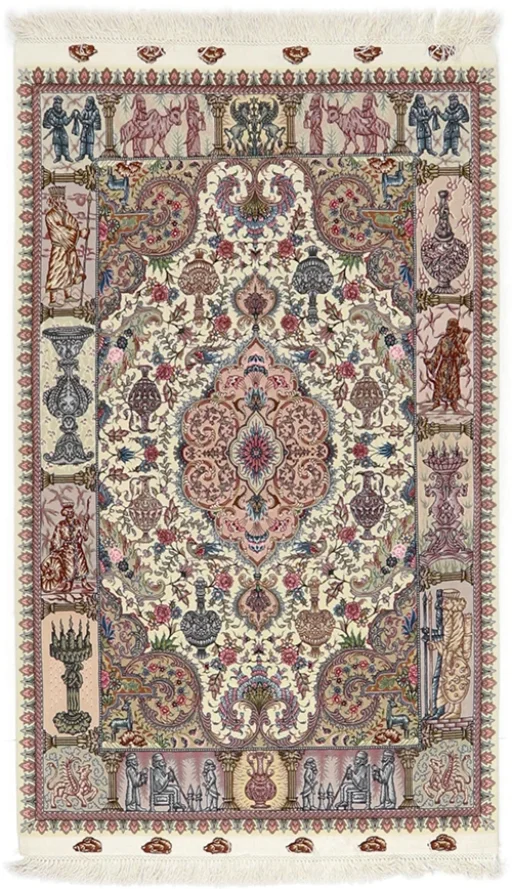
Tabriz silk rugs stand for technical precision, diverse patterns and a long Persian rug tradition. They may feature medallions, floral compositions, Mahi patterns, figurative scenes or architecturally inspired designs.
A Tabriz silk rug is especially suitable for rooms where fine craftsmanship, artistic presence and classic Persian refinement are desired.
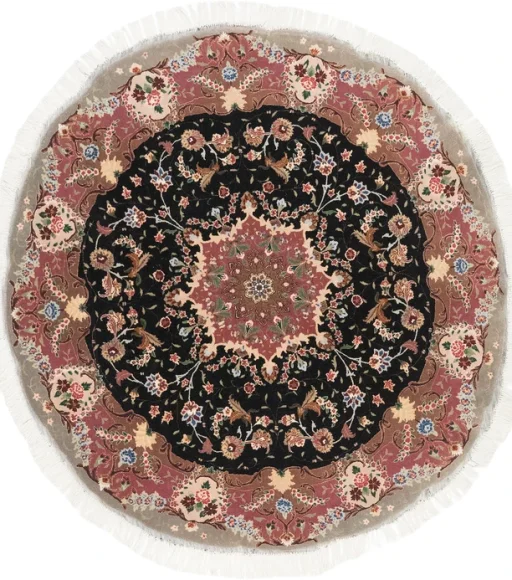
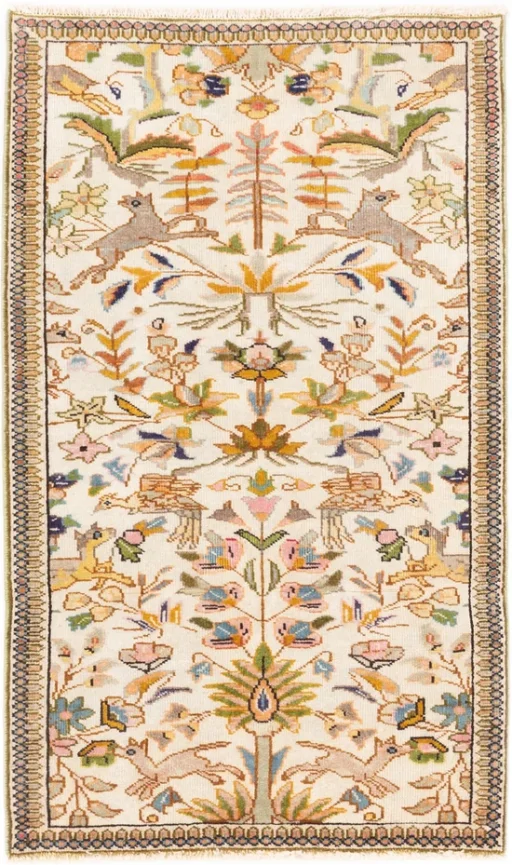
Tehran silk rugs often appear elegant, fine and representative. Their patterns may include floral compositions, medallions, figurative scenes or especially balanced decorative layouts.
They are suitable for sophisticated interiors where a Persian silk rug should act as a central design element.