
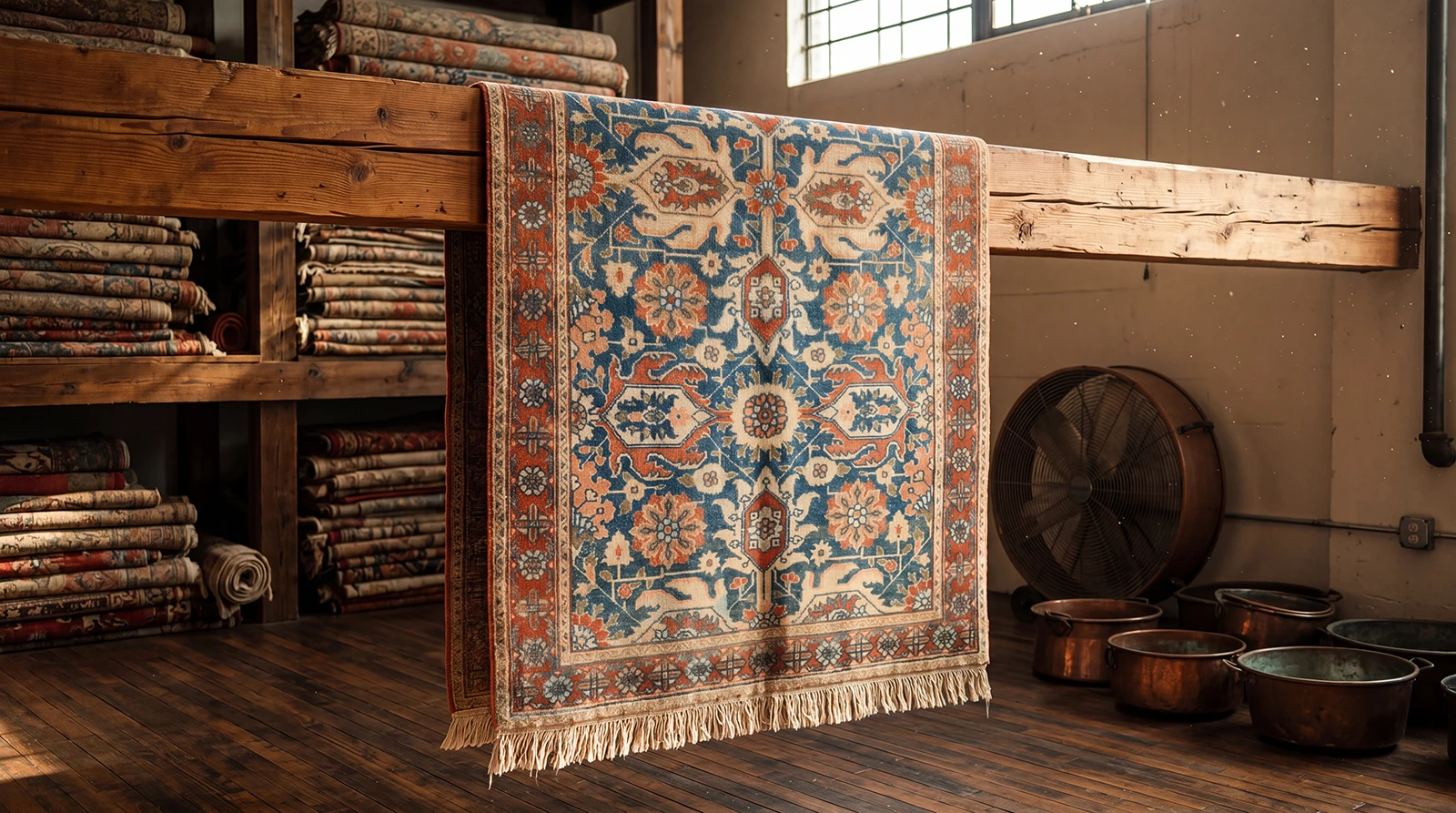
How to Care for Hand-Knotted Oriental Rugs: Cleaning, Maintenance & Preservation
What Is Proper Care for Oriental Rugs?

Proper care for hand-knotted Oriental rugs includes regular vacuuming, protection from sunlight, avoiding excess moisture, and occasional professional cleaning. These essential steps help preserve the rug’s color, structure, and long-term value, especially for pieces made from natural materials such as wool, silk, and cotton.
Unlike synthetic carpets, Oriental rugs are made using traditional techniques and natural fibers that react differently to environmental conditions. This means that proper care is not only about cleanliness, but also about maintaining the integrity of the materials and preserving the rug’s unique character over time.
Why Proper Oriental Rug Care Is Important
A hand-knotted Oriental rug is not just a decorative element, but a long-term investment and a reflection of traditional craftsmanship. Rugs from Persia, Anatolia, and the Caucasus were often created to last for generations. However, without proper care, dust, light, and moisture can gradually affect their fibers and colors.
Over time, even small amounts of accumulated dirt can reduce the lifespan of a rug. Regular maintenance helps prevent long-term damage and ensures that the rug retains both its visual appeal and its structural strength.
How to Vacuum a Persian or Oriental Rug Safely
Regular vacuuming is one of the most important aspects of Oriental rug care. Dust and fine particles settle deep into the pile and can slowly wear down the fibers if not removed.
When vacuuming, it is recommended to use a low suction setting and avoid rotating brushes, as these can damage delicate fibers. A smooth vacuum head is usually sufficient. Particularly fine rugs, such as silk carpets or Persian rugs from Isfahan or Qom, should be cleaned with extra care.
It is also helpful to rotate the rug from time to time to ensure even wear and prevent fading caused by frequent use or sunlight exposure.


How to Protect Oriental Rugs from Sunlight
Natural dyes, commonly used in Persian rugs, are sensitive to strong sunlight. Continuous exposure can lead to gradual fading and uneven color changes.
To maintain the rug’s appearance, it is advisable to limit direct sunlight and rotate the rug occasionally. This allows the colors to age evenly and develop a natural patina, which is characteristic of hand-knotted Oriental rugs.
Using window treatments such as curtains, blinds, or UV-filtering films can significantly reduce the intensity of sunlight reaching your oriental rug and help preserve its natural colors. Placing the rug in areas with indirect light or using sheer curtains allows daylight to enter the room without causing damage. Regularly adjusting furniture placement can also prevent certain sections of the rug from fading faster than others. Proper sunlight protection not only maintains the original beauty of hand-knotted Persian rugs but also supports their long-term value and durability.
How to Prevent Moisture Damage in Oriental Rugs
Moisture is one of the main factors that can damage hand-knotted Oriental rugs. Natural fibers absorb water easily, and prolonged exposure can weaken the structure and lead to odors or mold.
Rugs should not be placed in damp environments. When cleaning, only minimal moisture should be used, and the rug must always be allowed to dry completely. Proper air circulation is essential to maintaining long-term durability.
How to Remove Stains from Oriental Rugs
Spills are part of everyday life, but quick and careful action can prevent permanent damage. Fresh stains should be gently blotted with a clean cloth rather than rubbed, as rubbing pushes liquid deeper into the fibers.
A small amount of lukewarm water may help remove light stains, but harsh cleaning agents should always be avoided, as they can damage both the fibers and natural dyes.


How to Remove Coffee, Tea, and Everyday Stains from Oriental Rugs
Common stains such as coffee, tea, or wine should be treated immediately. First, blot the liquid with a clean, absorbent cloth. Then carefully apply a small amount of lukewarm water to dilute the stain and continue blotting gently.
If necessary, a mild, pH-neutral solution can be used in small quantities. Avoid strong chemicals and excessive moisture. For delicate rugs, especially silk or antique Oriental rugs, professional cleaning is always the safest option.
Professional Cleaning for Persian and Oriental Rugs
Even with regular care, deeper cleaning is recommended from time to time. Professional rug cleaning services use specialized methods adapted to the rug’s materials.
This process removes deeply embedded dust while preserving the fibers and colors. It is especially beneficial for high-quality Persian rugs, silk carpets, and antique Oriental rugs.

Repair and Restoration of Oriental Rugs
Over time, even well-maintained rugs may show signs of wear. Fringes can loosen, knots may weaken, and frequently used areas can age visibly.
Professional restoration helps preserve the rug using traditional techniques. Early repair prevents more serious damage and maintains the rug’s original structure and character.
Practical Care Tips for Oriental Rugs (Do & Don’t)
Proper care does not require complex routines, but consistency. Regular vacuuming, protection from sunlight, and dry conditions help preserve the rug’s beauty and structure. Natural materials such as wool and silk benefit from stable environments and gentle handling.
At the same time, excessive moisture, harsh chemicals, and aggressive cleaning should be avoided. Stains should always be blotted, never rubbed. With mindful care, an Oriental rug can last for decades.

Frequently Asked Questions About Oriental Rug Care
A common question is how often an Oriental rug should be cleaned. Regular vacuuming is usually sufficient, while professional cleaning is recommended every few years depending on use.
Another important topic is sunlight. While natural dyes age beautifully, strong sunlight can cause uneven fading. Delicate rugs, especially silk or antique pieces, require extra care and should be handled or cleaned professionally when needed.
Understanding these basics helps preserve both the appearance and value of a hand-knotted Oriental rug over time.
Oriental Rugs as Long-Term Investments
Hand-knotted Oriental rugs are designed to last for decades and often become more beautiful with time. Their colors soften, textures evolve, and they adapt naturally to their environment.
Many rugs are passed down through generations, making them not only decorative objects but also valuable cultural assets.
Oriental Rugs in Modern Interiors
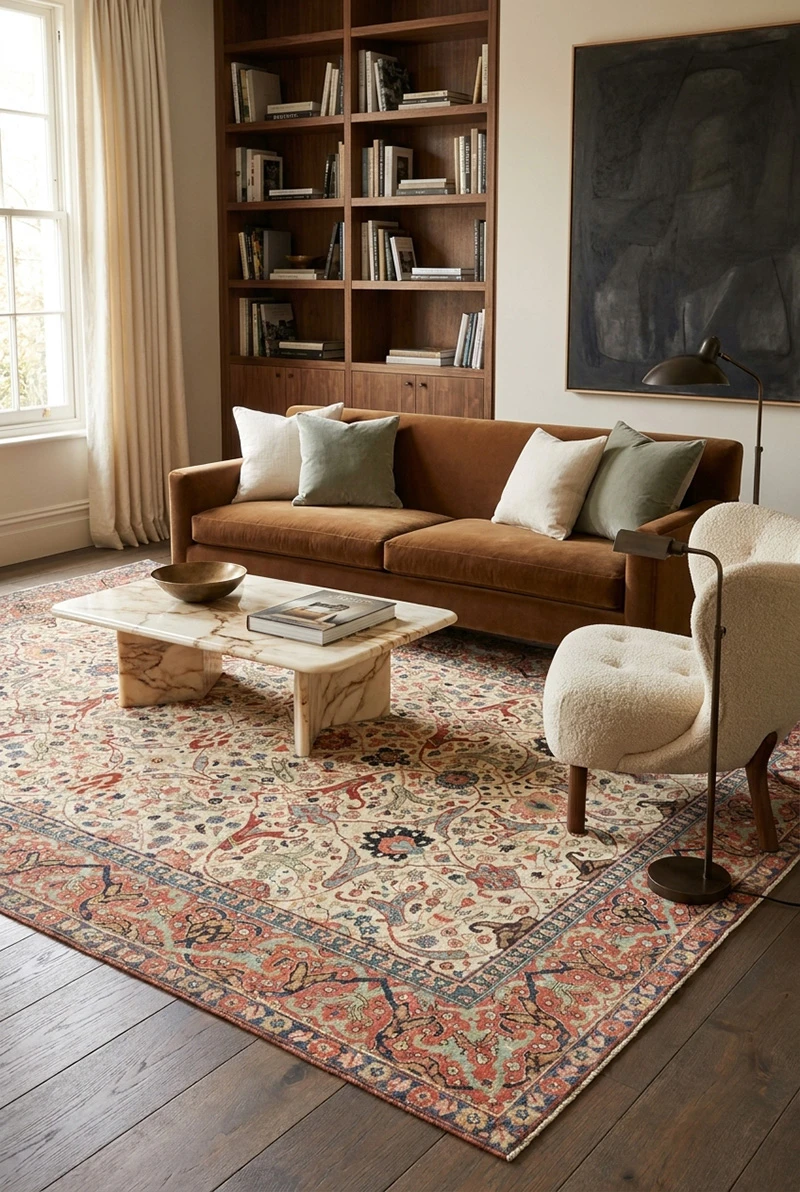
Today, Oriental rugs are highly valued in modern interiors. Their natural materials and timeless aesthetics create warmth and authenticity.
Whether in minimalist or classic spaces, Persian rugs, Gabbeh rugs, and vintage carpets add texture, depth, and character, making them essential elements of contemporary design.
Proper care is essential to preserve the beauty, structure, and value of a hand-knotted Oriental rug. Regular maintenance, protection from sunlight, careful stain removal, and occasional professional cleaning all contribute to extending its lifespan.
With the right approach, an Oriental rug remains a timeless and valuable part of any home for generations.

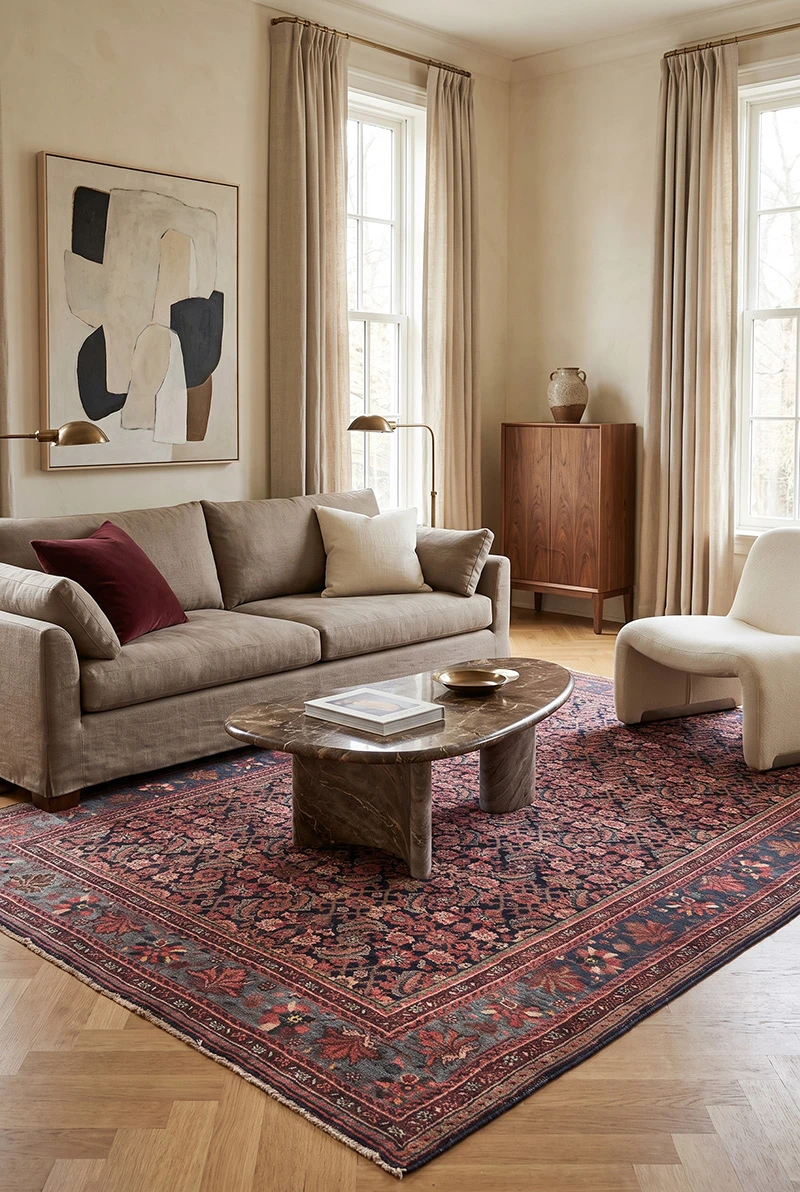
Bijar
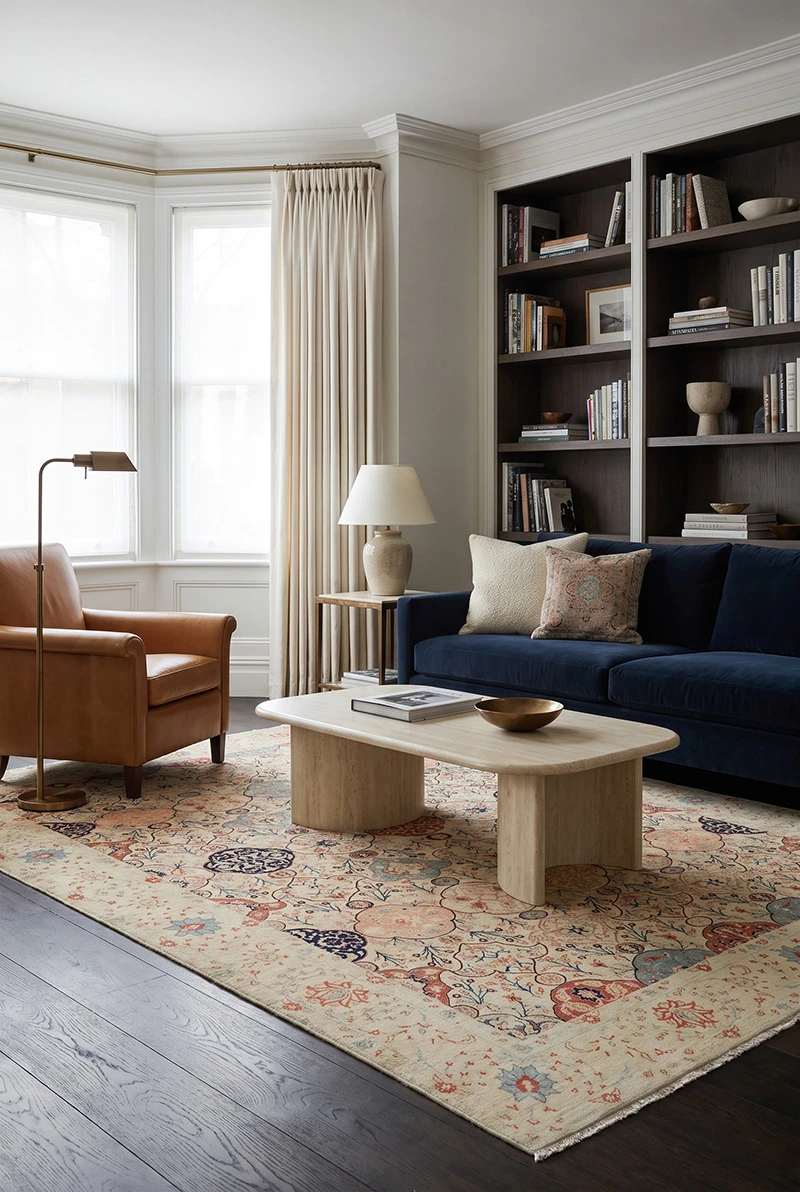
Isfahan
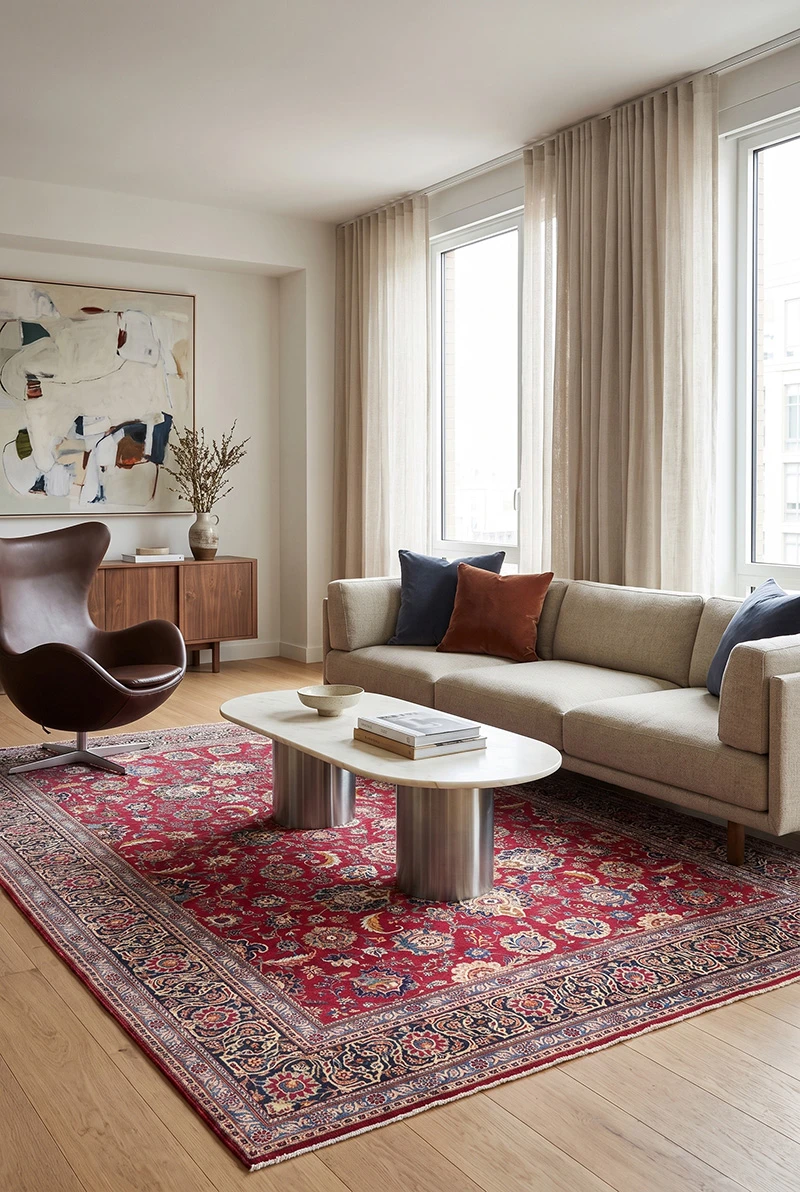
Kashan
Sarough
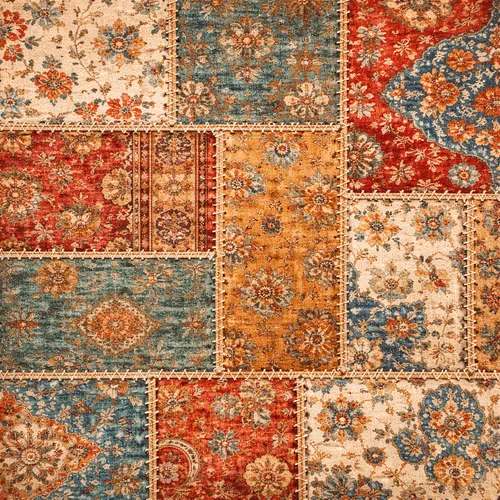
Patchwork
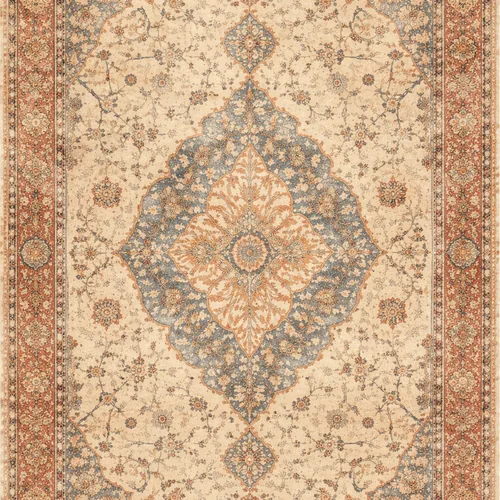
Vintage
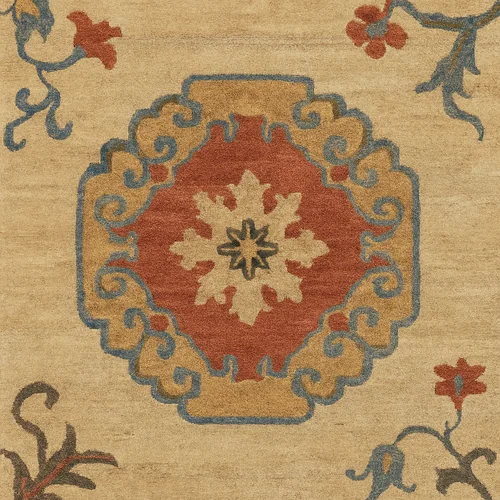
Persian Gabbeh
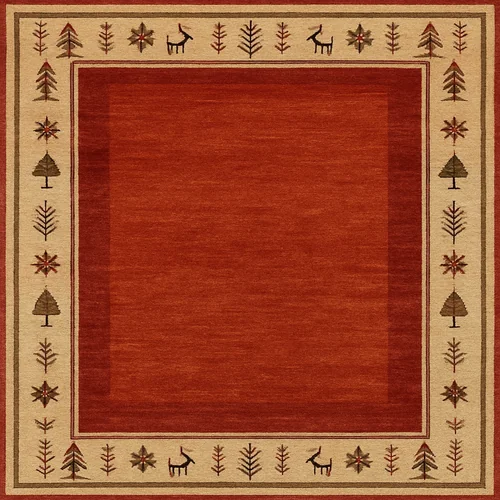
Gabbeh Loribaft
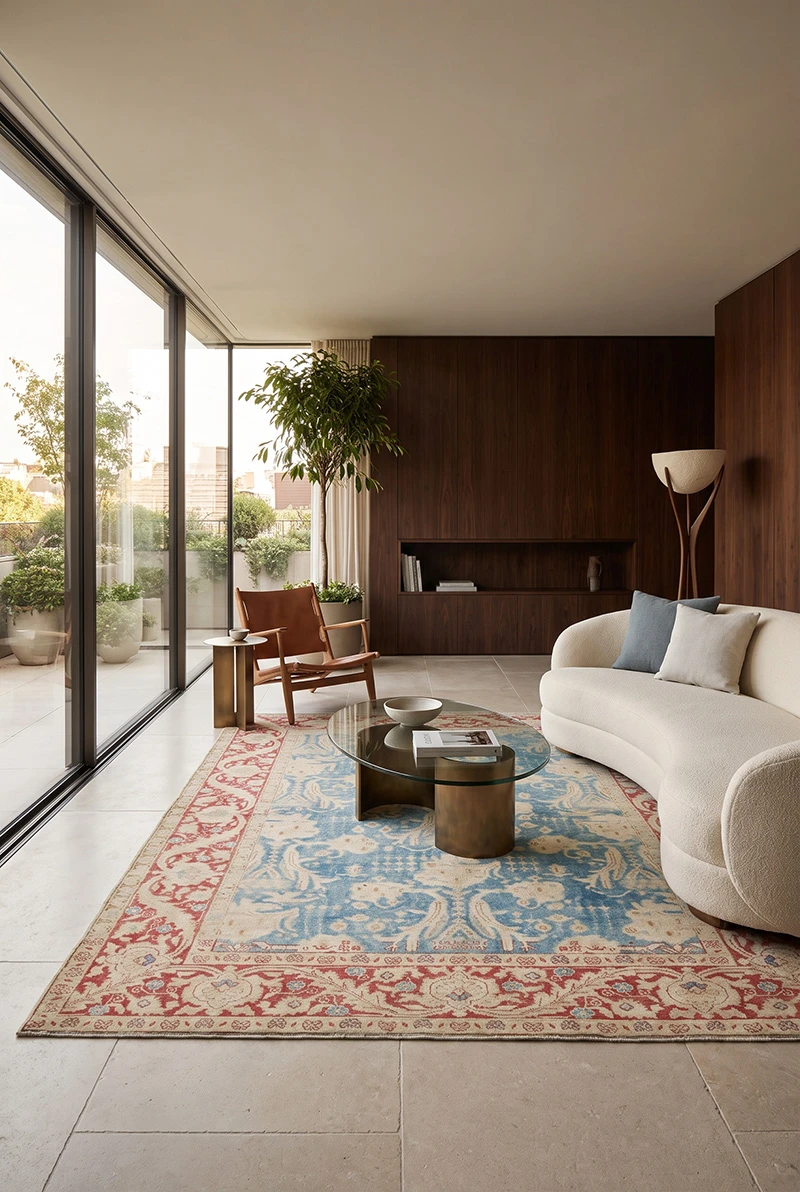
Tabriz
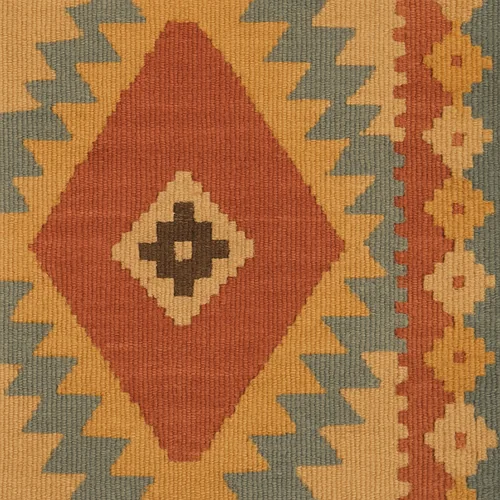
Kilim Traditional
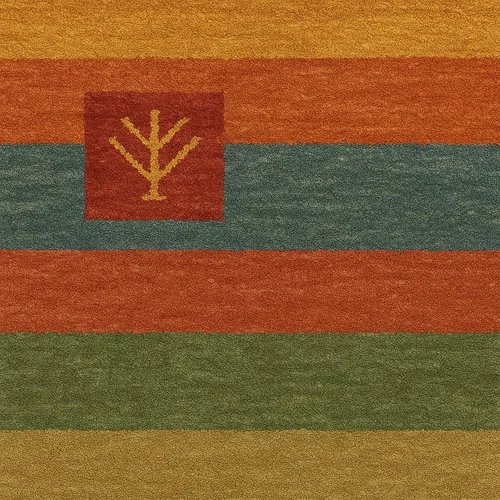
Kilim Gabbeh
Kilim Dastan
Written by
Rugbloom Editorial Team
Experts in Persian and Oriental carpet heritage
Related Posts
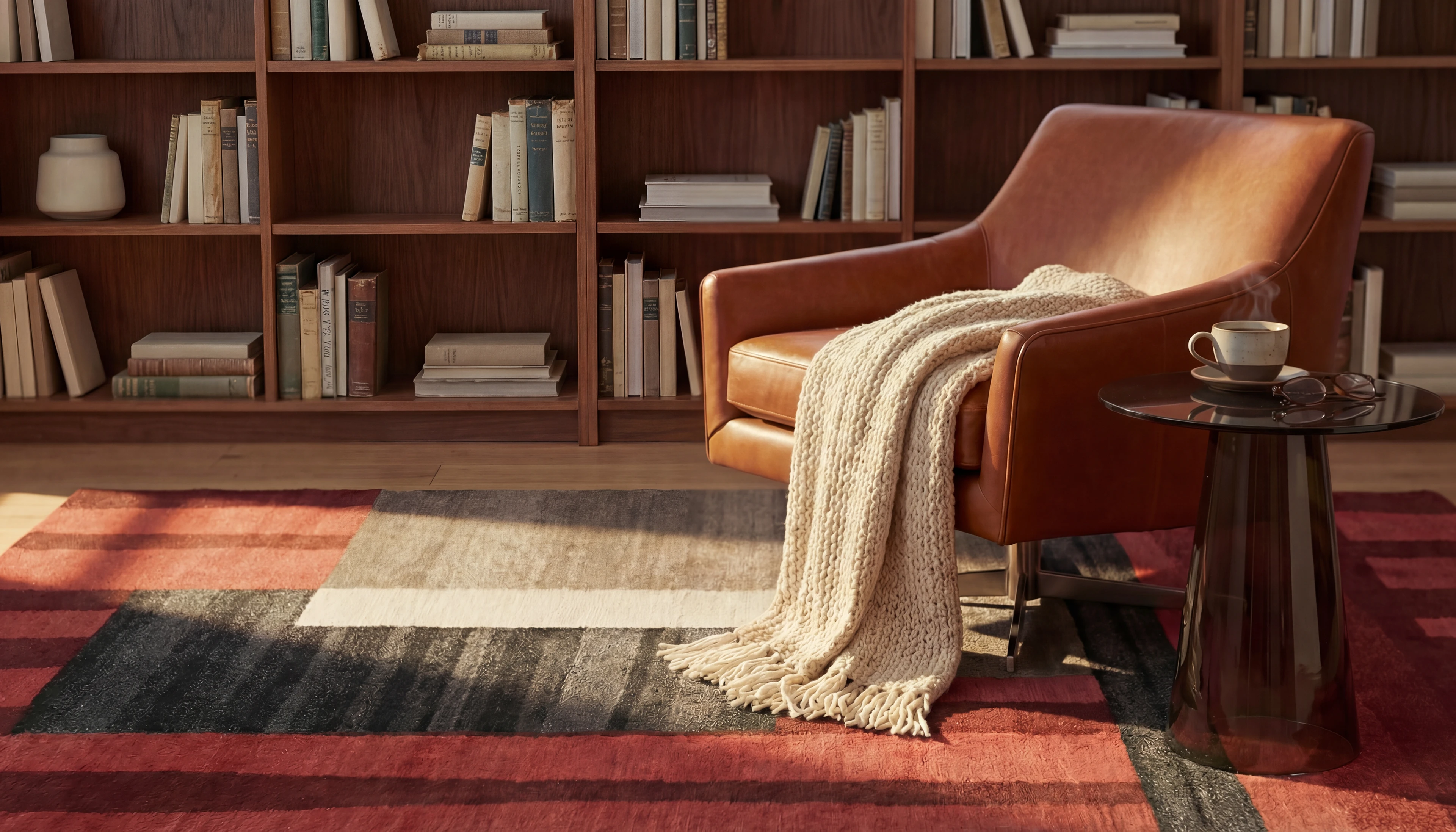
Rugbloom Journal: Knowledge & Inspiration About Hand-Knotted Oriental Rugs
The Rugbloom Journal is a curated knowledge platform dedicated to hand-knotted Oriental rugs. Discover articles about their history, origins, materials, knotting techniques, care, and their role in contemporary living.
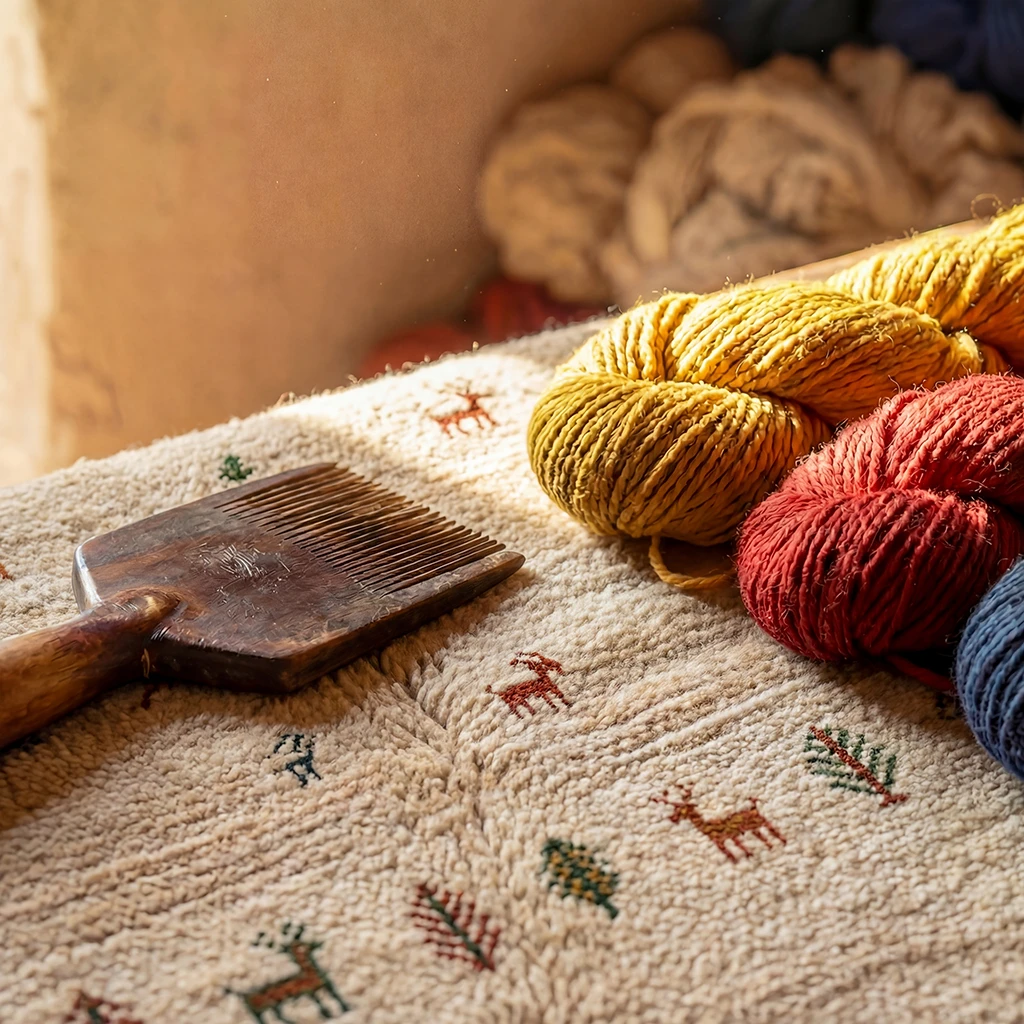
The History and Origins of Hand-Knotted Oriental Rugs
How Are Authentic Oriental Rugs Made?
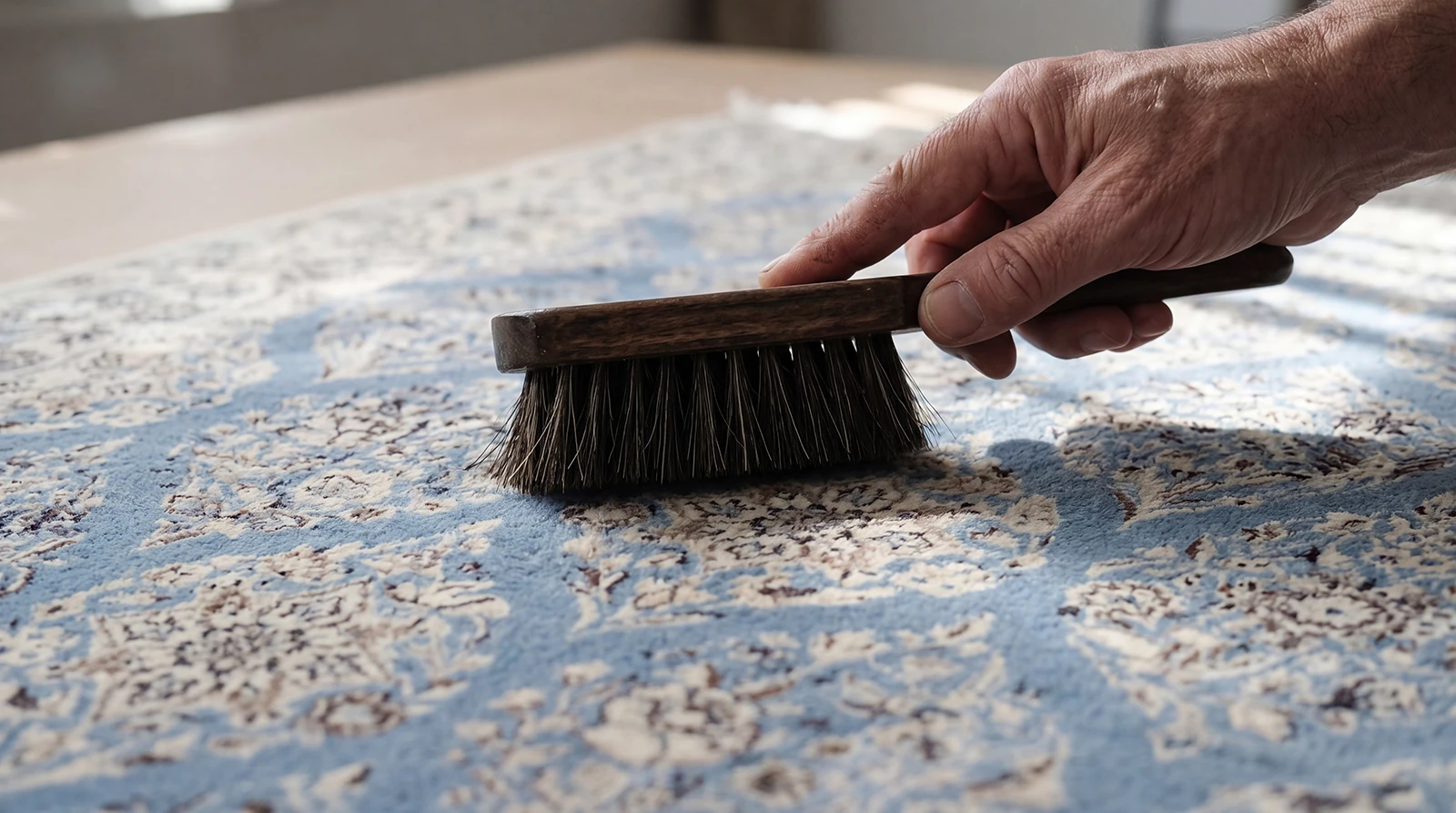
Regions, Patterns, and Symbolism of Oriental Rugs
Explore the regions, patterns, and symbolism behind hand-knotted Oriental rugs. Discover how floral designs, geometric motifs, and central medallions reflect centuries of craftsmanship and cultural tradition. Learn how different regions such as Isfahan, Heriz, and Kashan shaped distinctive rug styles that continue to influence Persian rug design today.