
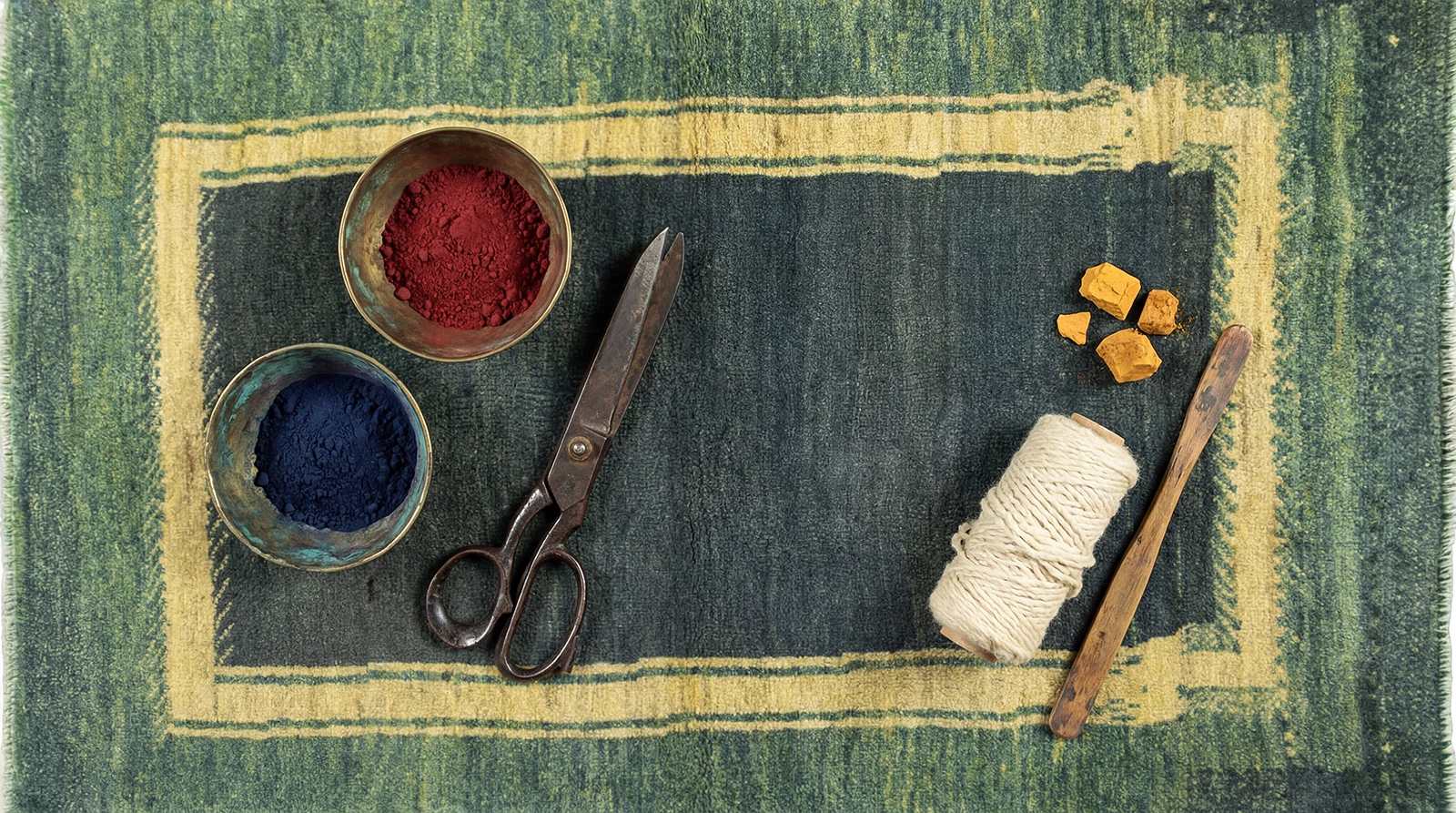
Materials and Knotting Techniques of Hand-Knotted Oriental Rugs
Discover the materials and knotting techniques behind hand-knotted Oriental rugs. Learn how wool, silk, and cotton influence durability and texture, and how Persian and Turkish knotting techniques define quality and design. Explore why knot density matters and what makes Persian rugs from Isfahan, Tabriz, and Kashan true masterpieces of craftsmanship.

What Are Hand-Knotted Oriental Rugs?
Hand-knotted Oriental rugs are traditional carpets crafted using natural materials such as wool, silk, and cotton, combined with precise manual knotting techniques. These techniques determine the rug’s durability, texture, and level of detail.
Unlike machine-made rugs, each hand-knotted rug is a unique piece of craftsmanship, reflecting centuries of cultural heritage and artisanal expertise.
The Importance of Materials in Oriental Rugs
The quality of a hand-knotted Oriental rug depends largely on the materials used. High-quality natural fibers not only enhance durability but also influence color depth, texture, and overall appearance.
For centuries, rug-making regions such as Persia, Anatolia, and the Caucasus have relied on premium materials known for their strength and dye absorption.
This combination of natural materials and skilled craftsmanship is what distinguishes authentic Oriental rugs from industrially produced alternatives.

Wool: The Most Common Material in Oriental Rugs
Wool is the most widely used material in hand-knotted Oriental rugs and is considered the foundation of traditional carpet weaving.
It is typically sourced from highland sheep and contains natural oils (lanolin), which make it resistant to dirt and wear. At the same time, wool provides a soft texture and warm surface.
Many classic Persian rugs from Tabriz, Kashan, and Heriz, as well as Anatolian and Caucasian carpets, are primarily made of wool. These rugs are known for their durability and vibrant colors.
Wool absorbs dyes exceptionally well, creating the deep reds, blues, and earthy tones that define traditional Oriental rugs.
Wool plays a central role in the quality and longevity of hand-knotted Oriental rugs, making it the most important material in traditional carpet weaving. Thanks to its natural lanolin content, wool is not only durable and resistant to dirt but also highly flexible and long-lasting. This makes wool Persian rugs from regions such as Tabriz, Kashan, and Heriz particularly valued for everyday use. In addition, wool fibers absorb natural dyes exceptionally well, resulting in rich, deep colors that enhance the character of Oriental rugs and ensure their timeless appeal in both classic and modern interiors.

Silk: Luxury, Shine, and Fine Detail
Silk is used in some of the most luxurious and fine Oriental rugs. Its extremely fine fibers allow for a high knot density and highly detailed patterns.
Silk rugs are known for their elegant sheen, reflecting light and creating a subtle color variation depending on the viewing angle.
Famous examples include Persian silk rugs from Qom and Isfahan. Some Tabriz rugs combine wool and silk, creating a refined contrast between texture and shine.
Because of their delicate structure, silk rugs are often used as decorative artworks or collector’s pieces.
Silk represents the highest level of refinement in hand-knotted Oriental rugs, known for its luxurious texture, natural sheen, and exceptional detail. Due to its extremely fine fibers, silk Persian rugs from regions such as Qom and Isfahan achieve a very high knot density, allowing for intricate floral patterns and precise ornamentation. The light-reflecting quality of silk creates a subtle change in color depending on the viewing angle, giving these rugs a dynamic and elegant appearance. Often used as luxury Oriental rugs or collector’s pieces, silk carpets combine artistic craftsmanship with timeless sophistication.

Cotton: The Structural Foundation of the Rug
While wool and silk form the visible surface, cotton is typically used for the warp and weft threads, forming the rug’s structural base.
This foundation provides stability, durability, and shape retention.
Many high-quality Persian rugs from Isfahan, Nain, and Kashan use cotton as a base. The combination of cotton with wool or silk creates a structure that is both strong and refined.
Cotton forms the essential structural foundation of hand-knotted Oriental rugs, providing stability, durability, and long-term shape retention. While wool and silk create the visible surface, cotton is used for the warp and weft threads, ensuring a strong and balanced construction. Many high-quality Persian rugs from Isfahan, Nain, and Kashan rely on a cotton base to support fine knotting and detailed designs. The combination of cotton with wool or silk results in durable Oriental rugs that offer both strength and refined craftsmanship.

Why Natural Materials Matter for Quality and Longevity
The choice of materials has a direct impact on the lifespan and value of an Oriental rug.
High-quality natural fibers such as wool and silk can last for generations and develop a unique patina over time.
Many antique Oriental rugs still retain their structure and color even after more than a century. This durability is one of the reasons why hand-knotted rugs are considered valuable long-term investments.
In addition, natural fibers enhance the visual appeal:
_ Wool creates warm, rich tones
_ Silk adds brilliance and light reflection
Traditional Knotting Techniques:
In addition to materials, knotting techniques play a crucial role in the creation of Oriental rugs.
Each rug is woven on a loom, where individual threads are knotted by hand, forming the pile.
Two main techniques define traditional rug weaving:
Persian Knot (Senneh Knot):
The Persian knot is asymmetrical and allows for fine, detailed, and intricate designs.
It is commonly used in Persian rugs from Tabriz and Kashan, making it ideal for floral patterns and complex ornamentation.
Turkish Knot (Ghiordes Knot):
The Turkish knot is symmetrical and known for its strength and durability.
It is often used in Anatolian and Caucasian rugs, especially suitable for bold geometric patterns.
Knot Density and Rug Quality:
Knot density refers to the number of knots per square meter and is a key indicator of a rug’s quality and detail level.
High knot density → fine patterns and intricate designs
Lower knot density → larger patterns and rustic appearance
High-quality Persian rugs from Isfahan and Tabriz are especially known for their exceptional knot density.
Craftsmanship and Time Investment:
Creating a hand-knotted Oriental rug requires time, skill, and patience.
Depending on size and complexity, production can take months or even years.
Each knot is tied by hand, making every rug a one-of-a-kind piece. This craftsmanship is the reason why these rugs are often passed down as family heirlooms.
Oriental Rugs in Modern Interior Design
Today, hand-knotted Oriental rugs are an essential part of modern interiors.
Natural materials such as wool and silk create a warm, authentic atmosphere, while traditional designs add character and depth.
Especially vintage Oriental rugs and antique Persian carpets are widely used in modern homes, combining tradition with contemporary style.
Materials and knotting techniques are the foundation of Oriental rug craftsmanship.
Natural fibers such as wool, silk, and cotton ensure durability, while traditional knotting techniques define the rug’s structure and detail.
This unique combination makes hand-knotted Oriental rugs timeless works of art that can last for generations.

FAQ: Materials and Knotting Techniques of Oriental Rugs
What materials are used in Oriental rugs?
Oriental rugs are made from wool, silk, and cotton, offering durability and rich color depth.
What is the difference between Persian and Turkish knots?
The Persian knot allows finer detail, while the Turkish knot provides greater strength.
Why is wool commonly used in Persian rugs?
Wool is durable, naturally resistant, and absorbs dyes well, making it ideal for long-lasting rugs.
What is knot density in rugs?
Knot density refers to the number of knots per square meter and determines how detailed a rug can be.

"Discover the Most Popular Categories at Rugbloom"
Nomadic & Village
Patchwork & Vintage
Kilim Classic
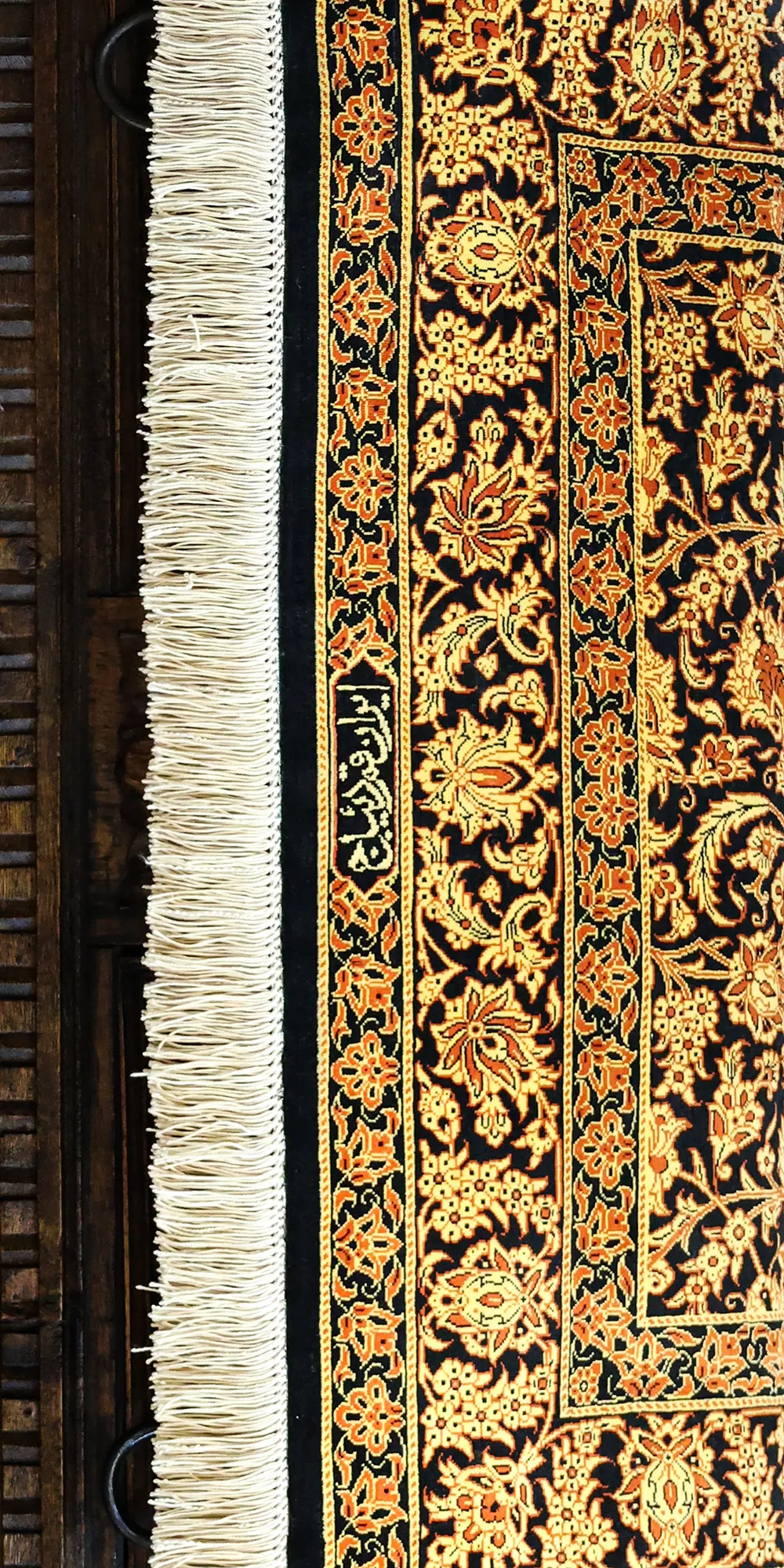
Silk
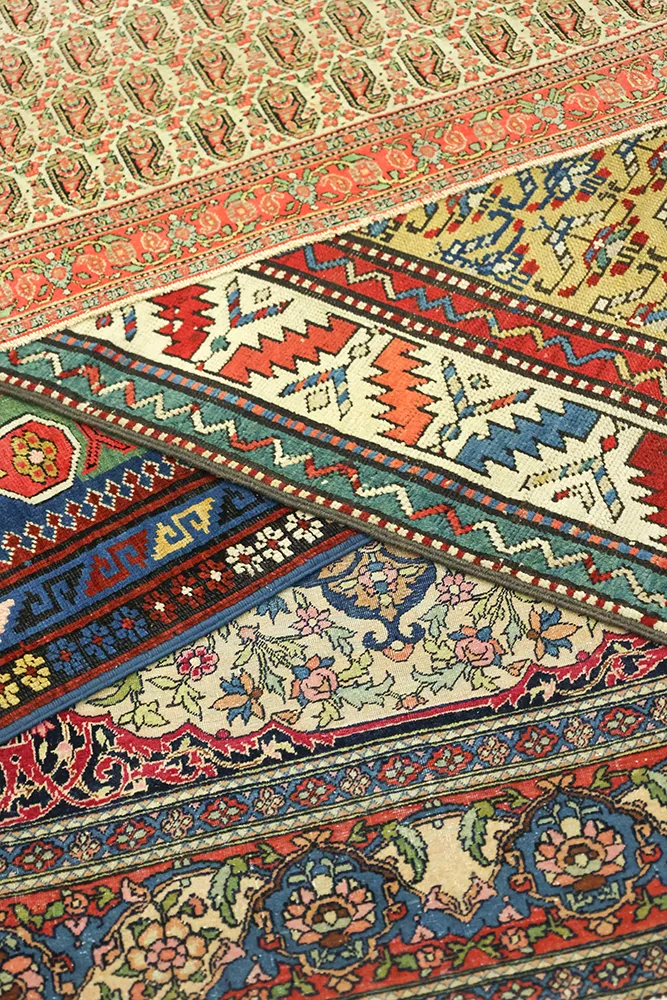
Antique
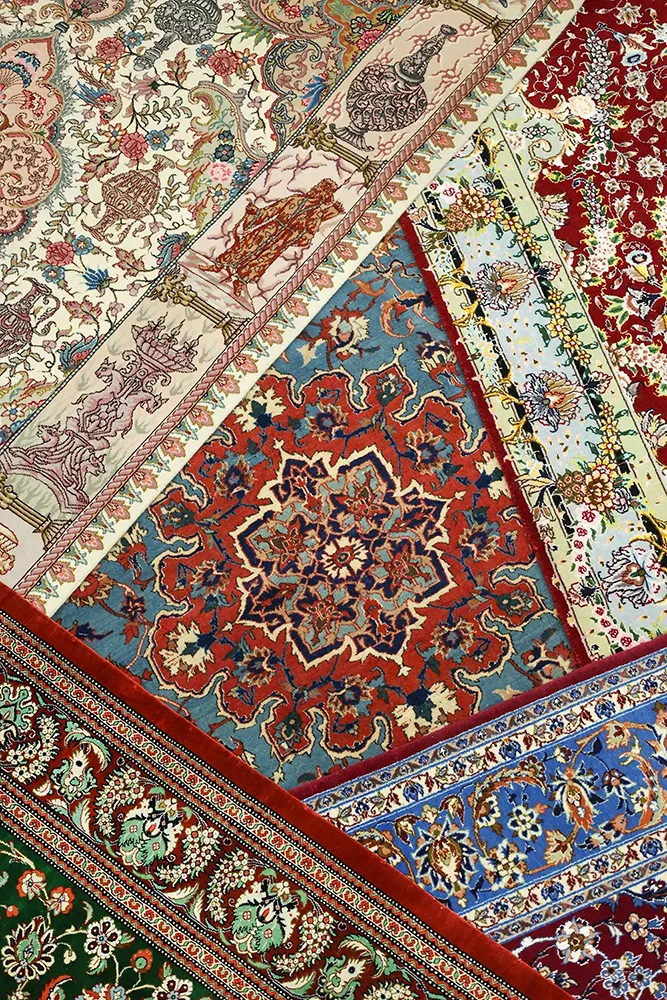
Classic Persian
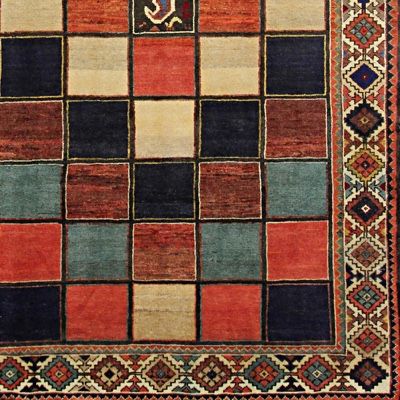
Gabbeh
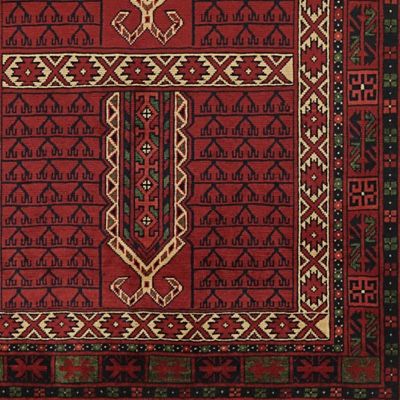
Afghan & Pakistani
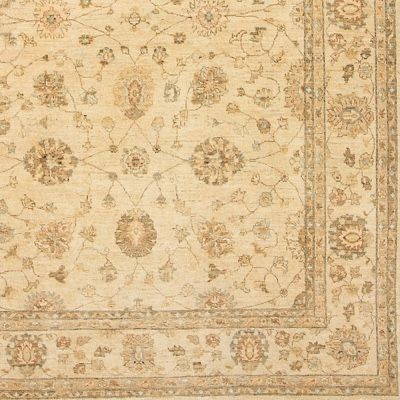
Ziegler
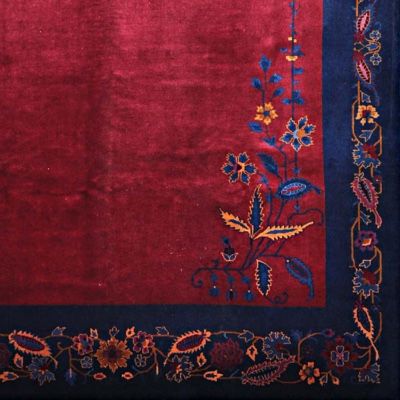
China
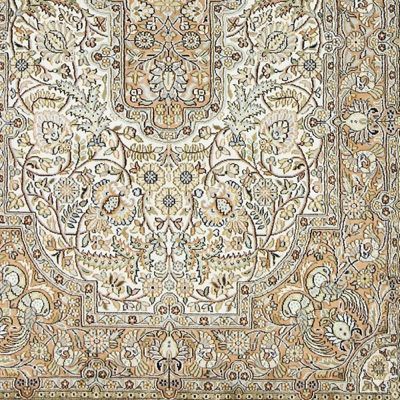
Indian
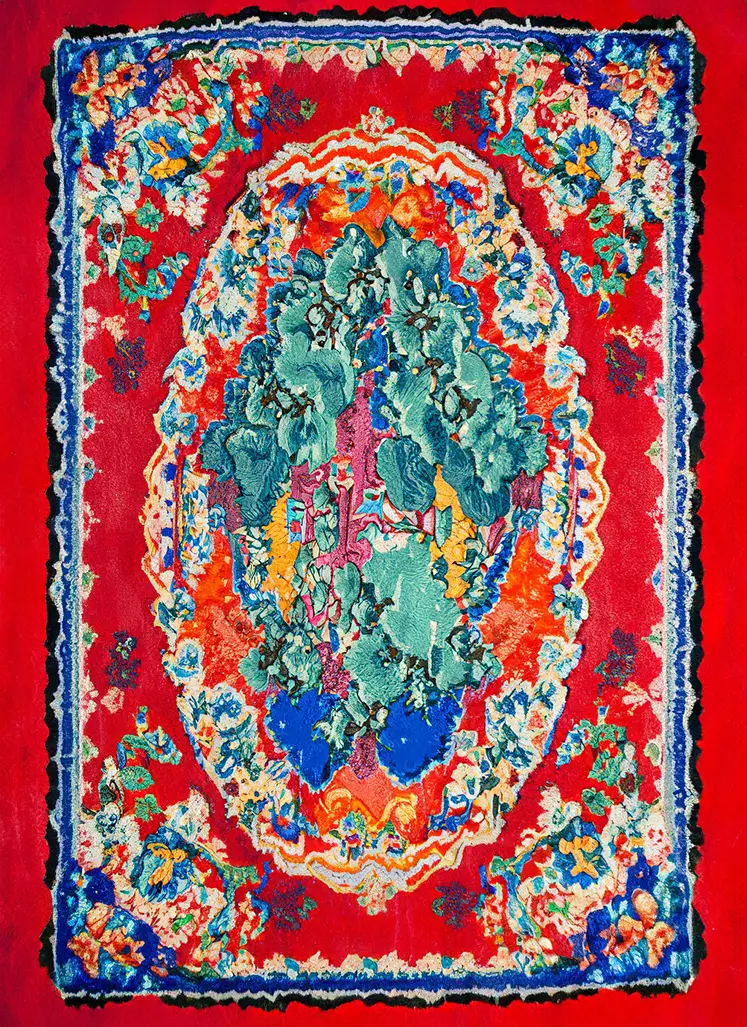
Turkish & caucasian
Related Posts
Rugbloom Journal: Knowledge & Inspiration About Hand-Knotted Oriental Rugs
The Rugbloom Journal is a curated knowledge platform dedicated to hand-knotted Oriental rugs. Discover articles about their history, origins, materials, knotting techniques, care, and their role in contemporary living.
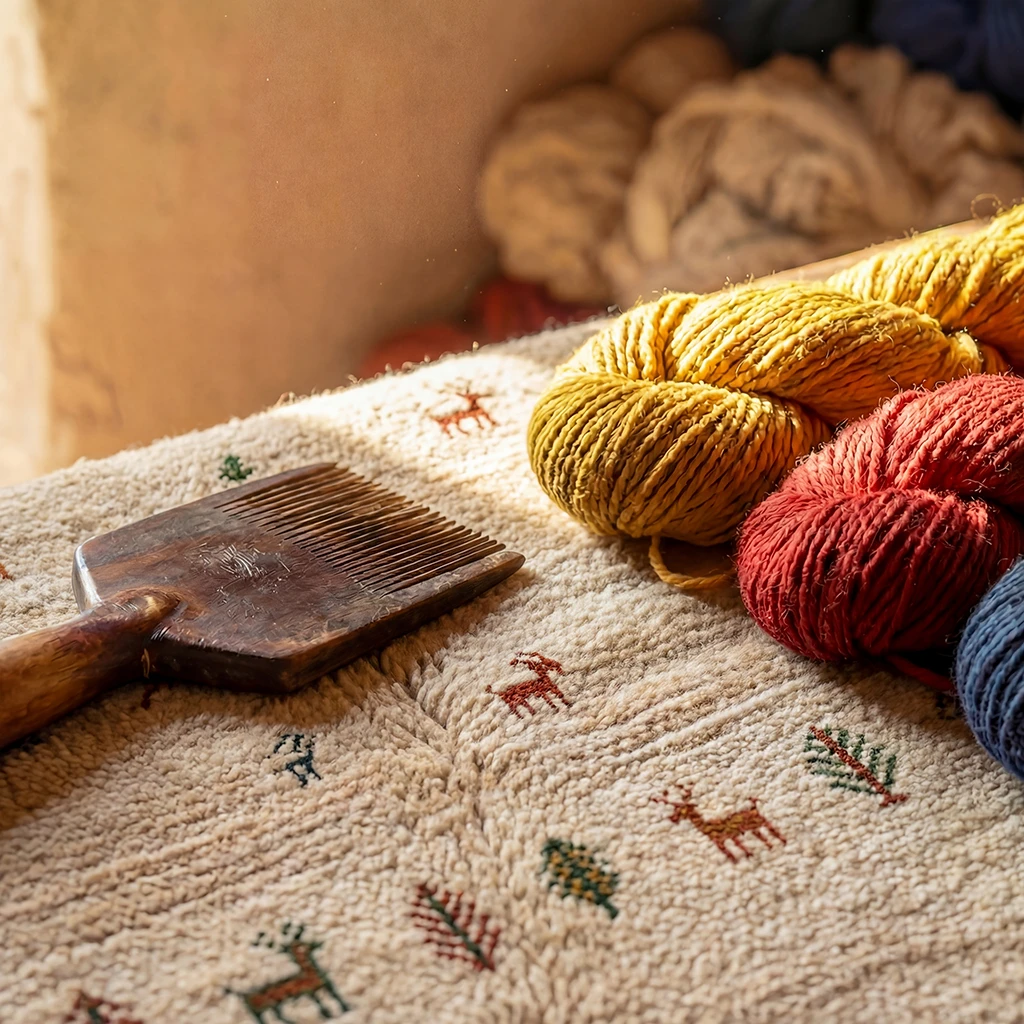
The History and Origins of Hand-Knotted Oriental Rugs
How Are Authentic Oriental Rugs Made?
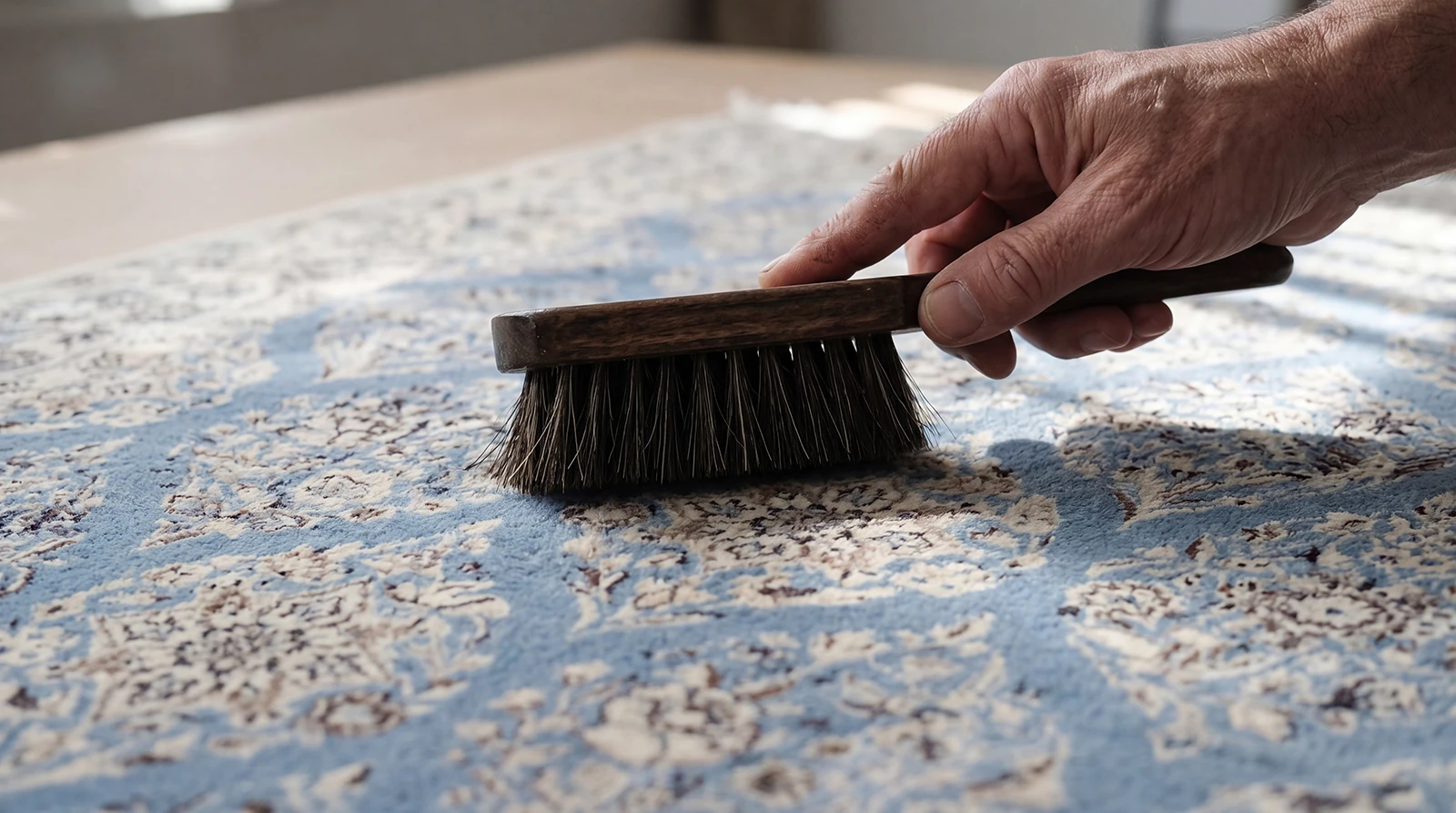
Regions, Patterns, and Symbolism of Oriental Rugs
Explore the regions, patterns, and symbolism behind hand-knotted Oriental rugs. Discover how floral designs, geometric motifs, and central medallions reflect centuries of craftsmanship and cultural tradition. Learn how different regions such as Isfahan, Heriz, and Kashan shaped distinctive rug styles that continue to influence Persian rug design today.