
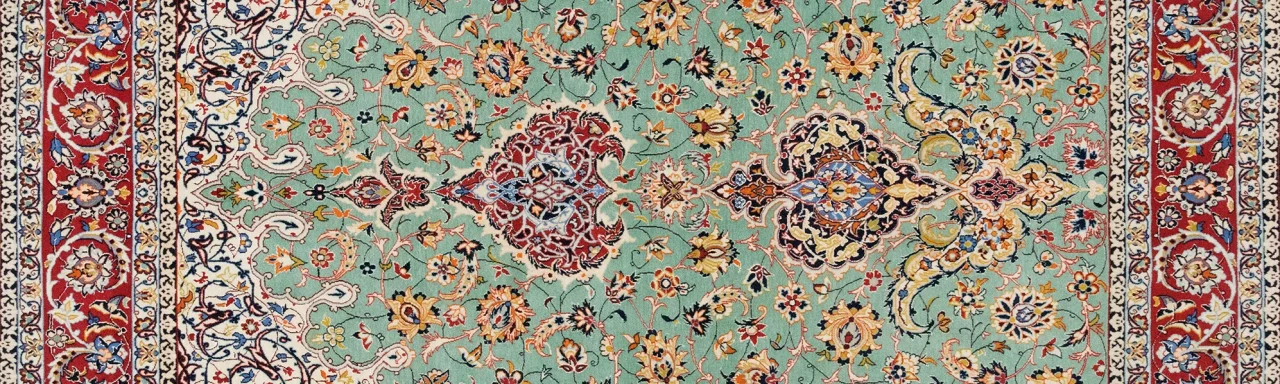

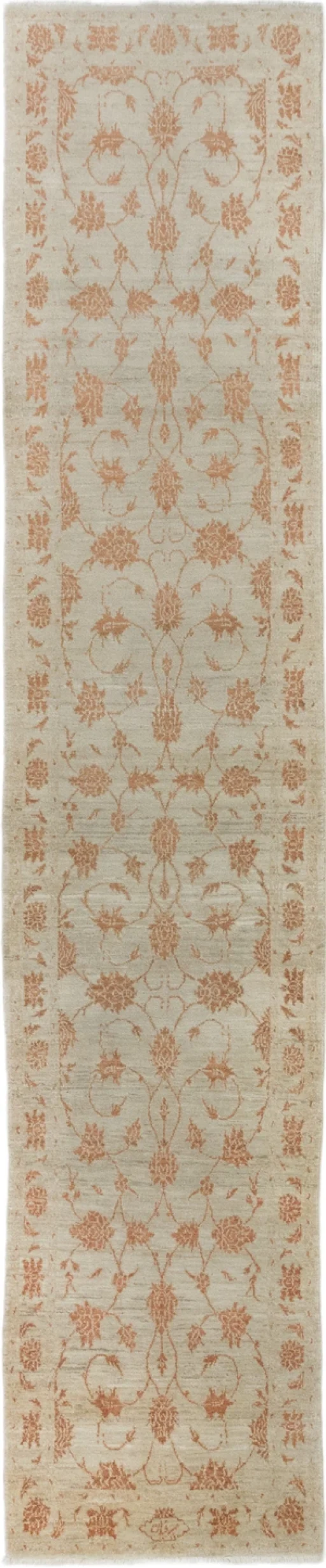
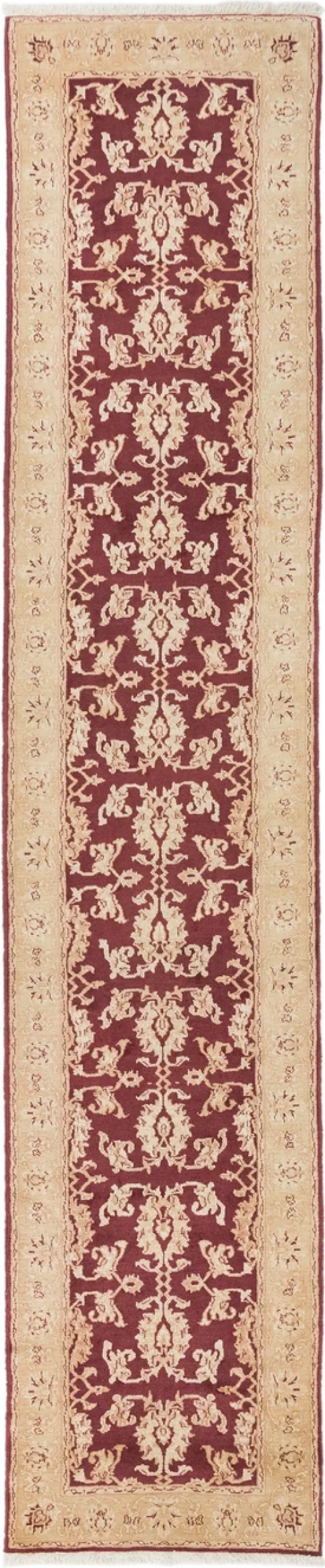
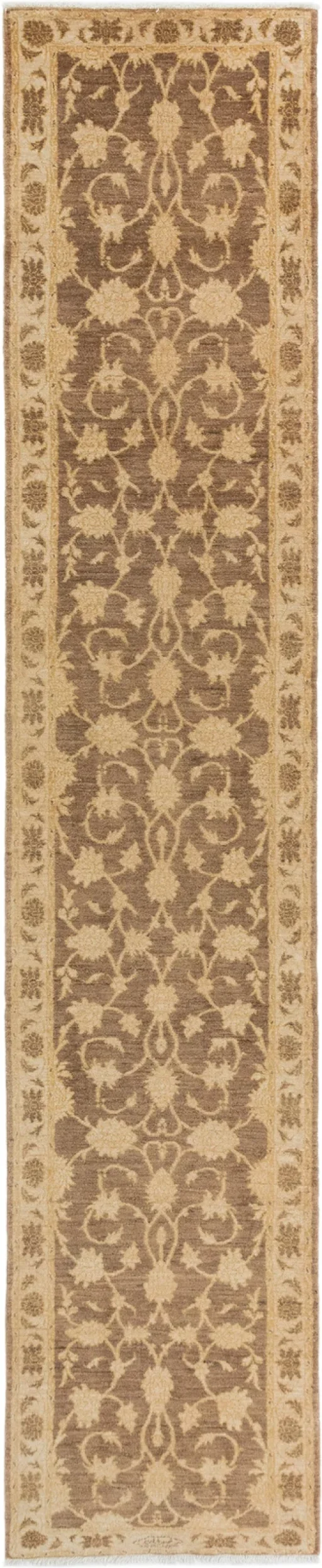

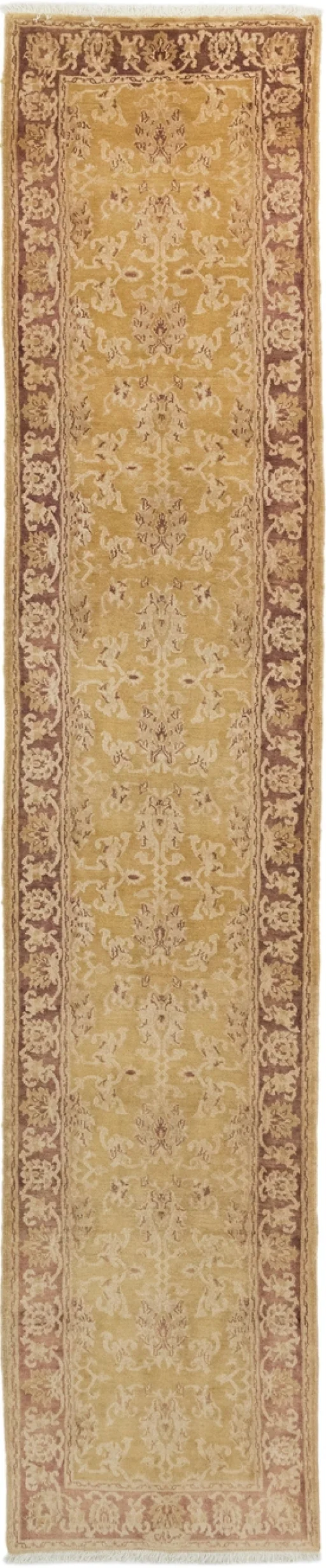
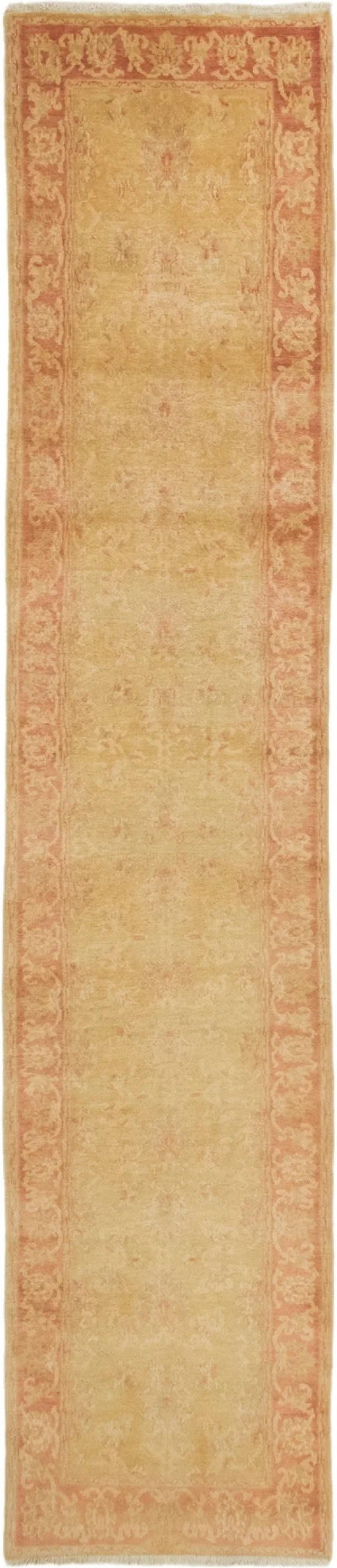
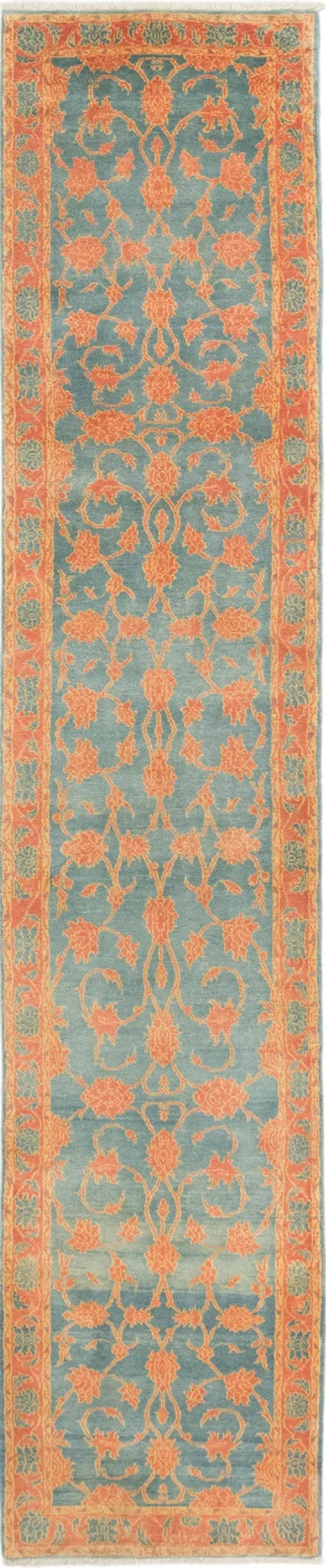
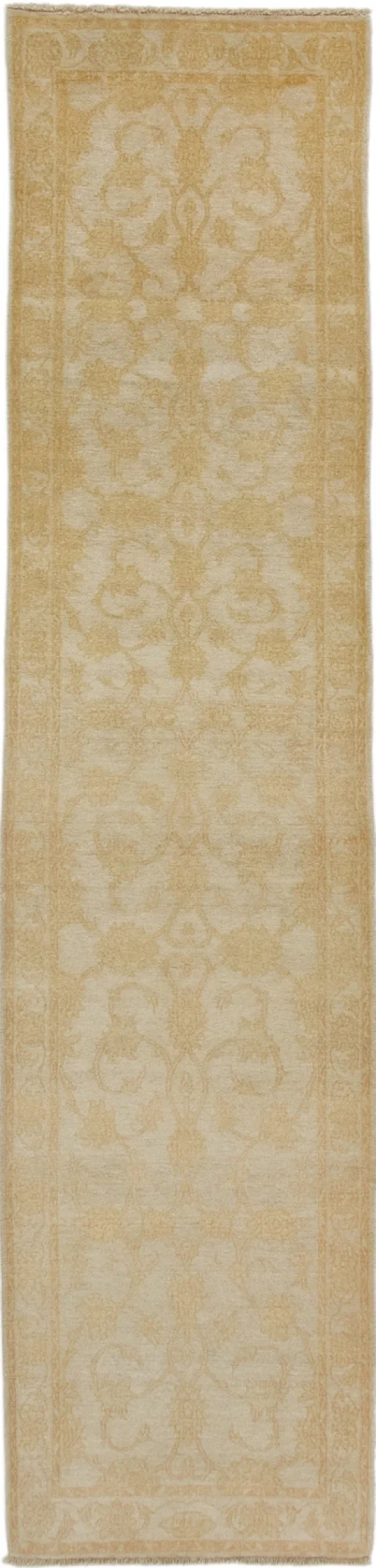
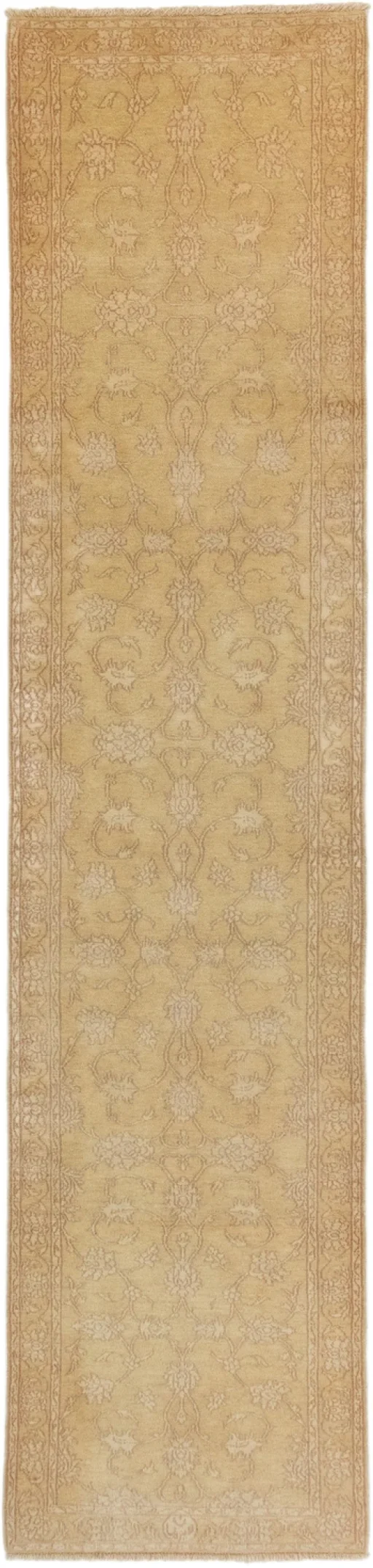
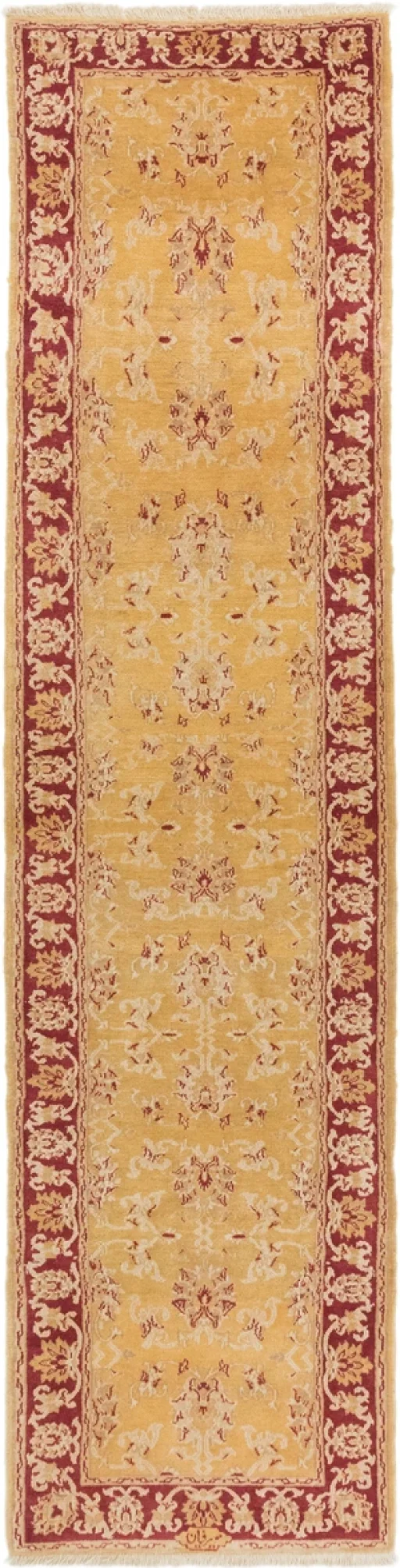
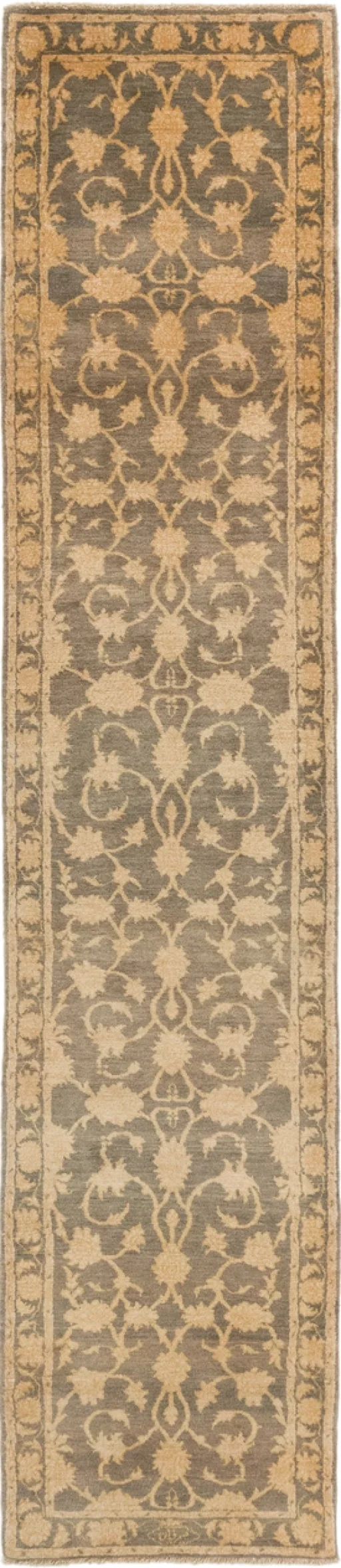
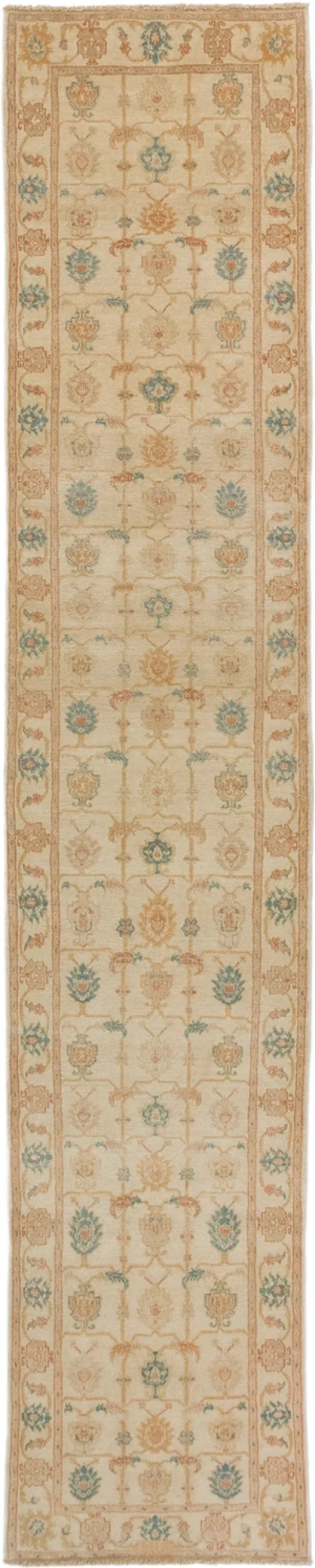
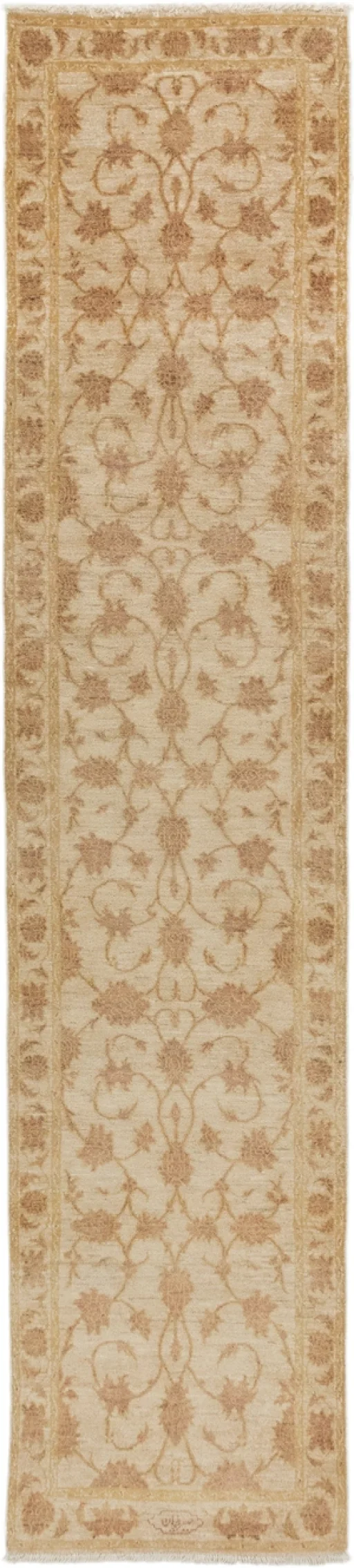
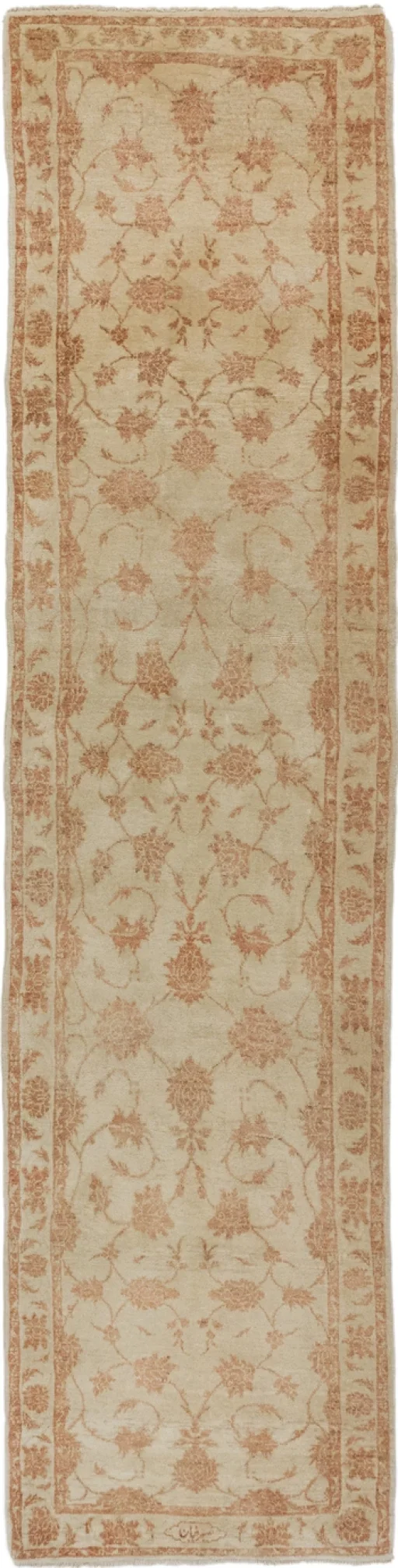

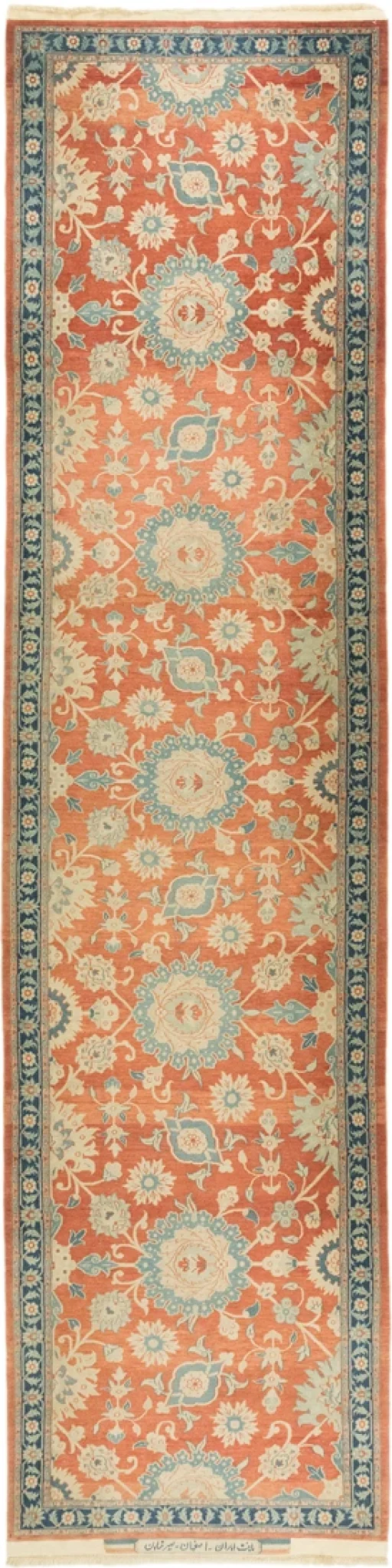

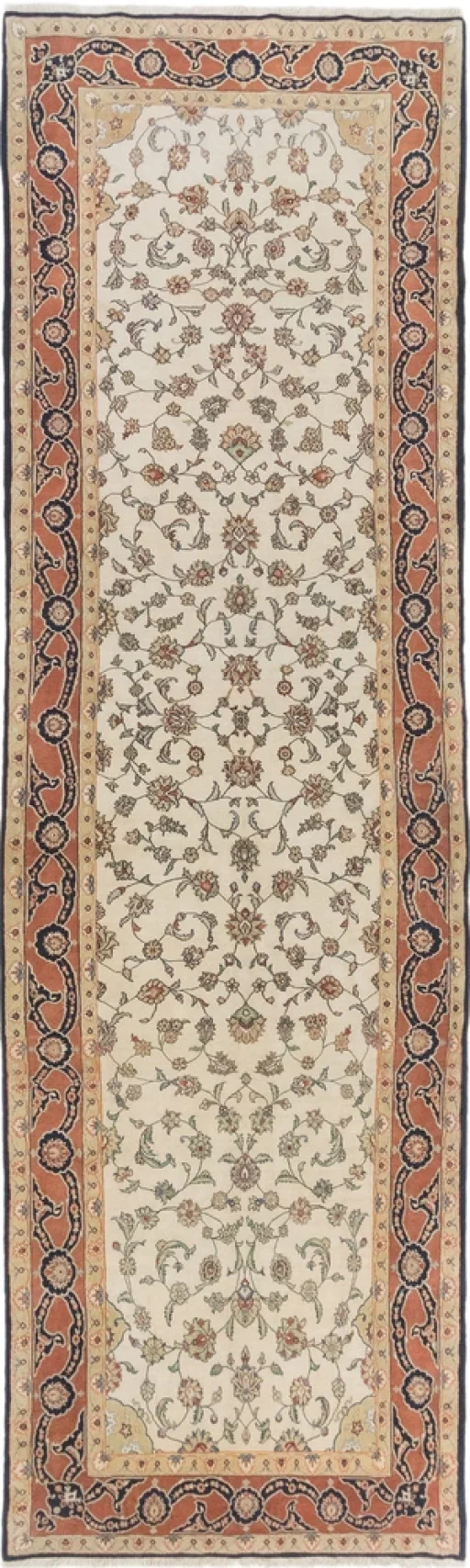

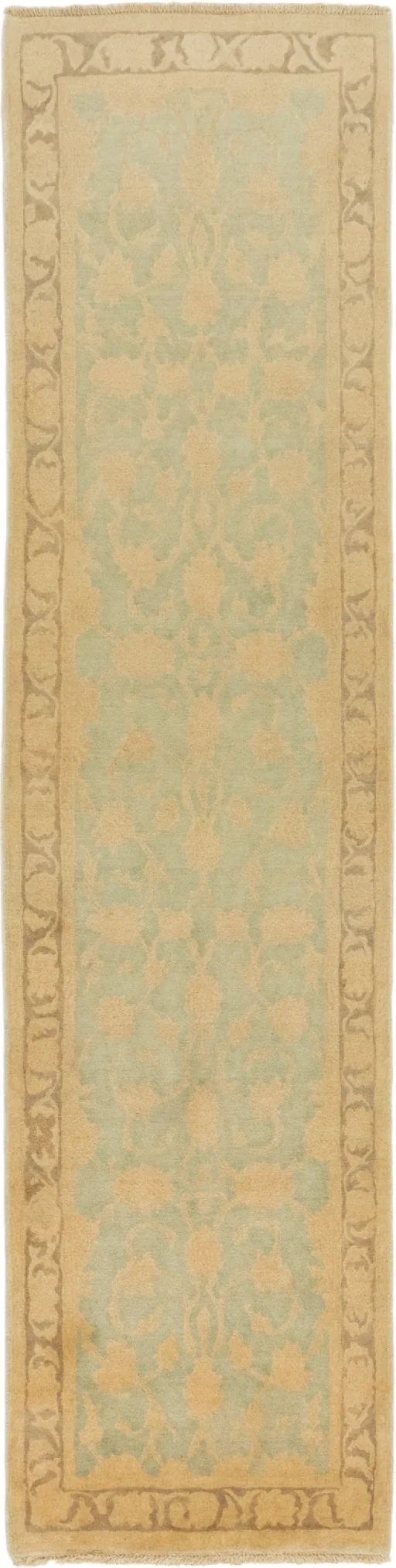
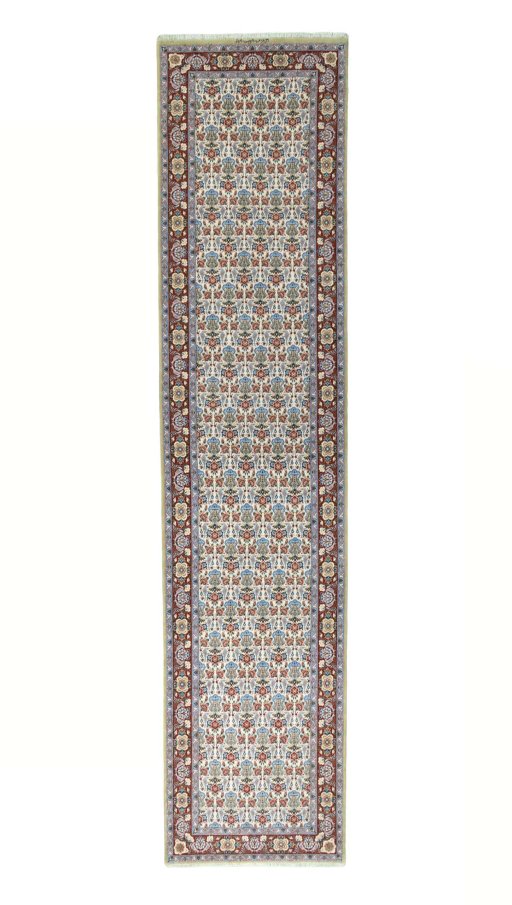
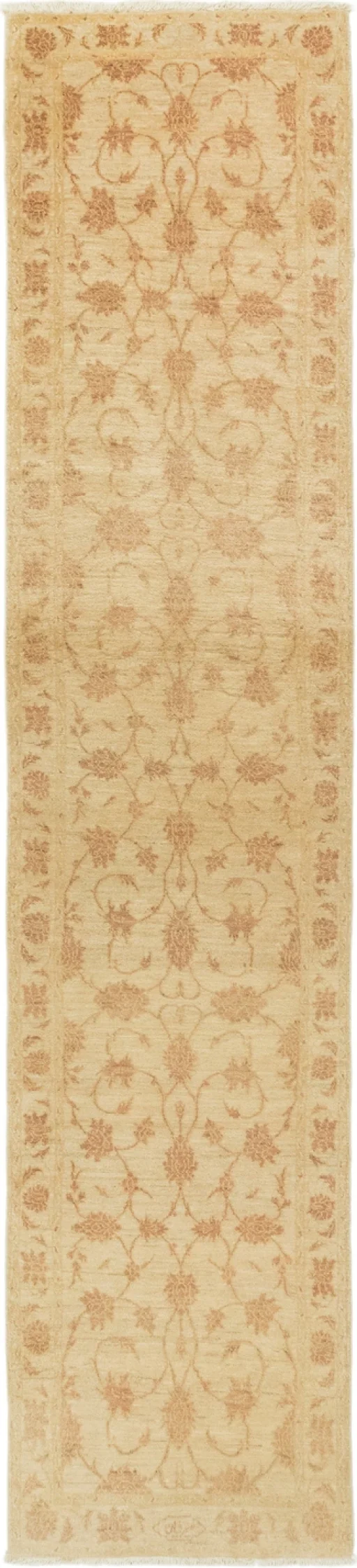
For centuries, Isfahan has been regarded as one of the most important cultural centers of Persia. During the Safavid period in the 16th and 17th centuries, the city served as the capital of the Persian Empire and became a focal point for architecture, art, and craftsmanship. Palaces, mosques, and gardens shaped an aesthetic that is still reflected in the designs of Isfahan rugs today.
Carpet weaving in Isfahan is closely linked to this cultural flourishing. Isfahan rugs were created not merely as floor coverings but as representative works of art, finding their place in palaces, religious buildings, and affluent households.
Carpet weaving in Isfahan is closely linked to this cultural flourishing. Isfahan rugs were created not merely as floor coverings but as representative works of art, finding their place in palaces, religious buildings, and affluent households.