



The weaving regions of the Orient
Where does a rug come from, and how can you recognise it? In the Rug Atlas we present the most important weaving regions: Iran, Turkey, the Caucasus, Central Asia and China, as well as Egypt, North Africa, India, Pakistan, Spain and Europe. Get to know the people, patterns, colours and history of each region. Guides, a glossary and calculators explain how a rug is made and what to look for when buying.
🧶Guide: how a Persian rug is madeKnots, knot density, materials, with drawings and a calculatorRead →📚Rug Glossary349 terms from Abrash to ZieglerOpen →🧹Guide: buying, care and datingEffect in the room, checking quality, care, age and date calculatorRead →Iran
15 regions · Carpet JourneyPersian rugs from cities, villages and nomad tents. You can also visit every region on the flying carpet.
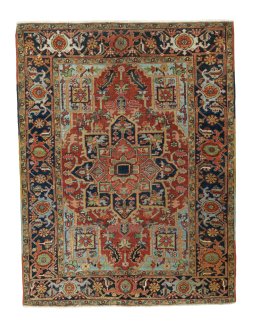
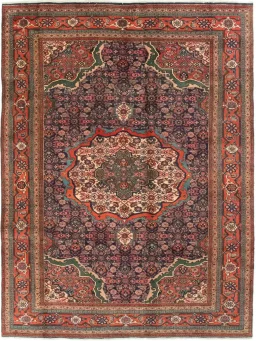
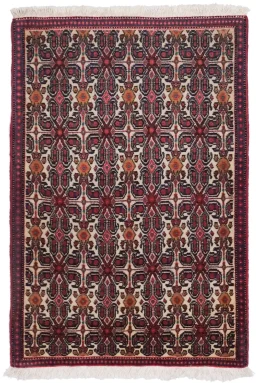
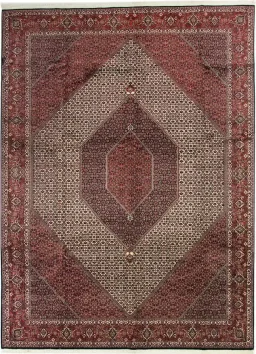
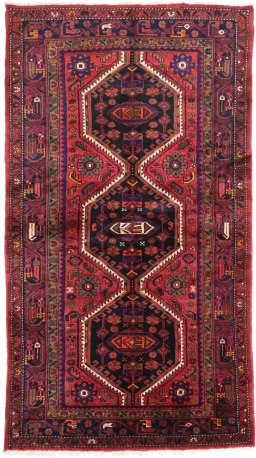
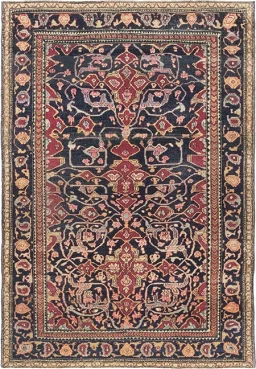
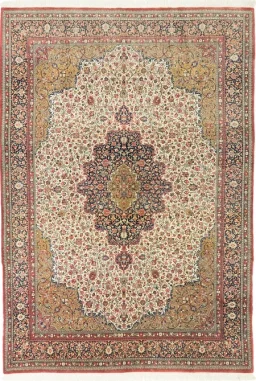
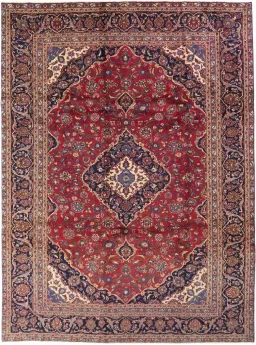
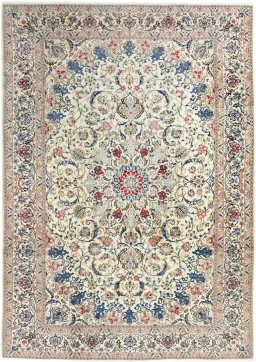
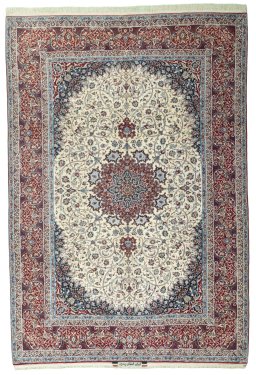
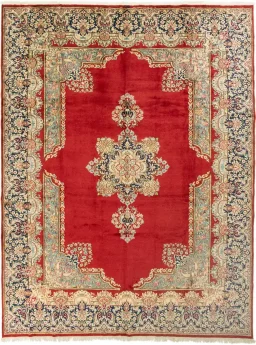
All of Iran's provinces and their rugs at a glance, from the northwest around Tabriz through the cities of the centre to the nomads of the Zagros and the Turkmen in the northeast.
Read now →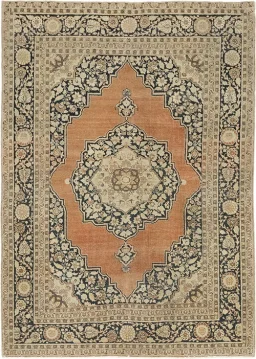 Read now
 Read now
 Read now
 Read now
 Read now
 Read now
 Read now
 Read now
 Read now
 Read now
 Read now
 Read now
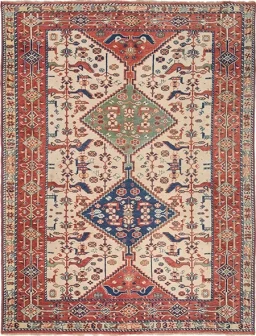 Read now
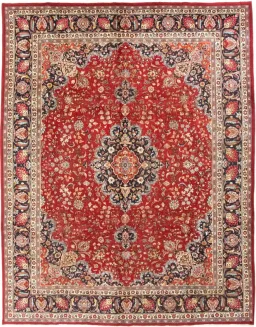 Read now
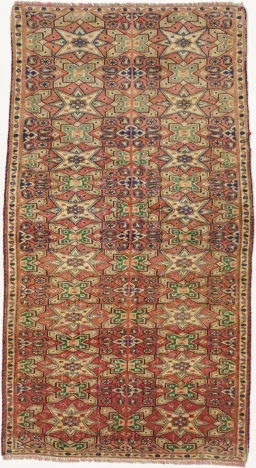 Read now
Turkey
AnatoliaThe oldest surviving knotted carpets, Holbein and Lotto carpets, Ushak and colourful prayer rugs.
Read now →Caucasus
Azerbaijan, Armenia, DagestanFrom the dragon carpet to the Kazak: powerful, glowing rugs with large geometric motifs, animals and people.
Read now →Turkmen and Central Asia
Turkmenistan, northern Iran, AfghanistanDeep red nomadic rugs whose guls work like tribal coats of arms.
Read now →China
Ninghsia, Kansu, PekingRugs like pictures, with few colours, dragons, clouds and auspicious symbols.
Read now →Other countries
Egypt, North Africa, India, Pakistan, SpainMamluk and Cairene carpets, Mughal carpets from India, Berber rugs from Morocco and the first knotted carpets of Europe.
Read now →