
This cultural depth is still visible in many kelims today, making each piece an authentic expression of traditional craftsmanship.
Kilim Traditional
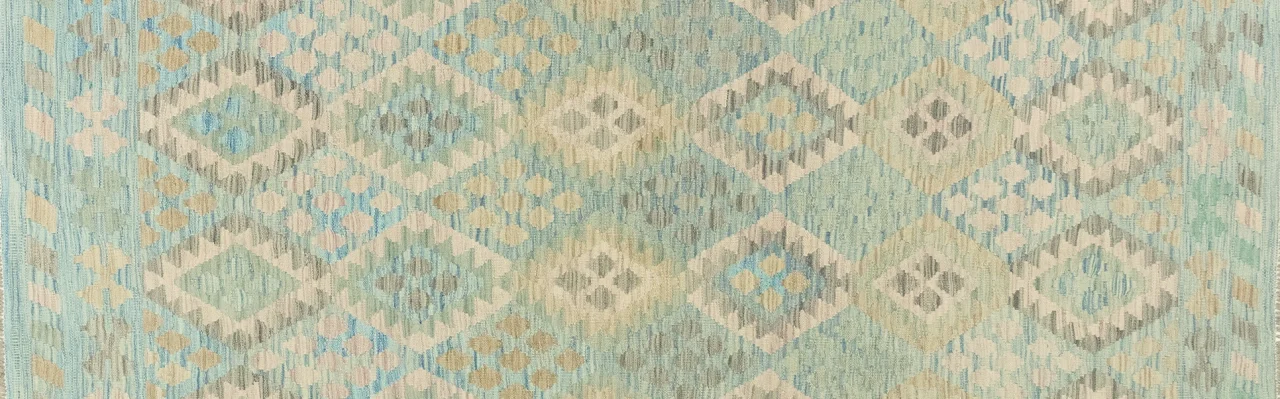
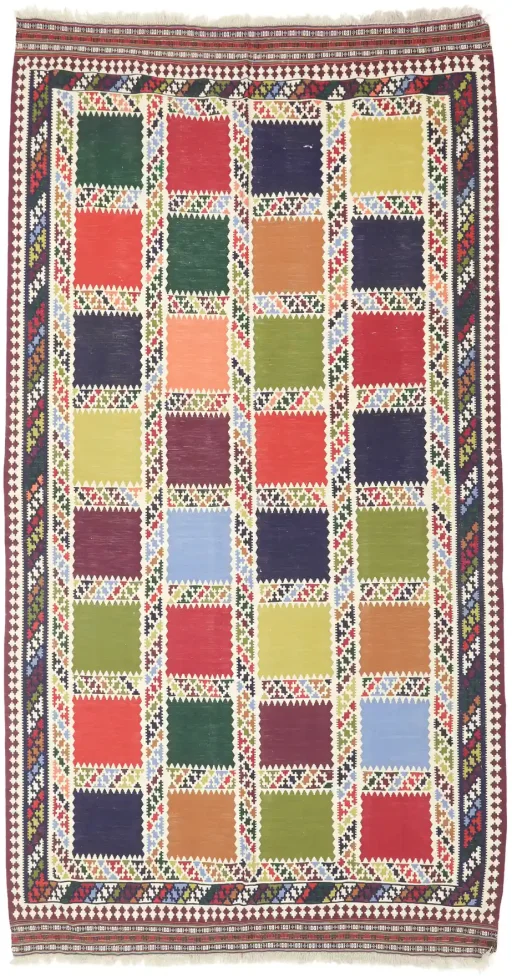
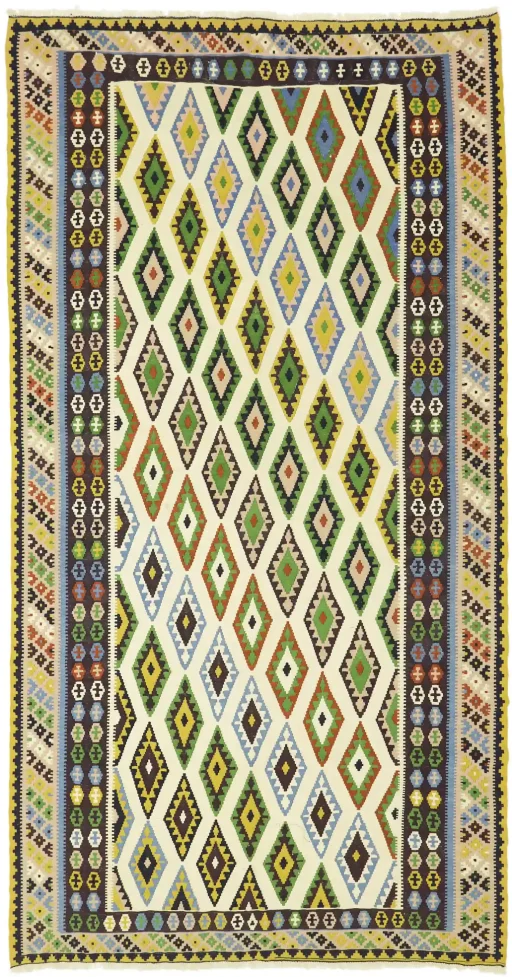
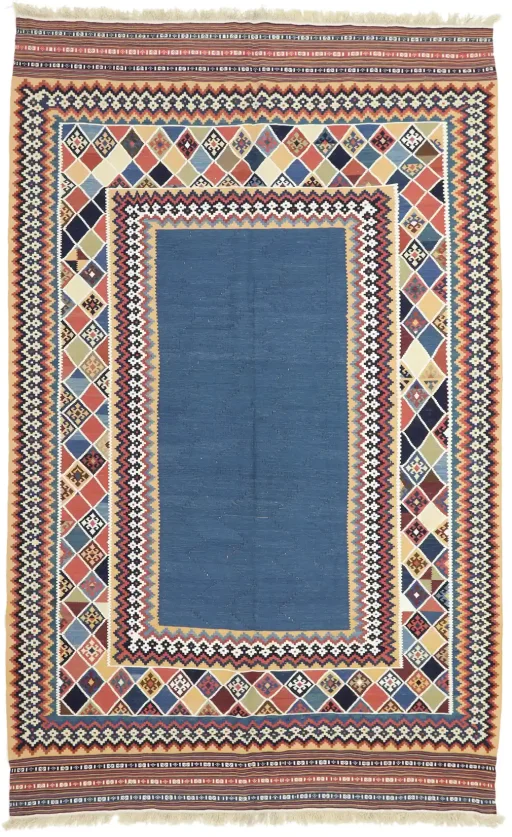
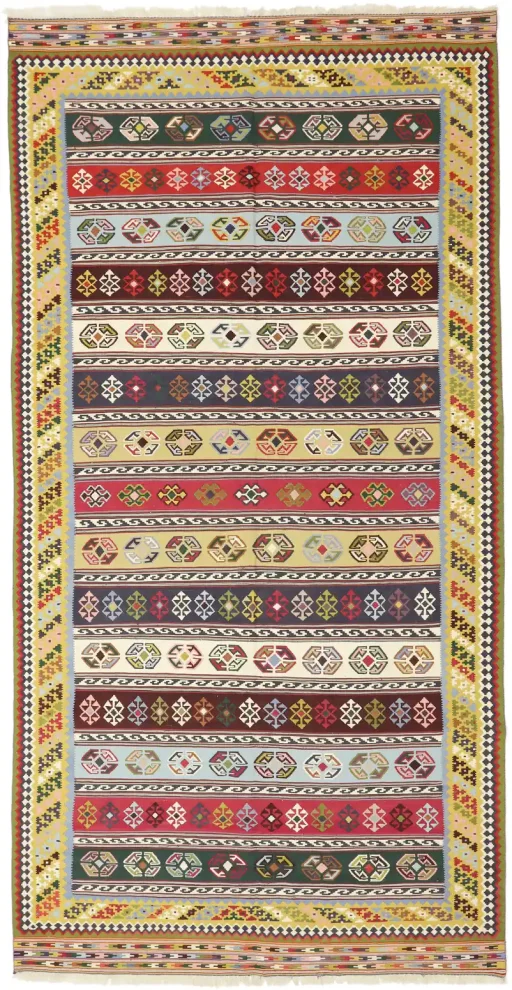
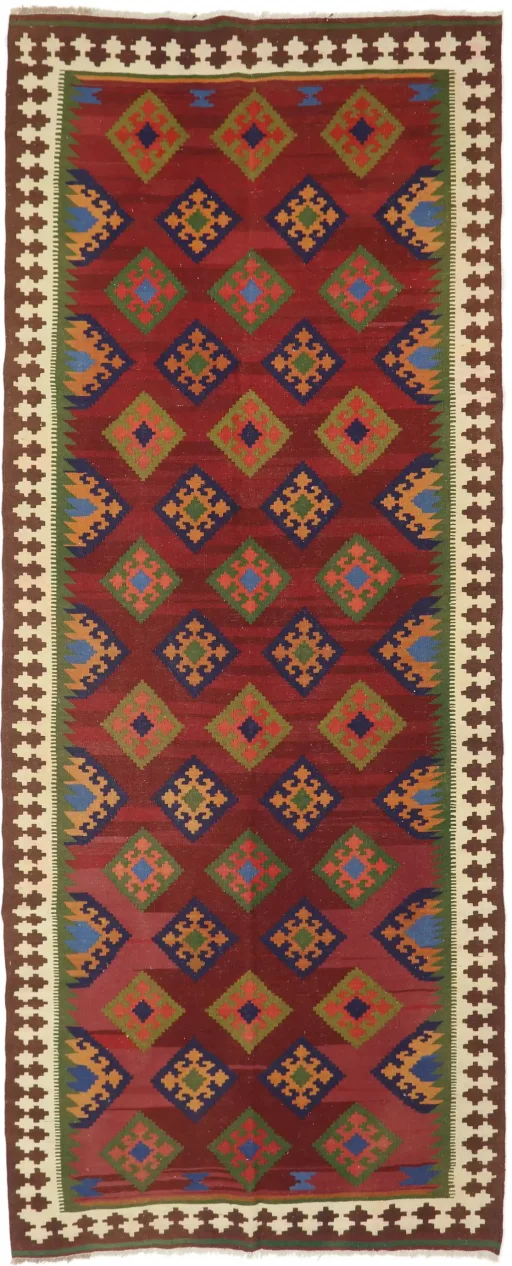
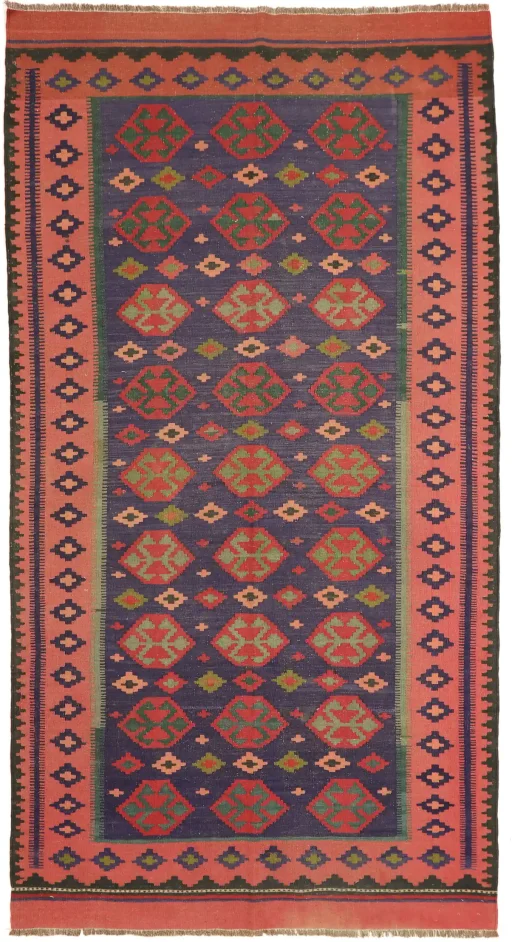
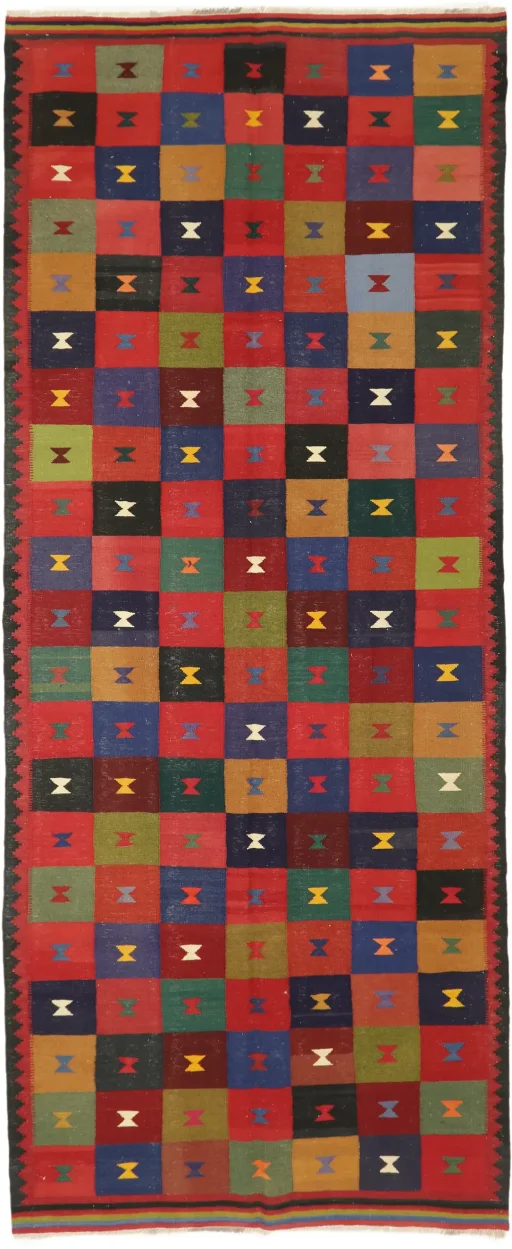
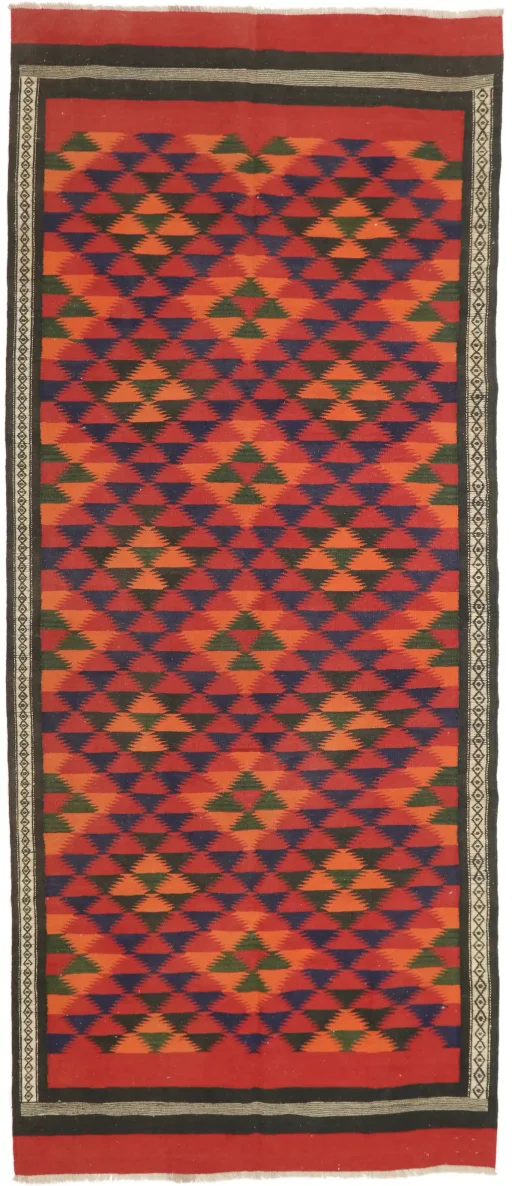
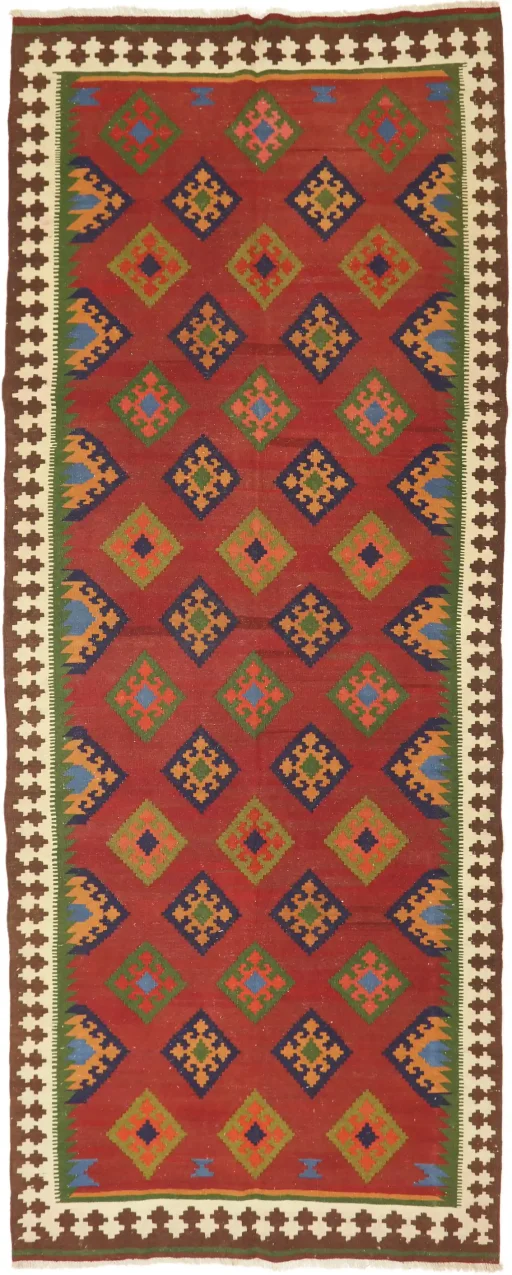
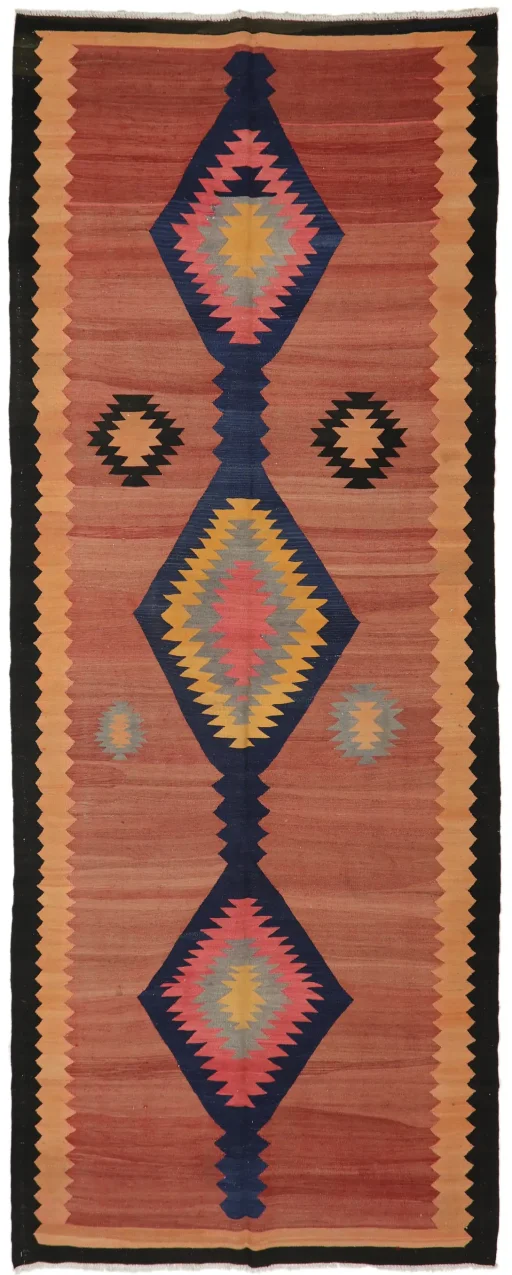
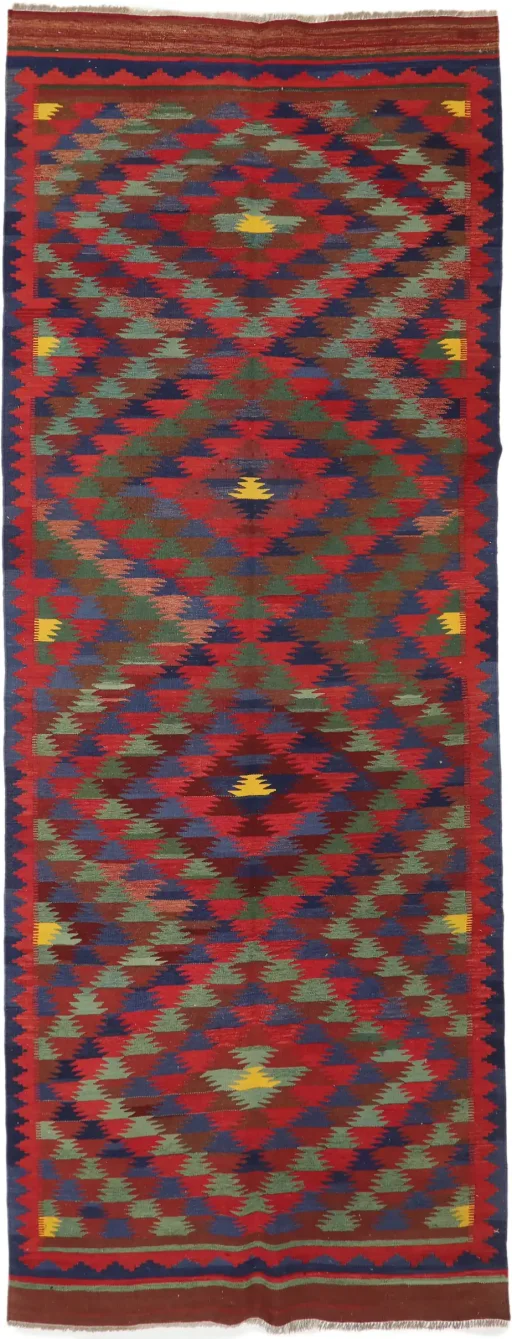
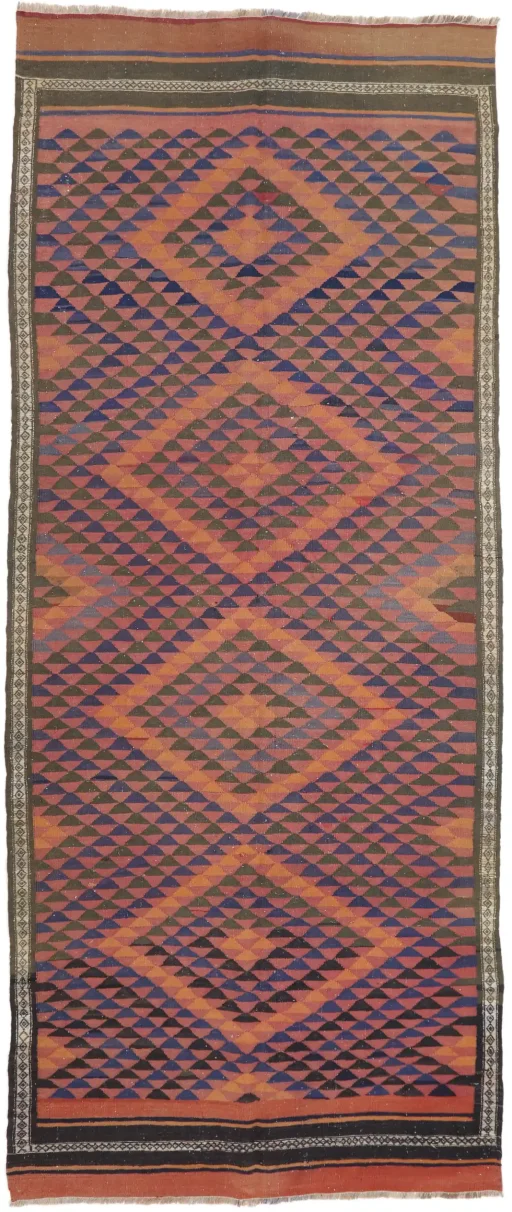
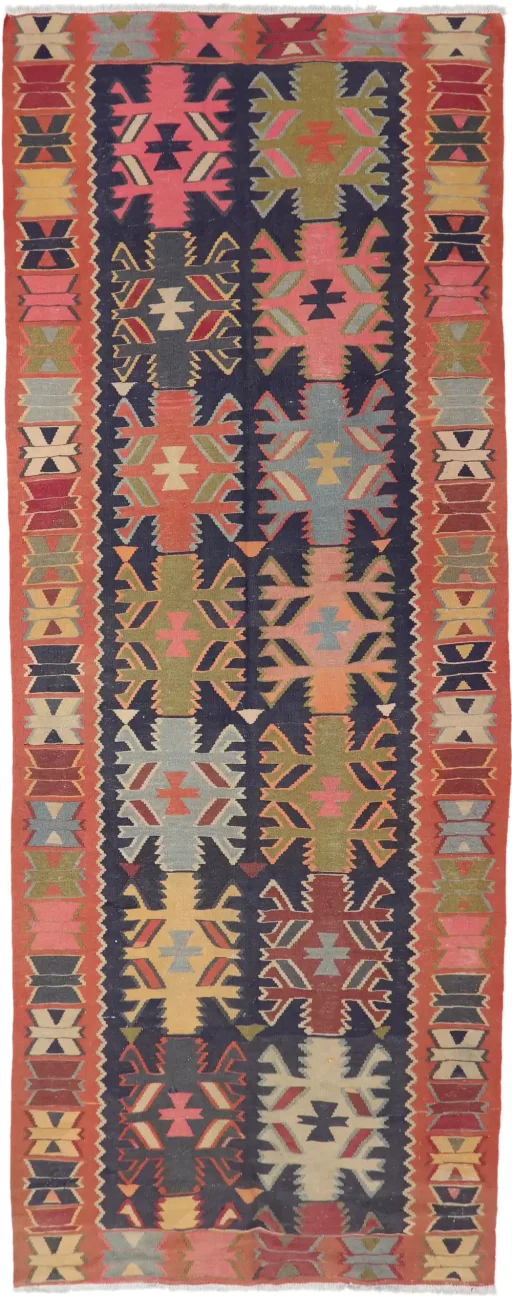
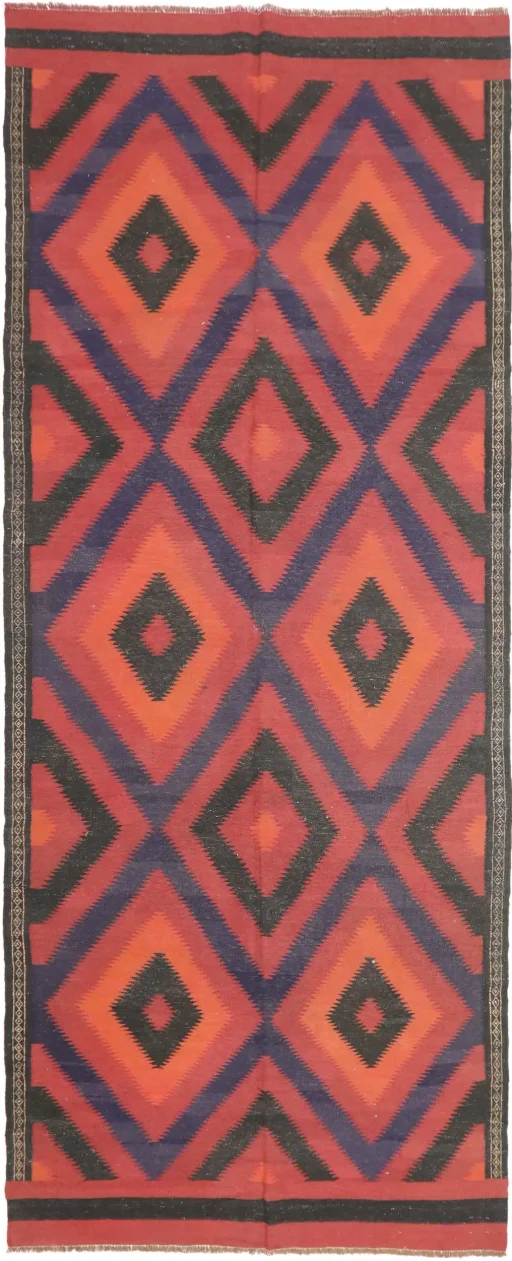
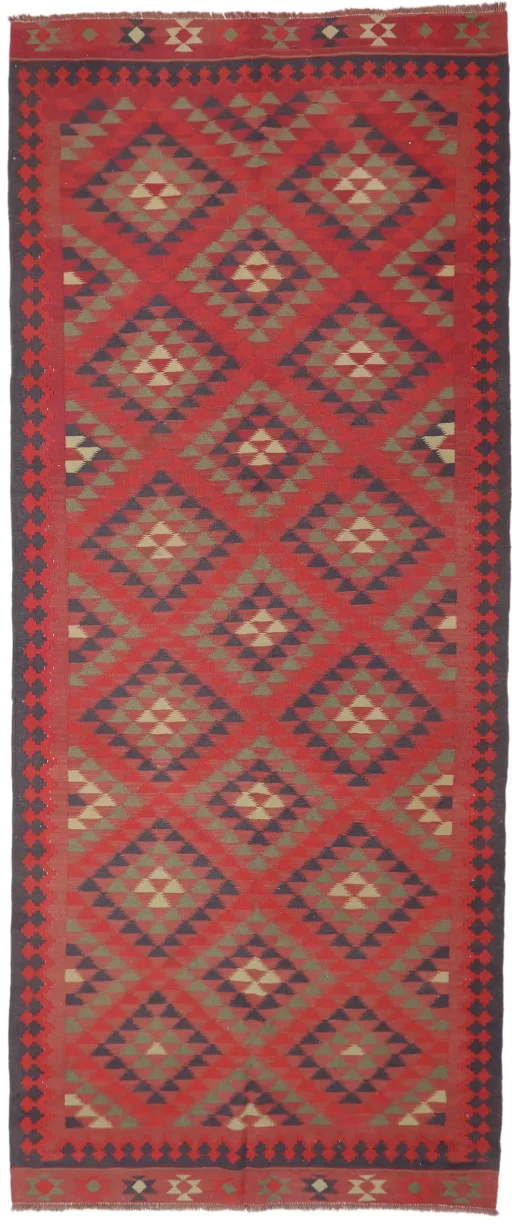
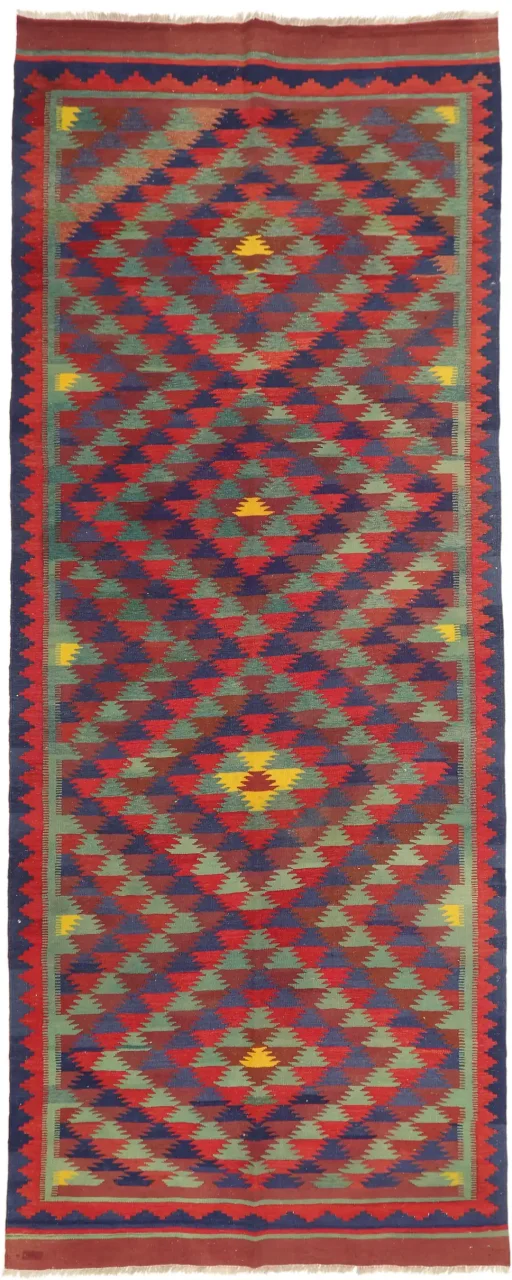
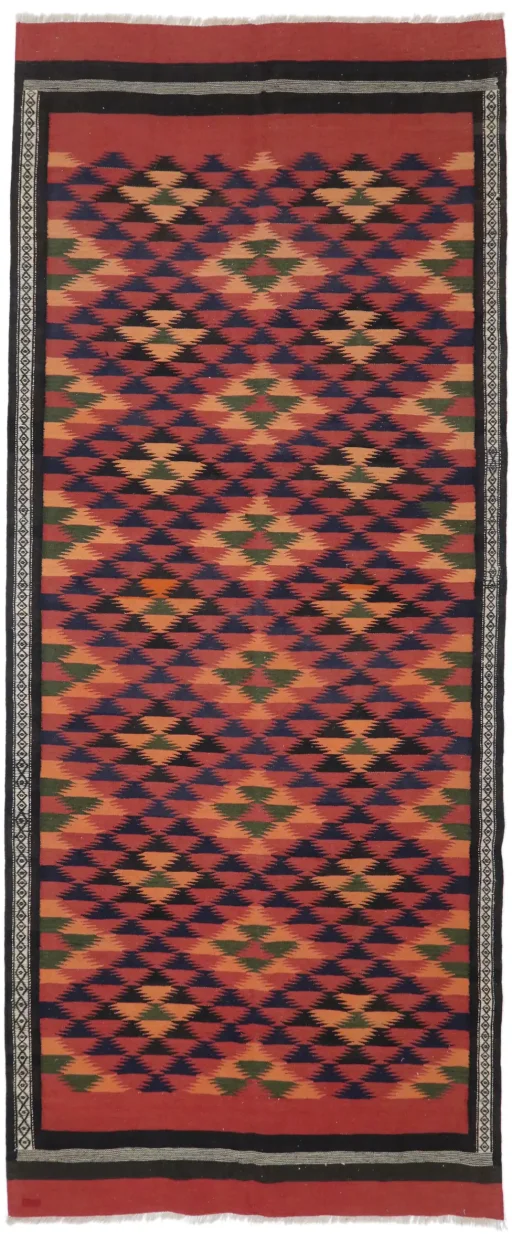
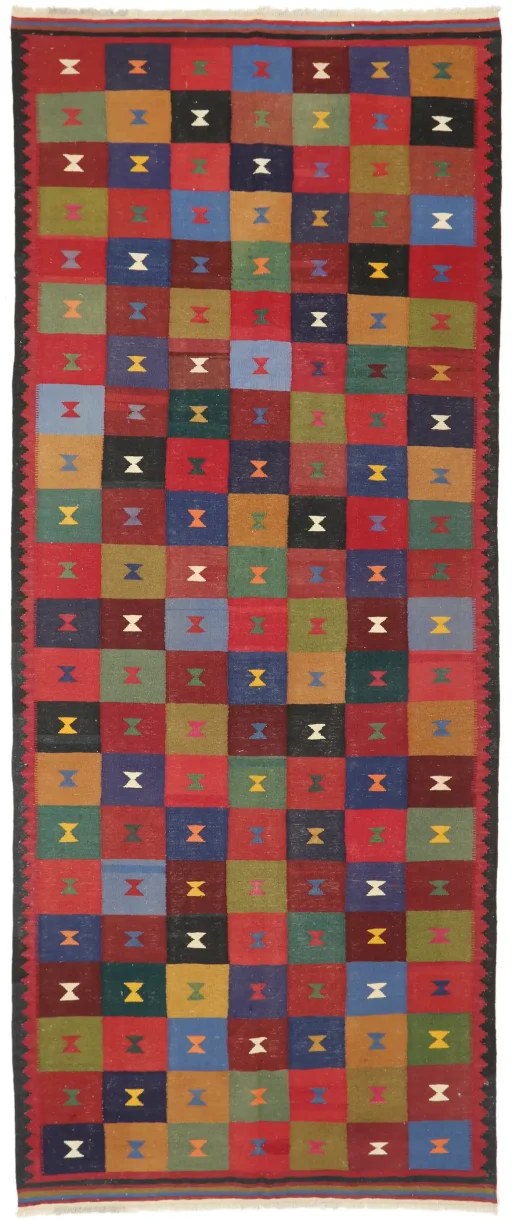
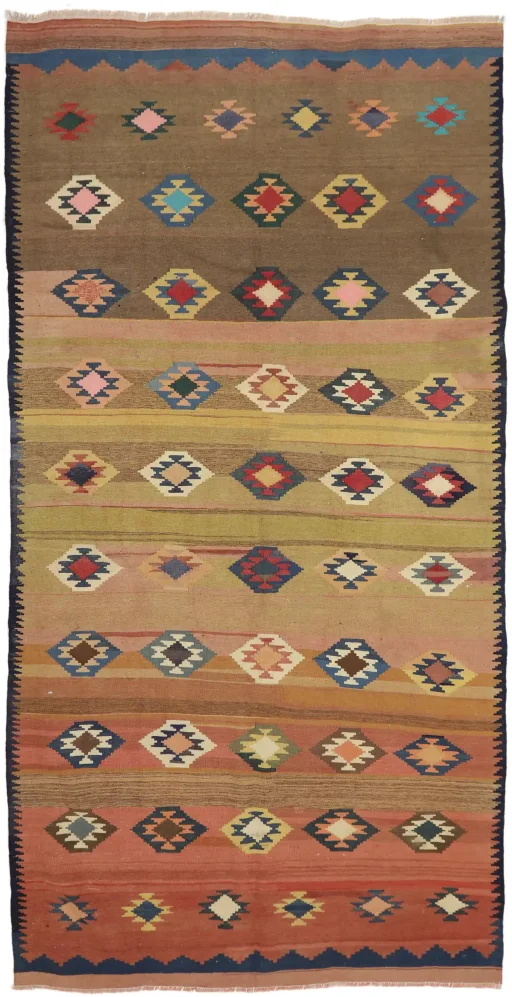
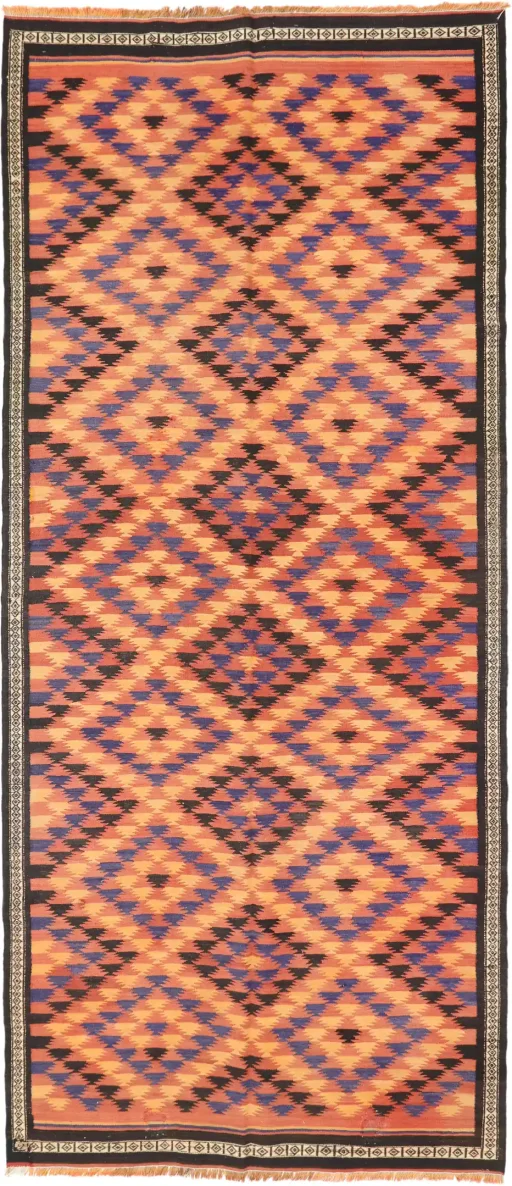
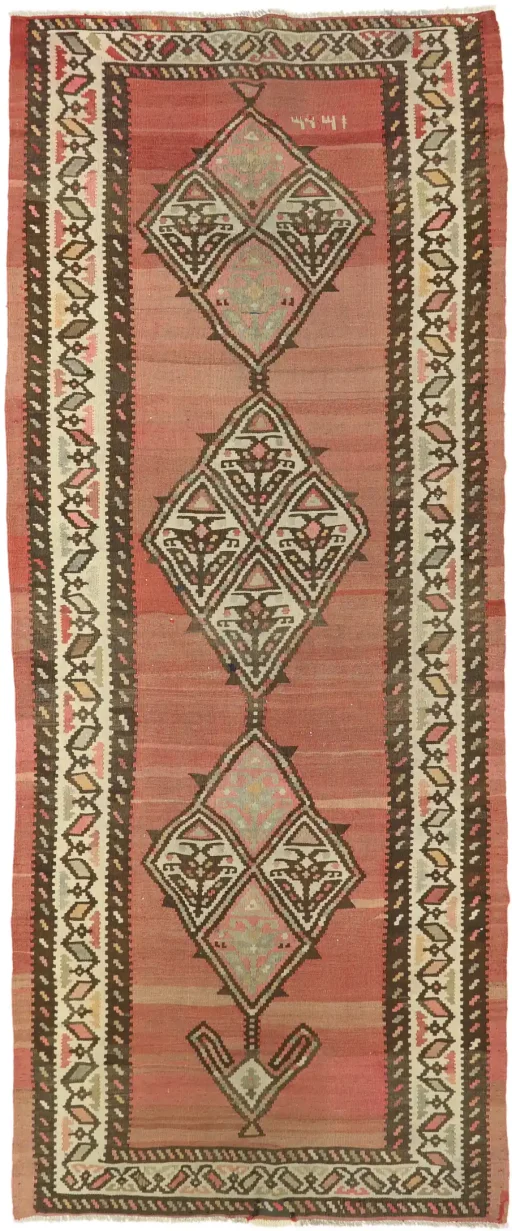
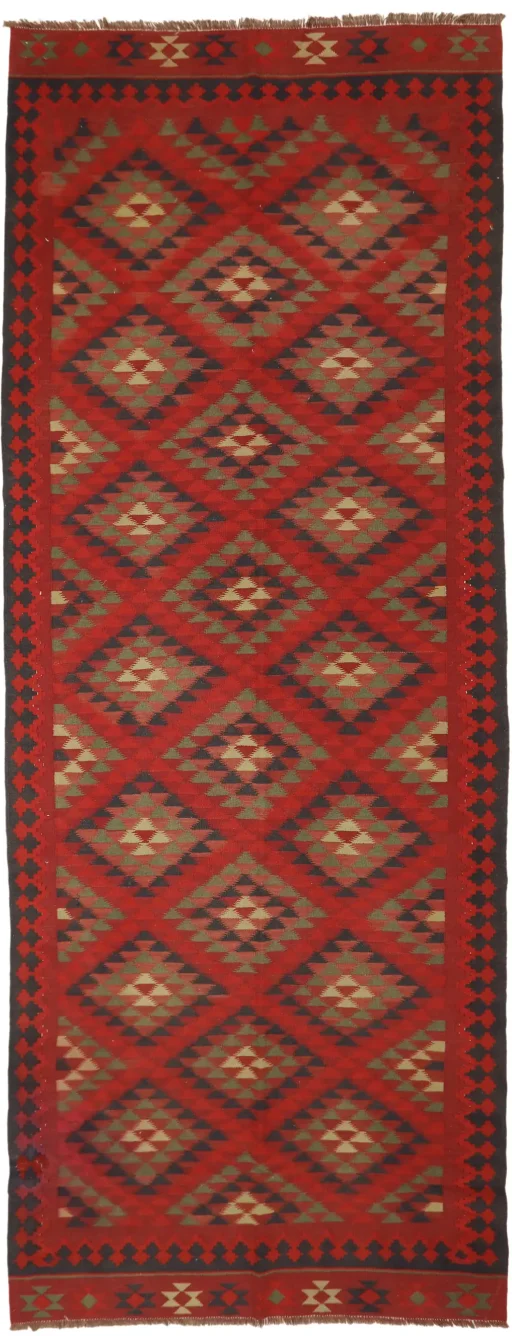
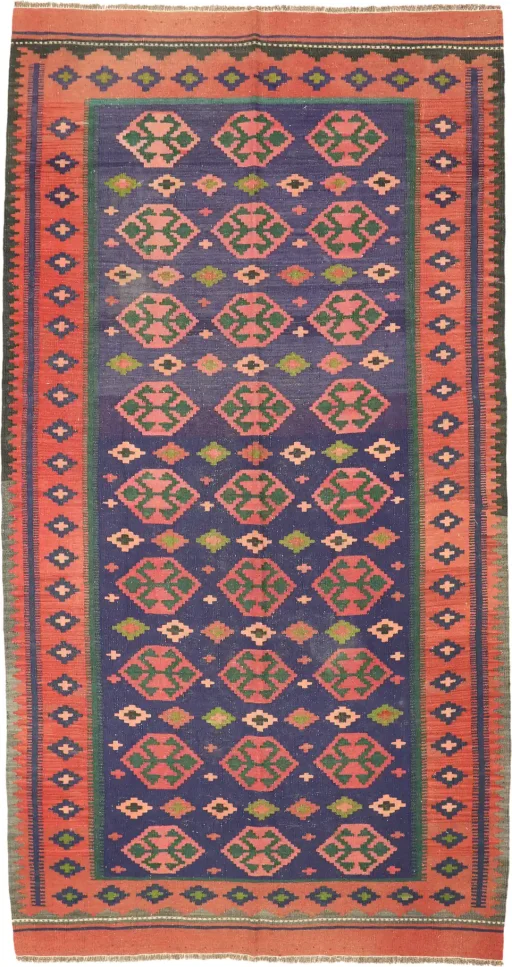
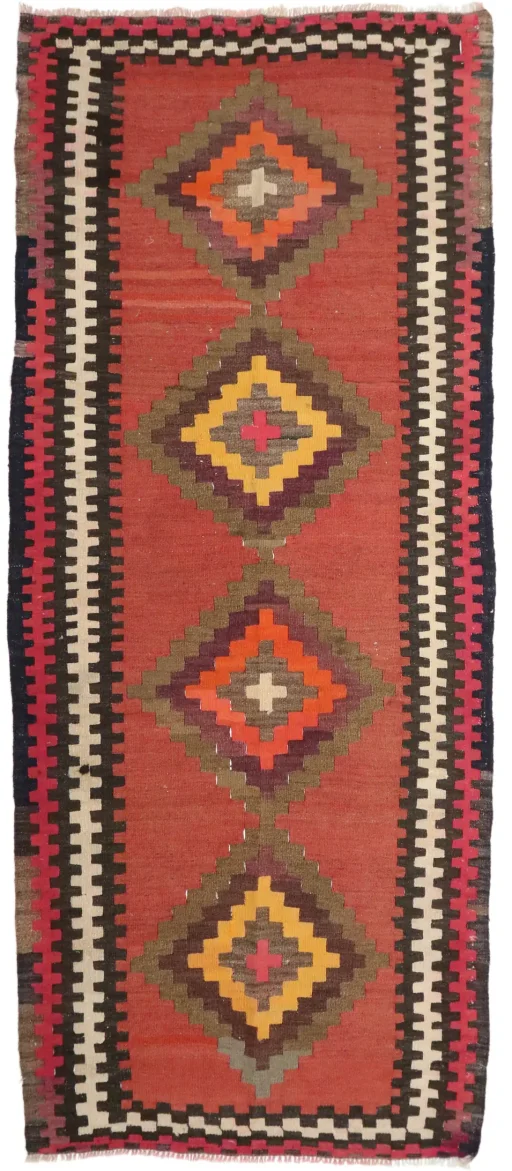
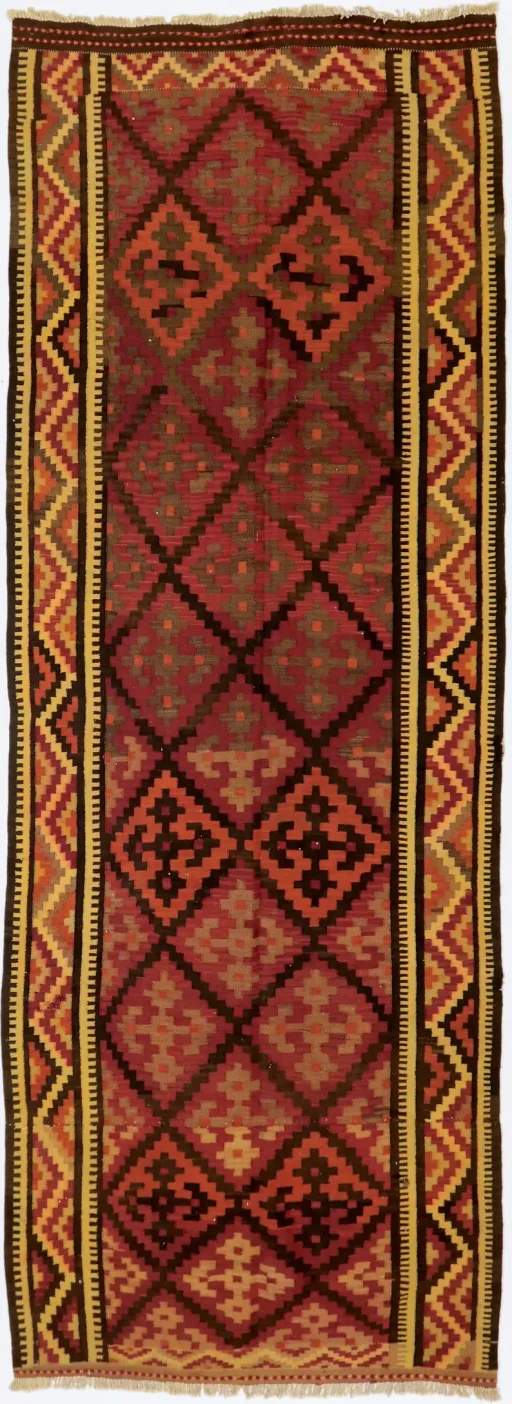
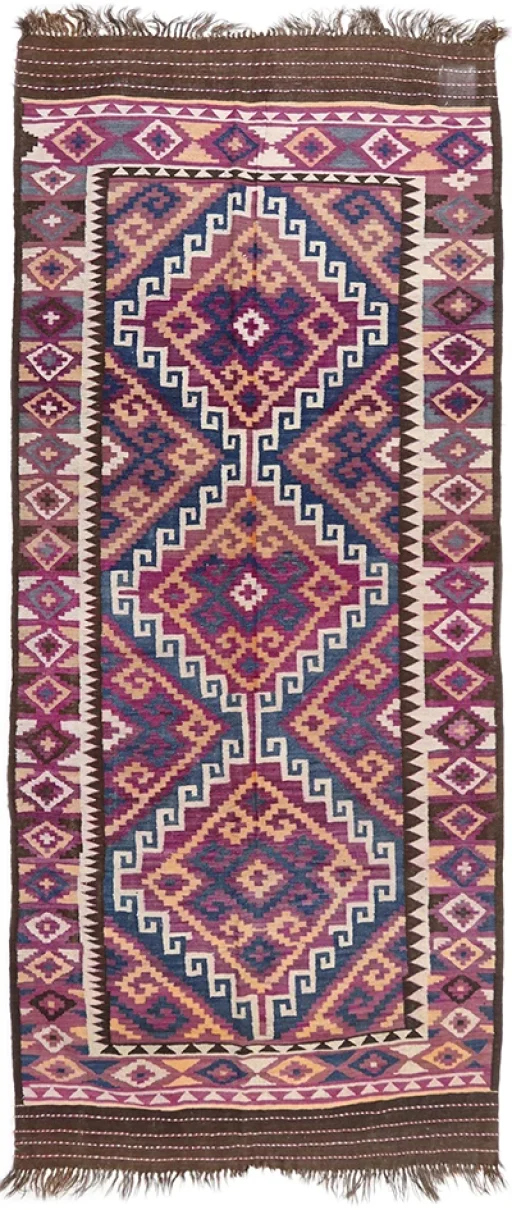
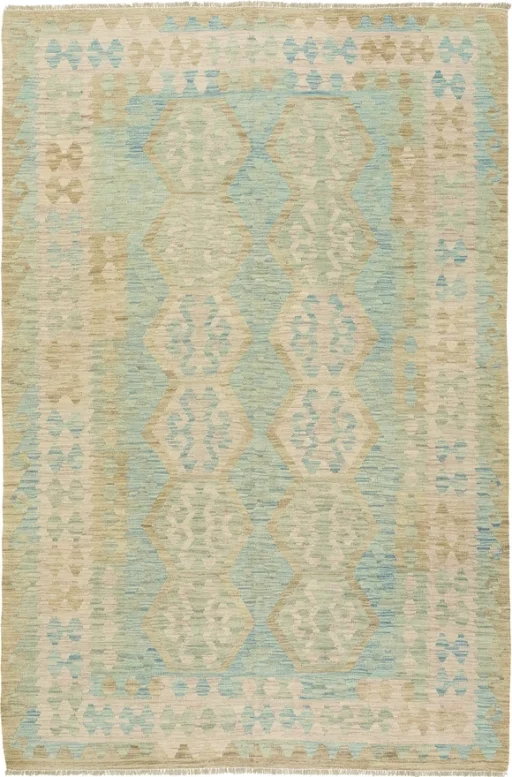
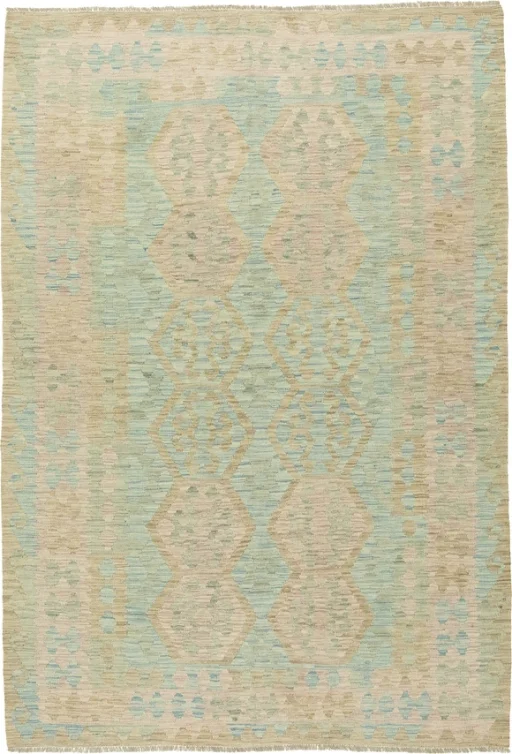
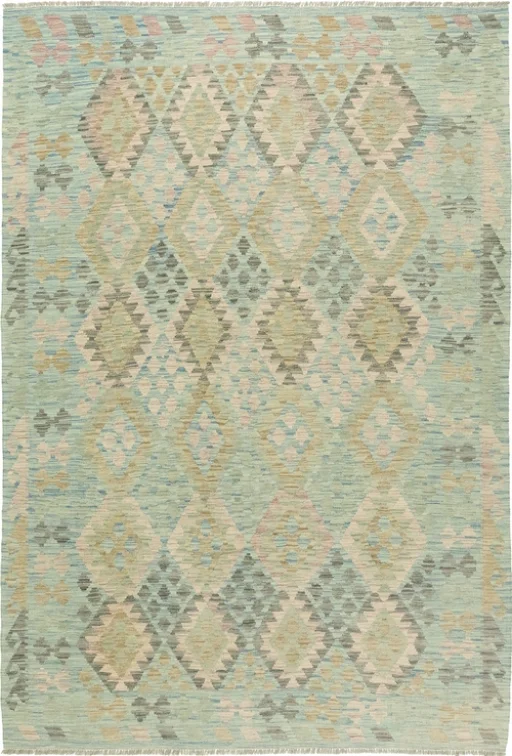
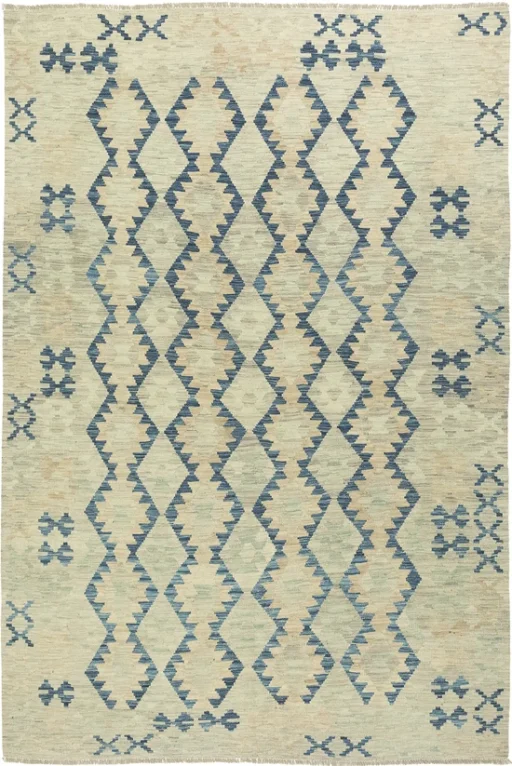
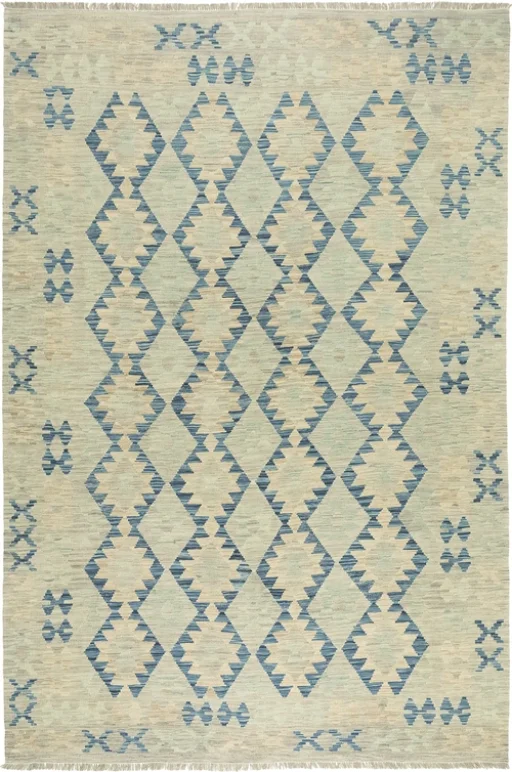
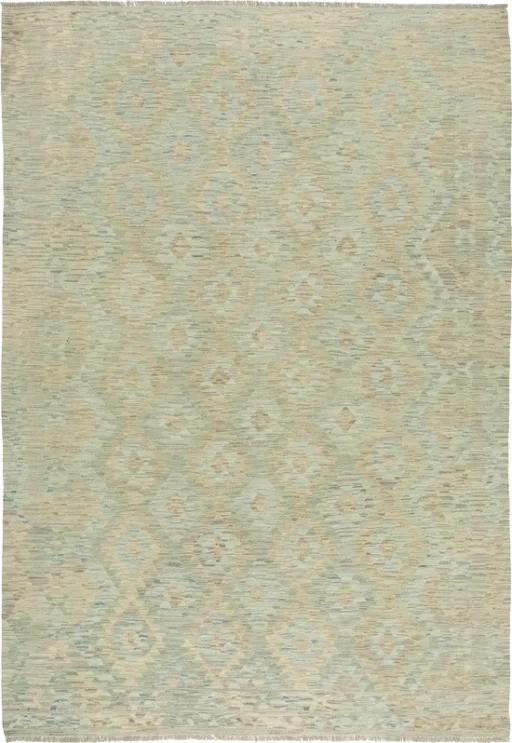
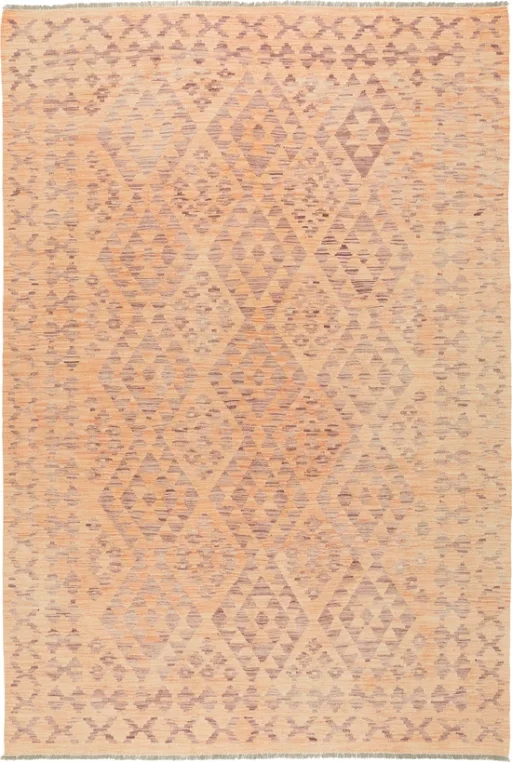
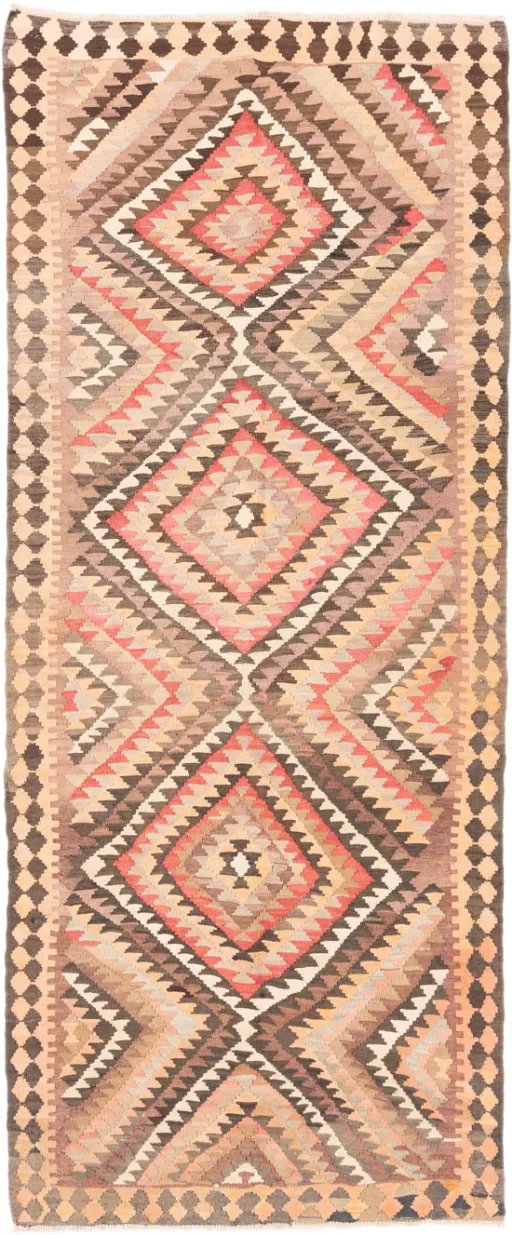
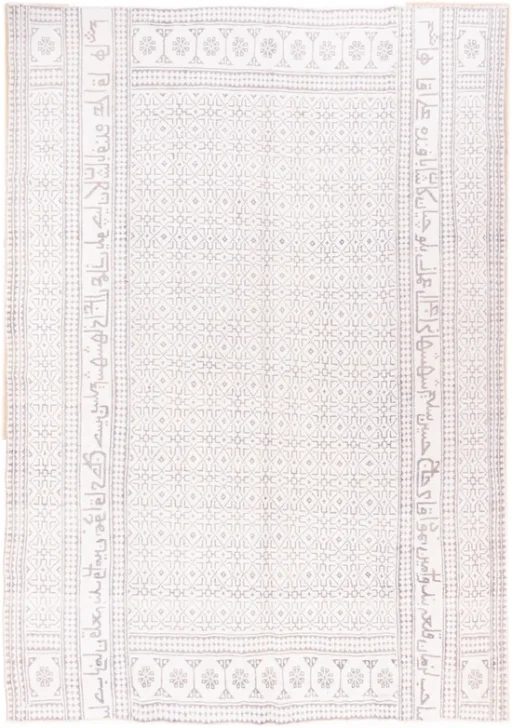
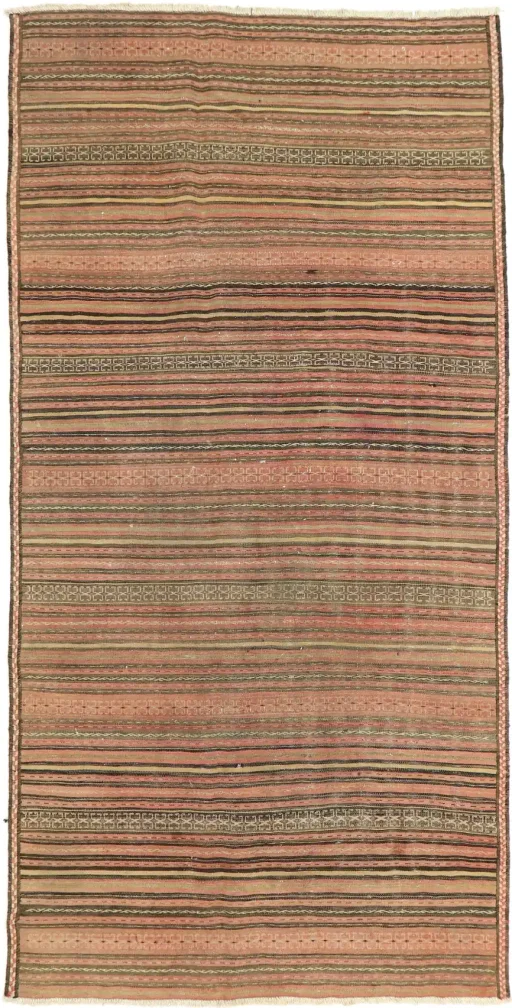
Kilim rugs come from regions across the Middle East, Central Asia and North Africa and are known for their flat weave and bold, expressive patterns. Made by interlacing wool or cotton without a pile, they have a light and flexible texture that suits many interiors. Their designs often feature vibrant geometric motifs that carry cultural meaning. A defining characteristic of Kelim rugs is their reversibility, as the pattern appears the same on both sides.
Kilim Traditional

Kilim Traditional

Kilim Traditional

Kilim Traditional

Kilim Traditional

Kilim Traditional

Kilim Traditional

Kilim Traditional

Kilim Traditional

Kilim Traditional

Kilim Traditional

Kilim Traditional

Kilim Traditional

Kilim Traditional Semi Antique

Kilim Traditional

Kilim Traditional

Kilim Traditional

Kilim Traditional

Kilim Traditional

Kilim Traditional

Kilim Traditional

Kilim Traditional

Kilim Traditional

Kilim Traditional

Kilim Traditional Old

Kilim Traditional Old

Kilim Traditional

Kilim Traditional

Kilim Traditional

Kilim Traditional

Kilim Traditional

Kilim Traditional

Kilim Traditional

Kilim Traditional

Kilim Traditional Old

Kilim Traditional Old

Kilim Traditional Antique
Kelim Rugs: Handwoven Flatweaves with Timeless Character
Traditional Flatwoven Rugs from Nomadic Weaving Cultures
This cultural depth is still visible in many kelims today, making each piece an authentic expression of traditional craftsmanship.
Flatweave Construction Instead of Knotting
Subtle irregularities, slight asymmetries, and natural color variations are typical characteristics of genuine handwoven kelims and are appreciated as signs of authentic craftsmanship.
Kelim designs are defined by clear geometric forms such as diamonds, stripes, zigzag lines, and stylized symbols. Pattern density and composition vary depending on the region of origin.
Well-known styles include:
Afghan kelims with bold colors and strong geometric motifs
Persian kelims featuring diverse patterns and vibrant color combinations
Anatolian kelims with large-scale, often horizontally structured designs
Alongside traditional pieces, contemporary interpretations reinterpret classic motifs in a more restrained or modern way.
This makes them particularly suitable for contemporary interiors, minimalist concepts, or as a contrasting element in clean, modern rooms.
Minor irregularities in pattern or shape are not flaws but indicators of handcrafted production.


