



INTRO
Hand-knotted with character: rugs from tent and village
Village rugs are a little more regular, but share the same down-to-earth character. Both are right for you if you are looking for a durable rug with a story that brings warmth to a room.
Black Week · 20% off everythingAlready applied to all prices
Nomadic and village rugs are handwoven textiles shaped by daily life and regional tradition. They are made by tribal and rural weaving communities across Persia, Anatolia, and the Caucasus, often on simple ground looms. Their patterns are rarely pre-drawn, and the motifs are woven from memory, with symbols of protection, nature, family, and local identity. Typically made of handspun wool and colored with natural dyes, these rugs are known for strong geometry, open fields, and balanced but earthy palettes.
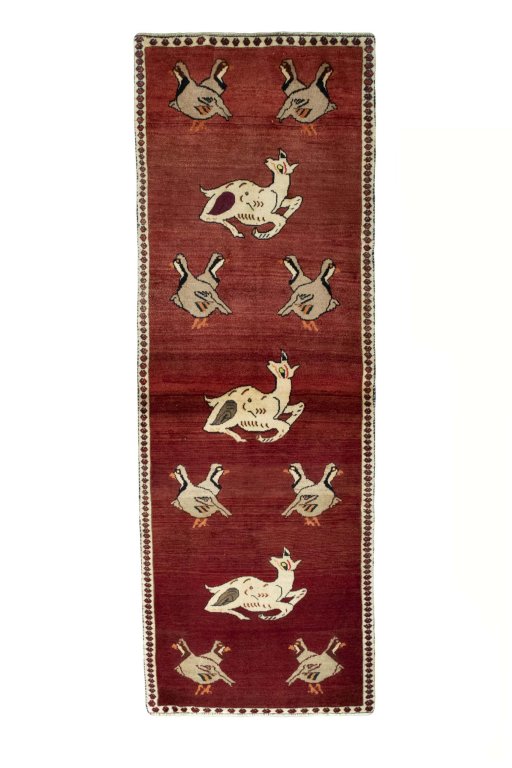
Shiraz
€672€840
232 × 82 cm
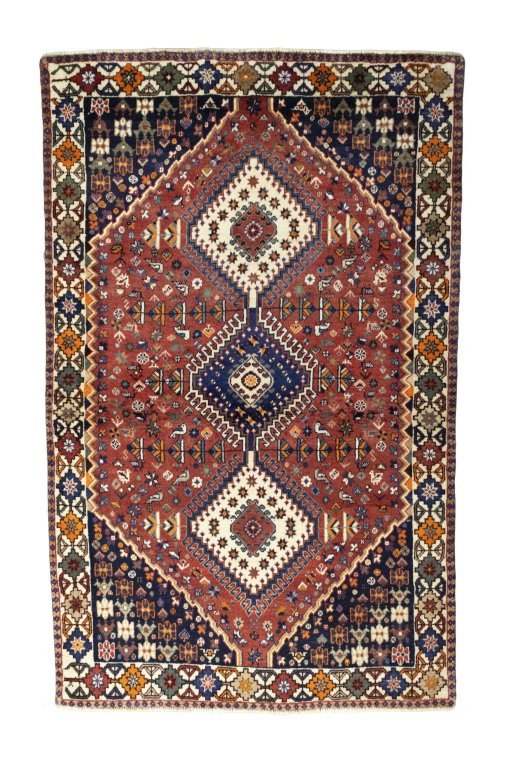
Shiraz
€710€888
190 × 118 cm
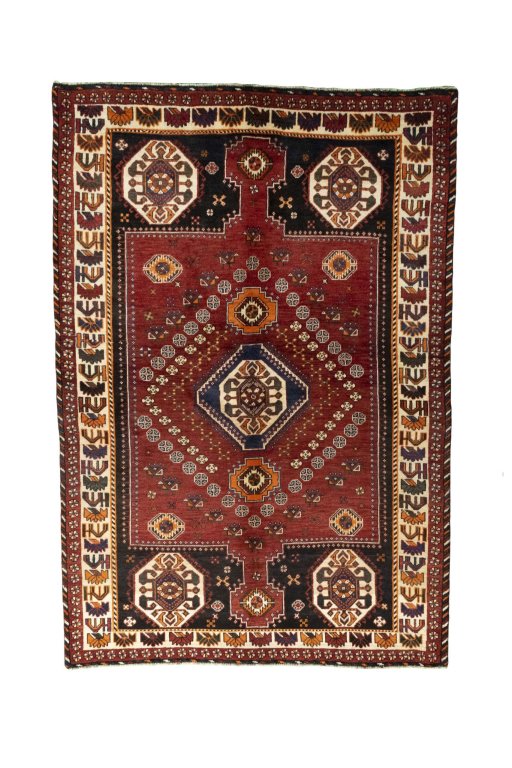
Shiraz
€1,094€1,368
234 × 161 cm
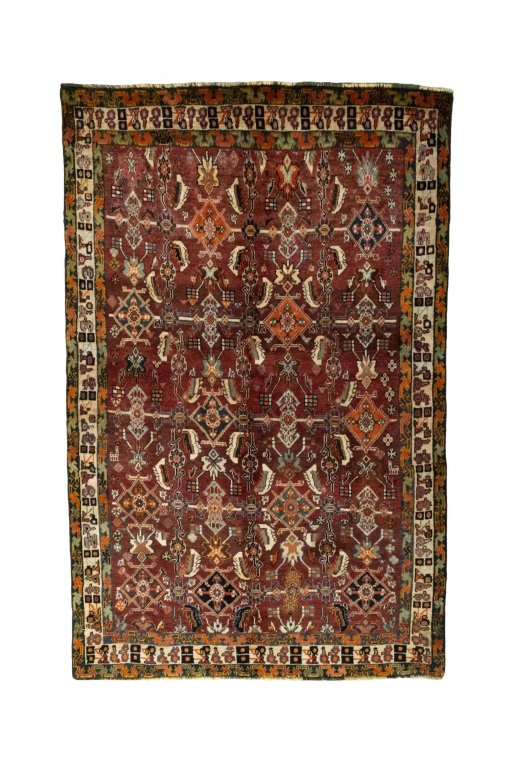
Shiraz
€960€1,200
228 × 145 cm
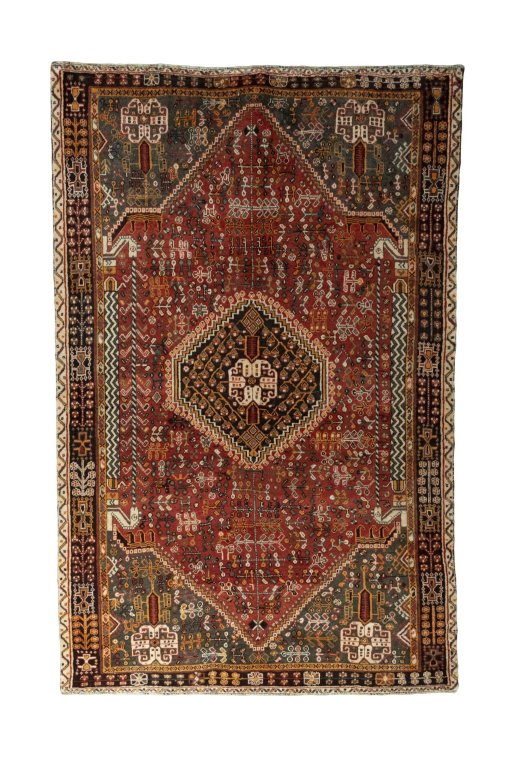
Shiraz
€768€960
245 × 155 cm
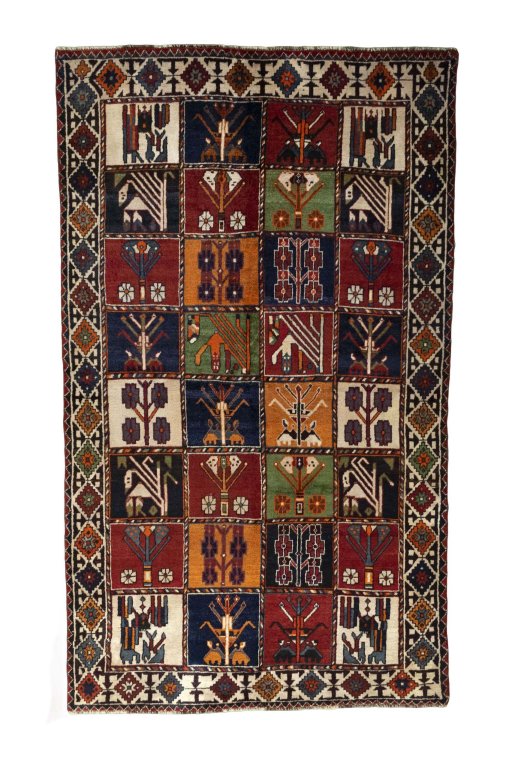
Shiraz
€922€1,152
255 × 150 cm
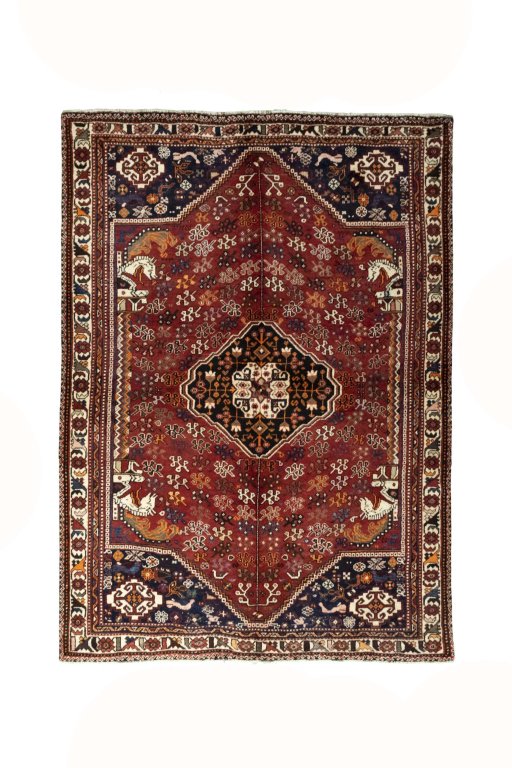
Shiraz
€1,152€1,440
252 × 181 cm
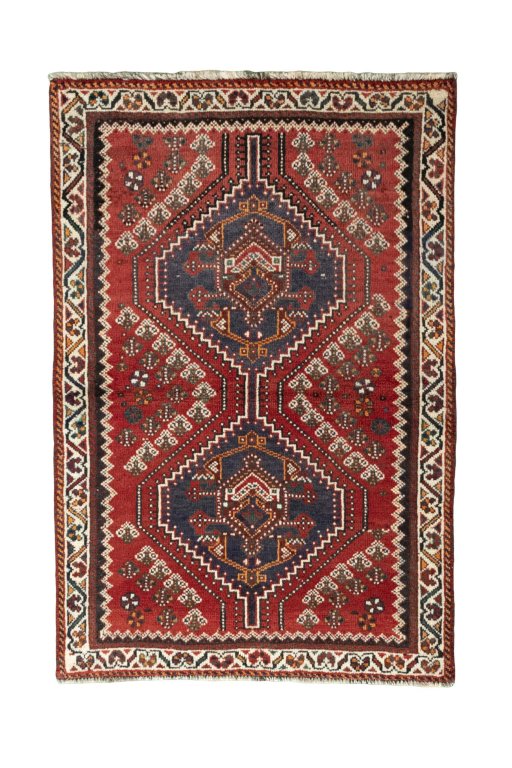
Shiraz
€384€480
145 × 98 cm
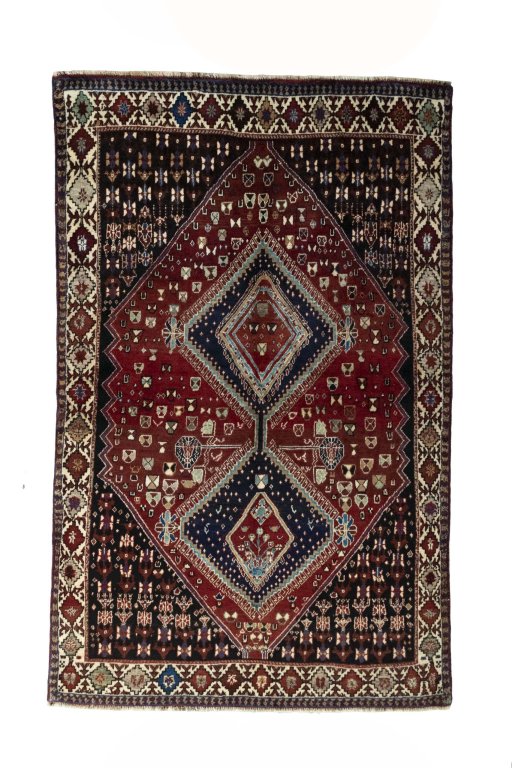
Shiraz
€768€960
238 × 150 cm
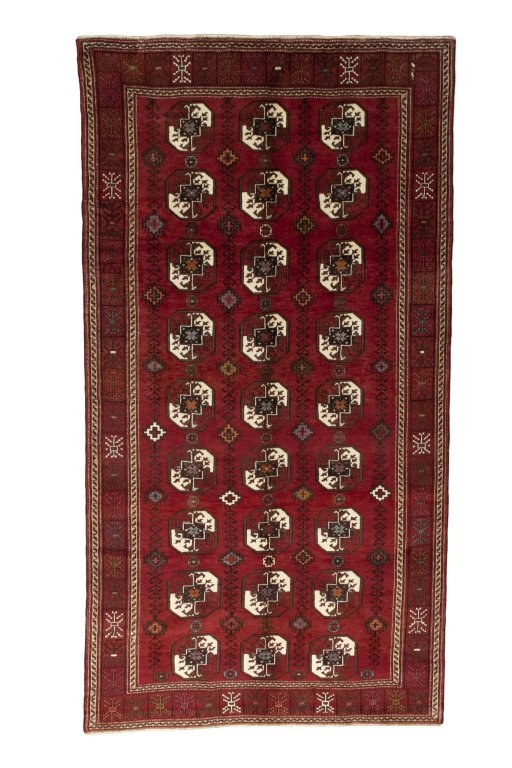
Baloch
€730€912
308 × 165 cm
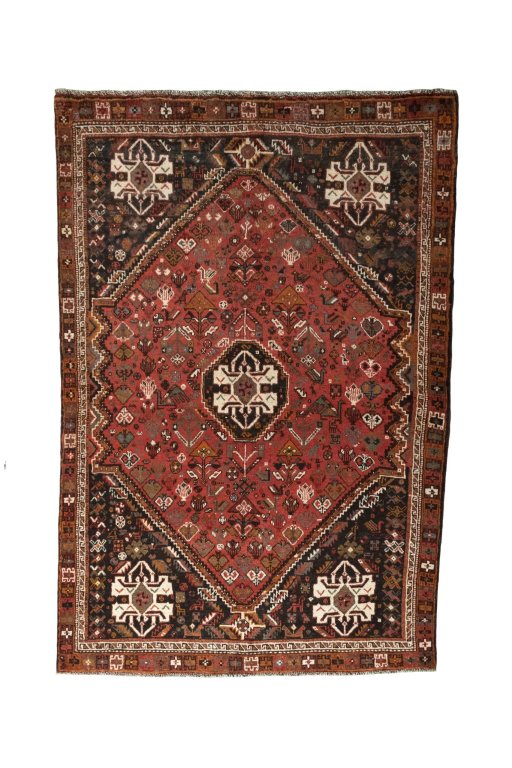
Shiraz
€864€1,080
241 × 163 cm
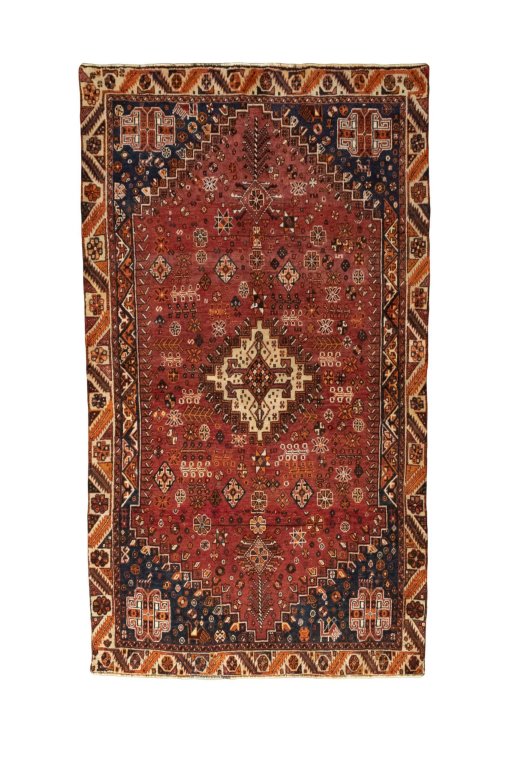
Shiraz
€1,056€1,320
260 × 144 cm
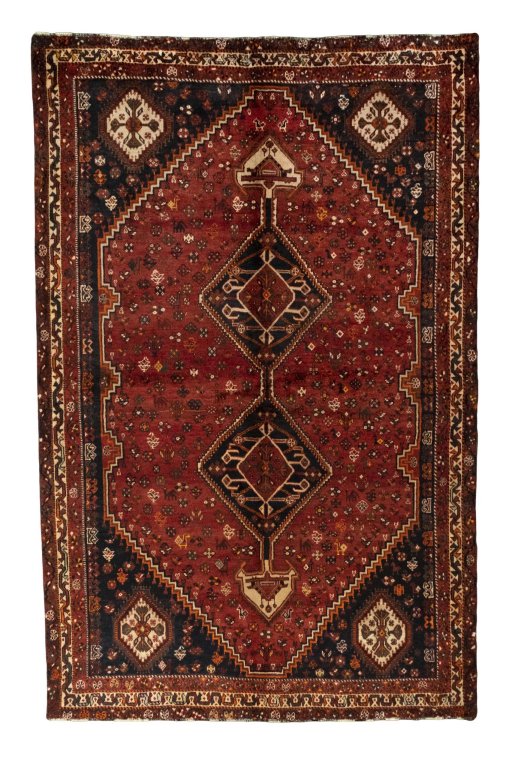
Shiraz
€1,344€1,680
278 × 186 cm
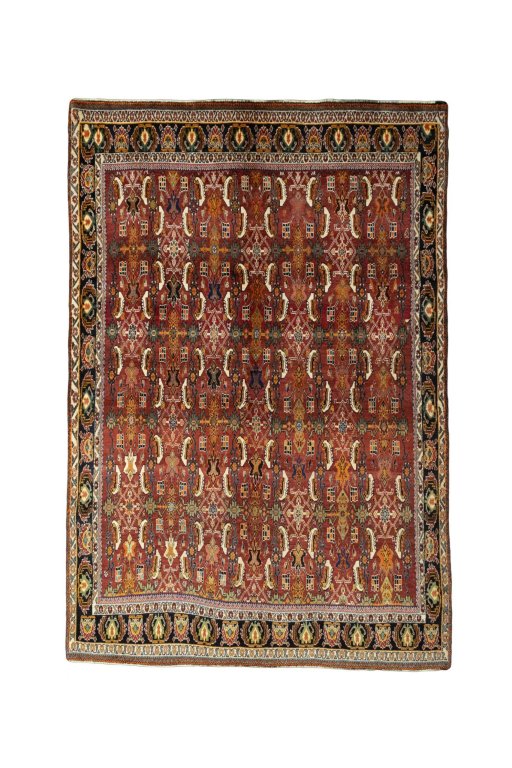
Shiraz
€1,536€1,920
293 × 200 cm
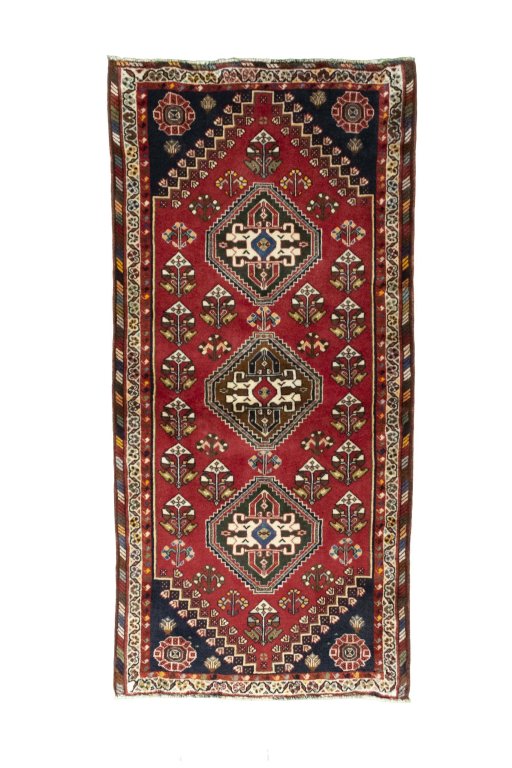
Shiraz
€346€432
166 × 80 cm
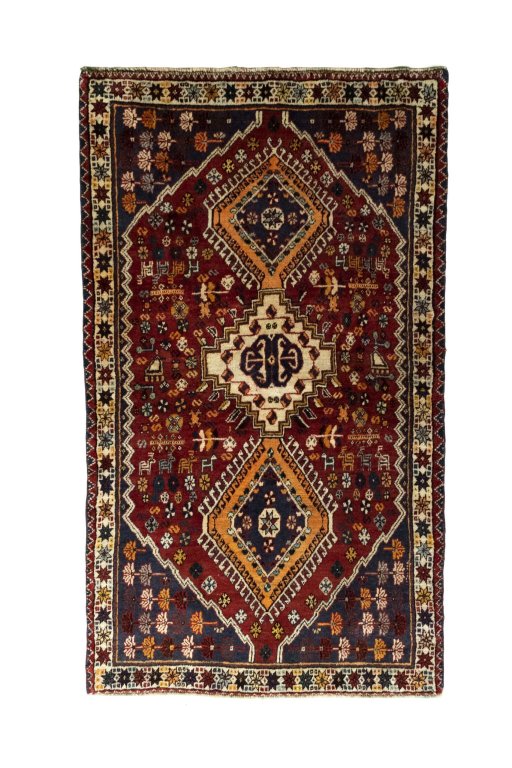
Shiraz
€538€672
187 × 110 cm
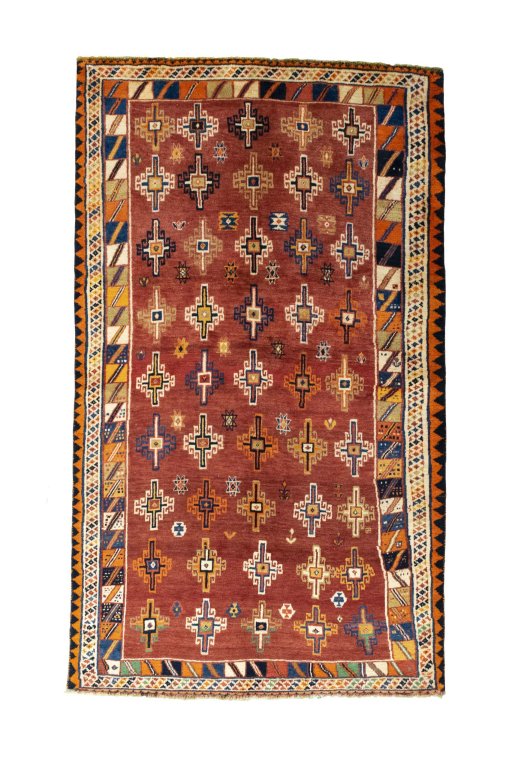
Shiraz
€902€1,128
256 × 151 cm
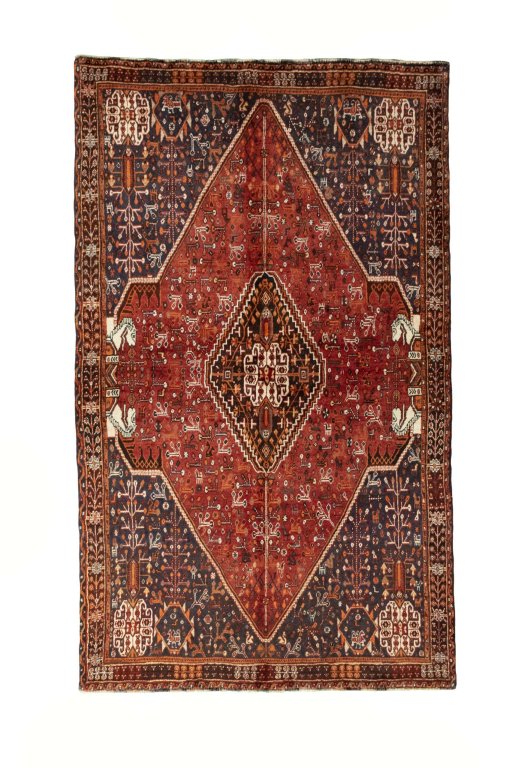
Shiraz
€1,152€1,440
257 × 156 cm
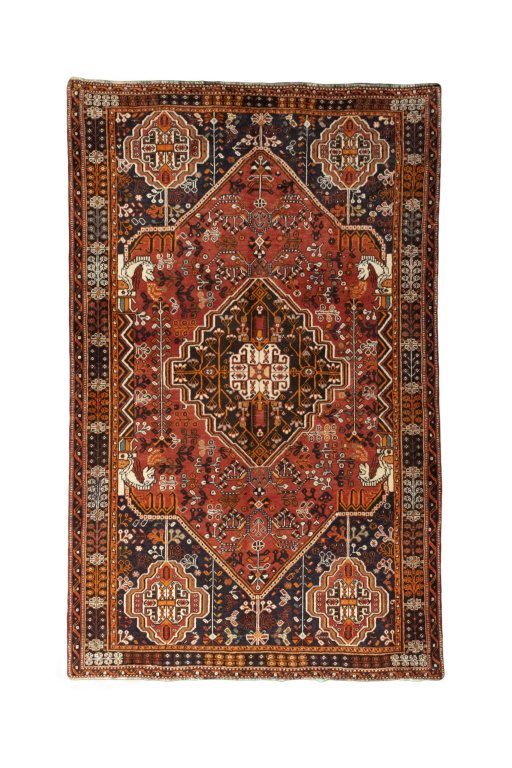
Shiraz
€768€960
247 × 155 cm
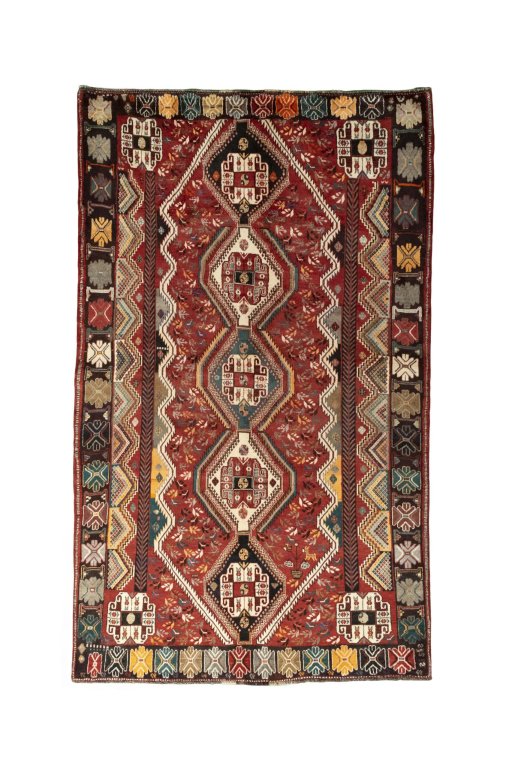
Shiraz
€1,152€1,440
280 × 170 cm
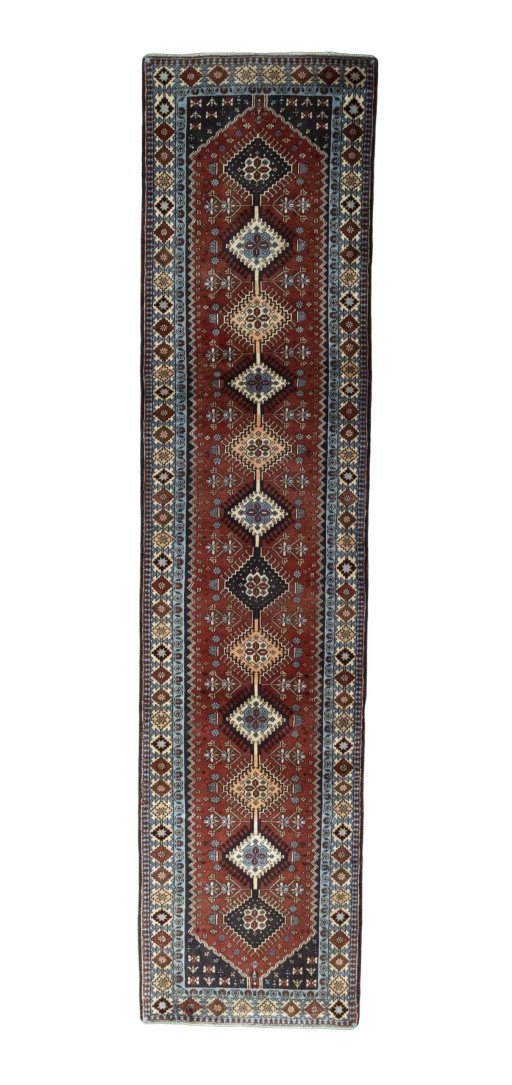
Yalameh
€864€1,080
367 × 86 cm
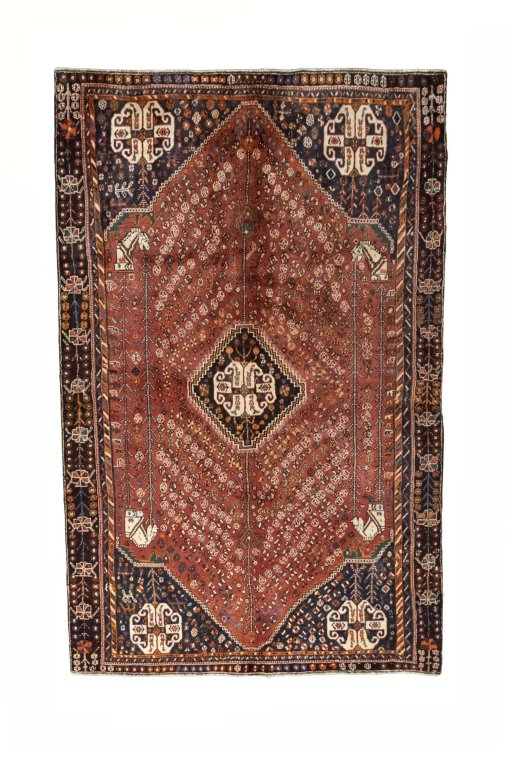
Shiraz
€864€1,080
248 × 153 cm
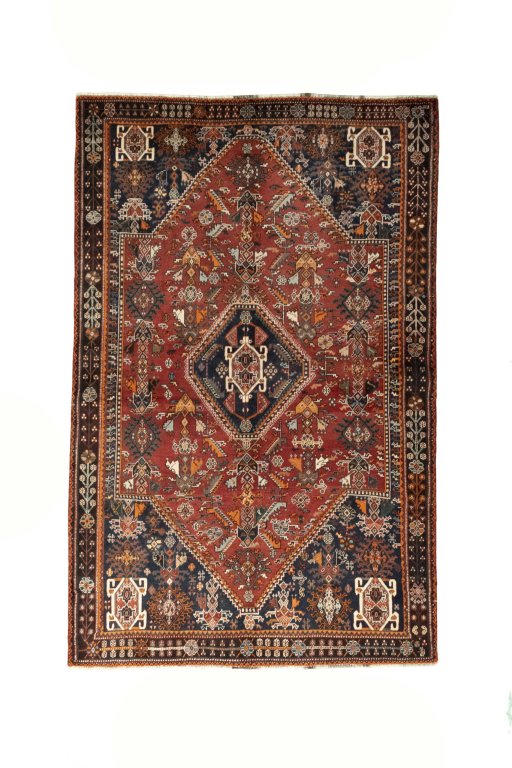
Shiraz
€1,152€1,440
255 × 164 cm
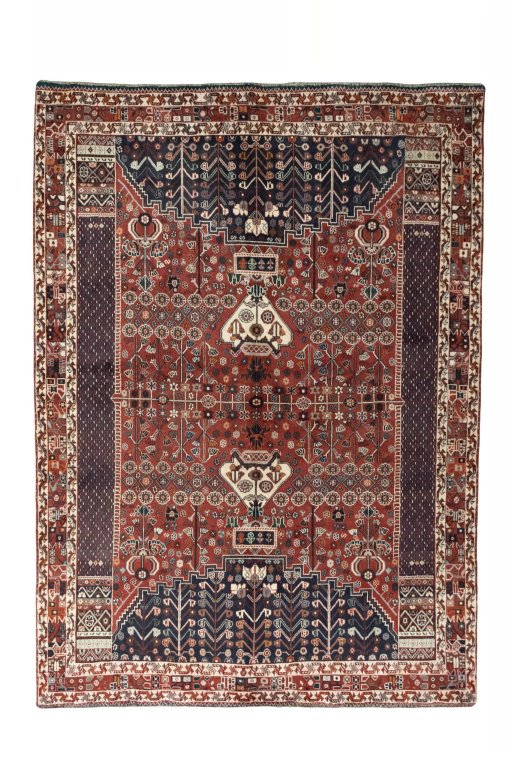
Shiraz
€1,114€1,392
250 × 180 cm
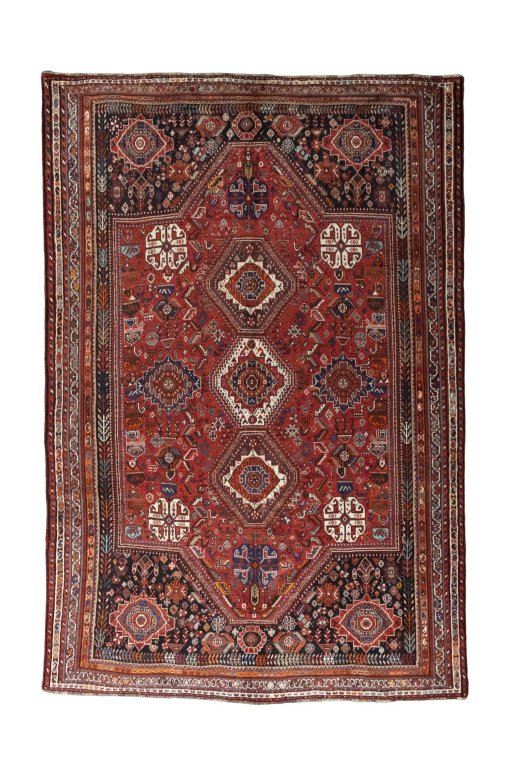
Shiraz
€1,728€2,160
318 × 214 cm
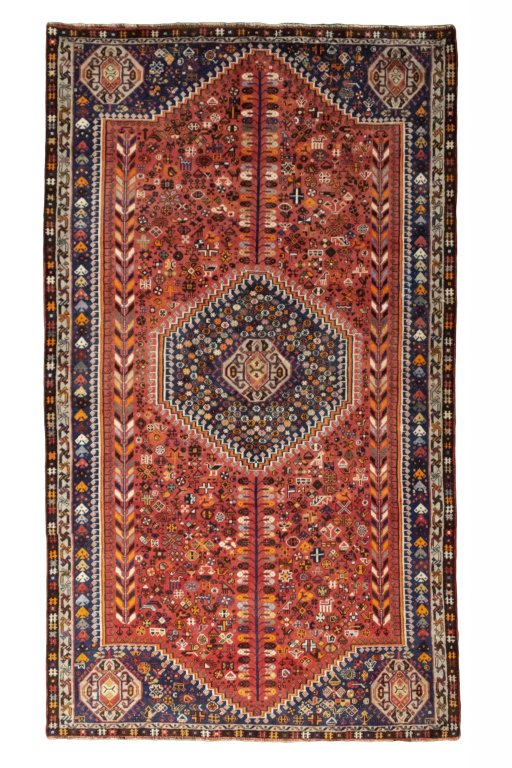
Shiraz
€1,306€1,632
276 × 159 cm
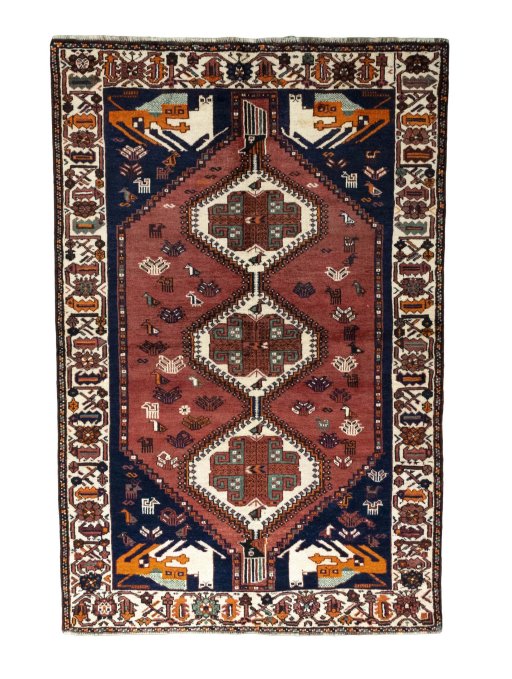
Shiraz
€1,056€1,320
242 × 161 cm
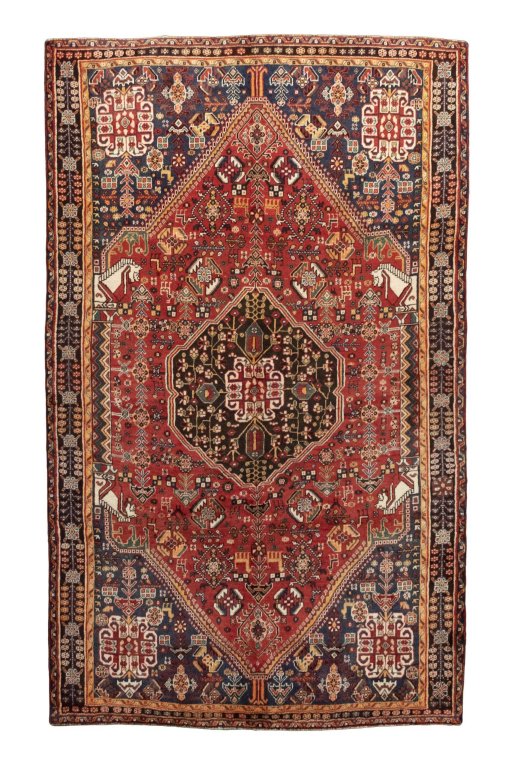
Shiraz
€1,152€1,440
260 × 158 cm
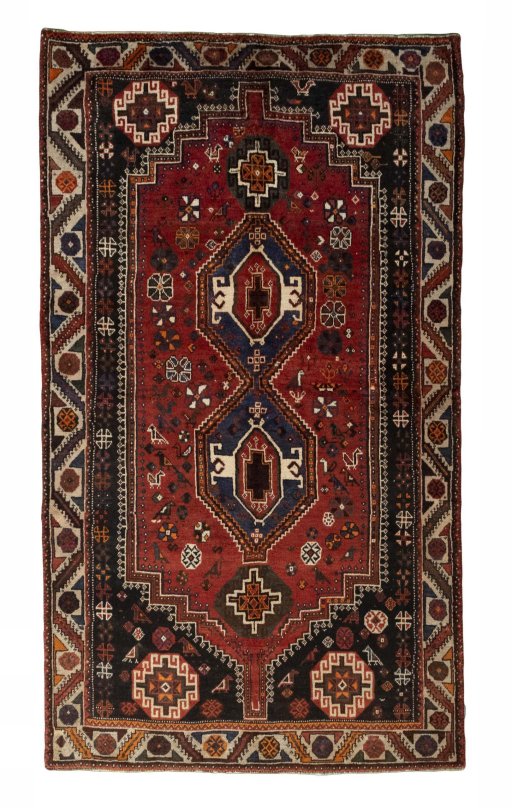
Shiraz
€806€1,008
268 × 154 cm
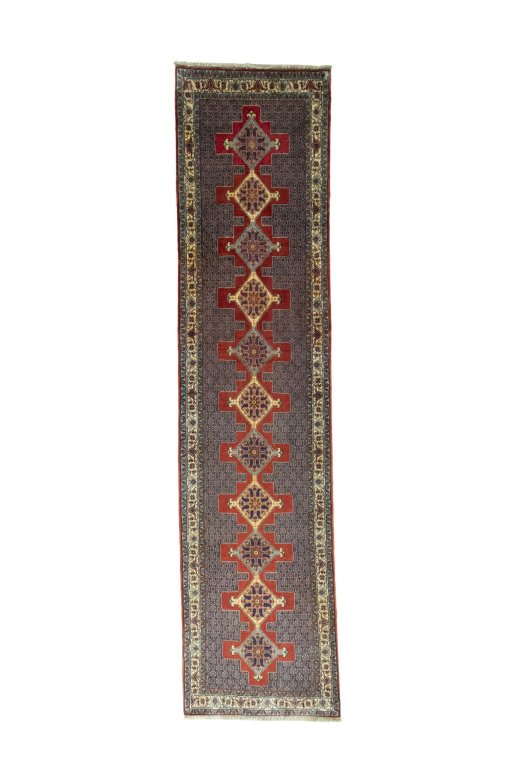
Senneh
€960€1,200
377 × 91 cm
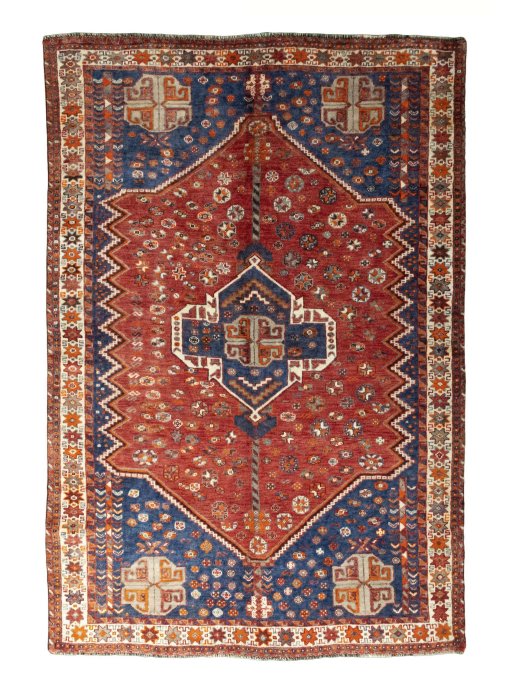
Shiraz
€960€1,200
247 × 166 cm
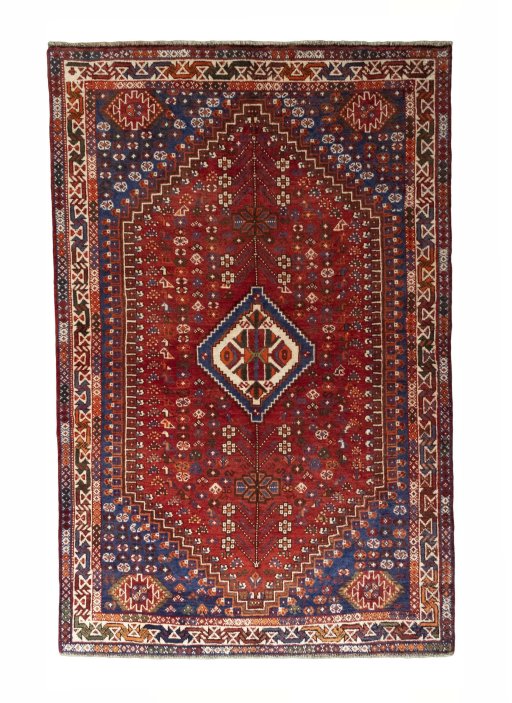
Shiraz
€730€912
243 × 159 cm
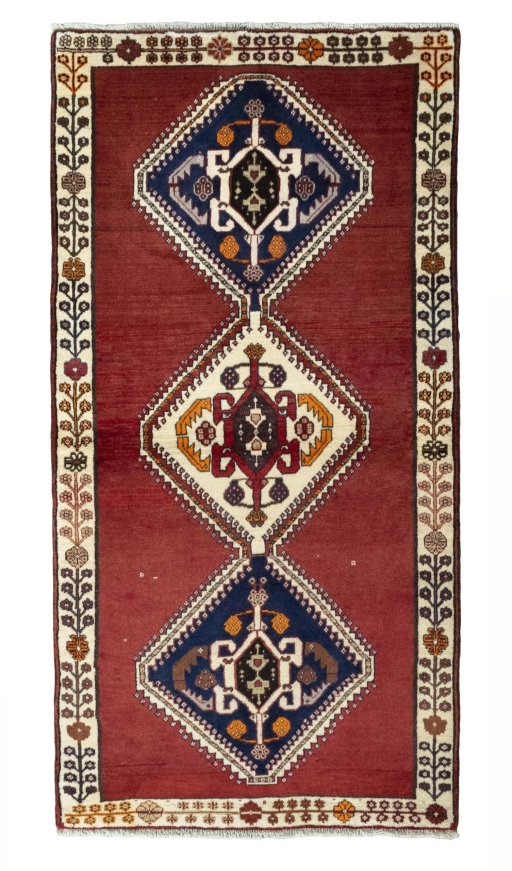
Shiraz
€614€768
194 × 99 cm
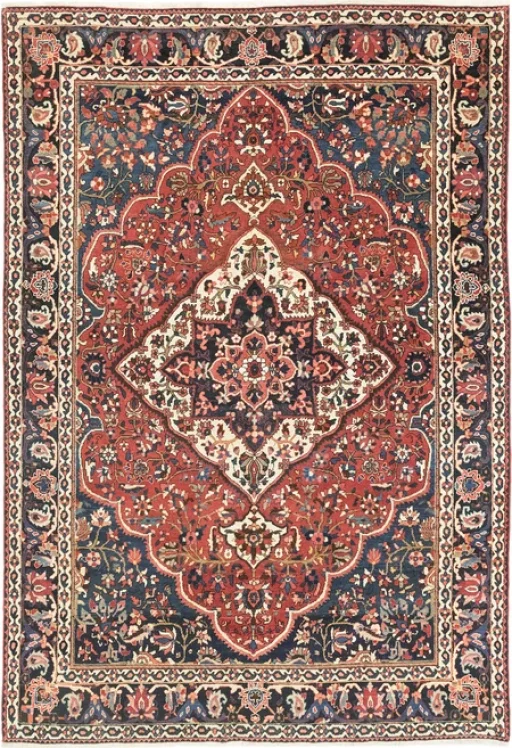
Bakhtiar Antique
€1,292€1,615
305 × 201 cm
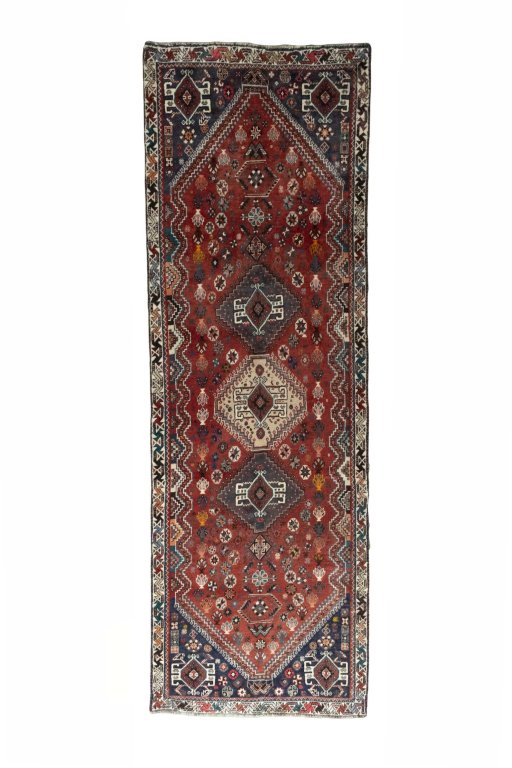
Shiraz
€538€672
285 × 93 cm
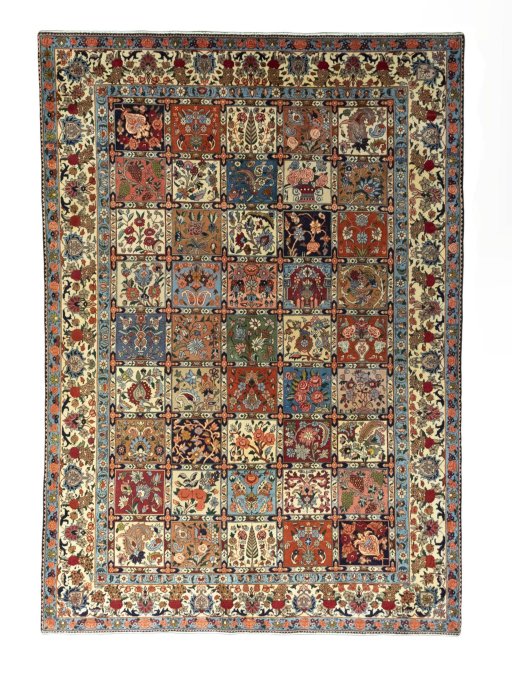
Bakhtiar
€1,824€2,280
286 × 196 cm
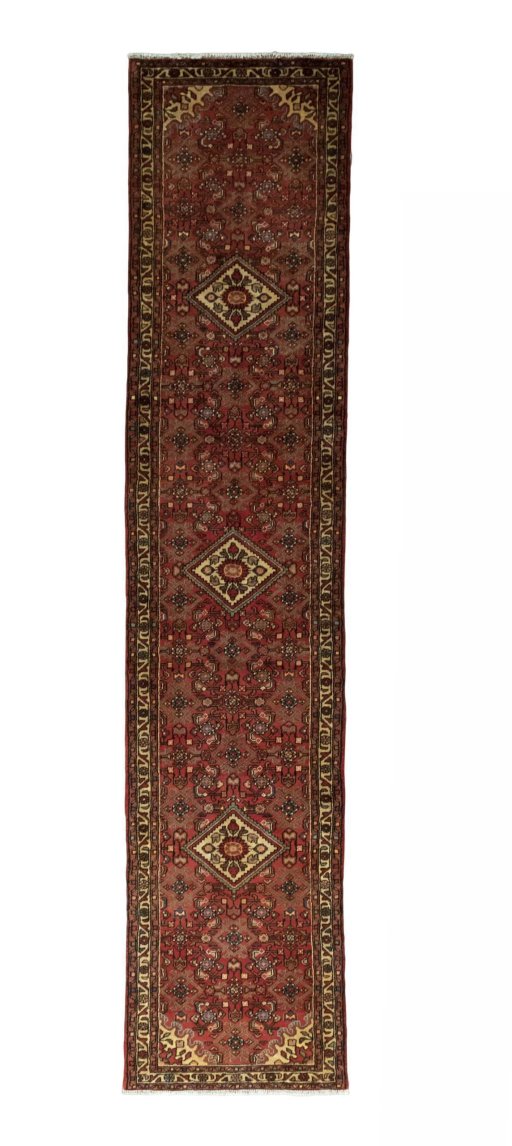
Hamedan
€691€864
383 × 78 cm
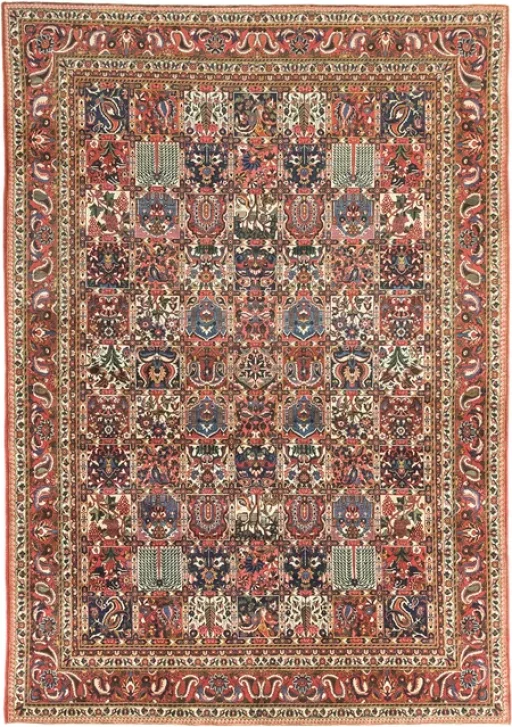
Bakhtiar Semi Antique
€3,992€4,990
386 × 267 cm
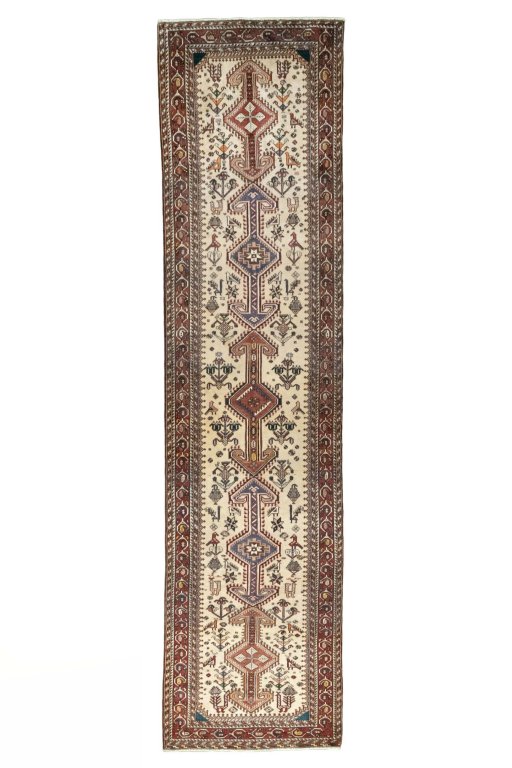
Nasrabad
€1,056€1,320
405 × 100 cm
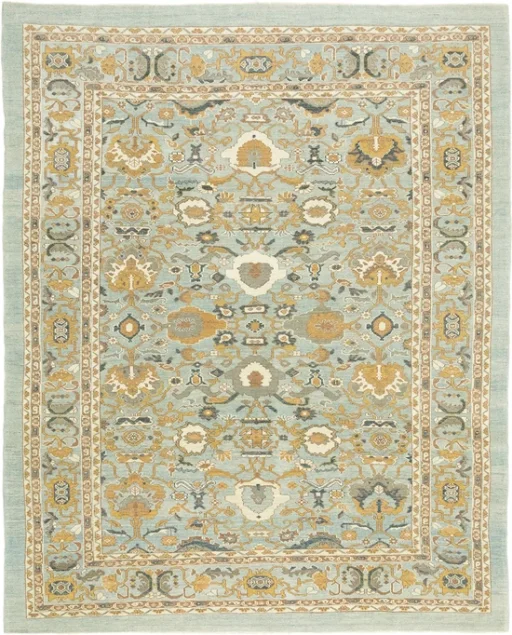
Sultanabad
€3,272€4,090
355 × 290 cm
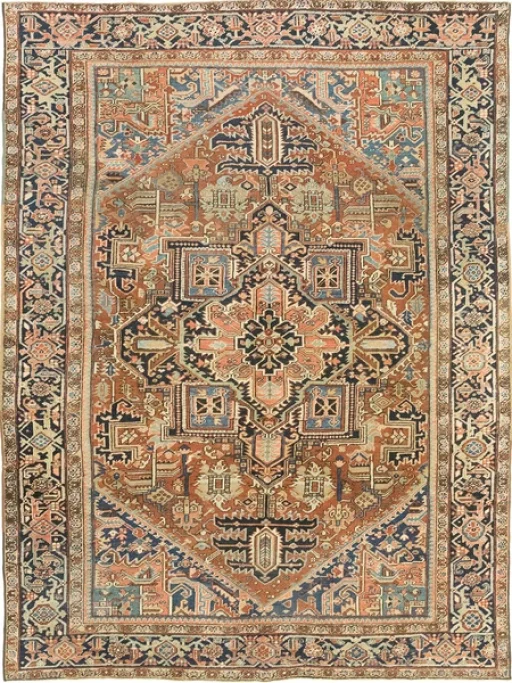
Heriz Antique
€3,992€4,990
367 × 278 cm
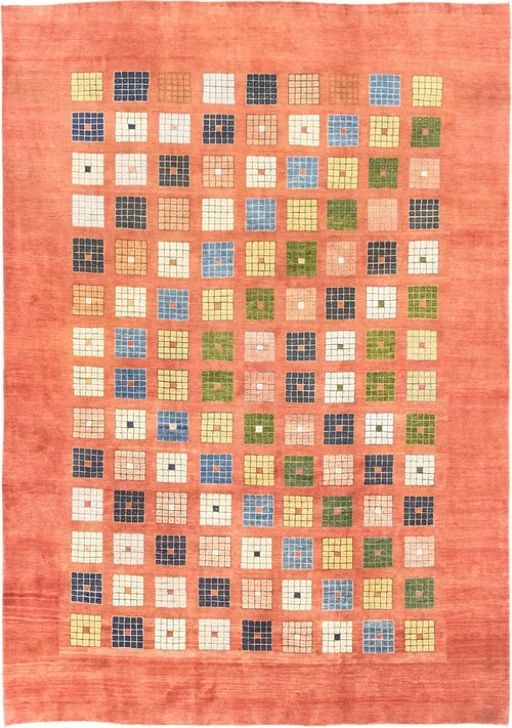
Gabbeh Loribaft
€3,192€3,990
343 × 241 cm
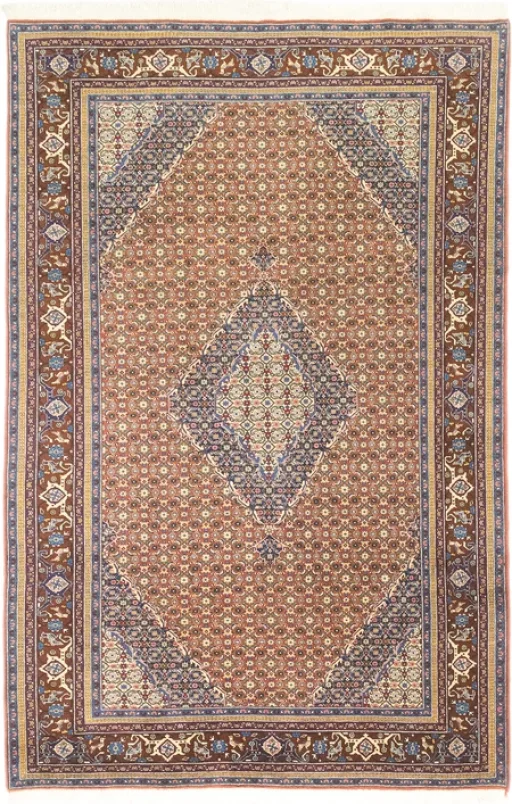
Ardebil
€3,392€4,240
289 × 188 cm
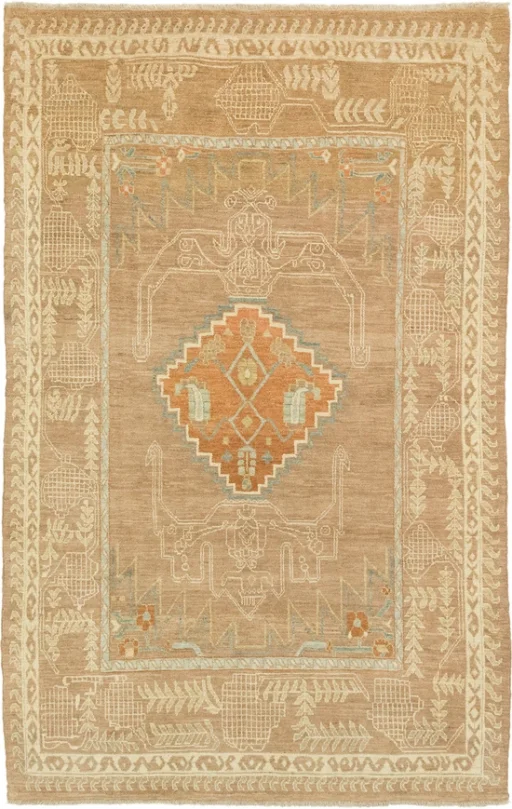
Malayer
€2,072€2,590
305 × 191 cm
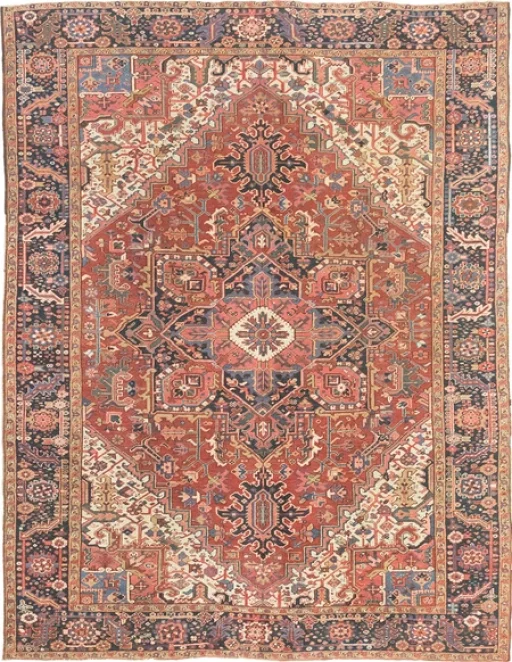
Heriz Antique
€3,392€4,240
368 × 284 cm
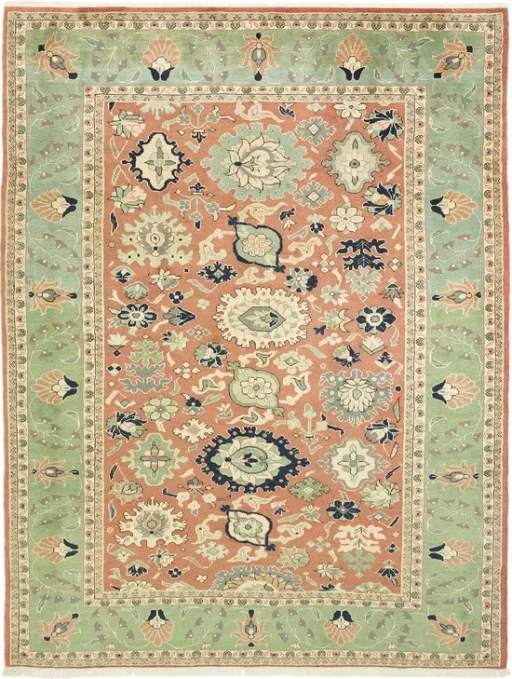
Mahal
€1,592€1,990
300 × 224 cm
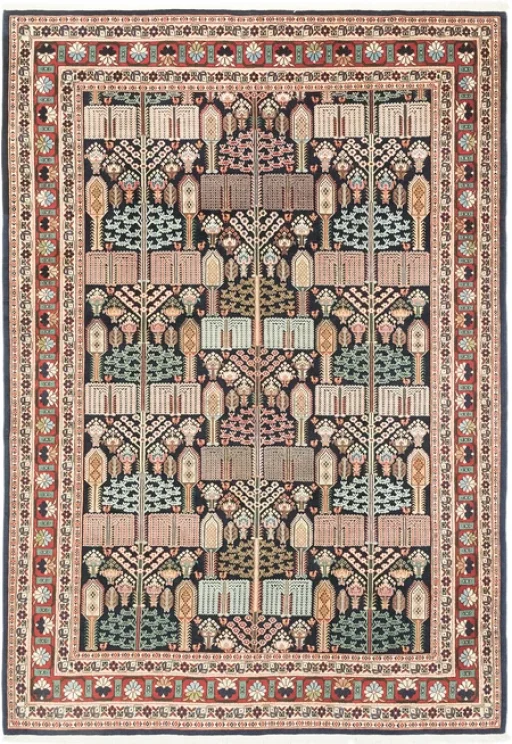
Bakhtiar Semi Antique
€2,992€3,740
295 × 201 cm
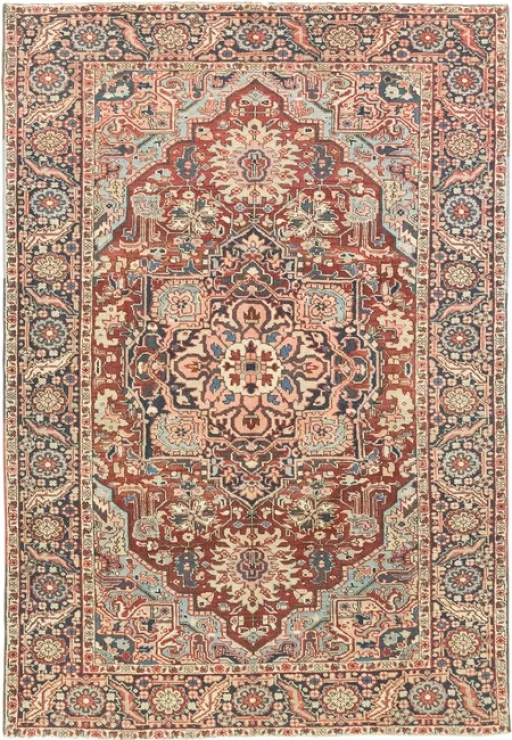
Heriz Antique
€5,392€6,740
275 × 188 cm
48 of 892 rugs shown
Load more rugsThe Rugbloom Guide
Nomadic rugs were never made for trade, but for the weaver's own home: as a floor covering in the tent, a blanket or a saddlebag. You can still see this in every piece. Strong wool, geometric patterns and small irregularities make each tribal rug one of a kind.
Village rugs are a little more regular, but share the same down-to-earth character. Both are right for you if you are looking for a durable rug with a story that brings warmth to a room.
A nomadic or tribal rug is knotted by nomadic or semi-nomadic families, traditionally on a horizontal loom that can be taken apart and carried. The patterns are usually woven from memory. That is why they look free and no two pieces are alike.
Village rugs are made in houses and small workshops on upright looms. As a result, sizes and patterns are more regular, while the motifs remain typical of the region.
City rugs such as Tabriz or Isfahan, on the other hand, follow a drawn design. They are more finely knotted and often show floral, curving patterns. Tribal and village rugs stay more geometric, coarser and more personal.
The best-known nomadic and village rugs come from Persia, the Caucasus, Anatolia, Afghanistan and Central Asia. Traditionally, the wool comes from the family's own sheep. It is spun, dyed and knotted within the family.
Many motifs carry a meaning: they stand for protection, fertility, animals or belonging to a tribe. As nomadic life becomes rarer, fewer of these rugs are made today. Well-preserved older pieces are therefore valued by collectors.
Nomadic and village rugs usually carry the name of the tribe or region they come from. Each tradition has its own colours and forms.
The Qashqai are a nomadic tribe in the province of Fars in south-western Iran. Their rugs show strong reds and blues, diamond medallions and many small animal and tribal motifs. Good pieces are surprisingly finely knotted. Discover our Qashqai rugs.
Shiraz is the capital of Fars province and the traditional market for rugs from the surrounding tribes and villages. Shiraz rugs are usually more coarsely knotted, durable and kept in warm reds and earth tones. They work well in rooms that are used a lot. Browse our Shiraz rugs.
Yalameh rugs are village rugs from southern Iran. Typical features are stepped, hooked diamonds that run through the field like a chain, and clear, often bright colours. A Yalameh rug brings structure and rhythm to a room.
Baluch rugs come from eastern Iran and western Afghanistan. You can recognise them by their dark tones: deep red, dark blue and brown, often with small light accents. Sizes are usually small, and many pieces are prayer rugs. See our Baluch rugs.
Turkmen rugs come from Central Asia. Their hallmark is the gul, an octagonal medallion repeated in rows across a deep red field. In the past, each tribe had its own gul. Take a look at our Turkmen rugs.
A hand-knotted tribal rug shows the same pattern on the back as on the front, just without pile. You can see the individual knots clearly there. Small variations in size, pattern or colour are normal and not a flaw.
Also pay attention to the wool: it should feel strong and slightly greasy and have a natural sheen. Shades of colour within one area, known as "abrash", appear when wool was dyed in several batches. They are a typical sign of handwork.
The knot density is usually medium to coarse. This makes nomadic and village rugs durable and suitable for everyday use.
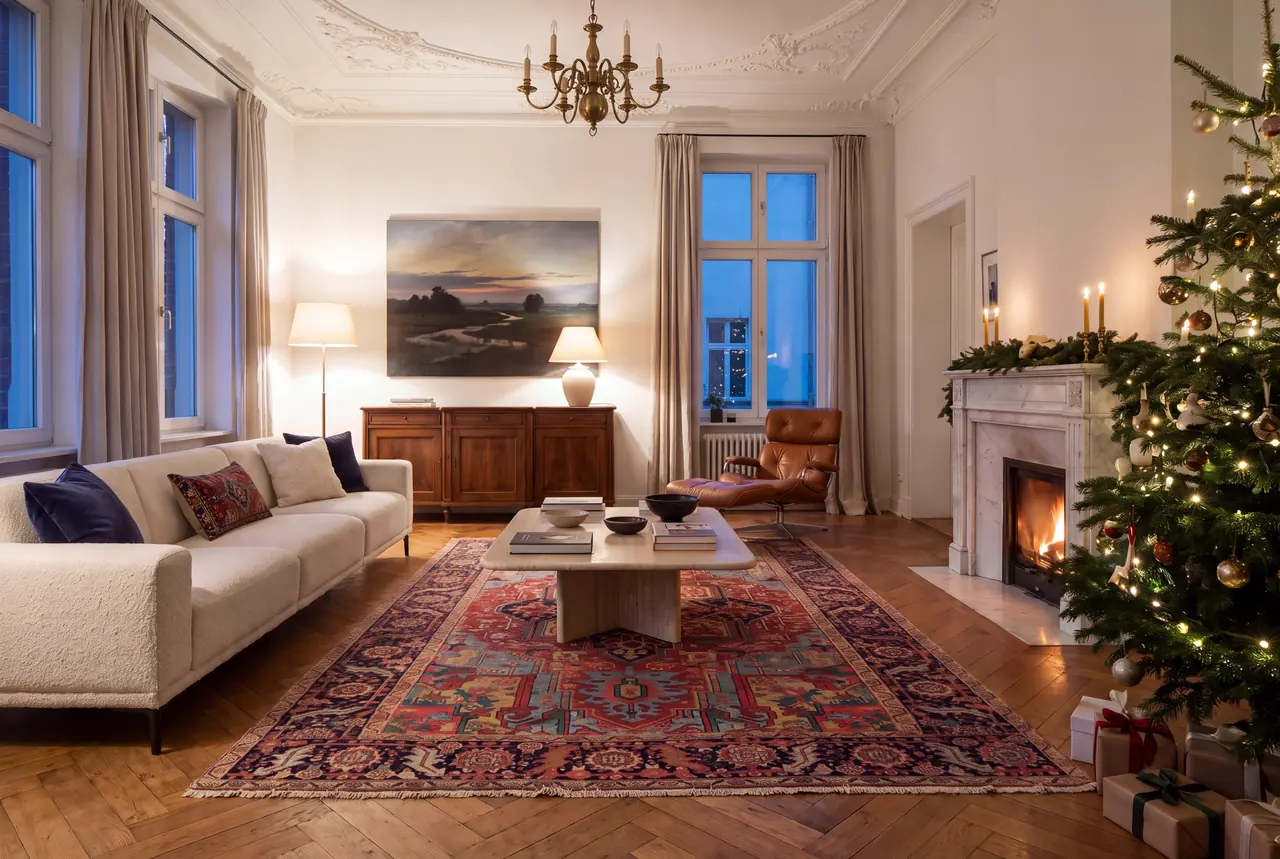
In the living room, a tribal rug creates a clear focal point. It looks especially good with wood, linen, leather and neutral walls. In modern or minimalist rooms, it adds colour and warmth without feeling formal.
Thanks to their sturdy wool, village rugs such as Shiraz work well in dining areas, hallways and family rooms. And if you like playing with patterns, our boho styling guide shows how to combine tribal rugs with other textiles.
Choose the size first: the rug should clearly frame the seating area or dining table. Then origin and colours decide the effect. A Qashqai brings colour, a Baluch brings calm. New pieces have fresh, full wool, while older rugs have a soft patina.
Rugbloom has been a family business since 1870 and is now run by the fourth generation. We inspect every rug individually and describe its origin, material, size and condition precisely. You get free shipping within the EU and 31-day returns.
Not sure which rug suits your room? We're happy to advise you personally or by appointment in our Hamburg showroom.
Here are the questions our customers ask us most often about nomadic and village rugs.
A tribal rug is hand-knotted by nomadic or semi-nomadic families, originally for their own use. Typical features are natural wool, geometric patterns woven from memory and small irregularities that make every piece unique.
Tribal rugs are made on portable looms and look free and personal. Village rugs are knotted in houses and are more regular. City rugs follow a drawn design, are more finely knotted and often show floral patterns.
Turn the rug over: on a hand-knotted piece you can see the pattern clearly on the back, along with the individual knots. Other signs are strong, lustrous wool, slight colour variations (abrash) and small irregularities in shape and pattern.
Their value depends on age, condition, wool quality, colours and origin. Well-preserved older pieces with natural dyes are sought after by collectors. A new tribal rug is above all a durable one-of-a-kind piece that will stay with you for many years.
The Rugbloom newsletter
Subscribe to our newsletter and be the first to see new arrivals and rare pieces from our family collection, plus care tips from 150 years of experience. As a welcome gift, you receive 10% off your first order.
Your 10% code is valid for 30 days and cannot be combined with the Black Week offer.
By signing up you agree to receive our newsletter. Unsubscribe at any time. Privacy · Conditions
Please confirm your email address. Check your inbox: as soon as you confirm, we send you your personal 10% code.