



Birjand, Mud and Dorokhsh rugs
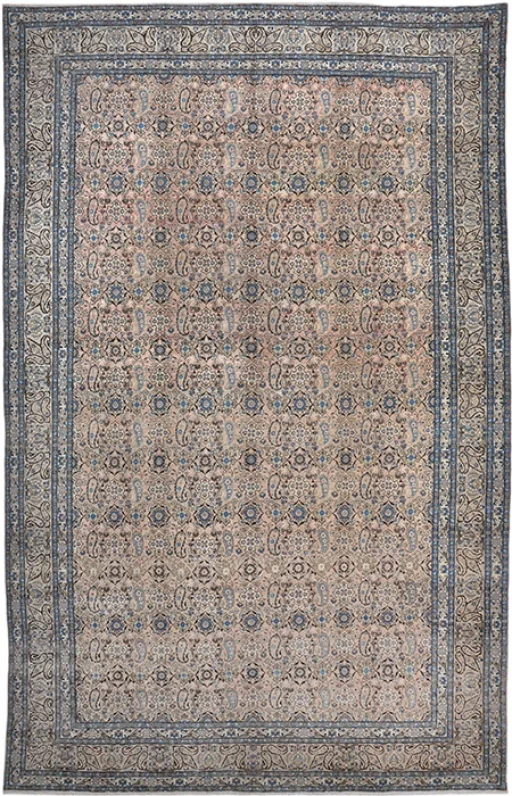
Herati in gold and blue from South Khorasan
- Region
- South Khorasan, eastern Iran
- Knot
- persisch
- Material
- good wool on cotton, often with silk
- Knots per m²
- 200.000 bis 500.000
- Pattern
- Herati in the medallion, round medallions and corner pieces
- Colours
- Light beige, blue, gold, orange
Birjand
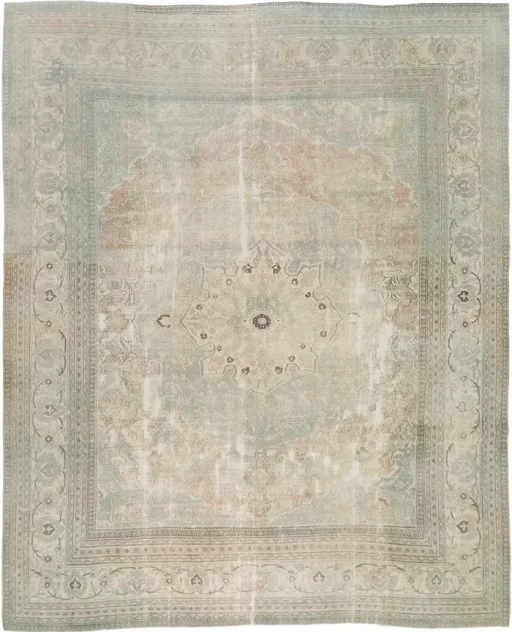
Typical is a Herati pattern in a large, stylised medallion, often in light beige, blue, gold and orange. Warp and weft are cotton, and the medium-height pile is good wool, knotted with the Persian knot.
Mud
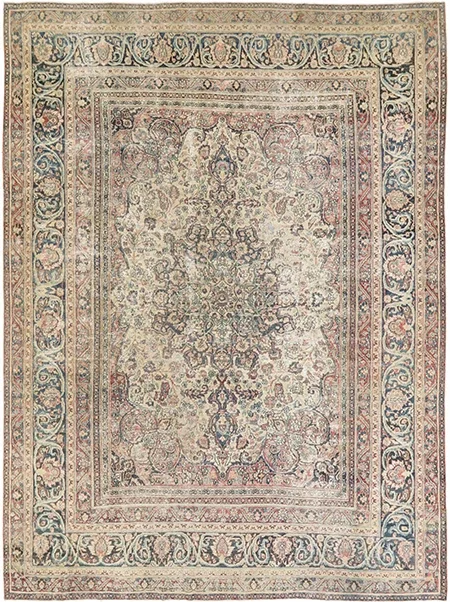
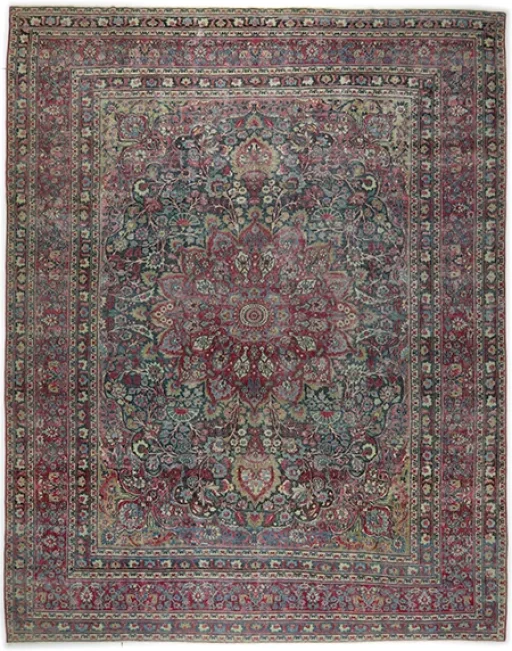
Mud rugs show round medallions with a Herati filling and round corner pieces, in light beige, blue and gold; red is seldom seen. The quality is good, and silk often highlights the pattern, with 250,000 to 500,000 knots per m².
Dorokhsh
In Dorokhsh, rugs are made with the same patterns as in Mud, usually with silk and often signed by the weaver or with the name of the workshop.
Dorokhsh rugs from our shop
Frequently asked questions
What is a Mud rug?
A rug from Mud in South Khorasan with a round medallion and Herati pattern, mostly in light beige, blue and gold, often with silk accents.
← Back to overview: Persian rugs from Iran
Sources
- Martin Munkholm: Oriental Carpets. Woven with passion. muusmann forlag, S. 150–152.
- Own experience from the Akhavan Farshchi family's rug trade.
Co-Owner of Rugbloom. His family has traded Persian rugs for four generations. He recognises regions, eras and techniques and reads Persian inscriptions.