



Tabriz rugs
The rug metropolis of northwest Iran
- Region
- East Azerbaijan, northwest Iran
- Knot
- Turkish and Persian
- Material
- Wool, often with silk, warp mostly cotton, silk for the finest pieces
- Knots per m²
- around 150,000 to over 1,000,000
- Pattern
- Medallions, Mahi (Herati), pictorial and landscape rugs
- Loom
- senkrecht
Contents
The province of Azerbaijan
The province lies in the far northwest of Iran, but the area settled by Azerbaijanis extends far beyond today's borders. Tabriz, founded in the 7th or 8th century, was the capital of Persia under the Mongols in the 13th century and under the Turkmen in the 15th century. Under the Safavids in the 16th century the city flourished, and even then merchants from Tabriz organised the export of rugs to Europe.
In the 19th century Tabriz became the great centre of rug production, supplying the West via Istanbul. The region has a highland climate with cold winters and warm, dry summers. Most people speak Azerbaijani, a Turkic language, and Persian.
Weaving in Azerbaijan
In the region, nomads weave as well as settled families, in the villages mostly the women, among the nomads both women and men. Azerbaijan produces good, sturdy and long-lasting rugs. Many pieces from the 1980s and 1990s, often with large octagons or stylised medallions with flowers and animals, offer particularly good value for money today.
The rugs of the whole region come together in Tabriz: from Tabriz itself, Khoy, Heriz, Ahar, Mehravan, Gorovan, Karaja, Lambaran, Sarab, Ardabil, Meshkin and Mianeh, plus many nomadic rugs.
Patterns and qualities
Tabriz has no single typical pattern. Because the city was such an important export hub, its workshops took up all of Iran's popular patterns. Best known are medallion rugs, the Mahi pattern, as the Herati is called in Tabriz, and pictorial and landscape rugs that look almost like paintings.
A Tabriz is therefore recognised more by its knotting, materials and workmanship. Tabriz rugs are usually very tightly knotted. The finer qualities have around 450,000 to 1,000,000 knots per square metre, often with silk in the pile, and are clipped short. The sturdier everyday qualities have around 150,000 to 350,000 knots, and the pile is then somewhat higher. They are woven on vertical looms, with both the Turkish and the Persian knot. The finest pieces have a silk warp.
Traditionally, fineness in Tabriz is given in raj. A 50 raj Tabriz has around 500,000 knots per square metre and is considered a very good standard quality of the region.
Silk rugs from Tabriz
In the late 19th century, the weavers of Tabriz were among the most versatile in Persia. As Western interest in Persian rugs grew strongly, they quickly understood what customers at home and abroad wanted, and Tabriz became one of the most important weaving centres for export, partly through German trading firms. Rugs were woven in every size and shape, in wool, cotton and silk, geometric as well as with curving vines.
Among the rarest Tabriz rugs are large silk carpets, which because of the precious material were mostly made to order. They are clipped very short, remarkably supple and often show particularly fine, classical designs. A silk carpet from around 1880, 6.12 × 3.96 metres, takes up the design of the Safavid vase carpets; its border consists of small panels with prayer niches full of flowering shrubs, recalling the garden carpets of the 17th and 18th centuries. Such references to the Safavid period are typical of the late Qajar era, when people liked to recall Persia’s great past, inspired also by European travellers. Its soft, delicate colours are unusual, because strong colours and bold contrasts were in fashion at the time.
Custom rugs
Many workshops in Tabriz also weave to order, in the size and colours you want. If you are looking for a special rug for a wall or a room, you will need a little patience, because a finely knotted piece takes many months to make. We will be happy to advise you.
Well-known signatures
Some families from Tabriz and the surrounding area are known for their quality and sign their rugs.
Among the old masters, Hadji Jalili stands out, who worked in Tabriz from around 1880 to 1900. His rugs of wool and silk are sought-after collector's pieces today and only rarely come onto the market.
In the early 20th century, large workshops for the European market were founded in Tabriz. The best known is Petag, the Persische Teppich-Aktiengesellschaft (Persian Carpet Company). The German company was founded in 1911, led by Heinrich Jacoby, and ran a large weaving workshop in Tabriz until it closed in the 1940s. Petag revived elegant designs of the 16th and 17th centuries and worked with excellent wool and carefully prepared vegetable dyes. As a company mark, many pieces carry three small circles, the chintamani, in one corner of the border.
Equally famous are the rugs of the British-Armenian trading house Benlian. Based in London, the house had rugs woven in Tabriz from the early 20th century and reinterpreted the great Safavid designs: clearer, simplified and in lighter colours for the European market. Benlian rugs can be recognised by an eight-pointed star woven into the inner guard border in one corner.
Tabriz rugs from our shop
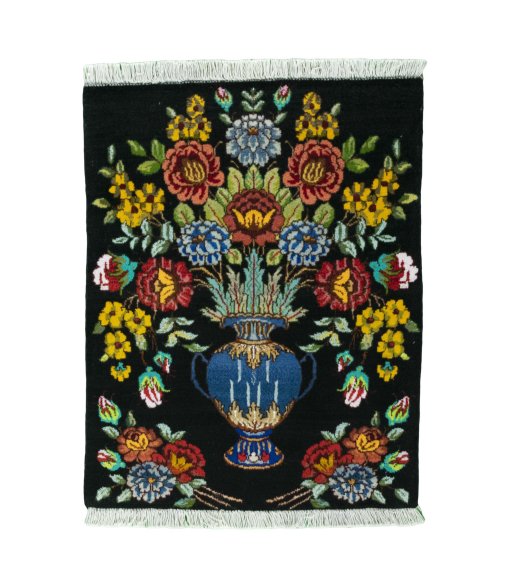
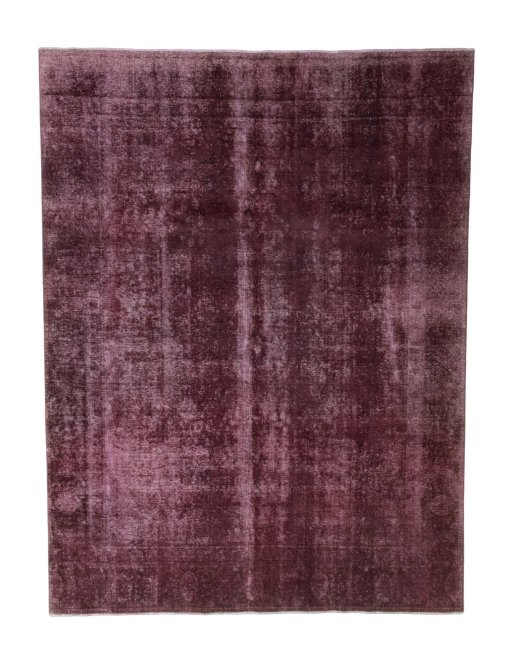
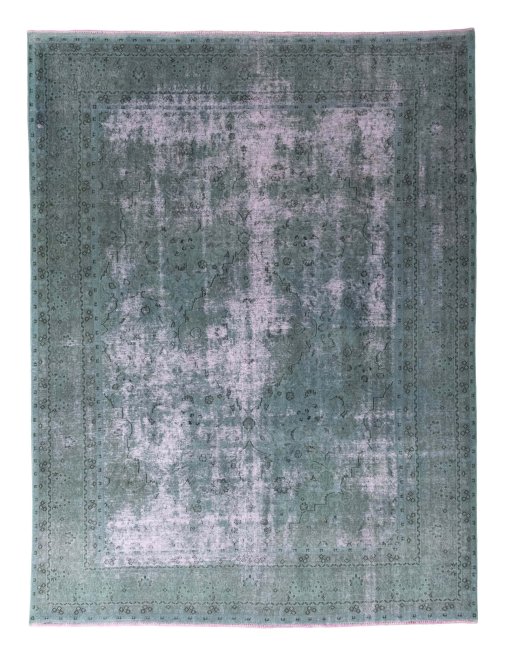
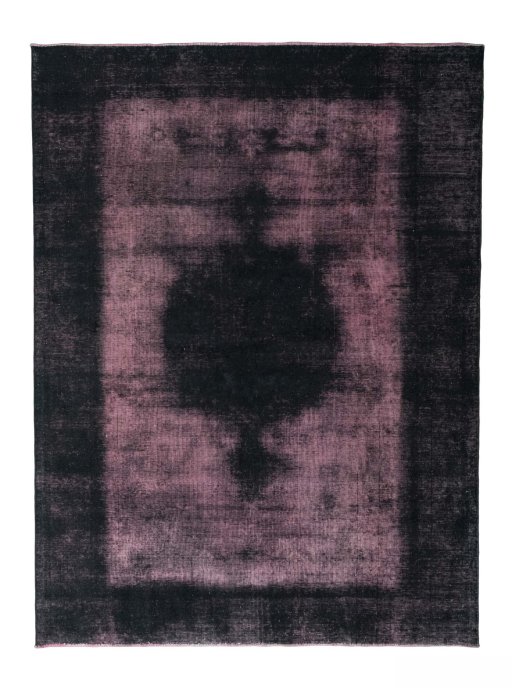
Frequently asked questions
How do you recognise a Tabriz rug?
Less by the pattern than by the construction: Tabriz rugs are usually very tightly knotted and have a cotton warp, the finest pieces a silk warp. Medallions, the Mahi pattern and pictorial rugs are common.
How fine is a Tabriz?
The range runs from around 150,000 to over 1,000,000 knots per square metre. A very good standard quality is 50 raj, which is around 500,000 knots per square metre.
Can you have a rug woven to your chosen size in Tabriz?
Yes, many workshops accept commissions. Because of the long weaving time, you need a little patience.
← Back to overview: Persian rugs from Iran
Sources
- Martin Munkholm: Oriental Carpets. Woven with passion. muusmann forlag, S. 94–99.
- Sotheby’s New York: auction catalogue “Carpets”, 25 November 2008.
- Bukowskis, Stockholm: Petag Tabriz (auction catalogue).
- Lempertz, Cologne: The Cologne City Hall Carpets (auction catalogue).
- Dorotheum, Vienna: Tabriz Petag (auction catalogue).
- Franses, London: Benlian Tabriz (catalogue text).
- BADA, The British Antique Dealers’ Association: Antique Benlian Tabriz Carpet (object description).
- Own experience from the Akhavan Farshchi family's rug trade.
Co-Owner of Rugbloom. His family has traded Persian rugs for four generations. He recognises regions, eras and techniques and reads Persian inscriptions.