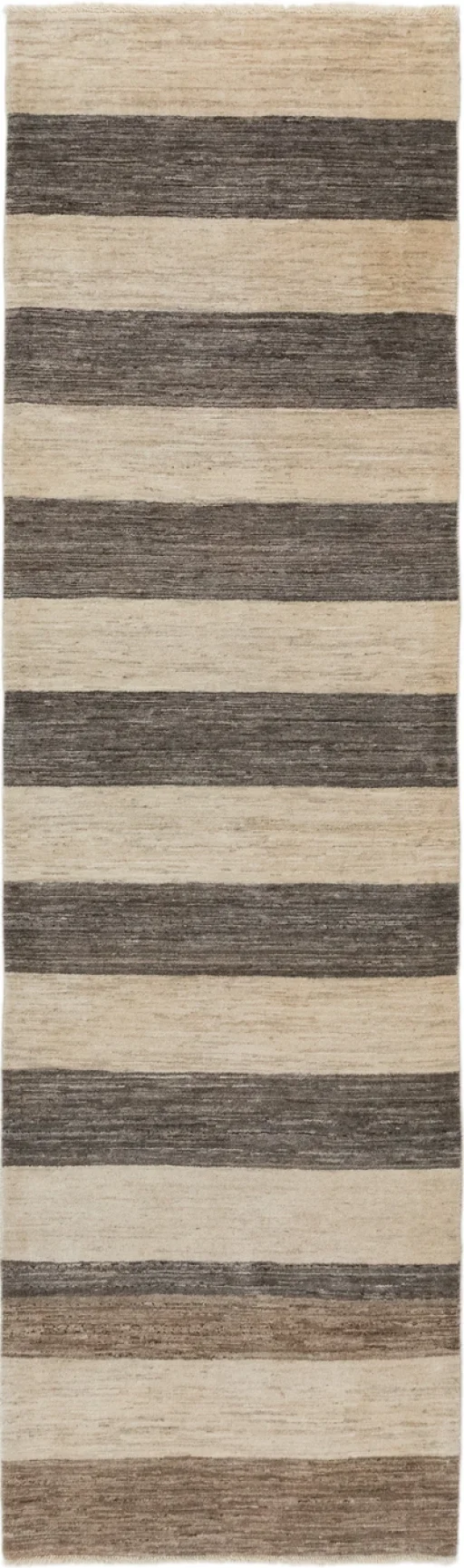
The Rugbloom runner guide
A runner is made for long, narrow spaces: the hallway, the kitchen counter, the landing or the space beside the bed. It protects the floor where people walk most and softens footsteps. Here you can read which length and width fit, what matters in the hallway, in the kitchen and on the stairs, and how to care for a runner.
01
Which length and width fit?
Measure the free floor area, not the whole room. Leave about 10 to 15 cm of floor visible along the sides and 15 to 30 cm at the ends. Also check that doors still open over the runner.
| Where | Runner size |
|---|
| Hallway up to 1 m wide | 60 to 80 cm wide |
| Hallway over 1 m wide | 80 to 100 cm wide |
| Kitchen counter | 60 to 80 cm wide, about as long as the worktop |
| Beside the bed | 70 to 90 cm wide, 150 to 200 cm long |
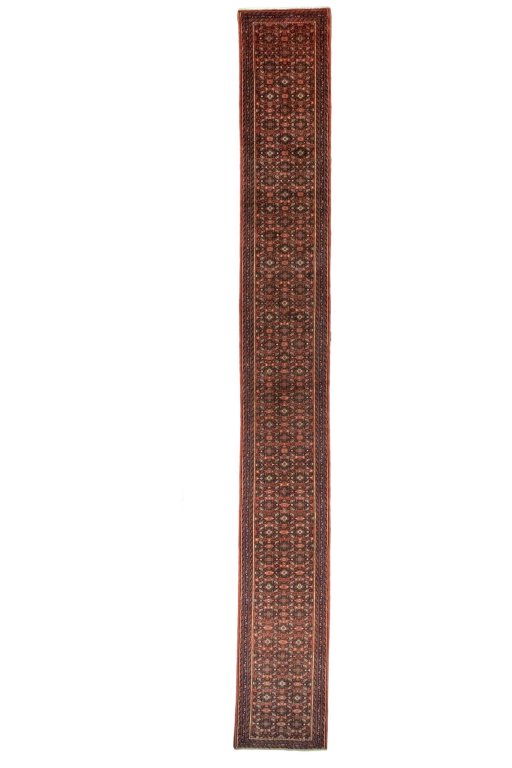
| Long hallway from 4 m | 300 to 500 cm long, or two runners with even spacing |
02
Runners in the hallway
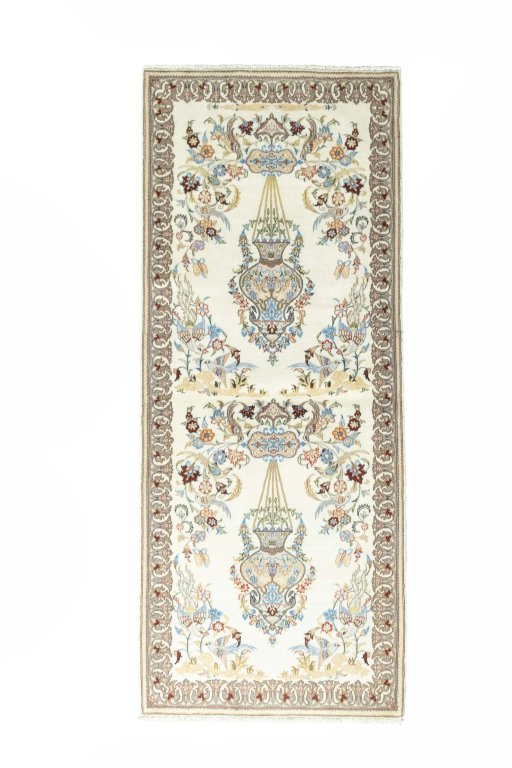
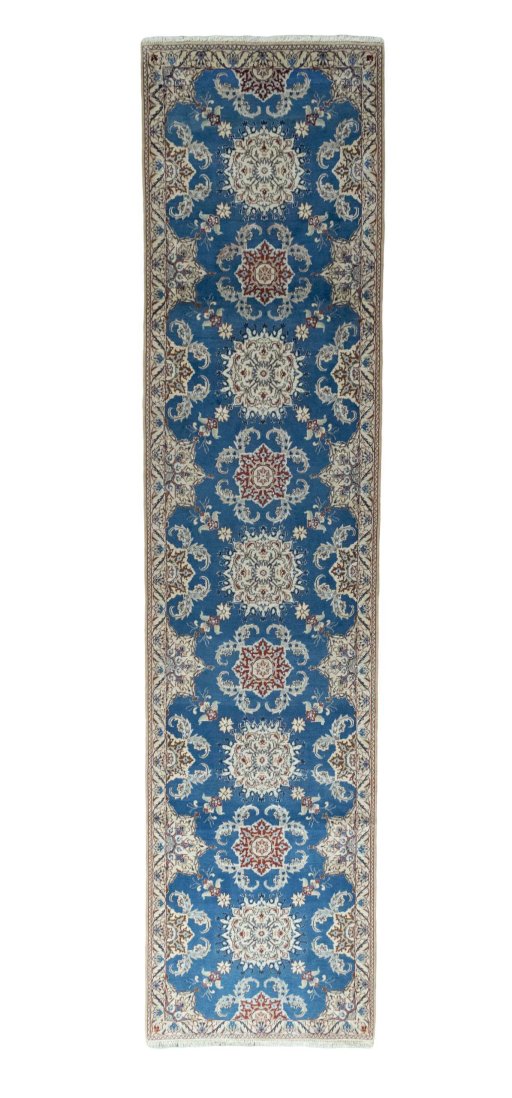
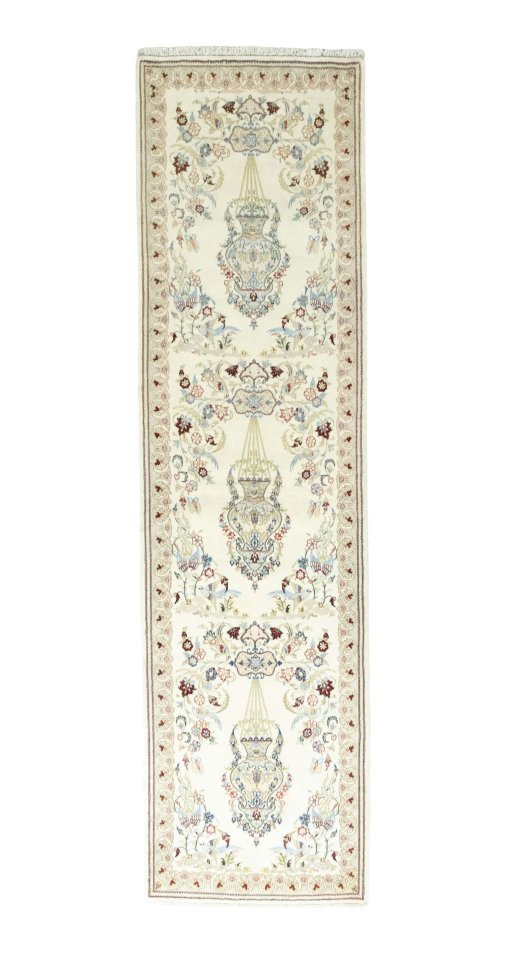
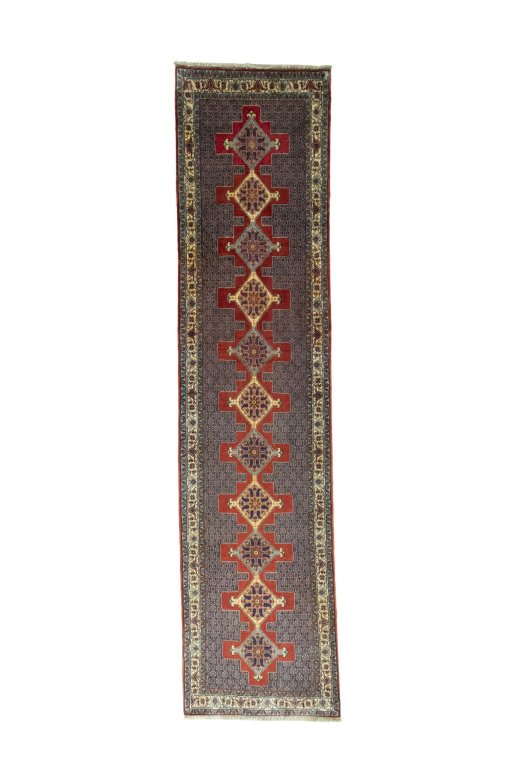
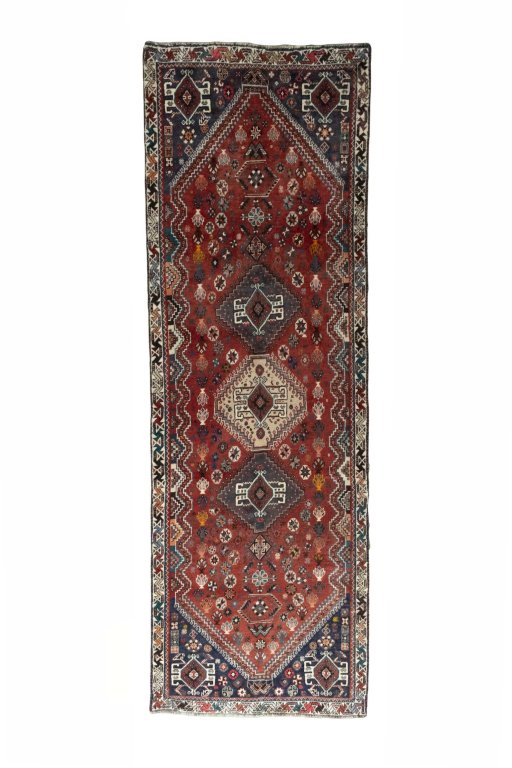
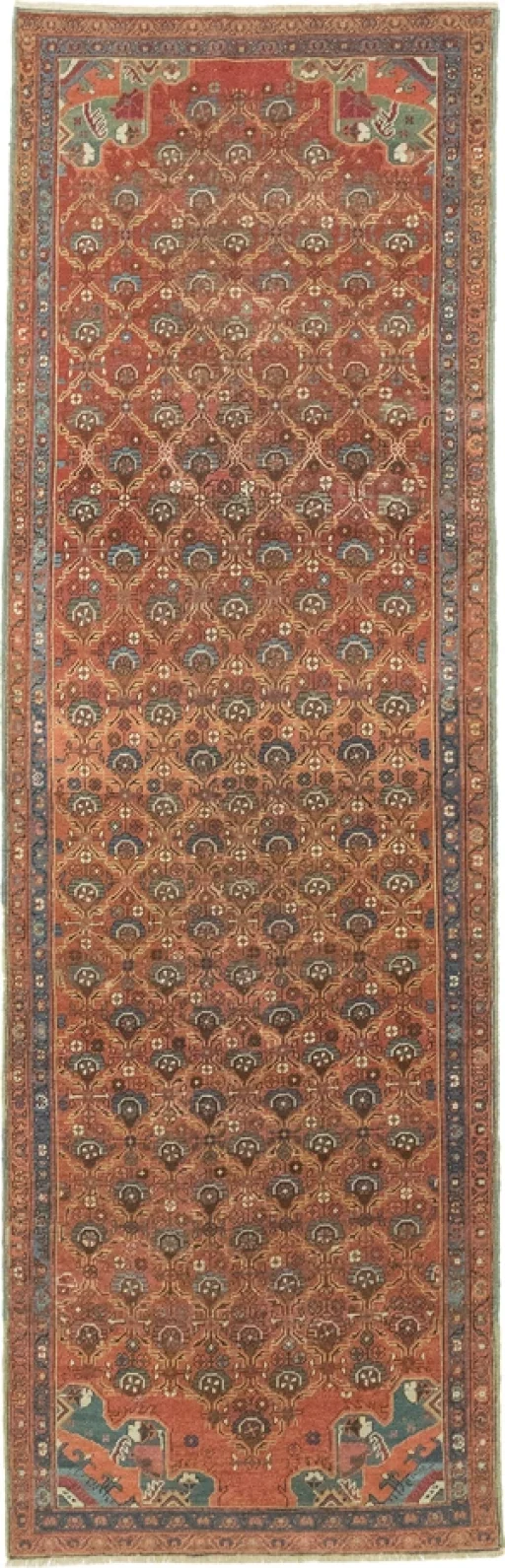
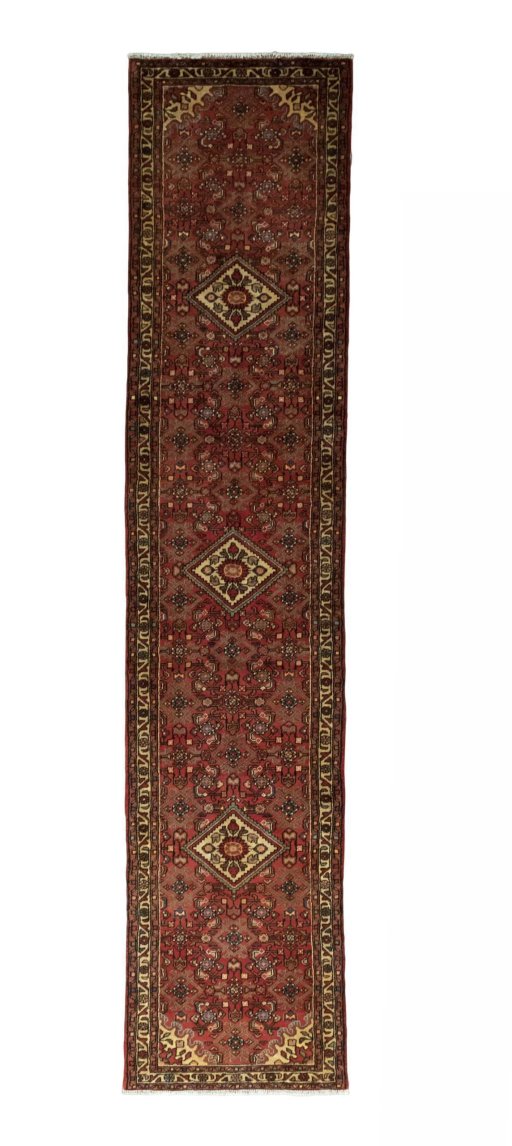
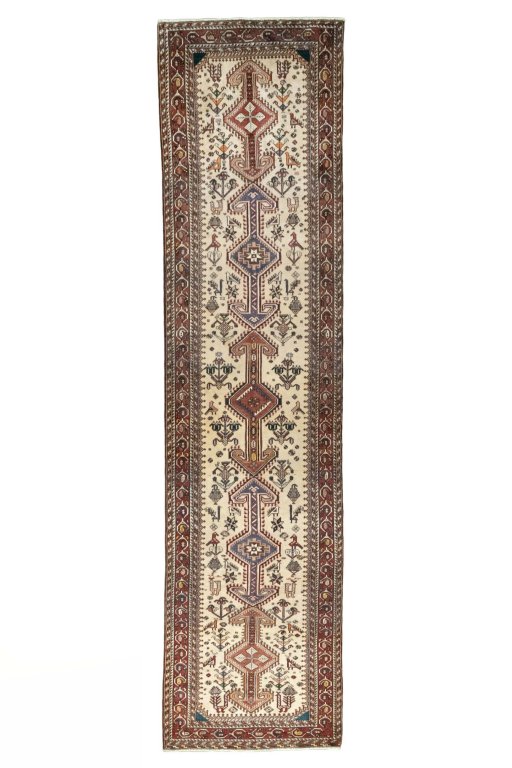
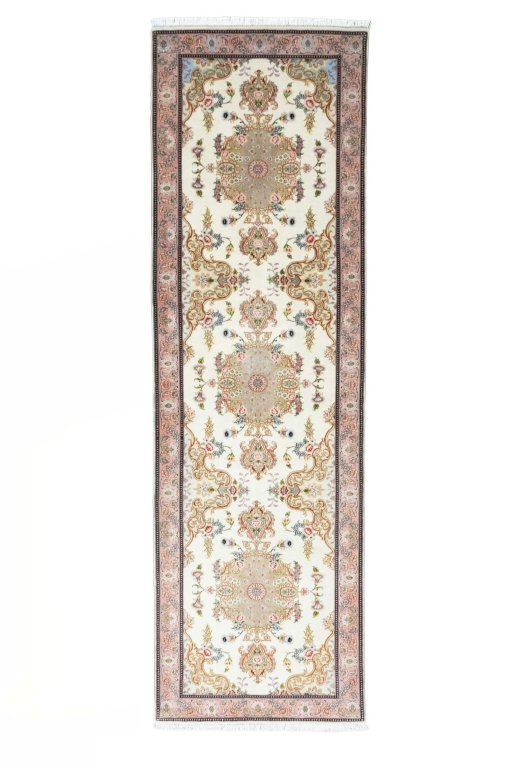
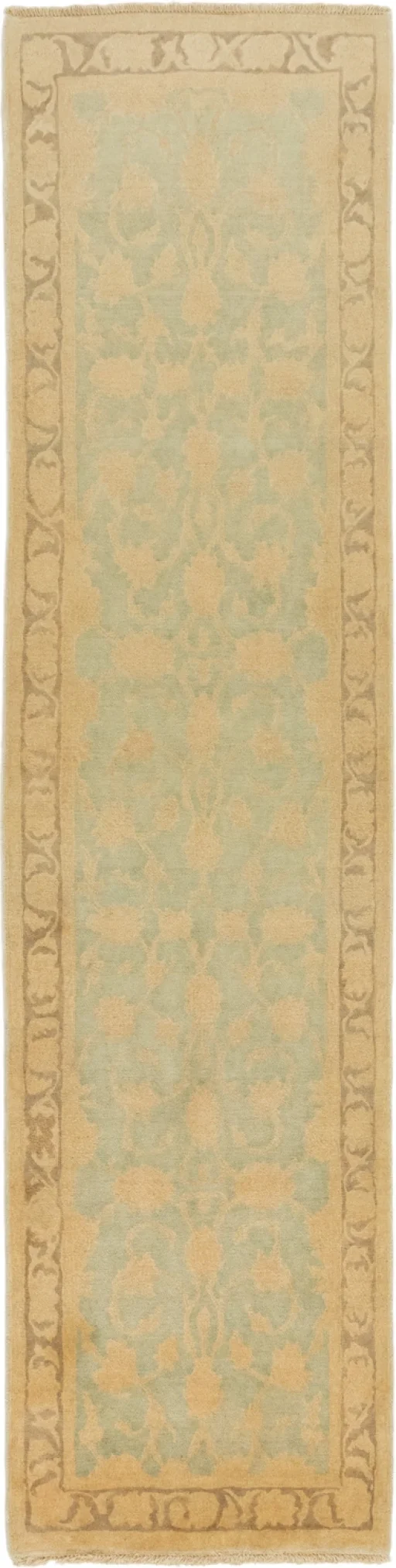
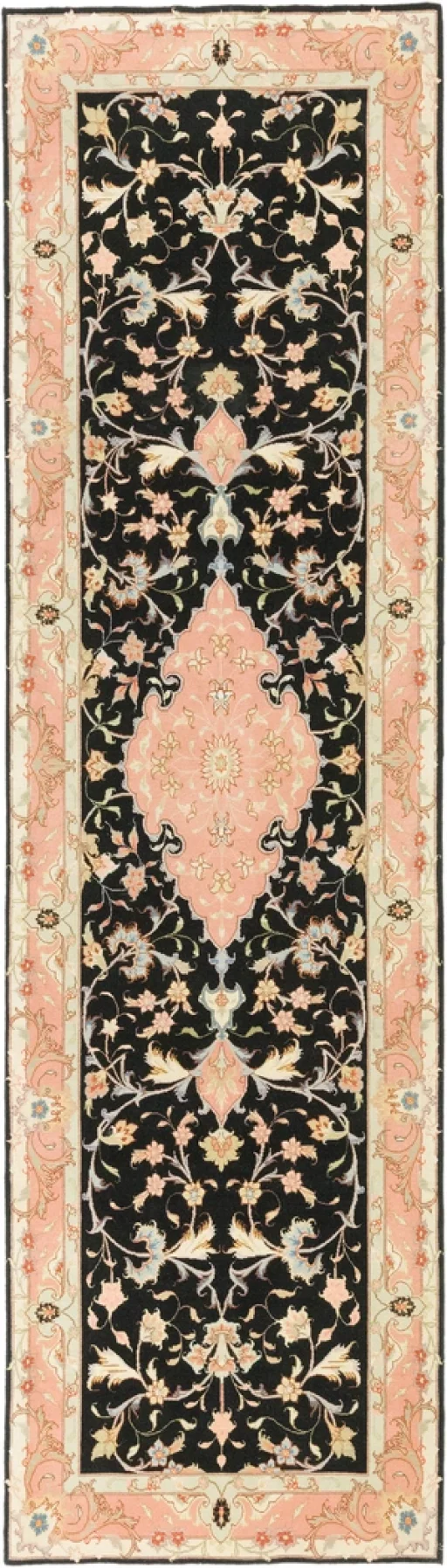
The hallway is the most used path in a home and often the first thing guests see. A hand-knotted wool runner stands up to this: the pile springs back after it is walked on, and wool is easy to clean. In a narrow, dark hallway, light ground colours make the space feel more open. In a long hallway, a runner with a border breaks up the length.
03
Runners in the kitchen
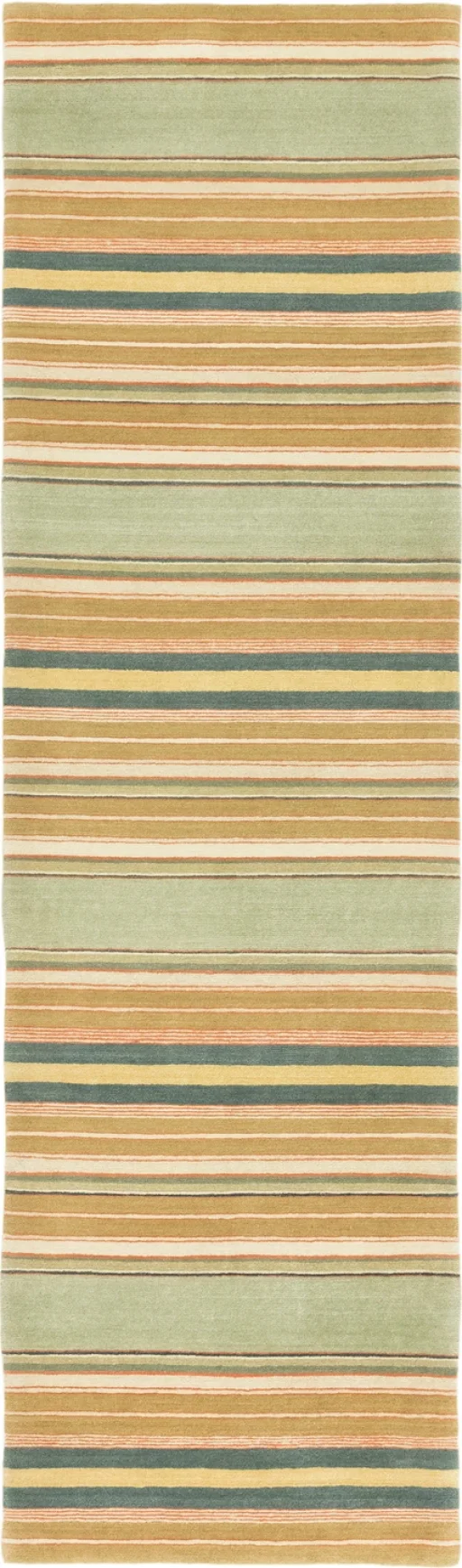
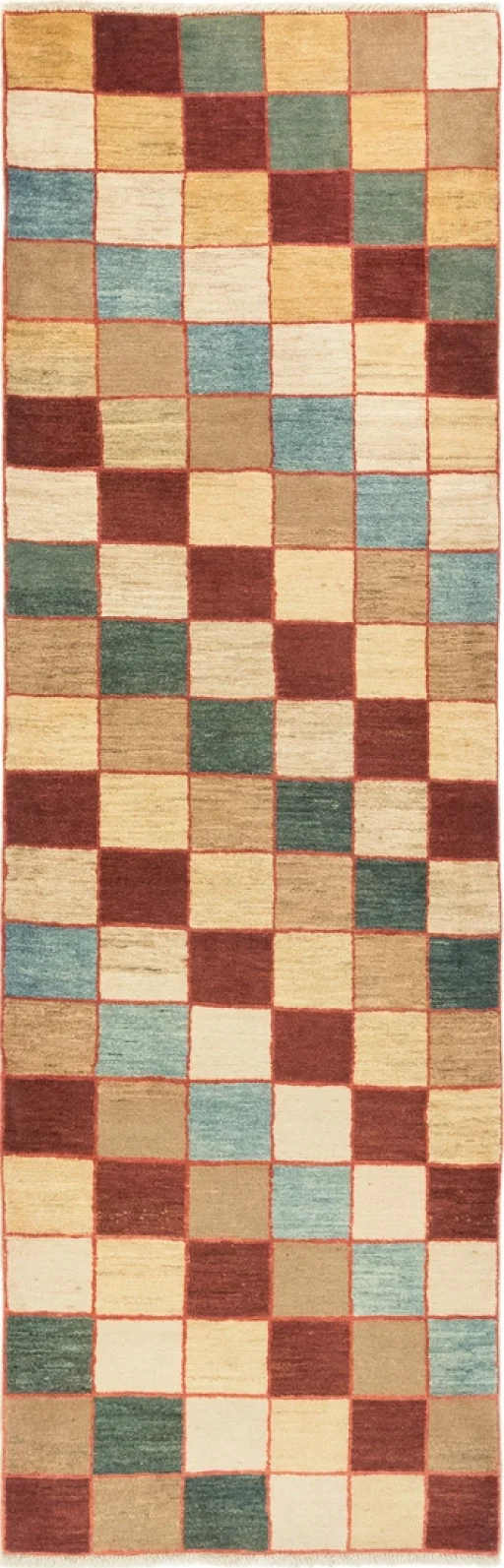
You stand longest in front of the kitchen counter. A runner makes the floor there warmer and softer underfoot. Choose a short to medium pile that crumbs are easy to vacuum out of, and a pattern with several colours on which small stains do not show at once. Dab fresh stains with clear water instead of rubbing them.
04
Runners on the stairs
On the landing, a runner lies loose as it does in the hallway. On the steps themselves it is fitted: an upholsterer or flooring fitter fixes it to each step with stair rods or clips. A runner with a short, dense pile works best here, as it folds neatly over the nosing. Measure the length over all treads and risers and add a little extra for fixing.
05
Caring for your runner
Vacuum the runner once or twice a week in the direction of the pile, ideally without a rotating brush. Turn it by 180 degrees every six to twelve months so that it wears evenly and the light falls on both ends alike. On smooth floors, a non-slip underlay keeps it in place. Every two to three years, more often in busy hallways, a hand-knotted runner should be washed professionally.
06
More from our collection
07
Frequently asked questions about runner rugs
How long should a hallway runner be?
Long enough to leave 15 to 30 cm of floor free at both ends. In a hallway 4 m long, a runner of about 340 to 370 cm fits.
How wide should a runner be?
Leave about 10 to 15 cm of floor visible on each side. In most hallways, runners 70 to 90 cm wide fit.
Can I use a runner in the kitchen?
Yes. A hand-knotted wool runner copes with everyday kitchen use. A short pile and a pattern with several colours make it easy to look after.
Will a runner slip on tiles or wooden floors?
On smooth floors it can move. A non-slip underlay the size of the runner keeps it in place and protects the pile.